Introduction to Three Major Coffee Bean Varieties: Flavor Characteristics and Differences of Arabica and Robusta for Pour-Over Specialty Coffee
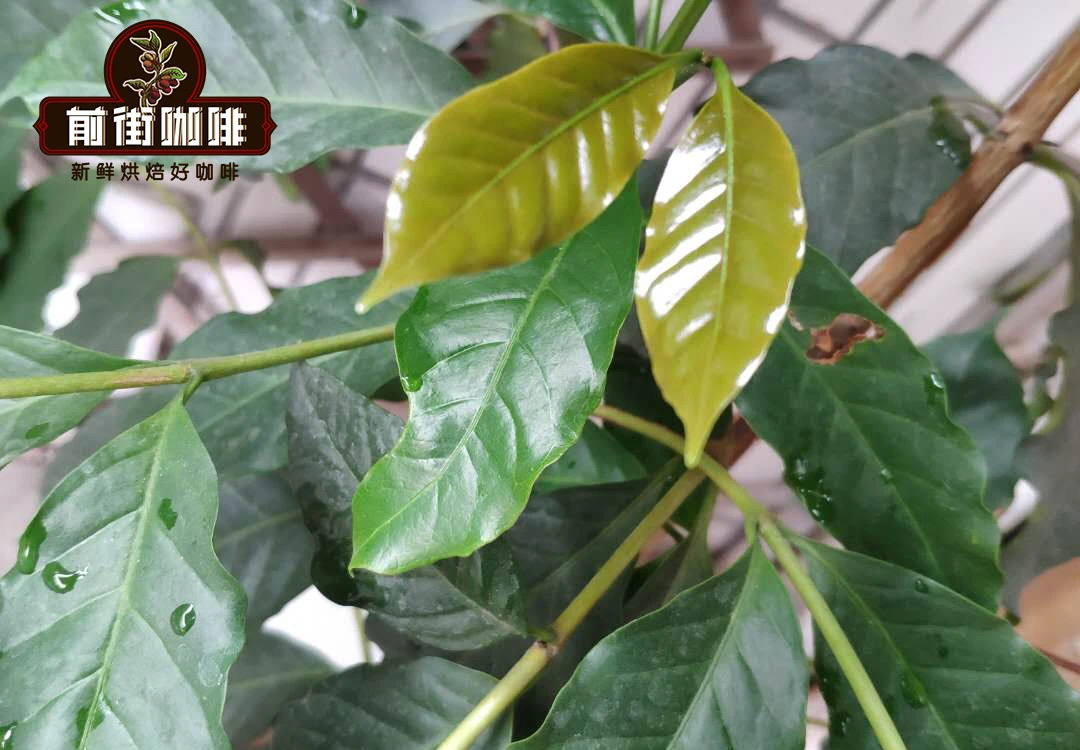
Did you know that coffee belongs to the Rubiaceae family? This large plant family contains more than five hundred genera and roughly six thousand species, and one of them is our beloved coffee plant, known scientifically as Coffea. Botanists count every seed-bearing plant in the Rubiaceae family as a coffee plant, but the coffee we actually drink comes mainly from two species: Arabica and Robusta.
These days you often see coffee shops advertising "100% Arabica." But is Arabica really better? How does it differ from Robusta? Let's dig into what actually separates the two.
Growing Environment Conditions
Robusta is a tough plant that can be grown at low altitudes of 200-800 meters. Arabica is far more demanding. Its optimal temperature range is 18-21°C, and it can tolerate an annual average of up to about 24°C. The best growing belt lies between the Tropic of Cancer and the Tropic of Capricorn. In terms of yield, Arabica produces less coffee per hectare than Robusta, which makes the cost of growing it significantly higher.
Coffee Bean Shape
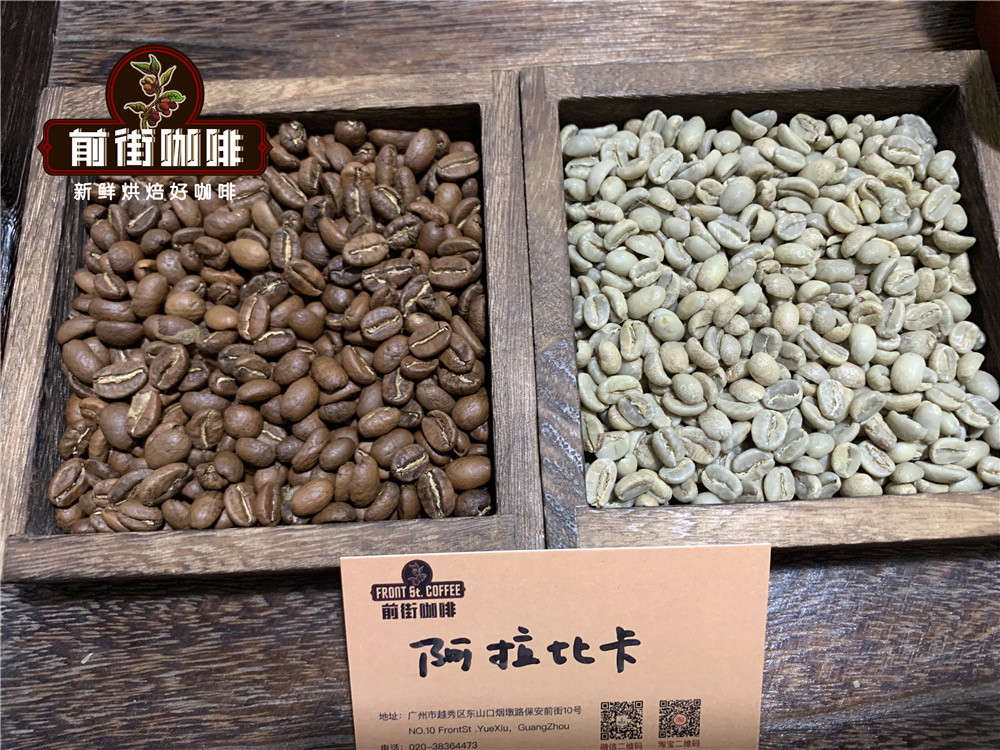
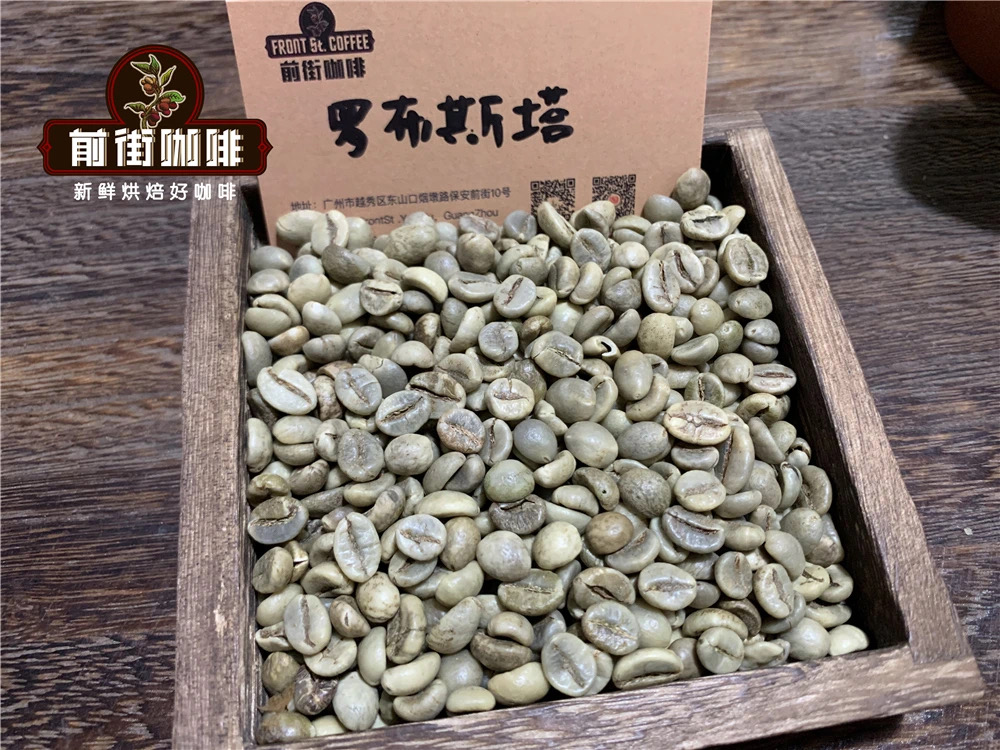
Arabica beans are smaller and rounder than Robusta beans. Arabica is oval: slender and flat, with an "S"-shaped center line. Robusta is rounder, with a "C" shape and a straight ("1"-shaped) center line, and its raw beans show a yellowish-brown color. Judging variety by appearance is far more reliable when the beans are still raw. Roasted beans expand and deform, becoming rounder as the center line shifts from an S-shape to nearly straight, so identifying variety from roasted beans alone is one-sided.
Caffeine and Chlorogenic Acid
Because they taste bitter, both caffeine and chlorogenic acid (CGA) act as deterrents against insects and animals. Robusta contains roughly twice the concentration of caffeine and CGA that Arabica does, which is what makes the plant more "robust" in the wild.
For the same reason, Robusta naturally lacks the unique aromatic fragrance of Arabica, offering instead a richer, deeper profile with abundant coffee oils and flavours of walnut, peanut, hazelnut, wheat and grain, sometimes with a pungent earthy note. Given its plentiful caffeine, Robusta is generally the raw material for instant coffee. Some espresso blends also add a measured amount of Robusta to achieve a rich, heavy flavour.

Lipids and Sugars
Arabica contains nearly 60% more lipids than Robusta and almost twice the sugar concentration. Those sugars matter a great deal during roasting, contributing significantly to the formation of several key aromatic compounds. Arabica's higher soluble content is also better for you. Together, the high lipid and sugar levels underpin Arabica's pleasant flavour profile.
Pollination
Arabica is self-pollinating, which means that compared with Robusta it undergoes fewer mutations and variations over its life cycle.
Resistance to Pests and Diseases
Robusta generally resists pests and diseases better than Arabica, a trait tied to both its growing environment and its caffeine content. From what we have said about the two species' growing conditions, you can see that Arabica is the more delicate plant. Robusta grows at low altitude and higher temperatures, so it tolerates extreme weather better. Pests and diseases tend to struggle in extreme weather, which greatly lowers the disease rate in Robusta. Robusta's caffeine content ranges between 2.7% and 4%, twice that of Arabica. As a natural plant pesticide, caffeine fends off most insect damage.
Flavor
The most obvious difference between Arabica and Robusta is probably the taste. Their growing conditions diverge so widely that the resulting flavour profiles are completely different. Robusta is often described as "earthy" or "rubbery," though it also earns positive descriptions such as nutty, chocolatey and exceptionally rich. Arabica, by contrast, spans a wide range of flavour characteristics that shift from region to region.
Take FrontStreet Coffee's Costa Rican and Guatemalan coffees as examples:
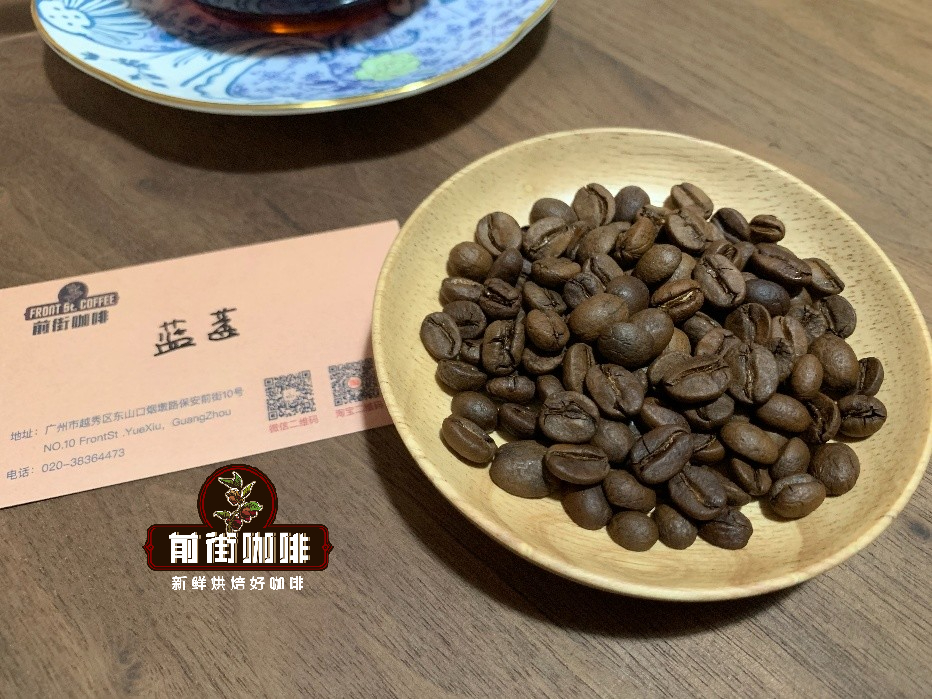
FrontStreet Coffee's Giant Rock Estate Blueberry has always been a favourite. It is an anaerobic honey processed bean. The dry aroma shows rose, and the cup opens with intense blueberry, a strong fermented quality and a cool, minty finish. It is a bean made for summer.
Brewing method:
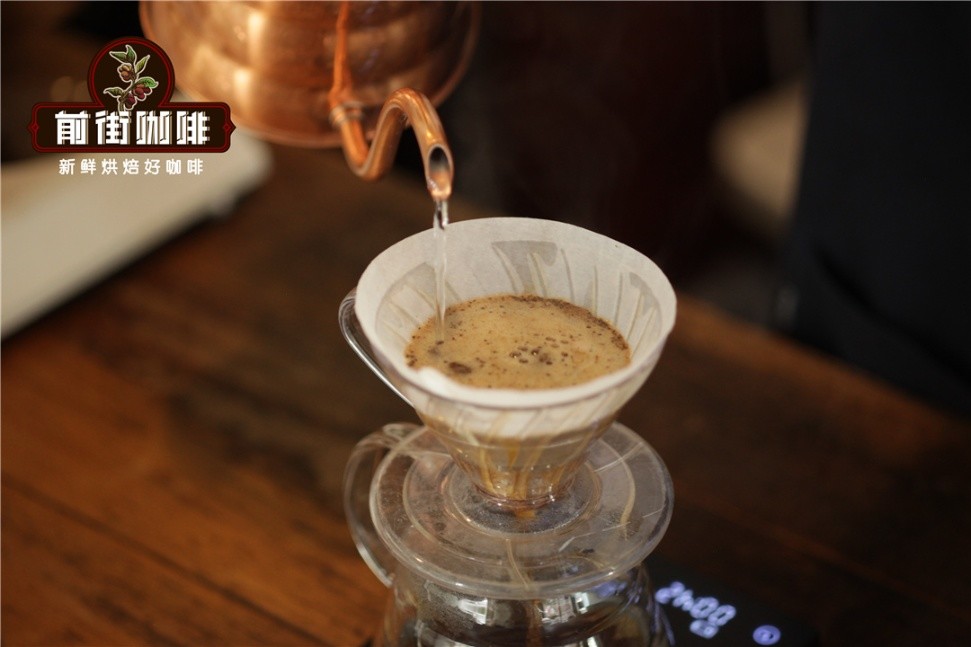
- Use 30g of water for blooming, with a bloom time of about 30 seconds
- Inject 125g of water with a small stream in a circular motion at the center, then segment
- When the water level drops and is about to expose the coffee bed, continue pouring water until reaching 225g to finish
- When the water level drops and is about to expose the coffee bed, remove the filter cup
- Extraction time: 2'00" (timing starts from blooming)
Brewing method: Pour-over
Filter cup: V60
Water temperature: 90-92°C
Coffee amount: 15g
Coffee-to-water ratio: 1:15
Grind size: Medium-fine (Chinese standard #20 sieve pass rate 80%)
Brewing technique: Segmented extraction
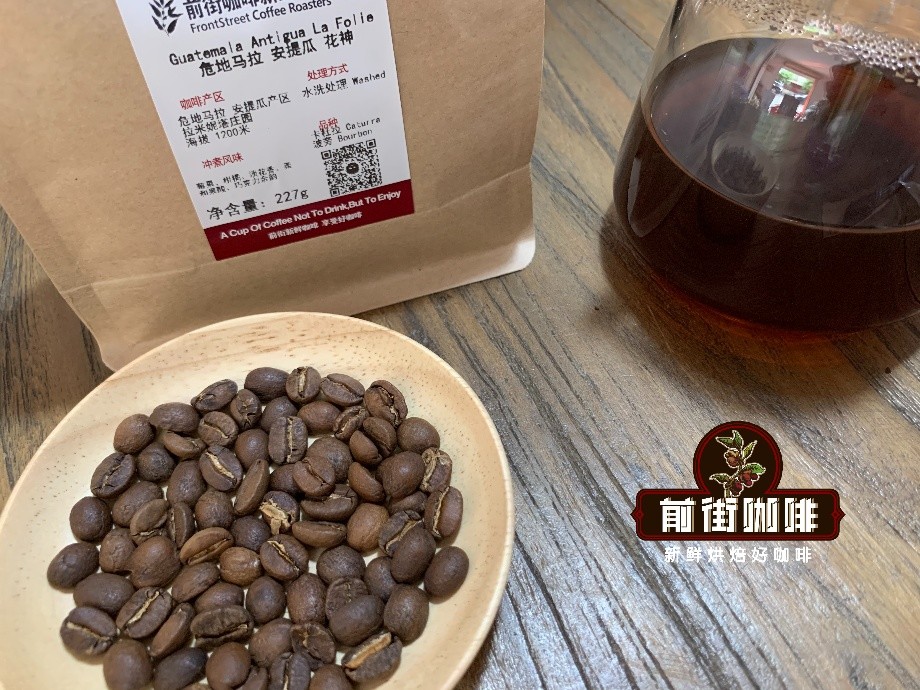
FrontStreet Coffee's Guatemala Flora God tastes entirely different. It is richly layered, opening with citrus and berry flavours and following through with smoky and faint chocolate notes: unusual and full of interest.
Many factors shape coffee flavour: variety, processing method, harvest and roast level. Broadly speaking, though, the growing region is the single biggest determinant. FrontStreet Coffee's Ethiopian coffees range widely, from citrus and floral notes to candied fruit aromas. Its Kenyan coffees are known for bright, complex berry and fruit notes, sweet aromas and balanced acidity. Its Brazilian coffees have lower acidity and are rich and sweet, generally showing chocolate and nutty notes. Its Colombian coffees carry many different aromas, some richly chocolatey, others as sweet as jam, with wide variation between growing regions.
We hope everyone tries widely and finds the beans they like and that suit their taste.
FrontStreet Coffee Recommendation
If the pull of Arabica's delicate, region-driven flavours is what brings you to specialty coffee, FrontStreet Coffee's washed Yirgacheffe Gudingding is the classic place to start. Yirgacheffe is reliably citrusy, berry-forward and floral, with a green-tea sweetness in the finish, and at a light roast it suits 92°C-93°C water and a medium-fine grind.
For something driven by fruit rather than acidity, FrontStreet Coffee's Ethiopia Huakui is loaded with tropical aromas of strawberry, passion fruit, jackfruit and even lychee, sweet and almost bitter-free, and it rewards a slightly looser 1:16 ratio so those flavours spread out.
If you prefer the richer end of Arabica, FrontStreet Coffee's PWN Golden Mandheling shows sandalwood, herbal and spice notes alongside roasted hazelnut, caramel and dark chocolate, while FrontStreet Coffee's Brazil Queen Estate is lower in acid and beautifully balanced, with nut and cocoa aromas and clear caramel sweetness that works just as well as pour-over, espresso or moka pot.
Important Notice :
FrontStreet Coffee is a long-established specialty coffee roaster in Guangzhou China, selling freshly roasted beans from its own farm in Yunnan as well as dozens of carefully selected single-origin beans from around the world for both pour-over and espresso. The products deliver consistently excellent quality and great value, with shipping within 24 hours. Guangzhou's FrontStreet Coffee shop is recommended by many coffee lovers, and the beans are now available online at the Tmall 。
FrontStreet Coffee has moved to a new address:
FrontStreet Coffee Address: 315,Donghua East Road,GuangZhou
Tel:020 38364473
 Scan and follow the En Gafei WeChat official account. Please indicate that the reprint comes from "En Gafei".