The Origin of Mozart Coffee and Recommended Pour-Over Methods - Introduction to Raisin Honey Process Mozart Coffee Beans

Today, FrontStreet Coffee would like to share a bean from its Costa Rica Musicians Series: the Mozart coffee bean. This Costa Rica bean is a real source of delight for FrontStreet Coffee. Named after the musician Mozart, it is immediately memorable, and its raisin honey processing extends the fermentation time, enhancing both the overall texture and the flavor profile. The beans give off a delicate aroma reminiscent of wine and raisins, with distinct berry notes once brewed and a berry-forward character overall. The beans in this series are limited in quantity but exceptionally distinctive, which is why FrontStreet Coffee chose them.
On the walls of FrontStreet Coffee's physical store hangs a bean sack from the Musicians Series, specifically the FrontStreet Coffee Bach bean sack, where you can see the green-bean brand logo: BLACK GOLD, which comes from Taiwan's Black Gold. Black Gold owns its own coffee processing facilities in Costa Rica, where it executes different processing methods in small batches according to the terroir of each producing region. Canet is one of Black Gold Coffee's processing facilities.
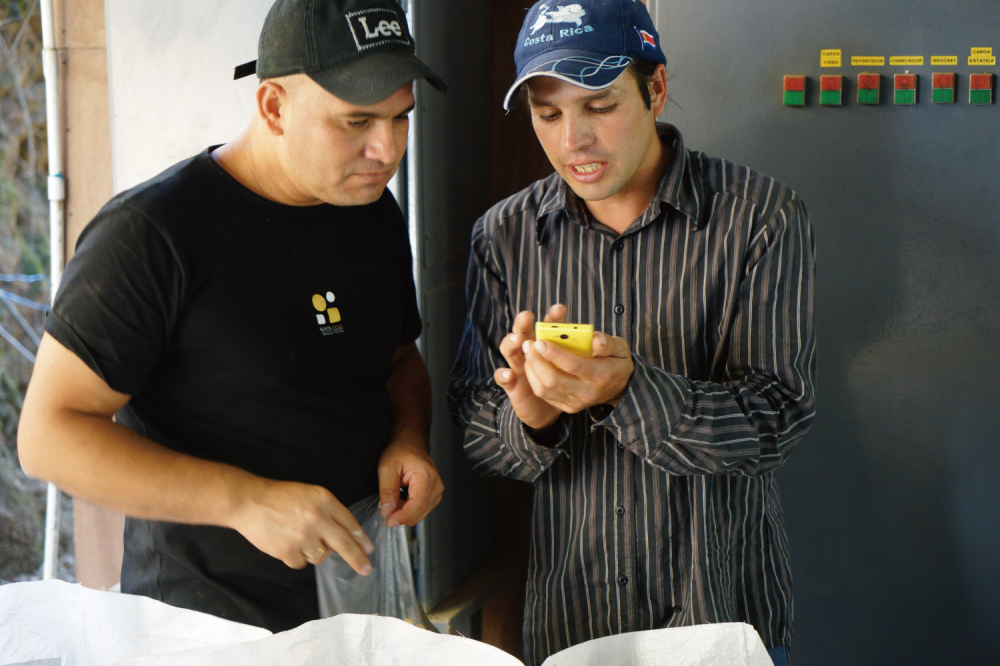
Canet was originally a processing station in the area responsible for collecting coffee cherries. Every harvest season, farmers would sell bucket after bucket of cherries to the station, thereby losing all connection with their harvest. After the season ended, they would travel elsewhere to work, supplementing their meager income to support their families.
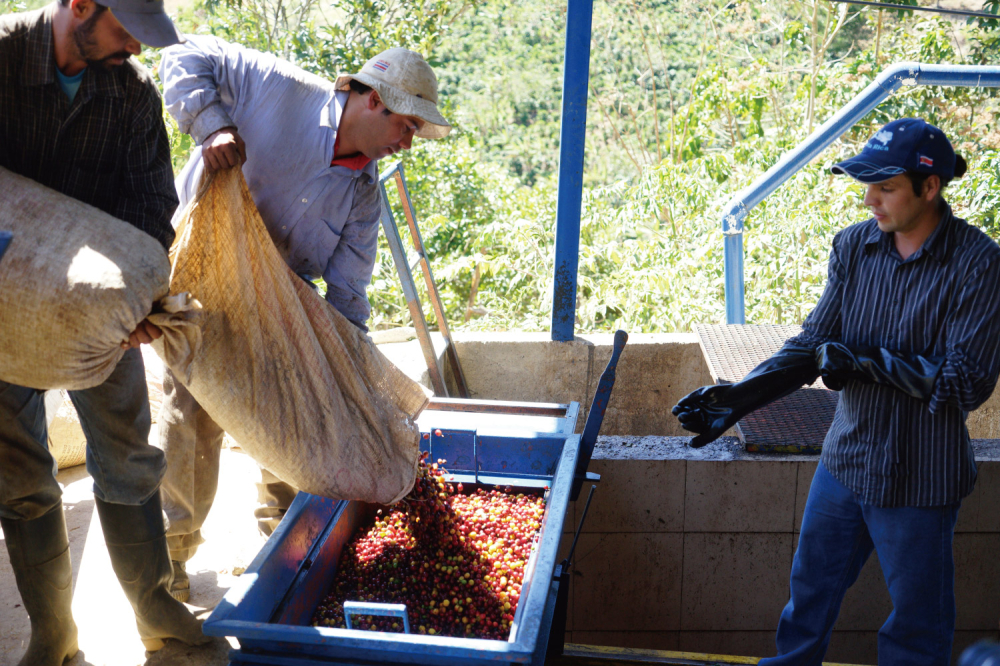
Canet sits in the highest-altitude part of Costa Rica's Tarrazu coffee region. This area is the country's most intensive fruit-growing region, cultivating mainly fruits such as passion fruit, with coffee quite scarce. Coffee is grown only in specific spots, where it receives special care, and only fully ripe red cherries are picked.

The Musician Series Naming
Some friends who have tasted coffee from the Musicians Series often come to FrontStreet Coffee with a question: why do these beans have such special names? Why is this FrontStreet Coffee Mozart bean called Mozart?
The answer lies with the manager of Canet. The Canet manager loves classical music. When tasting a coffee, he associates it with a musician based on its flavor characteristics, and the magnificent profile of this FrontStreet Coffee Mozart bean reminded him of Mozart.
FrontStreet Coffee's Mozart carries a bold yet elegant white floral aroma. On tasting, its rich berry tonality becomes prominent, followed by a honey-like sweetness that emerges in the finish. The overall magnificent profile of this bean corresponds one-to-one with the grandeur of the classical music prodigy Mozart.
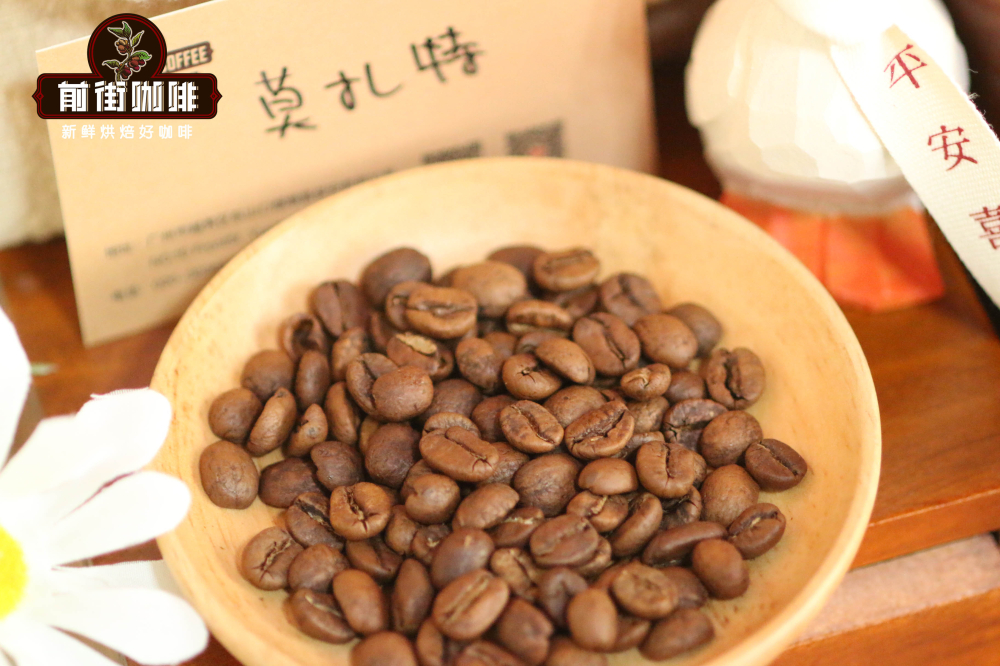
FrontStreet Coffee · Costa Rica Musicians Series Mozart Coffee Bean
Origin: Costa Rica, Tarrazu
Estate: Canet
Altitude: 1980 meters
Variety: Caturra, Catuai
Grade: SHB
Processing Method: Raisin Honey Processing
When many customers visit FrontStreet Coffee's store to ask which coffee has the most prominent sweetness, FrontStreet Coffee's barista always recommends the FrontStreet Coffee Mozart bean. The reason it can have such rich, colorful flavors is thanks to its processing method, raisin honey.
The raisin honey processing of FrontStreet Coffee's Mozart is essentially a double-fermentation honey method, for which fully ripe cherries are a necessary precondition. After careful selection, the cherries are first spread out evenly for sun-drying. When they have dried to a raisin-like shriveled state, pulping begins, preserving as much mucilage as possible for drying.
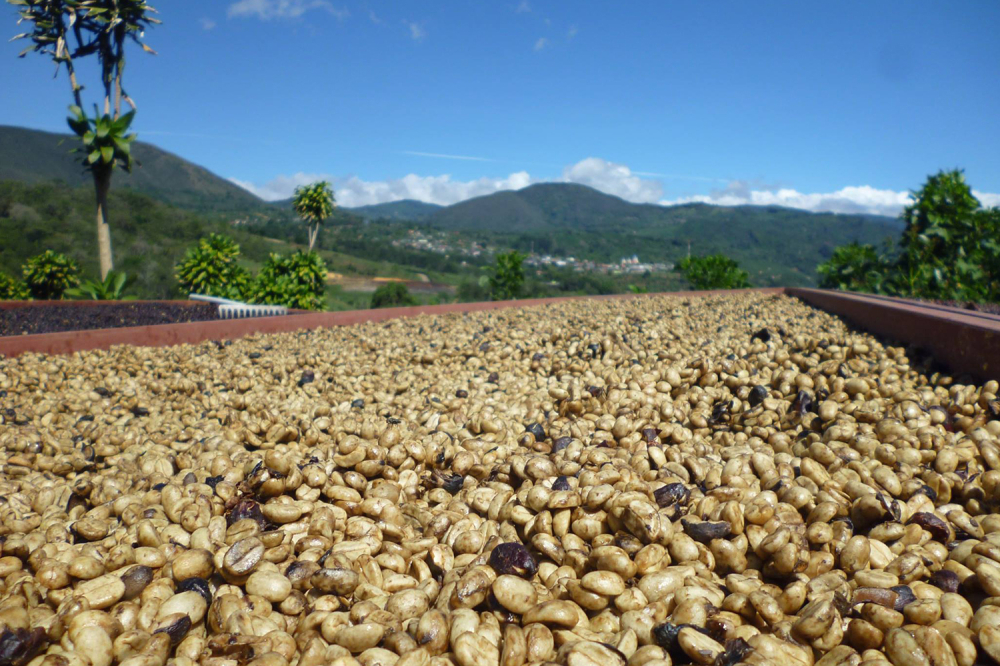
By drying first and pulping afterward, the coffee develops a more intense fermented flavor. Compared with other honey methods, raisin honey preserves 100% of the mucilage for drying, which greatly enhances the coffee's sweetness. After the full raisin honey process, this FrontStreet Coffee Costa Rica Mozart has a white-wine mouthfeel and balanced acidity, with a more intense fermented flavor profile.
How to Brew FrontStreet Coffee's Costa Rica Mozart Coffee
When FrontStreet Coffee brews a bean, the first consideration is its roast level. This FrontStreet Coffee Costa Rica Mozart bean is characterized by floral aroma and the sweet-and-sour sensation of fruit, so FrontStreet Coffee's roaster chooses a medium roast.

Because the beans are lightly roasted, their flavor compounds dissolve more slowly when they meet water. FrontStreet Coffee's barista therefore uses a higher water temperature to speed dissolution and a finer grind to increase the contact area between the powder particles and the water.
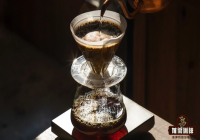
For filter cones, FrontStreet Coffee's store frequently uses the Hario V60 and KONO. Medium and light roast beans are brewed with high water temperature and a finer grind, so a faster-flowing cone is used, and the Hario V60 is an excellent choice. Its 12 long ribs let water pass through more quickly, reducing the contact time between hot water and coffee to some extent.
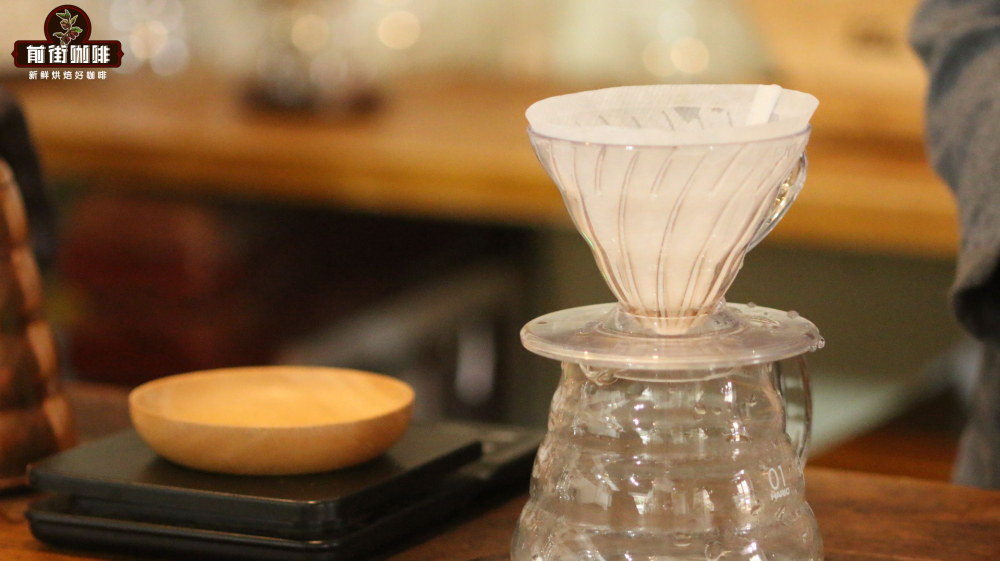
Filter Cone: Hario V60
Water Temperature: 91°C
Coffee Dose: 15 grams
Coffee-to-Water Ratio: 1:15
Grind Level: 80% pass-through rate on Chinese standard #20 sieve
Pour 30 g of hot water for the bloom and wait 30 seconds. Start from the center with a fine stream and slowly spiral out to 125 g. When the water level in the cone drops to just above the coffee bed, continue spiral pouring to 225 g. Total extraction time is approximately 2 minutes.
Readers who follow FrontStreet Coffee's articles may have noticed that its baristas use a three-stage pour. FrontStreet Coffee also understands that some friends new to specialty coffee, brewing pour-over at home, often use a single pour.
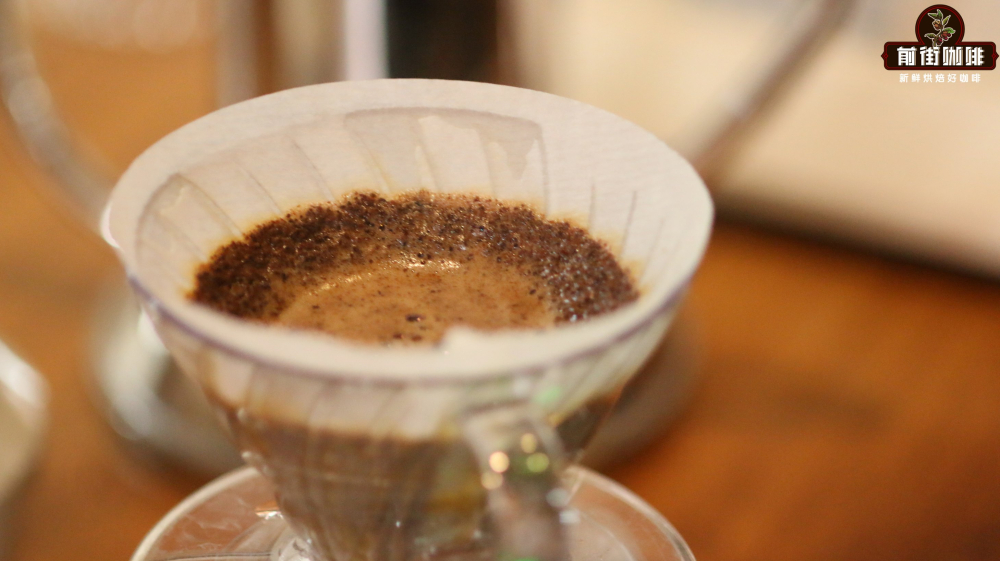
The single-pour method, combined with the bloom stage, is essentially a two-stage pour. Comparing single-pour and three-stage methods, however, FrontStreet Coffee found that with the same bean and parameters, coffee brewed with a single pour has a clean yet thin mouthfeel and is relatively light overall, while the three-stage method, with its multiple pours, adds richer layers and more pronounced sweetness.

Brewed with the above parameters and a three-stage pour, FrontStreet Coffee's Costa Rica Mozart presents complex floral notes and fermented, sauce-like aromas on entry, carrying raisin and preserved-fruit sweetness, with berry acidity and a sucrose-like aftertaste.
FrontStreet Coffee Recommendation
If the Mozart has sparked your interest in the Costa Rica Musicians Series, FrontStreet's Mozart is the standout example, and it rewards brewing in a Hario V60. Because it is a medium roast and the flavor compounds dissolve slowly, FrontStreet recommends a higher water temperature and a finer grind: 91°C water, 15 g of coffee, a 1:15 ratio, and a grind of about 80% pass-through on a Chinese standard #20 sieve. Pour in three stages, beginning with a 30 g bloom for 30 seconds, then a fine centered stream spiraling out to 125 g, and finally, once the bed has drawn down, a continued spiral to 225 g for a total extraction of about two minutes. Brewed this way, the cup shows complex florals, fermented sauce-like aromas, raisin and preserved-fruit sweetness, berry acidity, and a sucrose-like finish.
Part of what makes the V60 a good match is its design. The cone shape and its 60-degree angle force the water to the center before it drips through, lengthening contact between water and grounds so aromatics and flavor extract fully, and its single large opening lets the flow rate depend almost entirely on the brewer's control, which shows up directly in the cup. The fast extraction the V60 favors is exactly what brings out the lifted aromatics and lively acidity of a florally, fruit-forward coffee like Mozart.
If you would like to compare it with other fruit-forward coffees brewed the same way, FrontStreet's lineup offers several: the classic Yirgacheffe Gudingding, with its citrus, berry, and floral notes and green-tea finish; the tropical Flower Queen, with its lush strawberry, passion fruit, and jackfruit aromas; and the Geisha-style Strawberry Candy, which combines a Costa Rican honey process with Panama Geisha for delicate florals and sweet fruit. All of them shine in a V60.
Important Notice :
FrontStreet Coffee is a long-established specialty coffee roaster in Guangzhou China, selling freshly roasted beans from its own farm in Yunnan as well as dozens of carefully selected single-origin beans from around the world for both pour-over and espresso. The products deliver consistently excellent quality and great value, with shipping within 24 hours. Guangzhou's FrontStreet Coffee shop is recommended by many coffee lovers, and the beans are now available online at the Tmall 。
FrontStreet Coffee has moved to a new address:
FrontStreet Coffee Address: 315,Donghua East Road,GuangZhou
Tel:020 38364473
 Scan and follow the En Gafei WeChat official account. Please indicate that the reprint comes from "En Gafei".