How Many Types of Espresso Drinks Are There? Simple Ways to Distinguish Common Italian Milk Coffee Varieties
Understanding Italian Coffee Varieties
When you stand at the coffee shop counter, looking at the dazzling array of coffee products like lattes, cappuccinos, or macchiatos, do you sometimes feel confused? This time, FrontStreet Coffee has specially compiled an overview of Italian coffee varieties. Not only will it help you recognize the differences between various coffee flavors, but it will also provide detailed explanations of preparation ratios.
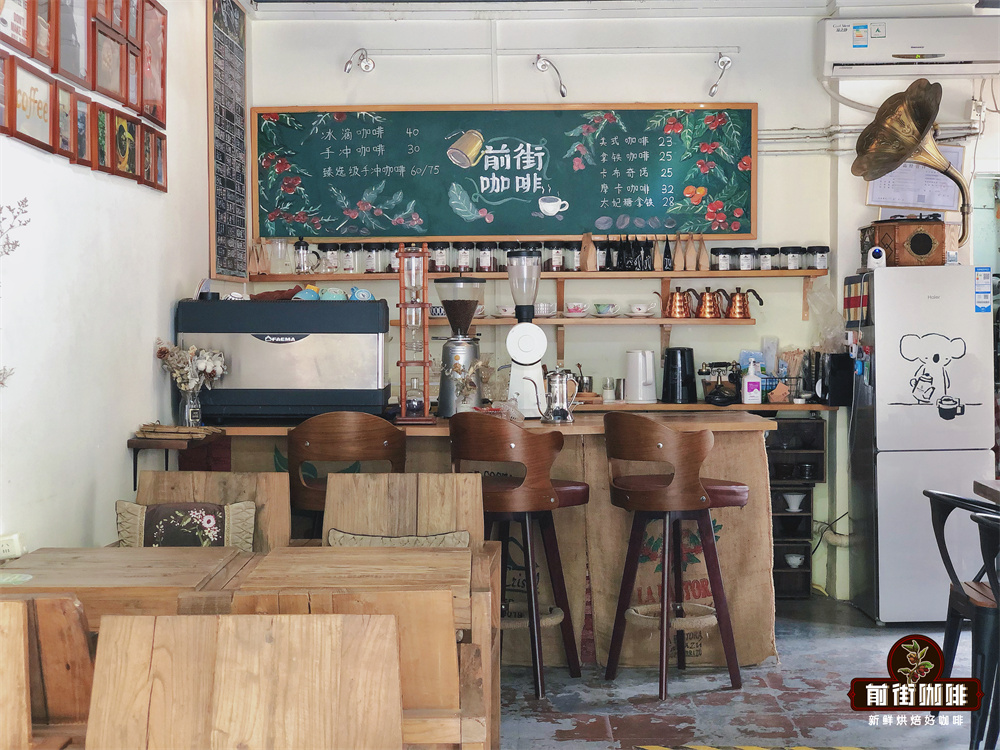
Italian Coffee Varieties
All the Italian coffee products we see are made using espresso as the base, adding different proportions of milk, water, or other ingredients to create various types of beverages.
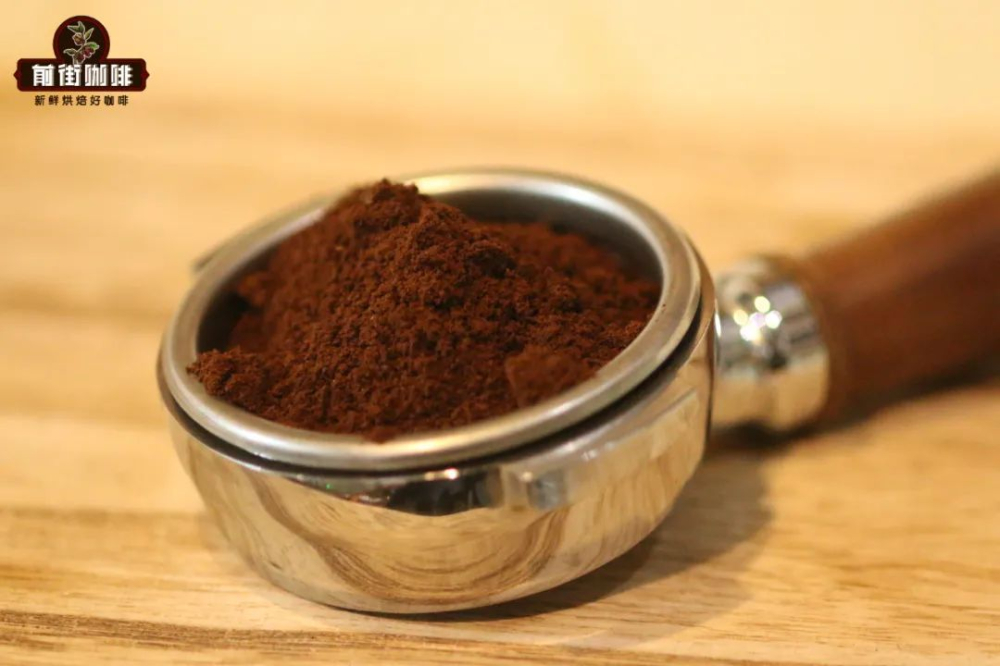
The preparation of espresso requires extraction using an espresso machine with pressure functionality. Typically, coffee shops use freshly roasted Italian blend coffee beans/single-origin coffee beans, ground extremely fine. The coffee powder is placed into the portafilter's basket, distributed evenly, tamped, and then secured into the coffee machine's brewing head.
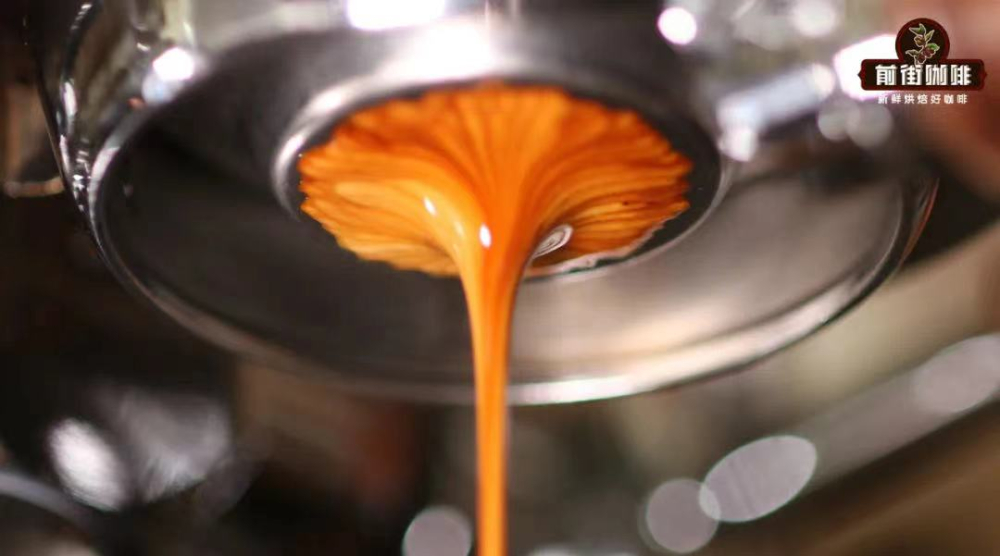
Then, pressing the extraction button, 94-degree hot water is pressurized in a vacuum environment and quickly passes through the coffee powder layer, extracting espresso at a 1:2 coffee-to-liquid ratio with extremely high concentration. Due to its high concentration, even after adding water/milk or other ingredients, it still maintains the coffee's flavor. Additionally, with its short preparation time, espresso quickly gained popularity among consumers when it was invented.
FrontStreet Coffee uses Italian blend coffee beans for espresso extraction. This is because blend coffee beans can achieve stability that single-origin coffee beans lack through blending beans from different regions (since coffee beans are agricultural products, their quality and flavor characteristics are affected by terroir and climate each year).
FrontStreet Coffee's daily store offerings use their own freshly roasted "Sunflower Warm Sun Blend Coffee Beans," combining Ethiopian natural Yirgacheffe with Honduras Sherry. The extracted espresso exhibits fermented wine aroma, berries, vanilla cream, and nutty caramel, with a rich and smooth texture and special flavors. Whether making Italian milk coffee or Americano, it presents an attractive vanilla cream aroma and fermented wine fragrance.
Each espresso extraction has different coffee powder usage limits depending on the basket size. When making single-shot espresso (1 shot), FrontStreet Coffee uses 10-11g of coffee powder to extract 20-25g of coffee liquid, with an extraction time of about 22 seconds. For double-shot espresso, they use 19-20g of coffee powder to make 35-40g of coffee liquid, with an extraction time of about 29 seconds.
Americano Preparation
During World War II, when American soldiers arrived in Italy, they couldn't get used to the espresso made by Italian coffee machines, so they added large amounts of hot water to dilute the flavor.
This action surprised the Italians, who called this American way of drinking "Americano," meaning "American" in Italian. When Americans heard this somewhat mocking name, they not only didn't take offense but felt proud instead. Thus, the name Americano spread, specifically referring to the method of adding hot water to dilute espresso.
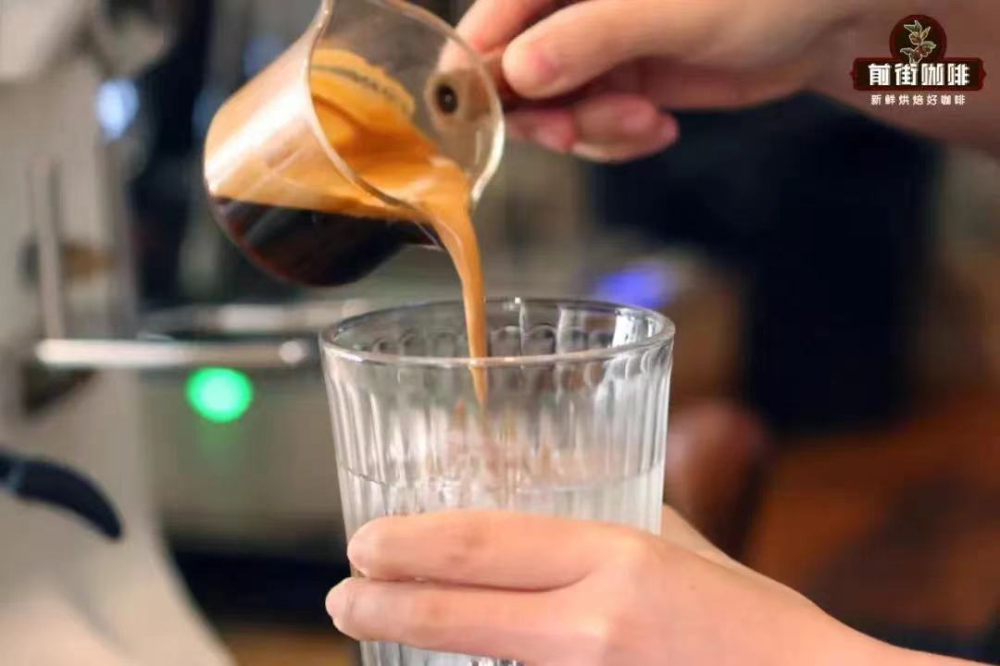
There's no specific regulation on the amount of water for Americano; everyone can adjust it according to their preferred strength. FrontStreet Coffee typically makes Americano using double-shot espresso (40g) mixed with 200ml of hot/iced water.
Latte Preparation
Caffe Latte is Italian for coffee with milk, while Latte simply means milk in Italian. If you go to an Italian coffee bar and ask the barista for a "Latte," they might look at you confused and give you a glass of milk. In Italy, to get coffee with milk, you must say "Caffe Latte" to get an authentic Italian coffee latte.
However, the latte you order in Italy might not have foam, as milk frothers were invented later, first appearing in the United States in the 1950s-60s. Before this, lattes only consisted of espresso with milk directly, without foam.
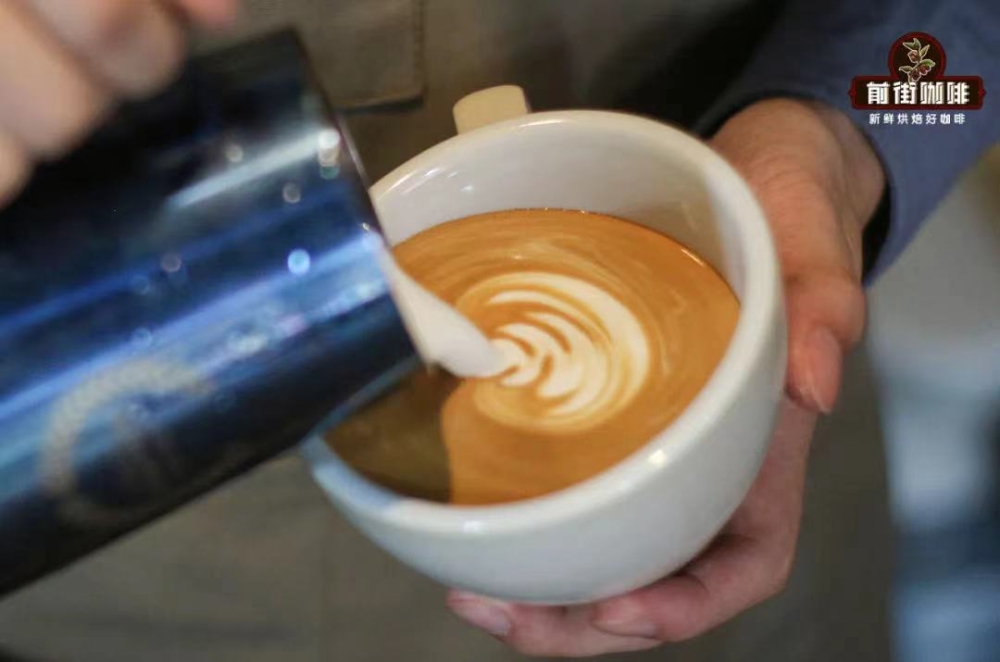
In terms of composition, a latte consists of one-fifth espresso, two-fifths hot milk, and two-fifths milk foam. The flavor of a latte features both espresso and milk as co-stars, carefully savoring the integration and balance of both is the most unique characteristic of latte flavor. FrontStreet Coffee typically makes latte using double-shot espresso (40g) mixed with 250ml of hot/iced milk with smooth foam.
Cappuccino Preparation
The difference between Cappuccino and latte is that cappuccino has a higher proportion of espresso. It consists of one-third espresso, one-third hot milk, and one-third milk foam. Cappuccino can also be sprinkled with cocoa powder or cinnamon powder for flavor. In terms of taste, coffee flavor is dominant, with milk as the accompaniment.
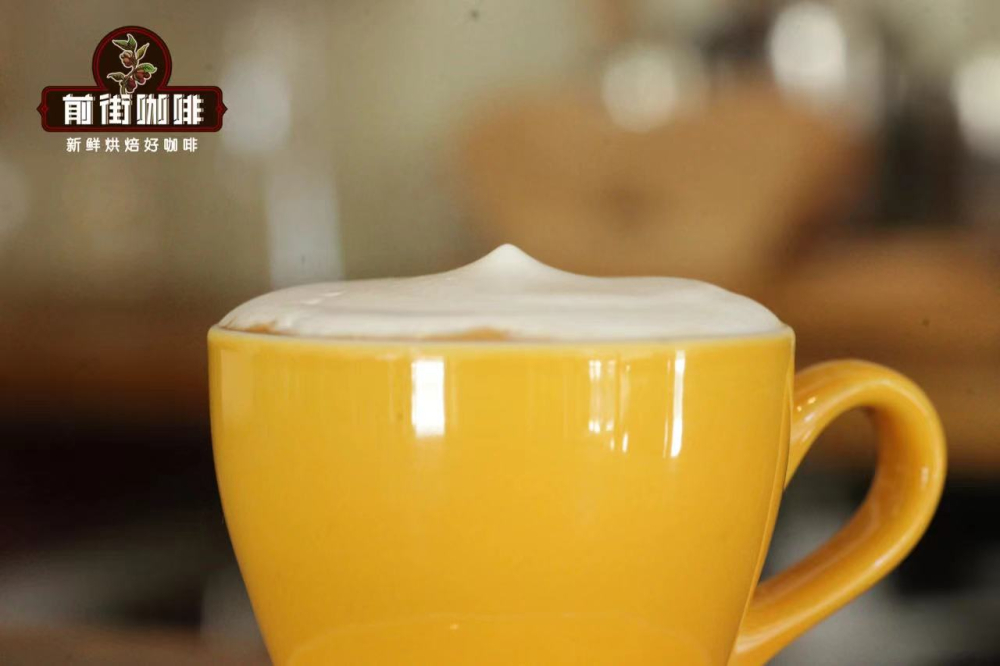
FrontStreet Coffee typically makes cappuccino using double-shot espresso (40g) mixed with 180ml of hot milk with thick, dense foam.
Mocha Preparation
Mocha was originally the name of a famous port in Yemen that exported coffee beans produced in nearby countries/regions. These coffee beans had rich chocolate flavors, and later Mocha coffee also generally referred to special coffee bean varieties with chocolate aroma. However, after the port was demolished, Europeans added chocolate sauce/cocoa powder to milk coffee to recreate the same flavor, which became the Italian mocha coffee we know today.
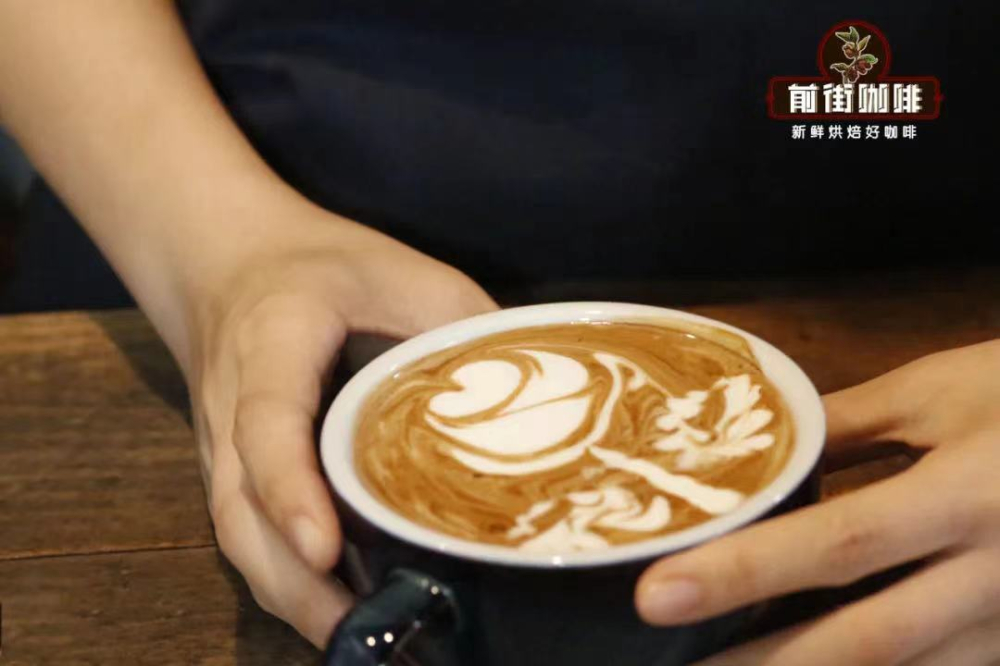
FrontStreet Coffee typically makes mocha using double-shot espresso (40g) + appropriate amount of chocolate sauce/cocoa powder, mixed with 250ml of hot/iced milk with smooth foam.
FrontStreet Coffee Recommendation
Cappuccino rewards a thick, plush foam and a rich coffee backbone, so the beans matter as much as the ratios above. At FrontStreet Coffee, the house pick for traditional milk drinks is the FrontStreet Classic Blend - a crema powerhouse built for espresso machines, so forgiving that even beginners on home equipment can pull silky, dense foam-friendly shots. If you are watching costs without sacrificing taste, the FrontStreet Dark Cocoa Blend uses 100% Arabica for a full body and gentle sweetness at a friendly price. For a more adventurous cappuccino, the Strawberry Candy espresso blend brings berry, rose, raisin, and fruit-candy aromas, while the natural-processed, medium-roasted Genlana Gesha SOE stays fresh and non-bitter, turning candy-like with milk. Pull the base at 20g of coffee, a 1:2 ratio, and about 30 seconds, and each of these will hold its own under 180ml of thick milk foam.
Important Notice :
FrontStreet Coffee is a long-established specialty coffee roaster in Guangzhou China, selling freshly roasted beans from its own farm in Yunnan as well as dozens of carefully selected single-origin beans from around the world for both pour-over and espresso. The products deliver consistently excellent quality and great value, with shipping within 24 hours. Guangzhou's FrontStreet Coffee shop is recommended by many coffee lovers, and the beans are now available online at the Tmall 。
FrontStreet Coffee has moved to a new address:
FrontStreet Coffee Address: 315,Donghua East Road,GuangZhou
Tel:020 38364473
 Scan and follow the En Gafei WeChat official account. Please indicate that the reprint comes from "En Gafei".