Introduction to Coffee Bean Varieties and Flavors - Guide to Buying Coffee Beans by Origin, Variety, and Processing Method
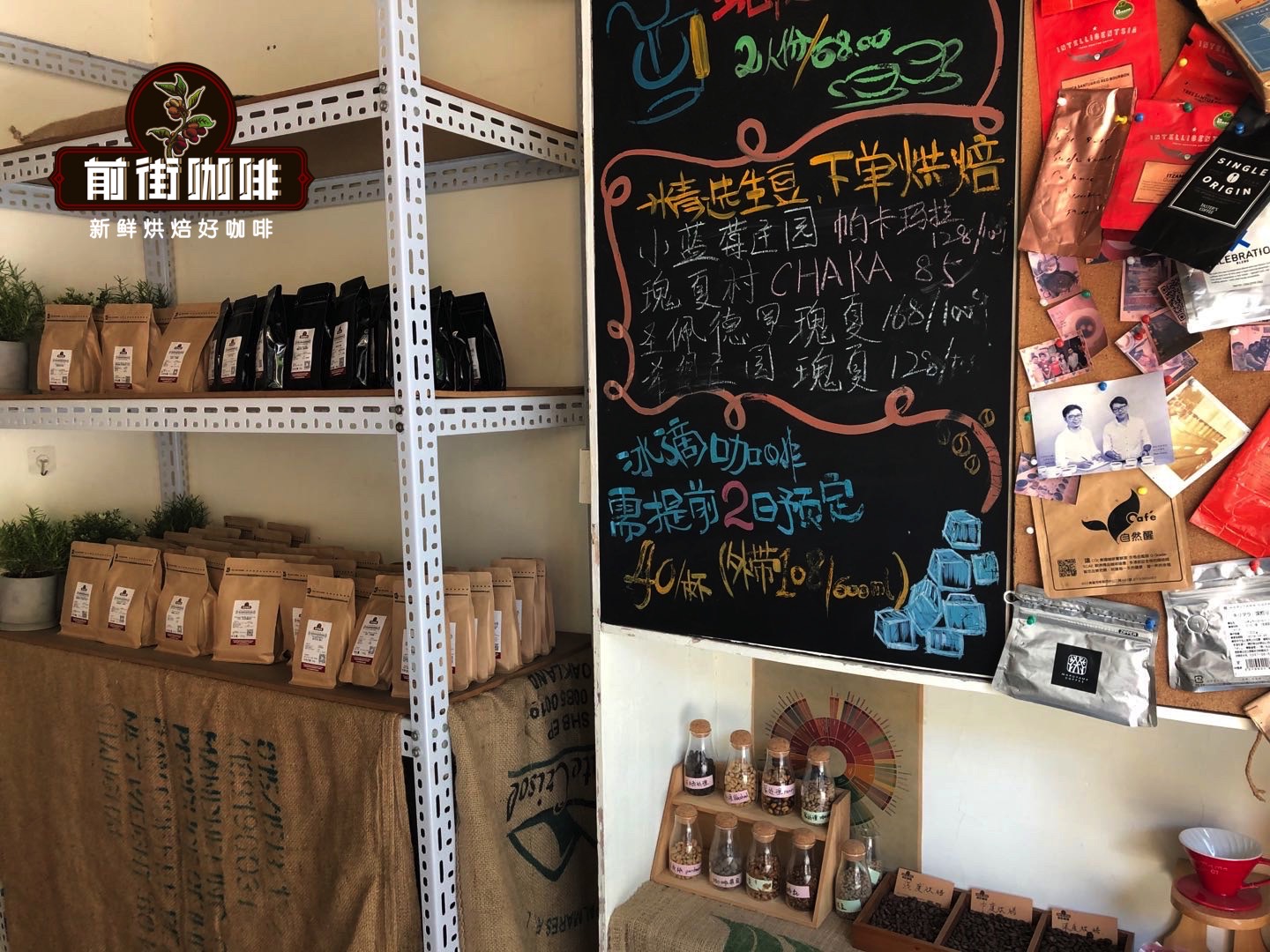
At FrontStreet Coffee, curious visitors often walk into the shop with no prior knowledge of specialty coffee, hoping the baristas will guide them into this world. Nobody wants to drink "bitter" coffee, so when they face the bean menu they look bewildered and can only ask, "Do you have any coffee that isn't bitter?" Of course we do — almost any coffee can be non-bitter, it just depends on how you choose.
So here is a tour of the flavors of various producing countries, so you can pick beans from the region you want once you know which flavors you are after.
Ethiopia
As everyone knows, Ethiopia is the birthplace of coffee. Its variety range is enormous — counting only the native varieties discovered in the forests of the southern Kaffa region, there are as many as 5,000 types. Precisely because there are so many, and because the government protects these varieties, most Ethiopian coffee is simply labeled "local heirloom" as its variety. The country sits in East Africa, split from southwest to north by the East African Rift Valley.
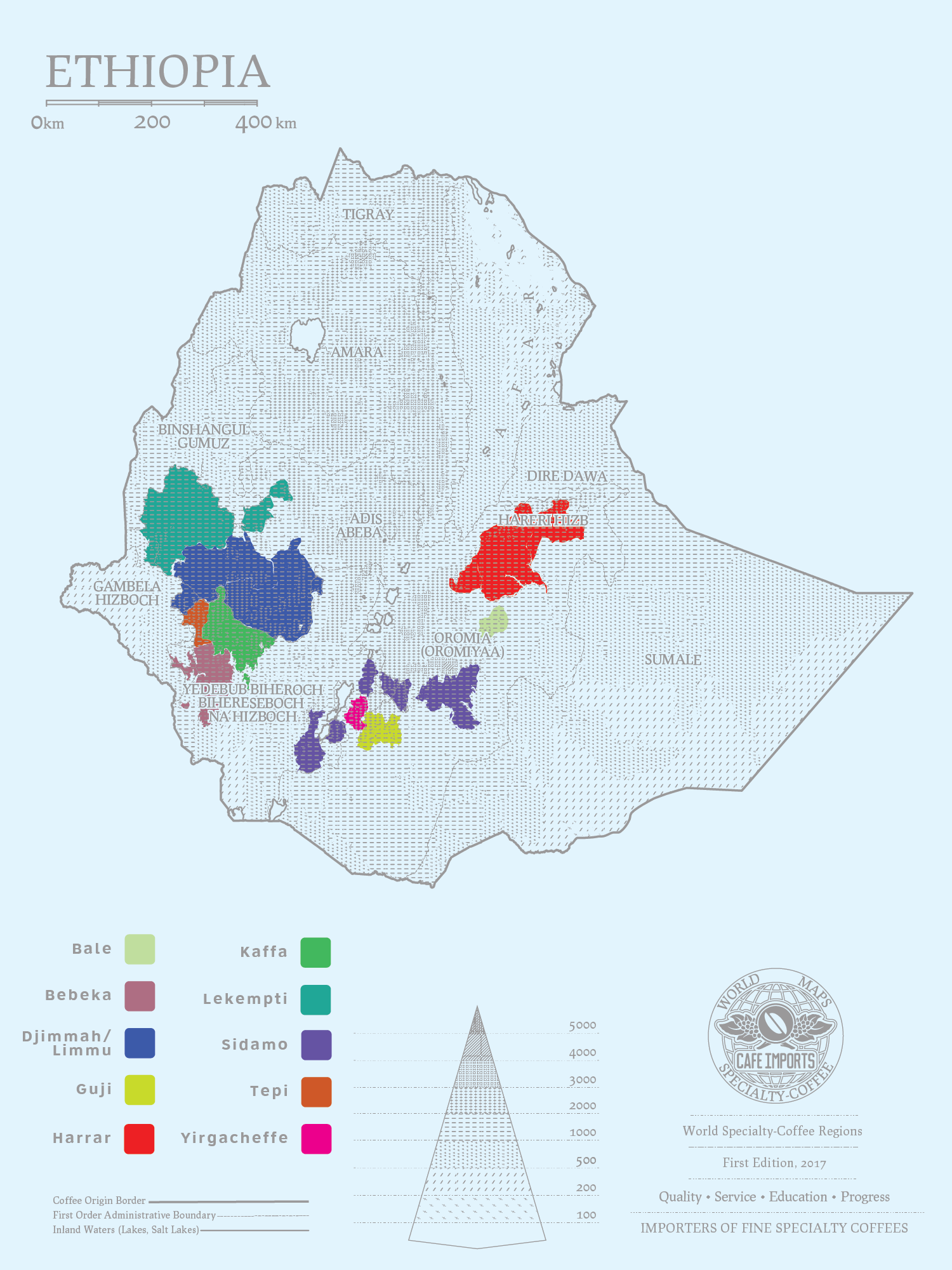
The two most famous Ethiopian producing regions are Yirgacheffe and Sidamo. FrontStreet's popular Red Cherry and Huakui (Flower Queen) beans come from these two regions — whether it is the citrus-lemon acidity of Yirgacheffe or the creamy strawberry of Sidamo, both have coffee lovers applauding.
Yirgacheffe
Yirgacheffe sits at high altitude, averaging 2,000 meters. It was once a sub-region of Sidamo, but because its beans carried such a distinctive floral aroma it was later recognized as an independent producing region. Yirgacheffe is no longer just a place name — it is a byword for a specific flavor profile.
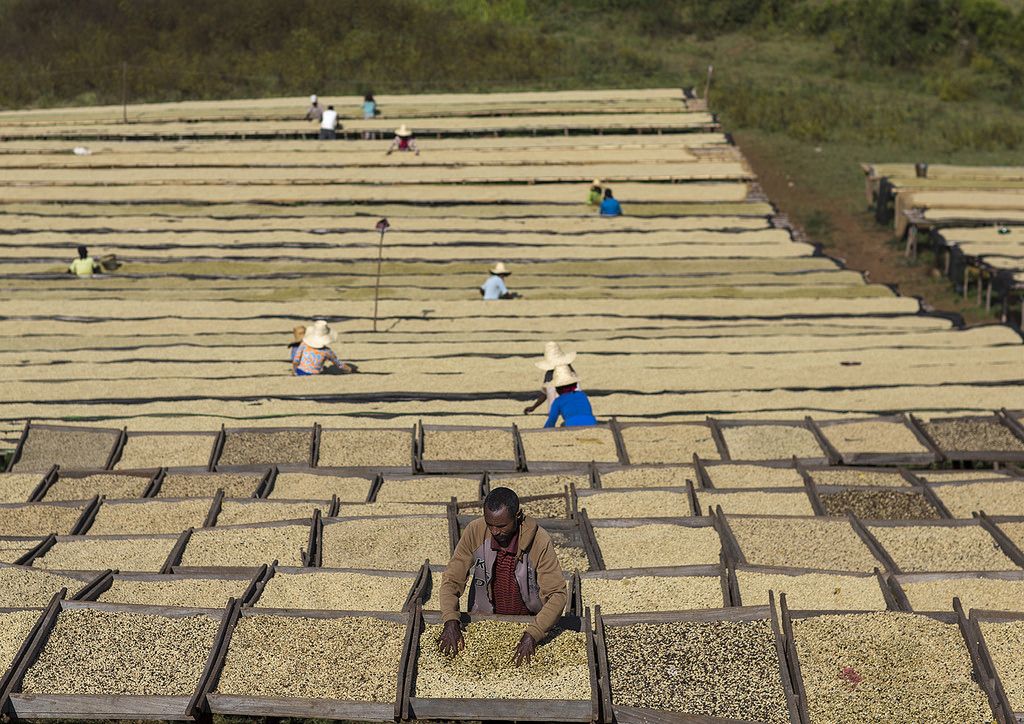
Most Yirgacheffe beans are washed, because washing gives a cleaner taste, more pronounced florals, and an overall fresher cup. FrontStreet's Gedeb is a case in point: citrus, black tea, and floral notes on entry, with cream, caramel, and almond emerging as the cup cools, showing obvious sweetness and a clean, sweet finish.
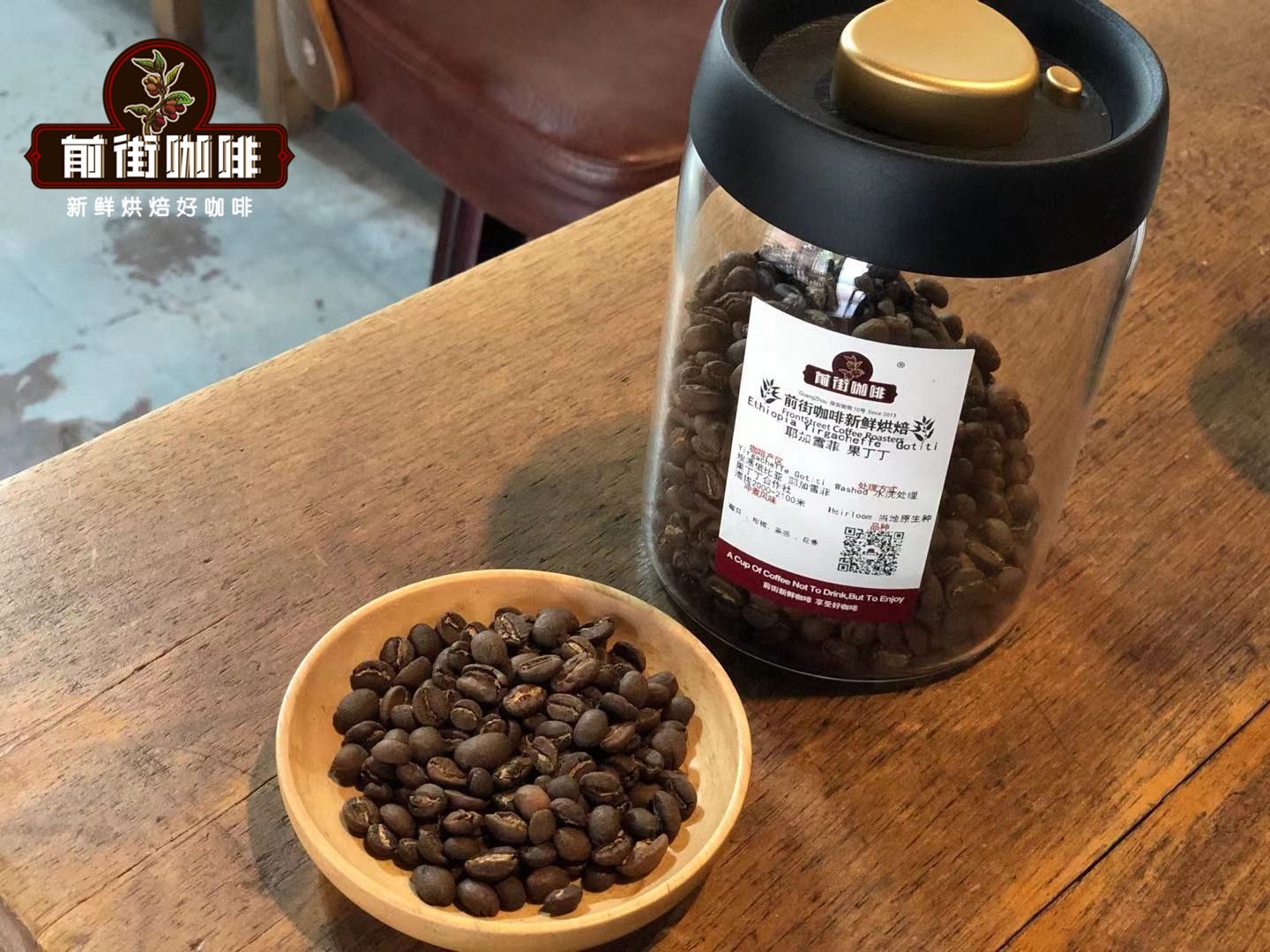
FrontStreet Coffee Yirgacheffe Gedeb
Region: Yirgacheffe, Ethiopia
Cooperative: Gedeb Cooperative
Altitude: 2000m-2100m
Variety: Local Heirloom
Processing Method: Washed
Sidamo
Sidamo lies in southern Ethiopia, extending east to the Arsi and Bale administrative regions and west to Gamogofa. Sidamo coffee is grown between 1400m and 2000m, and most of the region uses natural processing, which FrontStreet believes gives Sidamo beans their rich fruity aromas and smooth mouthfeel.
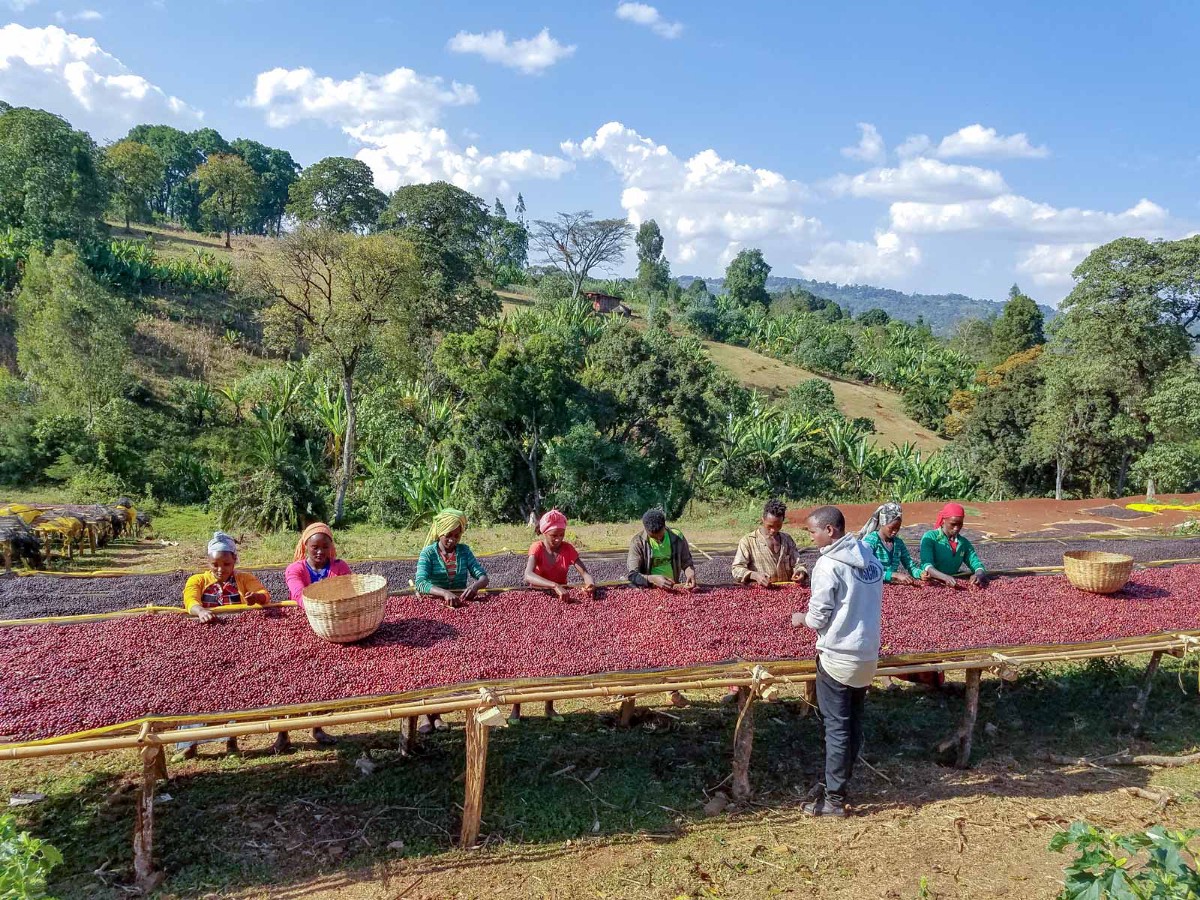
FrontStreet's Sidamo Arsi is naturally processed. It shows berry and honey aromas, with a jam-like sweetness spreading through the mouth on entry, plenty of sugar, nectarine in the finish, and a juice-like body — after cooling it becomes even more like a plum-and-nectarine juice.
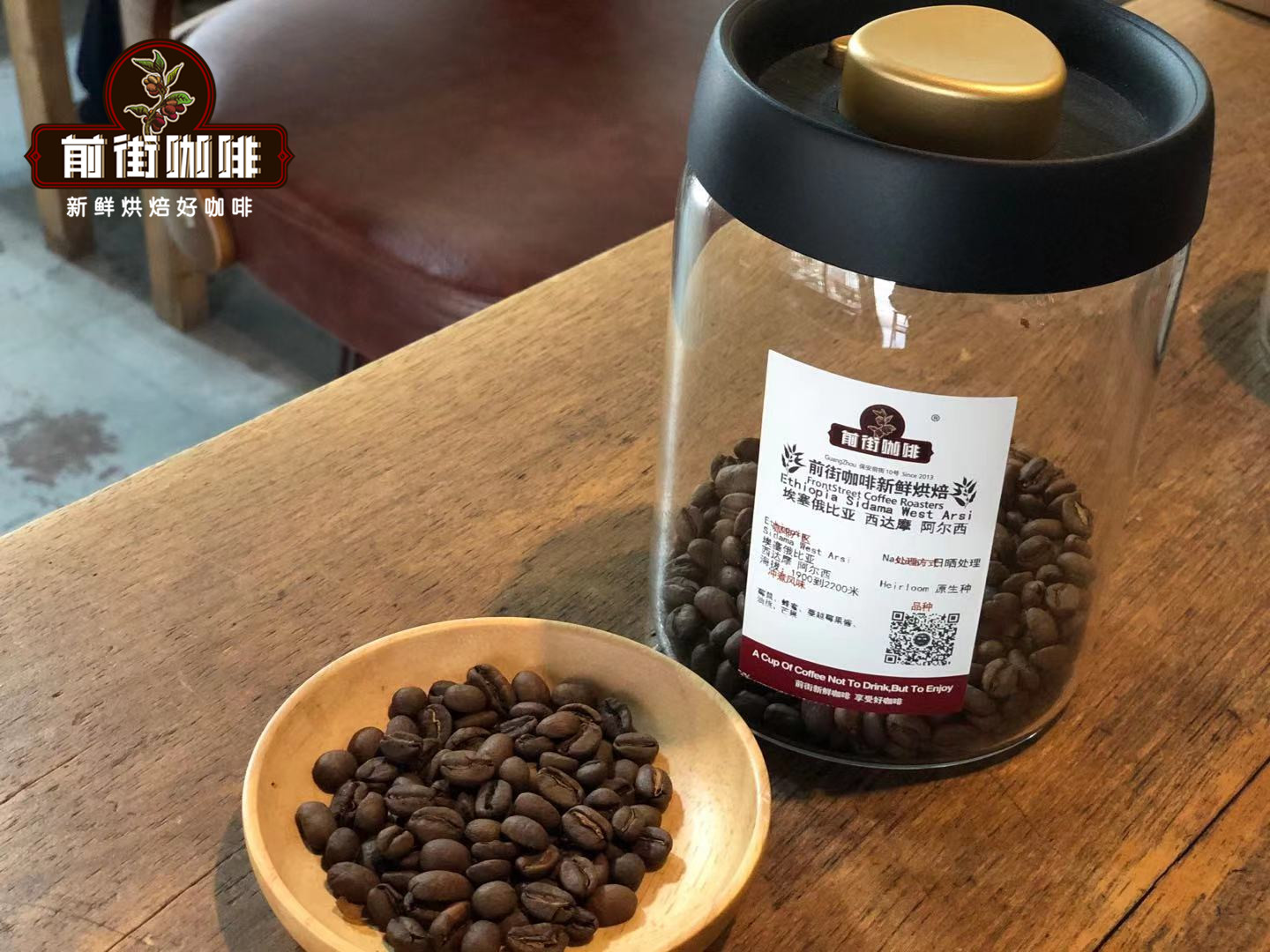
FrontStreet Coffee Sidamo Arsi
Region: Sidamo Arsi, Ethiopia
Altitude: 1900m-2200m
Variety: Local Heirloom
Processing Method: Natural
Kenya
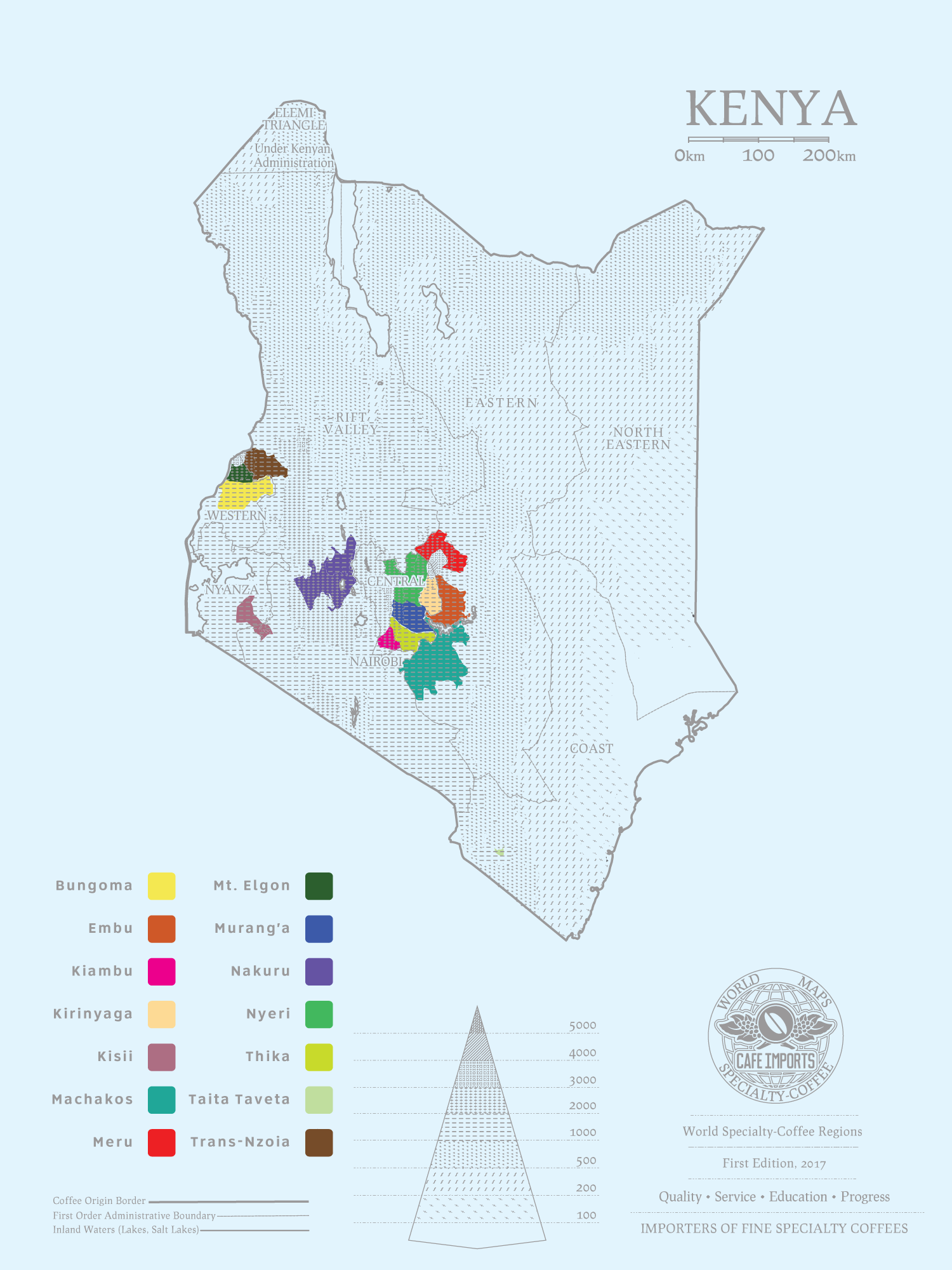
Kenya also sits in eastern Africa, with the equator running through the middle of the country and the East African Rift Valley stretching north to south. It borders Somalia to the east, Tanzania to the south, Uganda to the west, Ethiopia and Sudan to the north, and the Indian Ocean to the southeast. Most of the country is plateau at an average altitude of 1,500 meters.
After multiple cuppings, FrontStreet has found that Kenyan coffee offers bright fruit acidity and an excellent, full-bodied flavor — a berry-juice sensation that envelops the whole mouth, making it a favorite of many coffee connoisseurs.
Kenyan coffee is so outstanding, FrontStreet believes, mainly because of its phosphate-rich soil, unique bean varieties, and the region's distinctive post-harvest processing.
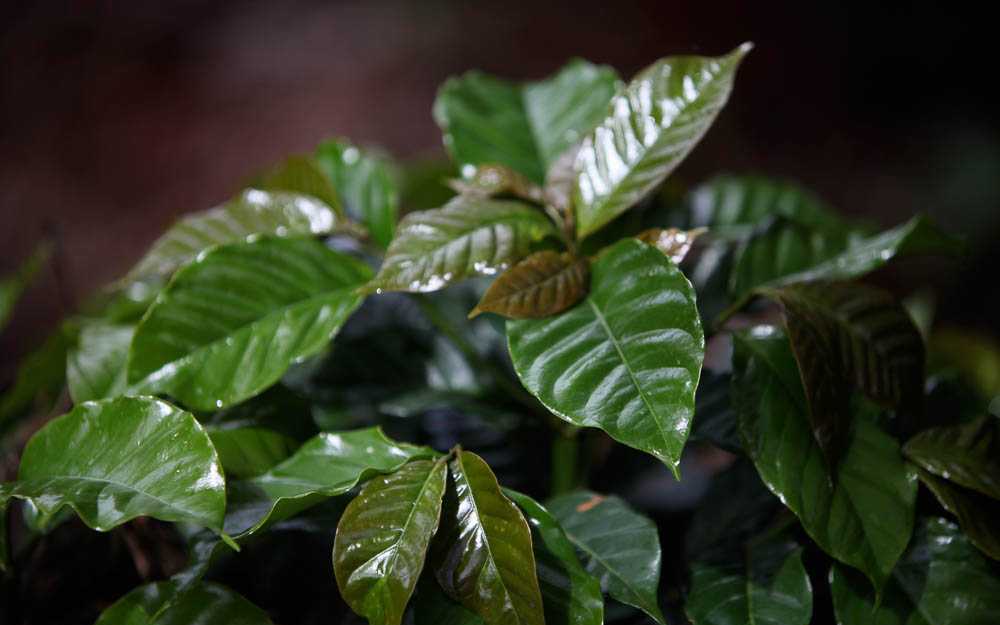
Coffee Bean Varieties
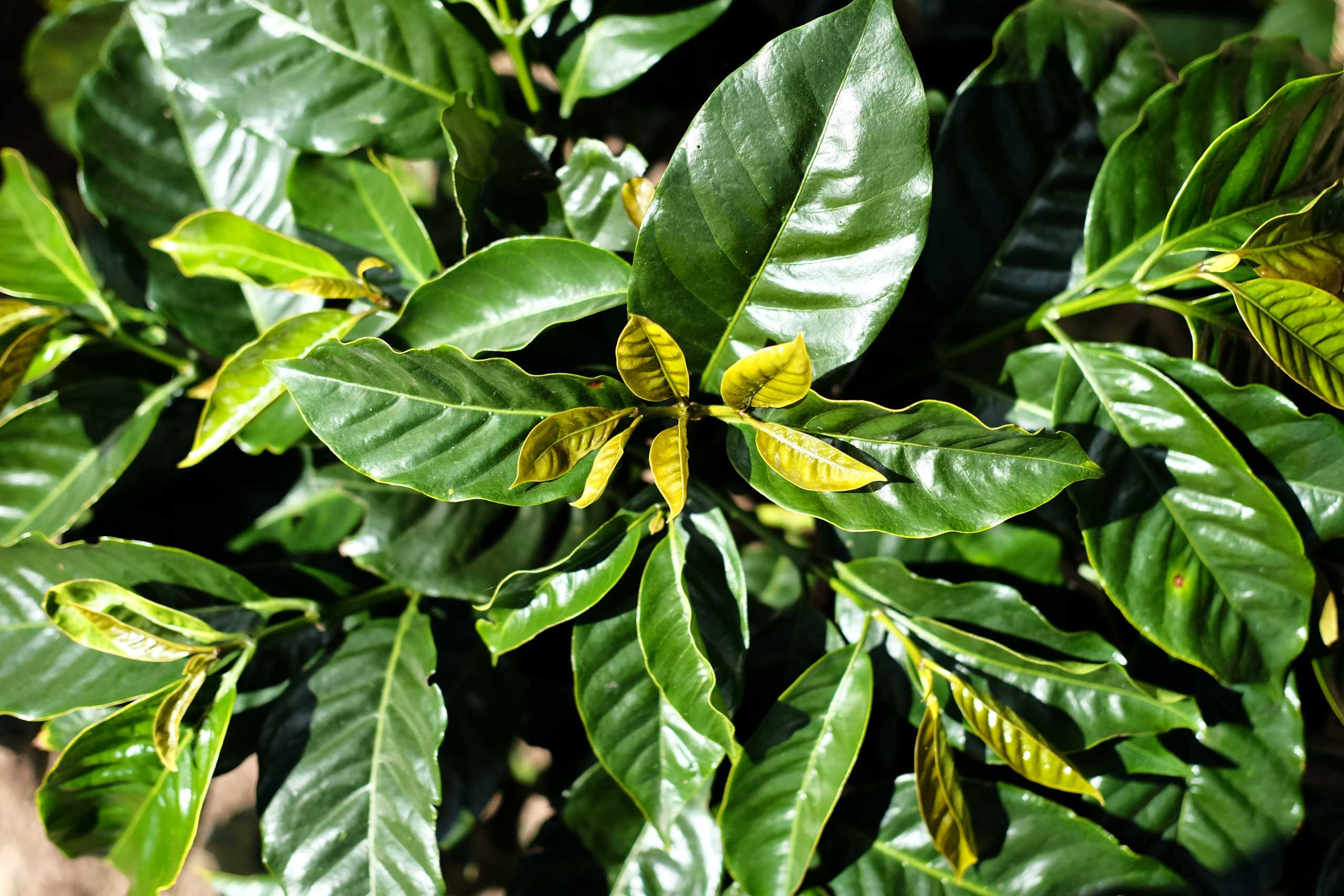
The main varieties planted in Kenya are SL28 and SL34, both developed by Scott Laboratories. FrontStreet's cuppings show the two taste similar, with complex, shifting berry acidity and a caramel-sweet aftertaste. SL34 has the heavier body, with acidity leaning toward blackberry and an overall sweet-sour balance; SL28 turns toward blueberry acidity with higher sweetness as the cup cools.
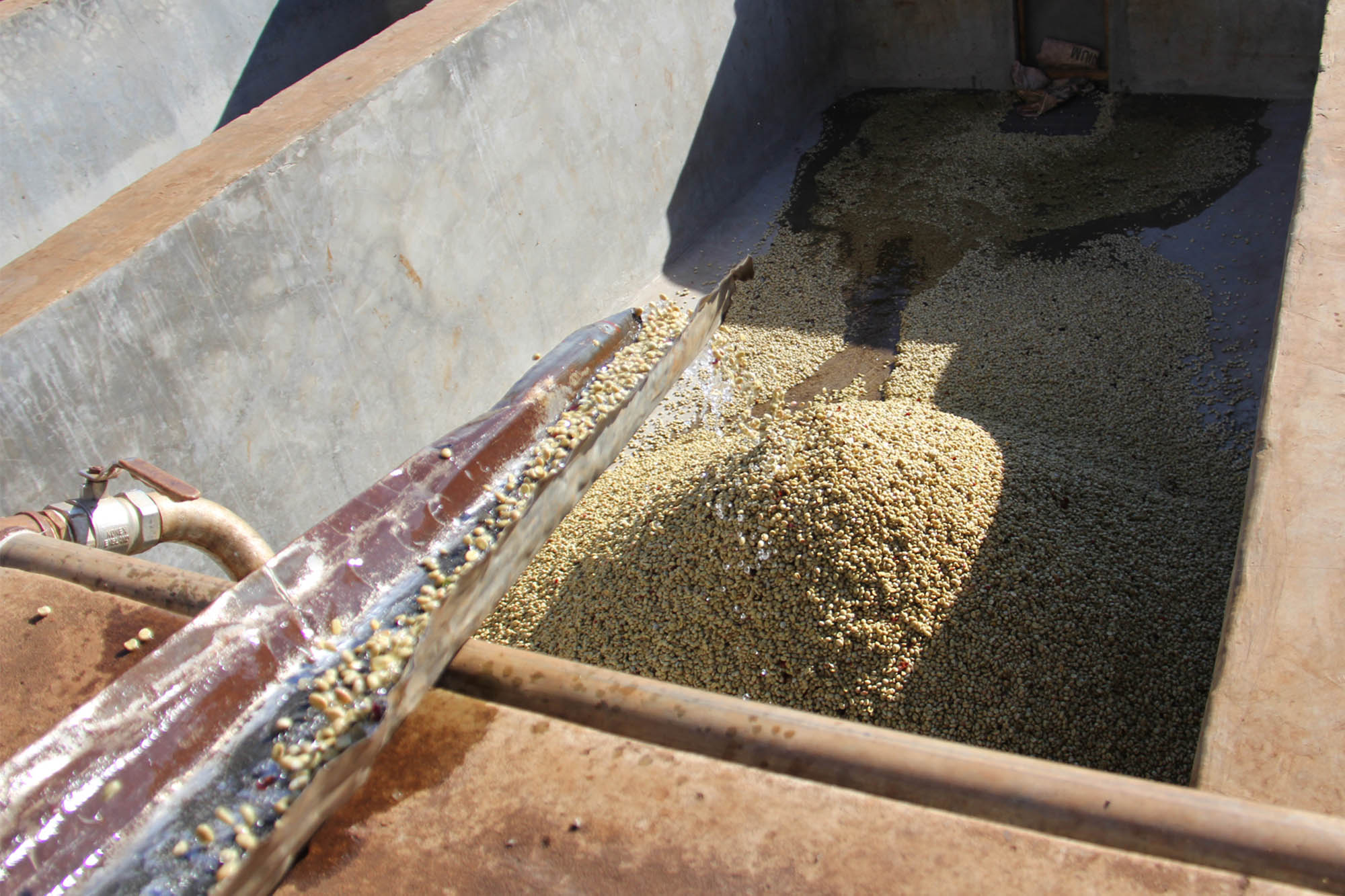
Kenyan K72 Washed Processing
K72 is an improvement on traditional washed processing — Kenya pioneered the cycle of fermenting and washing repeatedly. On harvest day the finest cherries are selected for pulping and fermented for 24 hours, then washed with clean river water. They are fermented again in fresh river water for another 24 hours and washed again. After this cycle repeats 3 times — 72 hours in total — the process is called the Kenyan 72-hour fermented washed method, abbreviated K72.
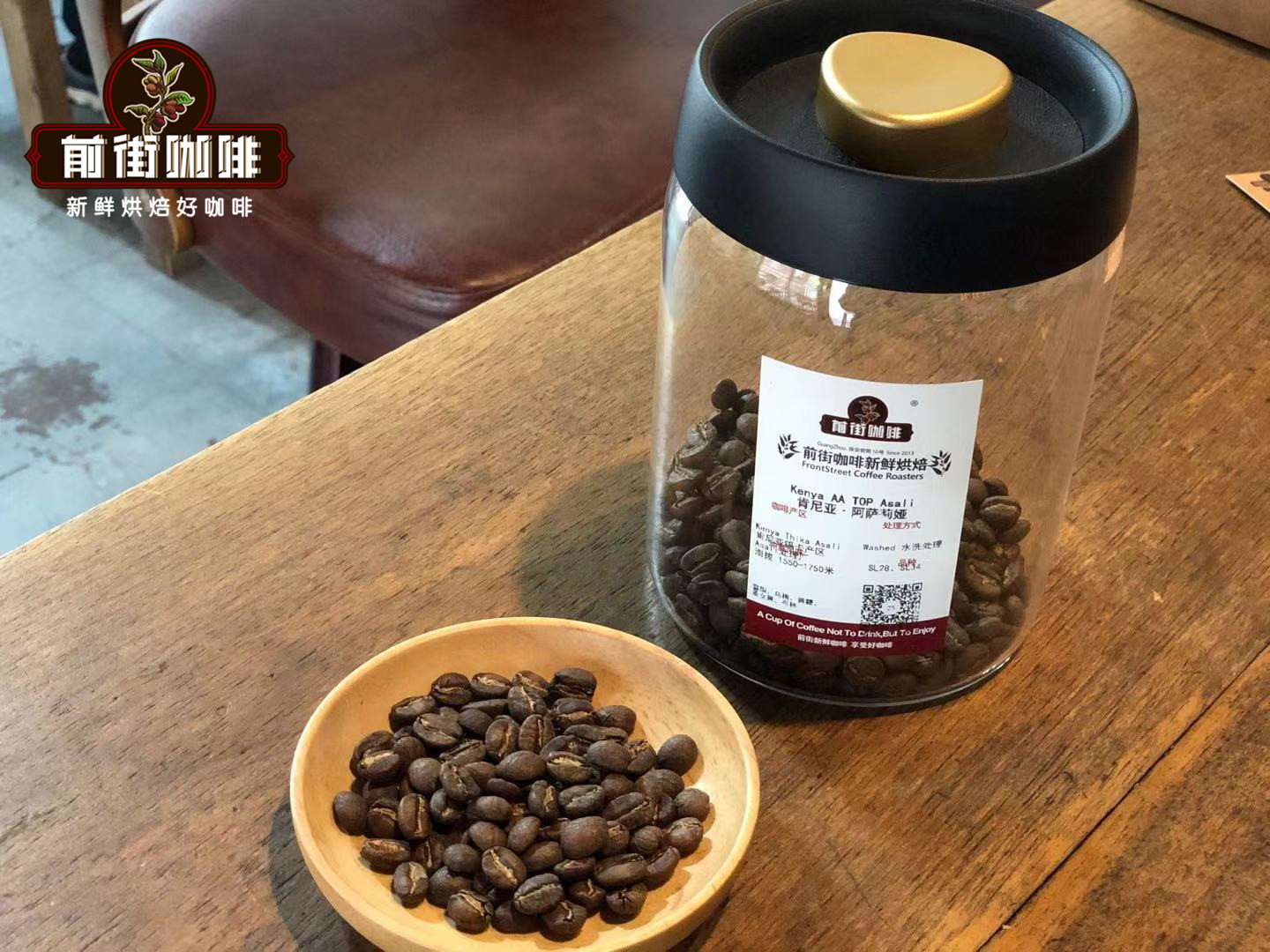
FrontStreet Coffee Kenya Asalia
Region: Thika, Kenya
Processing Plant: Asali Honey Processing Plant
Altitude: 1550m-1750m
Variety: SL28, SL34
Processing Method: K72 Washed
FrontStreet's Kenya shows mature tomato and floral aromas in the wet fragrance, with cherry tomato and black plum on entry, bright acidity, a clean and rich mouthfeel, prominent mid-palate sweetness with a juicy texture, and a finish of berry aroma, brown sugar sweetness, and green tea fragrance.
Costa Rica
If FrontStreet had to name the country whose coffee best represents sweetness, honey-processed beans would come up immediately. Most Costa Rican coffee is honey processed, and thanks to the word "honey" many beginners assume honey is added during processing. It is not — it refers to the coffee mucilage; honey processing is simply an umbrella term.
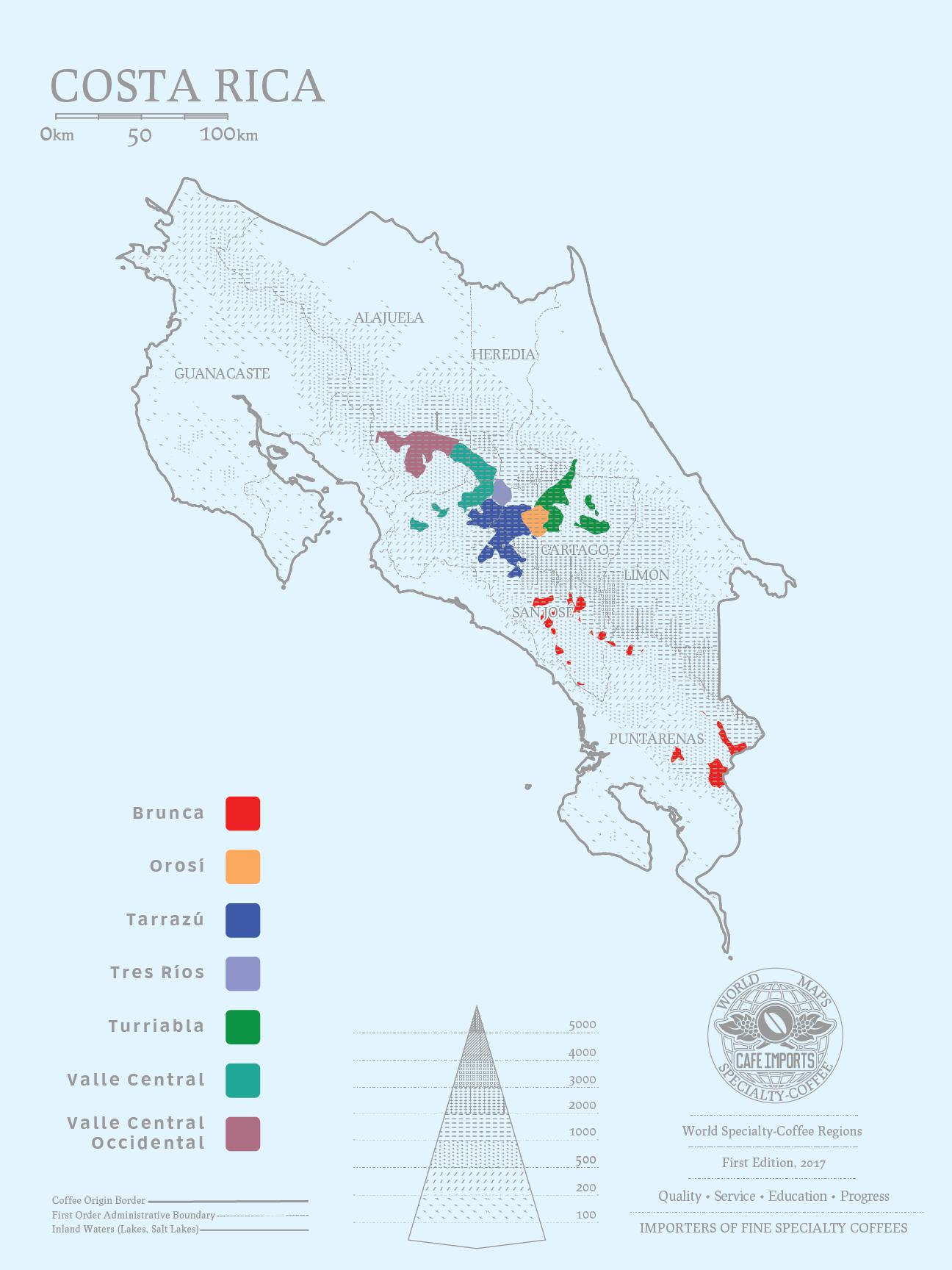
Costa Rica, in Central America, has fertile volcanic soil with good drainage — especially the Central Plateau, where rich volcanic ash, mild temperatures, and stable, abundant rainfall are essential ingredients for great coffee.
The Tarrazu region lies south of the capital San Jose and is one of the country's most important growing areas, world-famous in its own right. At 1,200-1,700 meters it produces hard, full beans with high acidity and smoothness, rich aromas — and, above all, the unparalleled mouthfeel that only high altitude creates.
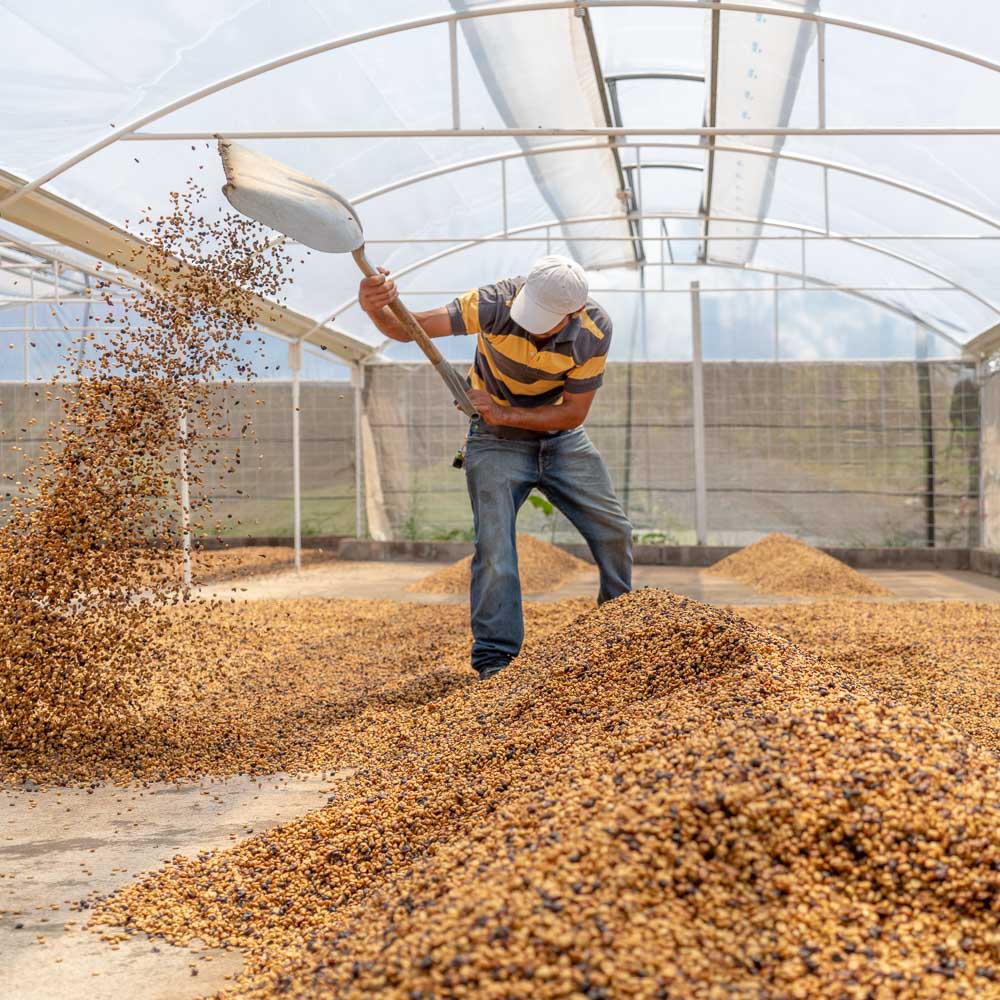
FrontStreet's Baha beans come from Tarrazu, grown at the Canet Estate and raisin-honey processed. Baha smells of rice-wine fermentation; on the palate it is sweet and sour with mature tropical fruit and berries, nut and cream flavors, caramel in the aftertaste, and faint florals in the finish.
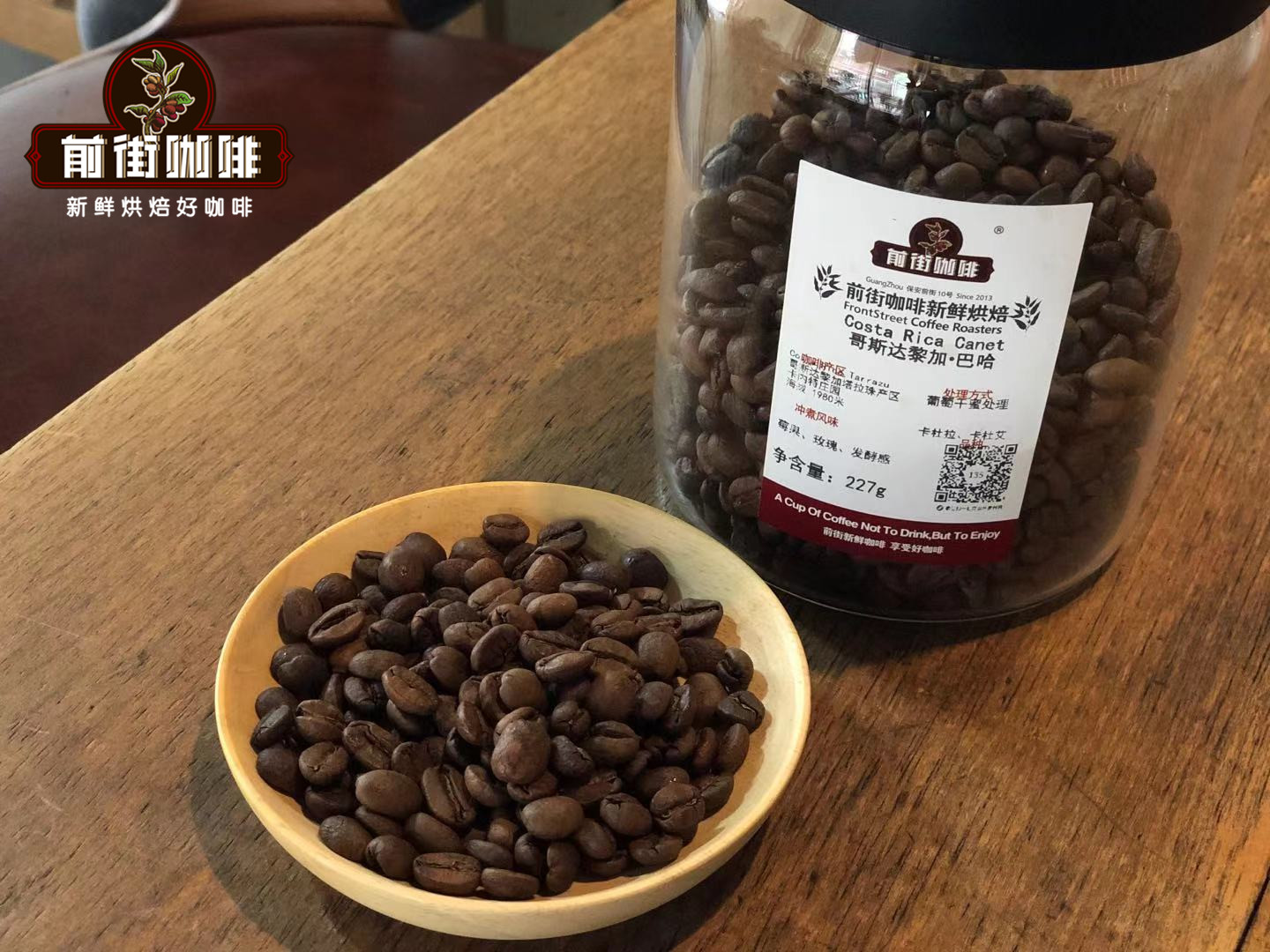
FrontStreet Coffee Costa Rica Baha
Region: Tarrazu, Costa Rica
Estate: Canet Estate
Altitude: 1980m
Variety: Caturra, Catuai
Processing Method: Raisin Honey
Brazil
Brazilian coffee is famously smooth on entry, thanks to sun-grown cultivation: the plants are exposed to sunlight for long periods, absorbing plenty of heat and maturing quickly. Because maturation is shortened, the beans absorb fewer substances and end up softer.
After cupping many Brazilian lots, FrontStreet found that beyond smoothness Brazilian coffee also shows low acidity, rich chocolate, and nutty sweetness — a classic nut-flavored coffee. FrontStreet's Brazil Queen Estate is exactly this: obvious sweetness with a faint lemon note, abundant nut flavors, clear dark chocolate in the later stage, and an overall round feeling — a bean that represents Brazilian coffee's signature traits while keeping its own lively character.
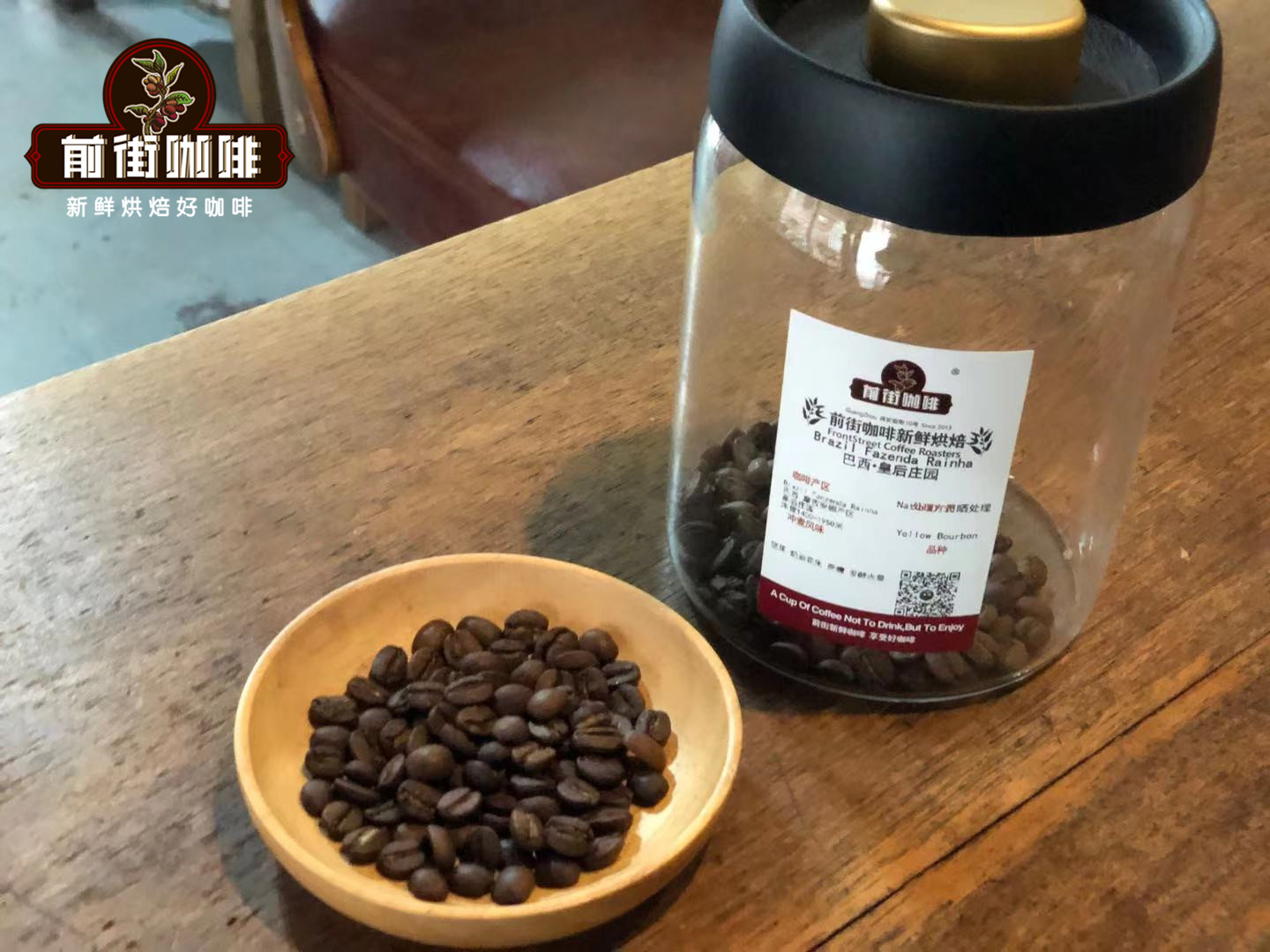
FrontStreet Coffee Brazil Queen Estate
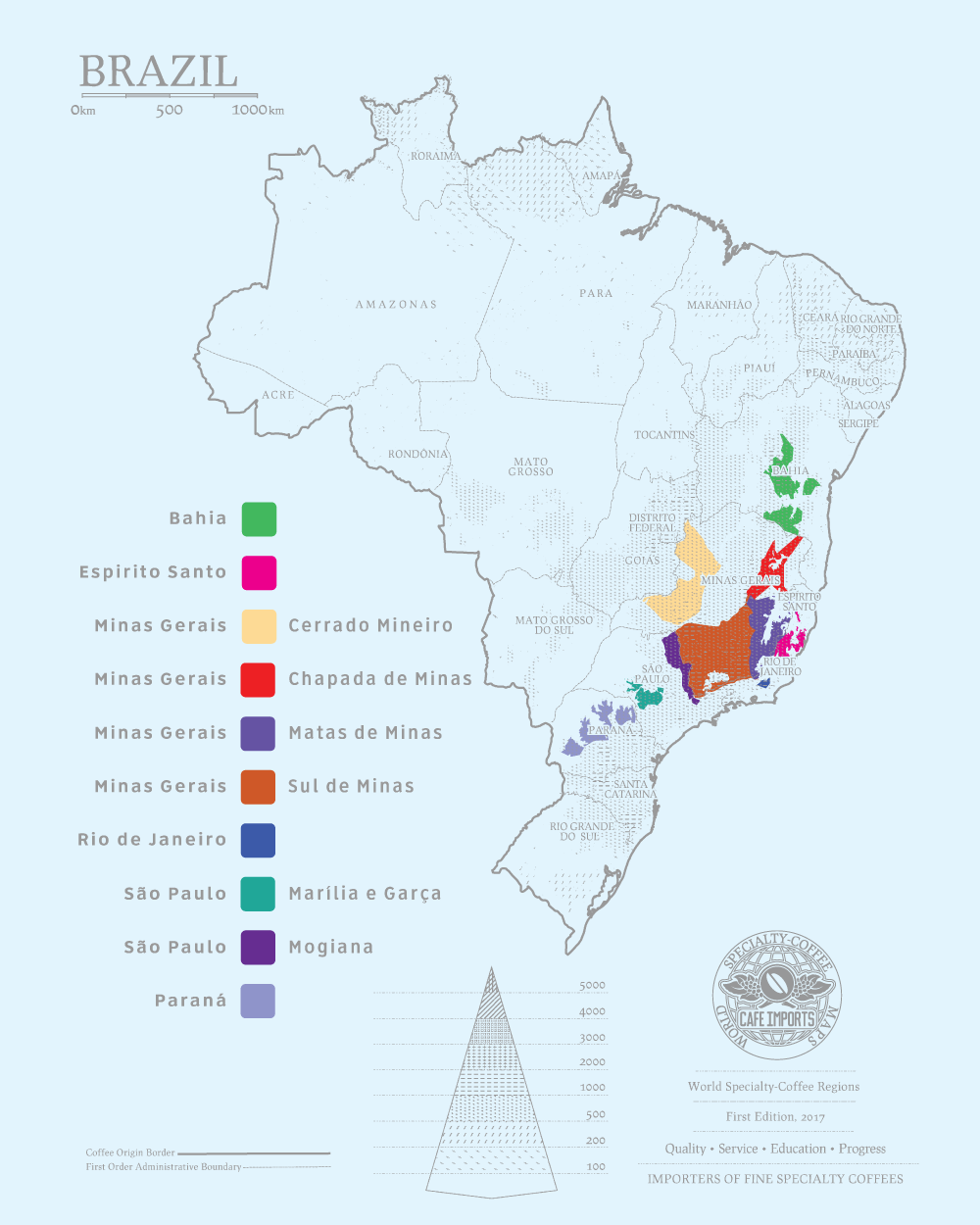
Region: Mogiana, Brazil
Estate: Queen Estate
Altitude: 1400m-1950m
Variety: Yellow Bourbon
Processing Method: Natural
Indonesia
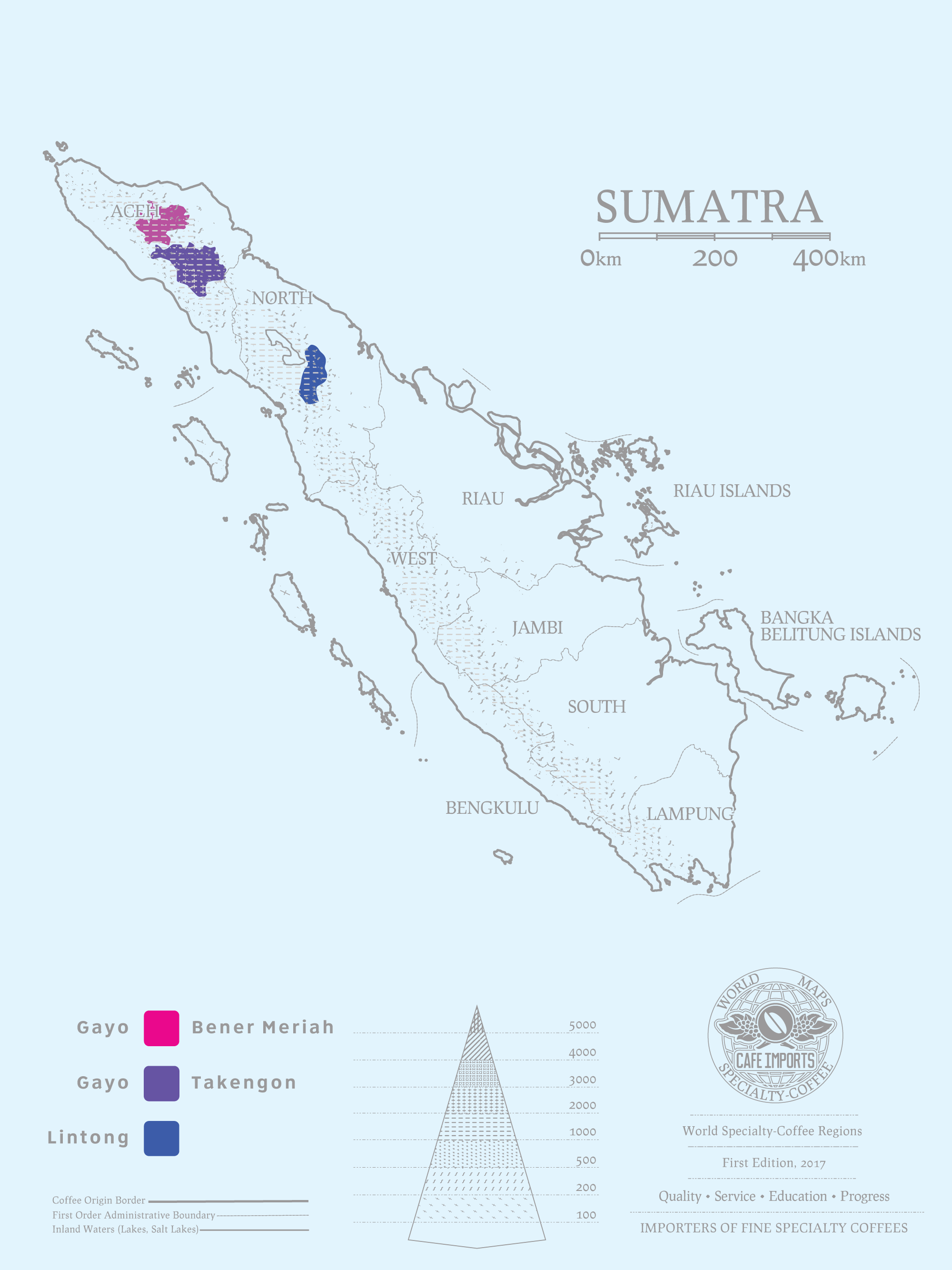
The coffee that best represents Indonesia, in FrontStreet's view, is Mandheling — and its flavor is inseparable from local processing. Variable weather and heavy rainfall, plus an economy that long could not afford washing equipment, gave rise to wet hulling. Wet hulling is a traditional Indonesian method, and despite the name it is entirely different from wet processing (washed coffee) — the two taste nothing alike. Wet-hulled coffee is typically mellow and intense, with a very distinct personality.
FrontStreet's Golden Mandheling is screened above 18 mesh with fewer than 3 defects per 300 g green sample — the highest G1 grade — dark green in color, flat-bean shaped and neatly formed. After strict sorting it lacks the earthy impurity flavors of ordinary Mandheling, tasting cleaner and brighter with stronger sweetness and aroma.
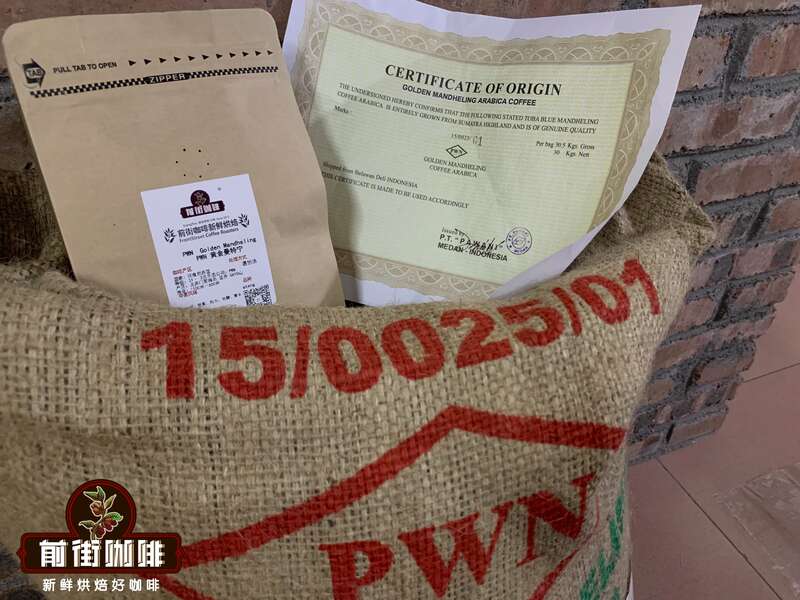
FrontStreet Coffee Indonesian Golden Mandheling
Region: Gayo Mountains, Aceh, Sumatra, Indonesia
Altitude: 1100m-1600m
Variety: Typica
Processing Method: Wet Hulling
FrontStreet Coffee Recommendation
If this world tour left you wanting to start with Ethiopia, begin with the FrontStreet Washed Yirgacheffe everyday lot — the most classic entry point to the region. It is known for white jasmine, bright citrus-lemon acidity, and a tea-like finish, and its friendly price has made it many people's first specialty bean. Yirgacheffe itself is a small town in southern Ethiopia, at roughly 1700-2100 meters, with coffee grown above 1800 m — among the highest coffee regions on Earth. Its instantly recognizable white florals and lemon-citrus acidity made the name so famous that in 2010 Ethiopia's commodity exchange split it from Sidamo as a standalone region.
For a step up, try the FrontStreet Washed Gedingding (Worka) Cooperative lot from the southeast corner of Yirgacheffe. The town is really a mosaic of small villages, and Gedingding — once part of a YCFCU member cooperative — was "rediscovered" by coffee hunters as a single-origin community. Washed the traditional way, it carries fresh, bright citrus-lemon acidity and jasmine fragrance with no traditional bitterness, all at a budget-friendly price. If you prefer naturals, the FrontStreet Red Cherry uses only fully ripe, all-red cherries dried whole on raised beds, turned every 2-3 hours in the early days to prevent uneven fermentation, then sun-dried for three to five weeks. The result keeps classic Yirgacheffe character while adding tropical fruit: citrus acidity, berry juiciness, honey sweetness, and a creamy smoothness.
Brewing suggestion: V60, 90-91°C, 15 g of coffee, 1:15 ratio, grind to about fine granulated sugar (80% through a #20 sieve). Pour 30 g of water to bloom for 30 seconds, then pour to 125 g in about one minute; once the water level drops to two-thirds of the coffee bed, pour the remaining 100 g up to about 225 g, finishing the pour around 1:35. Drainage completes at roughly 2:00-2:10 — remove the dripper and enjoy.
Important Notice :
FrontStreet Coffee is a long-established specialty coffee roaster in Guangzhou China, selling freshly roasted beans from its own farm in Yunnan as well as dozens of carefully selected single-origin beans from around the world for both pour-over and espresso. The products deliver consistently excellent quality and great value, with shipping within 24 hours. Guangzhou's FrontStreet Coffee shop is recommended by many coffee lovers, and the beans are now available online at the Tmall 。
FrontStreet Coffee has moved to a new address:
FrontStreet Coffee Address: 315,Donghua East Road,GuangZhou
Tel:020 38364473
 Scan and follow the En Gafei WeChat official account. Please indicate that the reprint comes from "En Gafei".