What Hinders Coffee Extraction? Coffee Extraction Principles and Applications
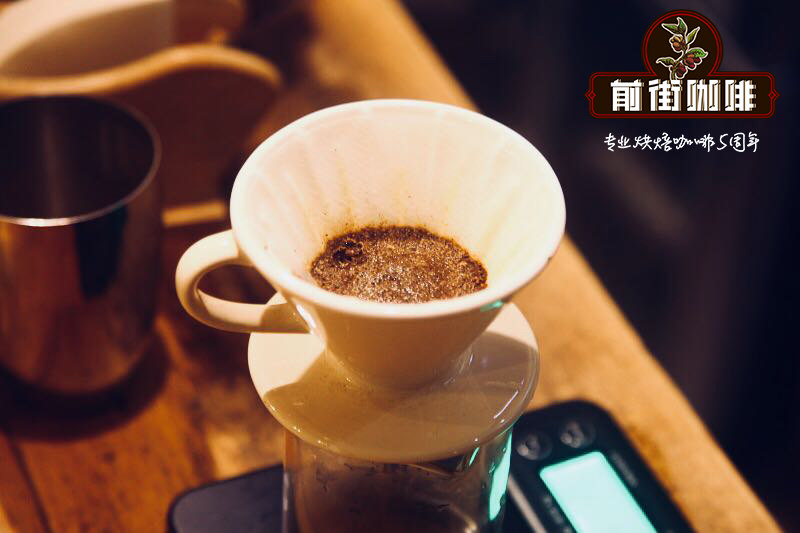
The most frustrating part of making coffee is figuring out how to extract it better. Whether you pull espresso or brew pour-over, extraction is the first thing on every barista's and enthusiast's mind. So what actually gets in the way of a good cup?
Espresso Extraction
On espresso extraction, FrontStreet Coffee has covered the basics before: watching for clumps in the grounds, filling gaps when distributing the coffee, tamping evenly, and knowing how to make adjustments. Yet even with all that handled, pressure extraction sometimes still runs unstable and the cup quality drifts. Why?
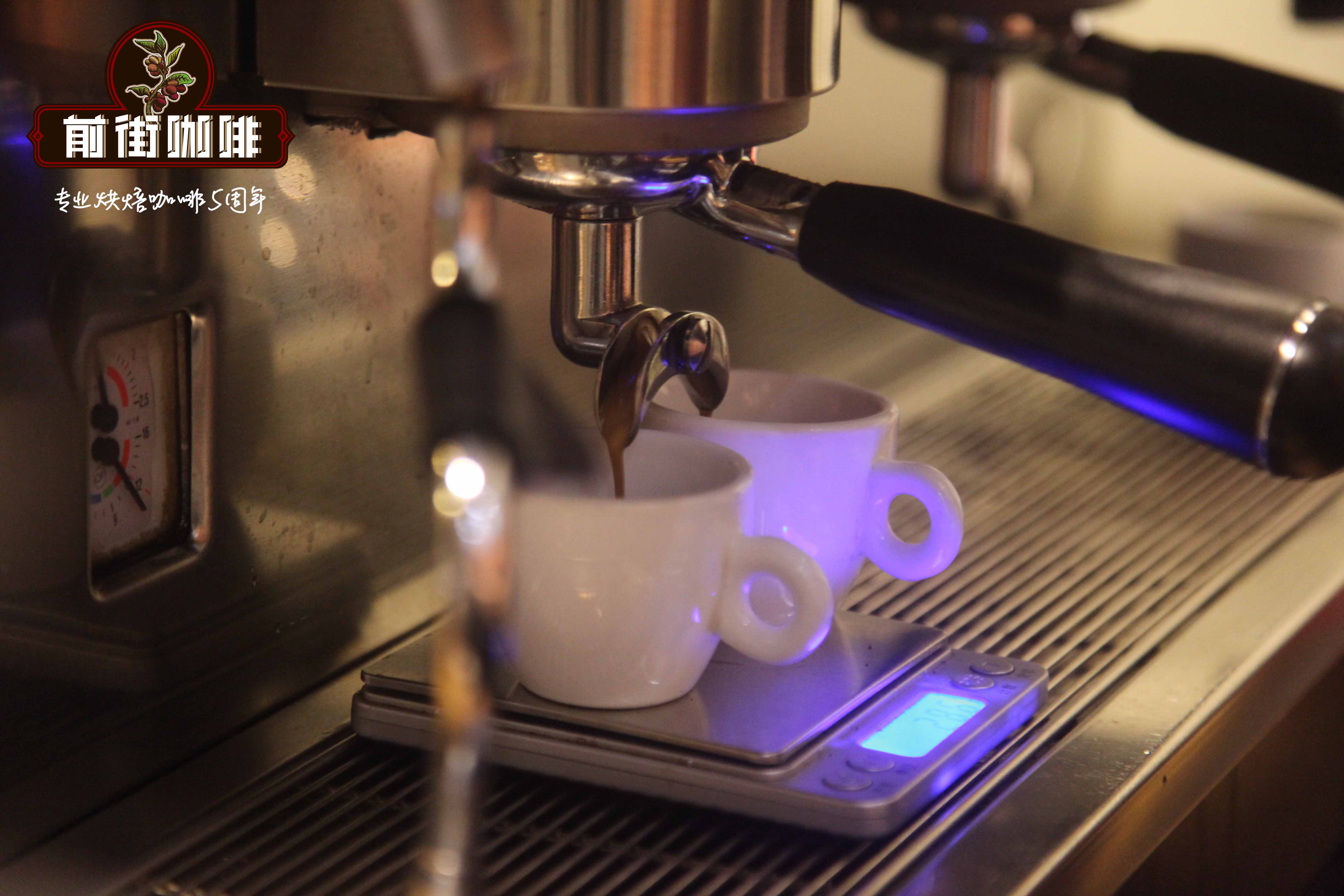
1. Are you paying attention to your coffee machine?
With a high-end espresso machine, many of these problems never appear. But plenty of standard commercial models perform on luck. Even if the machine's components are imported, poor assembly can sabotage the espresso. I once used a commercial machine where the distribution copper block inside the brew head had been fitted improperly, so water "leaked sideways." I compensated by dosing extra coffee on the side with the stronger flow each time I filled the portafilter to balance the extraction — a temporary patch at best. That machine, not technique, was what stood between us and proper espresso.
2. Your tamper
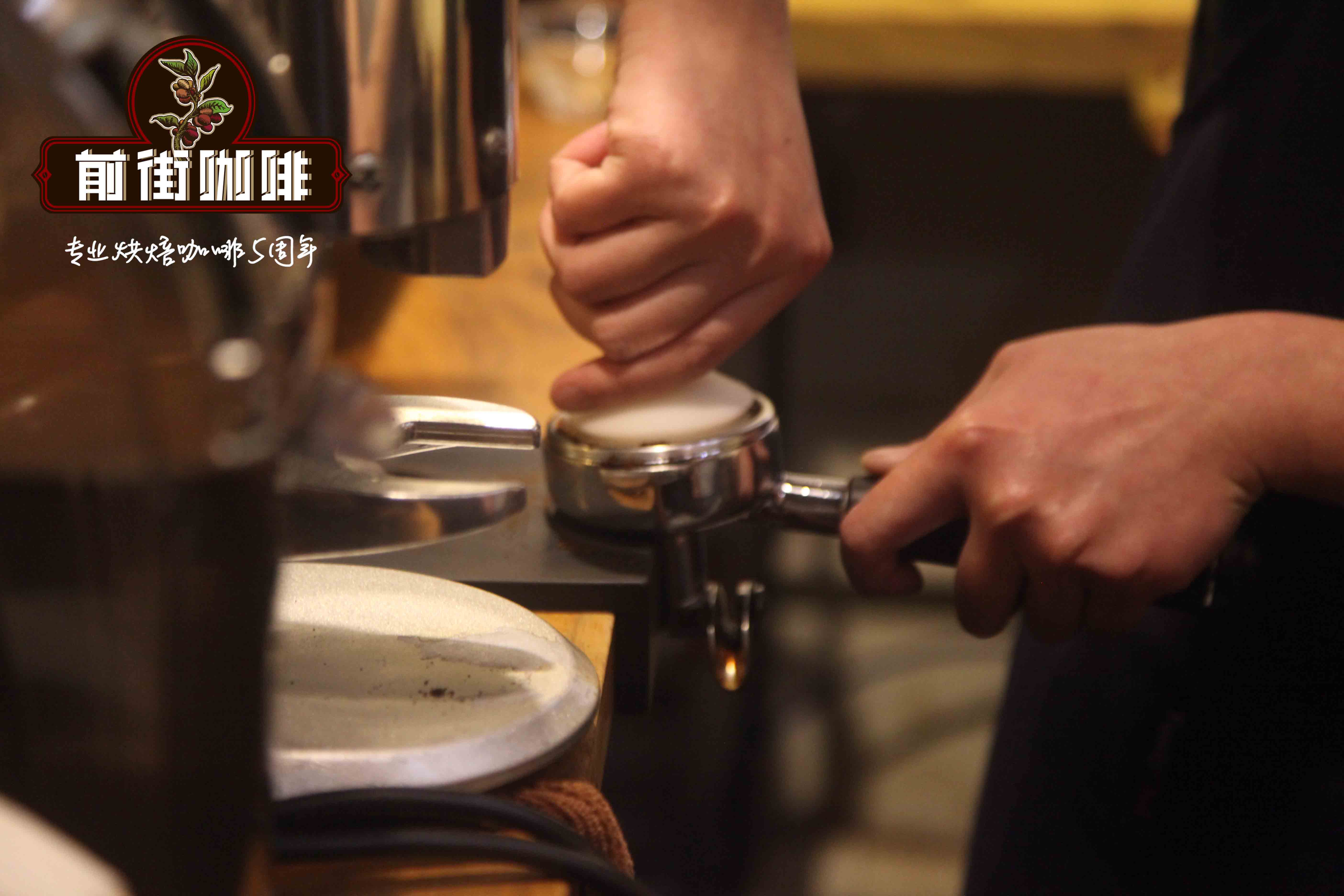
The tamper is your tool for compressing the grounds, calibrated or traditional. But tampers are not necessarily ready to use out of the box — including the one bundled with your machine. Look at the photo below:
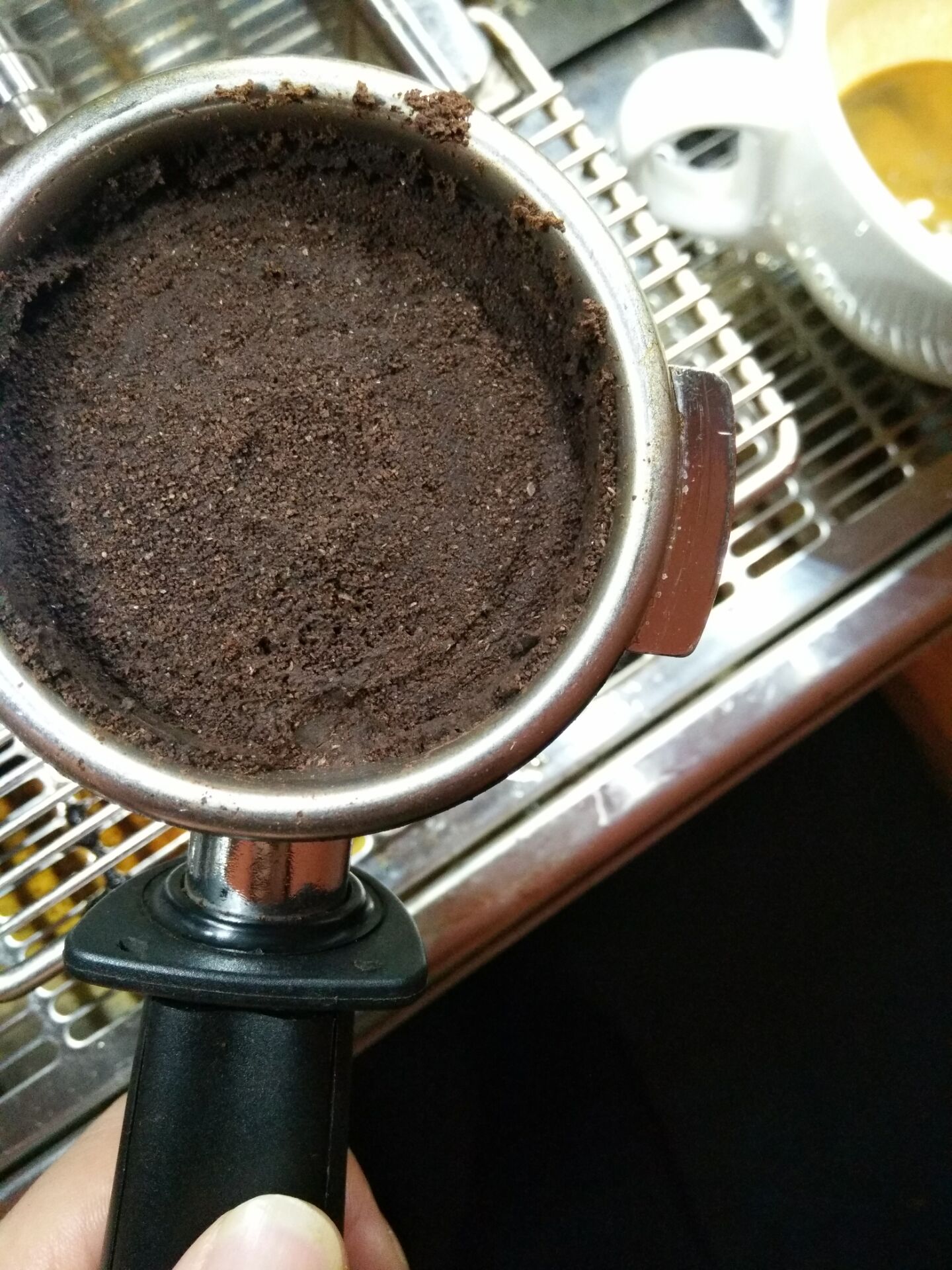
Seeing indentations from over-dosing is one issue, but the real problem here is that the tamper doesn't match the basket — you can tell from the ring of loose grounds around the outer edge. Most baskets on the market are nominally 58mm, yet slight variations in actual diameter, or simply buying a tamper that doesn't quite fit your basket, leave some grounds uncompressed at the rim. That patch of loose coffee is an easy route to over-extraction.
3. Pressure
The 9 bar displayed on most machines is actually boiler pressure, not the pressure reaching the coffee puck during extraction (only some high-end machines measure the latter). Cheap manufacturing can also make a machine "spray" at first — pressure spike — then fade to a weak trickle seconds later. If your espresso often starts at a normal flow rate and then suddenly pales or the column wobbles, and you've ruled out technique, suspect the machine's water pressure output.
Pour-over Extraction
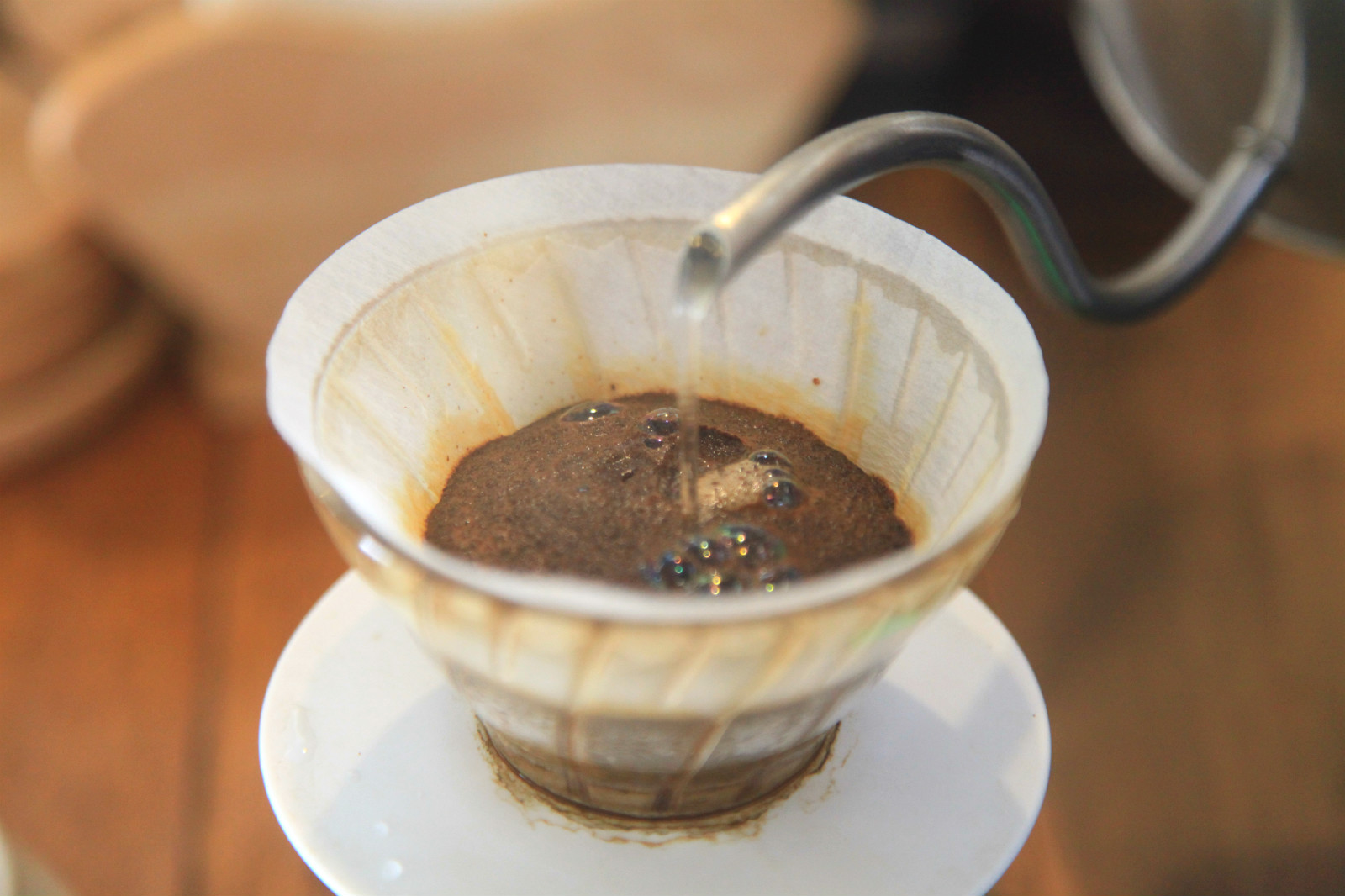
Even, complete extraction is the heart of pour-over. It is a "framework" I carried over from making espresso, and it helps me see exactly what can sabotage a pour-over.
1. How well is your coffee ground?
We have reference points (granulated sugar) and data (calibration sieves), but the truest measures of a grinder are the uniformity of its grounds and the percentage of fines. Many of us use budget "ghost tooth" hand grinders, and — manufacturing tolerances being what they are — the grind settings a bean supplier recommends rarely transfer cleanly to our machines. Even dialing in on your own grinder, you can still hit flow that runs too fast or too slow, or fines that choke the drawdown. Going coarser fixes a slow flow on paper, but the fines are still there and the uniformity gap only widens, leaving the bed extracting even more unevenly. The coffee will not taste good, no matter the recipe.
2. Filter paper
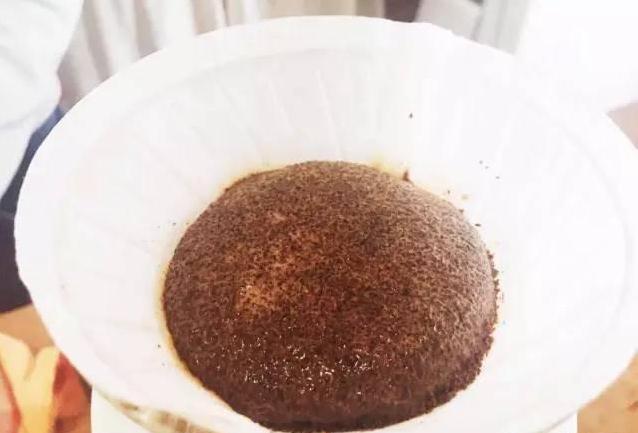
Filter paper raises two questions: material, and whether to rinse it. Old-school raw wood-pulp papers carried a papery woody taste, while some white papers were brightened — historically with fluorescent agents — to look more appealing, so rinsing became habitual. But do today's high-quality pure white papers still need it? My view: if you want to rinse, just moisten the paper lightly rather than flushing it with torrents of water. Filter paper is wood fiber, and heavy rinsing alters its permeability. Worse, a waterlogged paper hands its moisture straight to the dry grounds the moment they touch — extraction begins prematurely, unevenly. If you're worried a paper is "unclean," switching brands beats scrubbing it.
3. Time/coffee-to-water ratio
Time and ratio matter, obviously — which is exactly why so many brewers obsess over the numbers and forget the extraction itself. Ask yourself honestly: while pouring, do you watch the water moving through the coffee bed, or do you stare at the scale and timer? Beginners do need time and dose targets to practice against, but if you're constantly thinking "at this moment the water should be at this many grams," you're over-fixating, and it will shake your pour. Picture this: you're circling the outer edge of the bed when you notice you've hit your target ratio and swing back to the center for the final pour. That sudden jerk from edge to center disrupts the bed — and with it, the evenness of the extraction.
Mindset in Coffee Extraction
Finally, one factor that hinders extraction in both espresso and pour-over: mindset. We tend to assume things "are just so" and act accordingly — espresso bitter? grind coarser. Pour-over sour? drop the water temperature a little. None of that is wrong, but extraction is a system where moving one part moves the whole: change one variable and the others shift with it. Adjusting a single parameter while pretending the rest stay fixed is simply not how it works. Especially in pour-over, we advocate watching the coffee itself so you can adjust continuously toward better extraction — rather than brewing coffee with "correct" numbers.
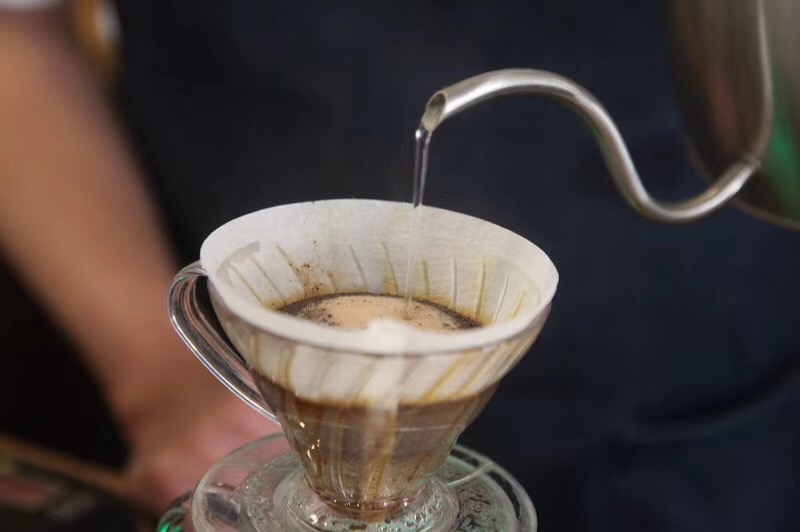
Watch the coffee, keep an open mind about the variables, and adjust dynamically. Every change exists to hold quality steady. Do that, and the things that once hindered your extraction become stepping stones to getting better.
FrontStreet Coffee Recommendation
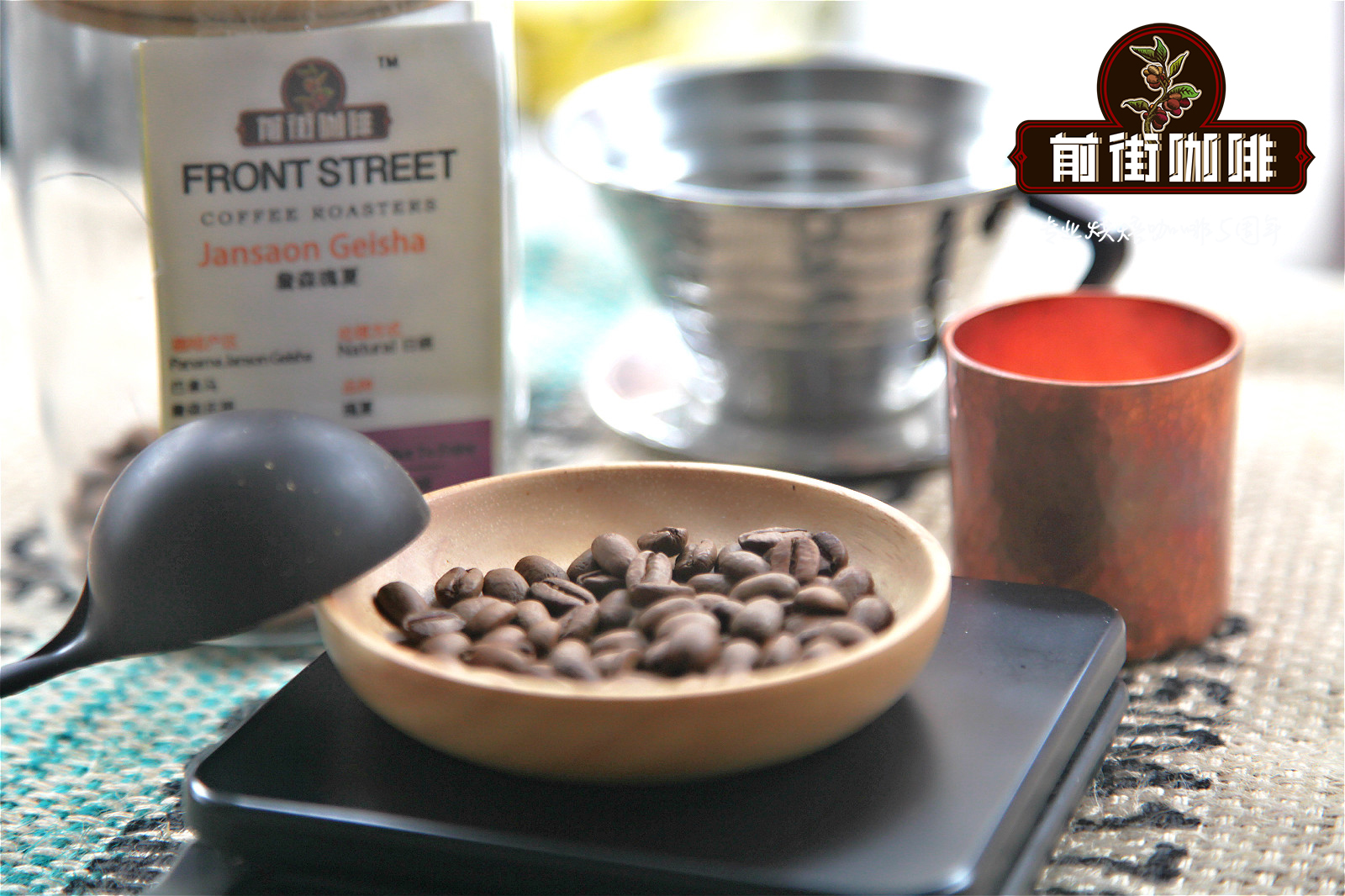
Fixing your extraction only pays off with beans worth extracting, and few beans reward good technique like Geisha. Named from the English "Geisha," it is one of the most beloved Arabica varieties, famous for unique florals and superb sweet-sour balance — and equally famous for high prices, driven by low yield, weak disease resistance, and demanding cultivation. Panama is where Geisha made its name: discovered by Hacienda La Esmeralda and entered into the Best of Panama competition in 2003, it stunned the judges, averaged 94.6 points to break the competition's record, and became an overnight sensation. For the top expression, FrontStreet Coffee carries Esmeralda's Red Label ("Esmeralda Special" — grown at 1600-1800 meters, each batch cupping above 90 points, each lot drawn from a single named plot) and the more affordable Green Label ("Private Collection," a blend of multiple high-altitude plots). Beginners should start with the entry-level Panama Boquete Geisha, which delivers the classic orange-blossom honeyed character, oolong tea-like texture, and delicate fruit acidity at a friendly price. If you'd like to taste Geisha at its birthplace, Ethiopia's Granana Gesha Estate lot — natural-dried for 14-20 days on raised beds and roasted medium-light — shows bright citrus acidity, elegant ginger-flower aroma, and full ripe-fruit sweetness. To brew any of them: grind to 78% pass-through on a #20 sieve (fine-granulated-sugar size), use 91°C water, 15 grams of coffee in a Hario V60 at 1:16, in three pours — 30 grams to bloom for 30 seconds, then to 125 grams, then to 225 grams — for a total extraction of about 2 minutes 10 seconds to 2 minutes 20 seconds.
Important Notice :
FrontStreet Coffee is a long-established specialty coffee roaster in Guangzhou China, selling freshly roasted beans from its own farm in Yunnan as well as dozens of carefully selected single-origin beans from around the world for both pour-over and espresso. The products deliver consistently excellent quality and great value, with shipping within 24 hours. Guangzhou's FrontStreet Coffee shop is recommended by many coffee lovers, and the beans are now available online at the Tmall 。
FrontStreet Coffee has moved to a new address:
FrontStreet Coffee Address: 315,Donghua East Road,GuangZhou
Tel:020 38364473
 Scan and follow the En Gafei WeChat official account. Please indicate that the reprint comes from "En Gafei".