Brazilian Coffee Regions: Minas Gerais Coffee Estate Cultivation and Flavor Characteristics
Brazil: The World's Largest Coffee Producer
Brazil is the world's largest coffee producer, accounting for roughly 30% of global coffee output. But because Brazil sits in the tropical rainforest zone with relatively flat terrain and few high mountain forests, most coffee grows in low-altitude, non-volcanic soil areas with little tree shade. That brings drawbacks: Brazilian beans grow fast, are large but low in density, and offer limited flavor variation. On top of that, large-scale mechanical harvesting collects cherries of vastly different ripeness at the same time, so Brazilian coffee long remained in the commercial-grade category.
After 2000, spurred by coffee competitions, the beans from the high-altitude regions of the south earned recognition. Farms around the Minas highlands in particular became dominant, leading in both quality and quantity — Cerrado in western Minas, Matas de Minas in the east, small farms in northern Bahia and the south. Minas has practically become synonymous with Brazilian specialty coffee.
In recent years, competitions have been divided more precisely by processing method (washed, semi-washed, honey, natural), encouraging all kinds of flavors, textures, and aftertastes that differ completely from traditional Brazilian profiles. Honey and natural methods perform especially well, adding clean, low-acidity fruit aromas while softening the heavy chocolate notes.
Minas Gerais has almost become synonymous with Brazilian specialty coffee, and in recent years it has showcased the unique character of Brazilian beans through these different processing methods.
Brazilian Coffee Regions Overview
Population: 201,033,000 people
Brazil grows many different coffee varieties, several of which were developed or evolved here, including Mundo Novo, Yellow Bourbon, Caturra, and Catuai.
Minas Gerais
Located in southeastern Brazil, Minas Gerais holds several of the country's highest mountain ranges, providing the altitude coffee needs.
Coffee regions, coffee varieties, coffee beans, Brazilian regions, coffee training
CERRADO
The word Cerrado means tropical savanna. Although the term can refer to the vast grasslands stretching across several Brazilian states, for coffee it specifically means the Cerrado region in western Minas Gerais.
This is a relatively new coffee-producing area, and perhaps for that reason it consists mainly of large-scale, mechanically harvested farms. Over 90% of coffee farms in this region exceed 10 hectares.
SUL DE MINAS
This region has traditionally supplied most Brazilian coffee, and it is home to many smallholder farmers who have passed their farms down through generations — which is perhaps why cooperatives flourish here.
Although small-scale production is common, the region also has many quite industrialized areas using mechanical harvesting. Several areas have recently drawn attention, including Carmo de Minas: this municipality around the village of Carmo has many producers making excellent use of the local soil and climate to produce outstanding coffee.
Brewing Recommendations from FrontStreet Coffee
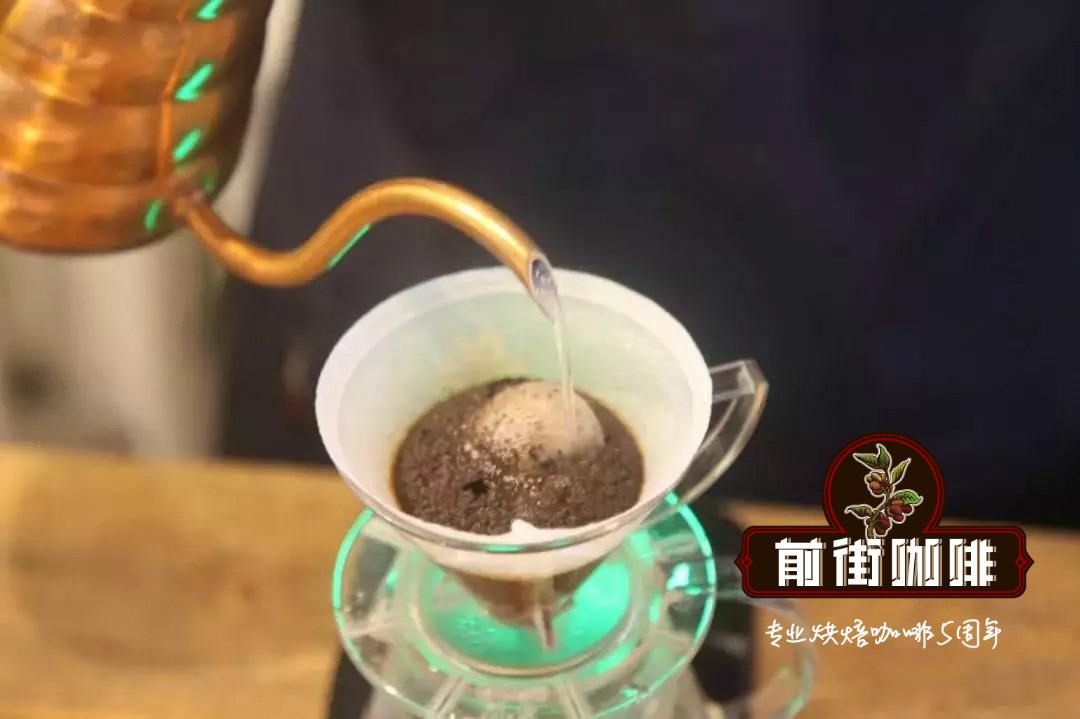
FrontStreet Coffee recommends the following parameters for brewing Brazilian Minas Gerais beans:
Recommended brewing method: Pour-over
Dripper: KONO dripper
Water temperature: 86-88°C
Grind size: Medium, similar to sugar granules
Coffee-to-water ratio: 1:13-1:14
Extraction time: Around 1 minute 50 seconds
Extraction technique: Segmented extraction.
Use 17g of coffee. First, bloom with twice the coffee's weight in water (34g) for about 30 seconds — the bloom is done once the coffee bed begins to dry. Pour in circles with a gentle, generous flow until you reach 120-130g, then pause. When the water level drops and is about to expose the coffee bed, pour again up to about 221g to finish. When the level drops once more to just above the bed, remove the dripper.
FrontStreet Coffee Recommendation
Brazilian beans, with their moderate acidity and beautiful balance of sweet, bitter, and body, suit medium roasting perfectly — the toasted nut aromas practically leap out of the bag. If you just want a taste of Brazil, FrontStreet Coffee's semi-washed Cerrado Red Bourbon is the classic pick: a medium roast brings creamy peanut, toast, caramel, and hazelnut aromas, with a round, non-acidic body and a light bitter note. It works as pour-over, and just as well in a moka pot, as espresso SOE, siphon, or French press.
For something more distinctive, try FrontStreet Coffee's Queen Estate Yellow Bourbon from Mogiana, near southern Minas, where fertile red volcanic soil feeds the cherries into full, rich aroma. Yellow Bourbon is a rare mutation of Red Bourbon with a cleaner fruit character — brewed by pour-over, moka pot, or home machine, it reveals a sugarcane sweetness you won't find in other origins, alongside fruit and chocolate notes.
Brazil's low acidity and balance also make it the backbone of many espresso blends. FrontStreet Coffee's Classic Blend, boutique blend, and Black Cocoa Blend — all barista favorites — contain Brazilian components that contribute chocolate and cream aromas plus gentle sweet-tart-bitter balance, and that even profile helps extraction stay stable.
Important Notice :
FrontStreet Coffee is a long-established specialty coffee roaster in Guangzhou China, selling freshly roasted beans from its own farm in Yunnan as well as dozens of carefully selected single-origin beans from around the world for both pour-over and espresso. The products deliver consistently excellent quality and great value, with shipping within 24 hours. Guangzhou's FrontStreet Coffee shop is recommended by many coffee lovers, and the beans are now available online at the Tmall 。
FrontStreet Coffee has moved to a new address:
FrontStreet Coffee Address: 315,Donghua East Road,GuangZhou
Tel:020 38364473
 Scan and follow the En Gafei WeChat official account. Please indicate that the reprint comes from "En Gafei".