Flavor Exploration | Flavor Differences of Washed Yirgacheffe Woka Under Different Roasting Methods?
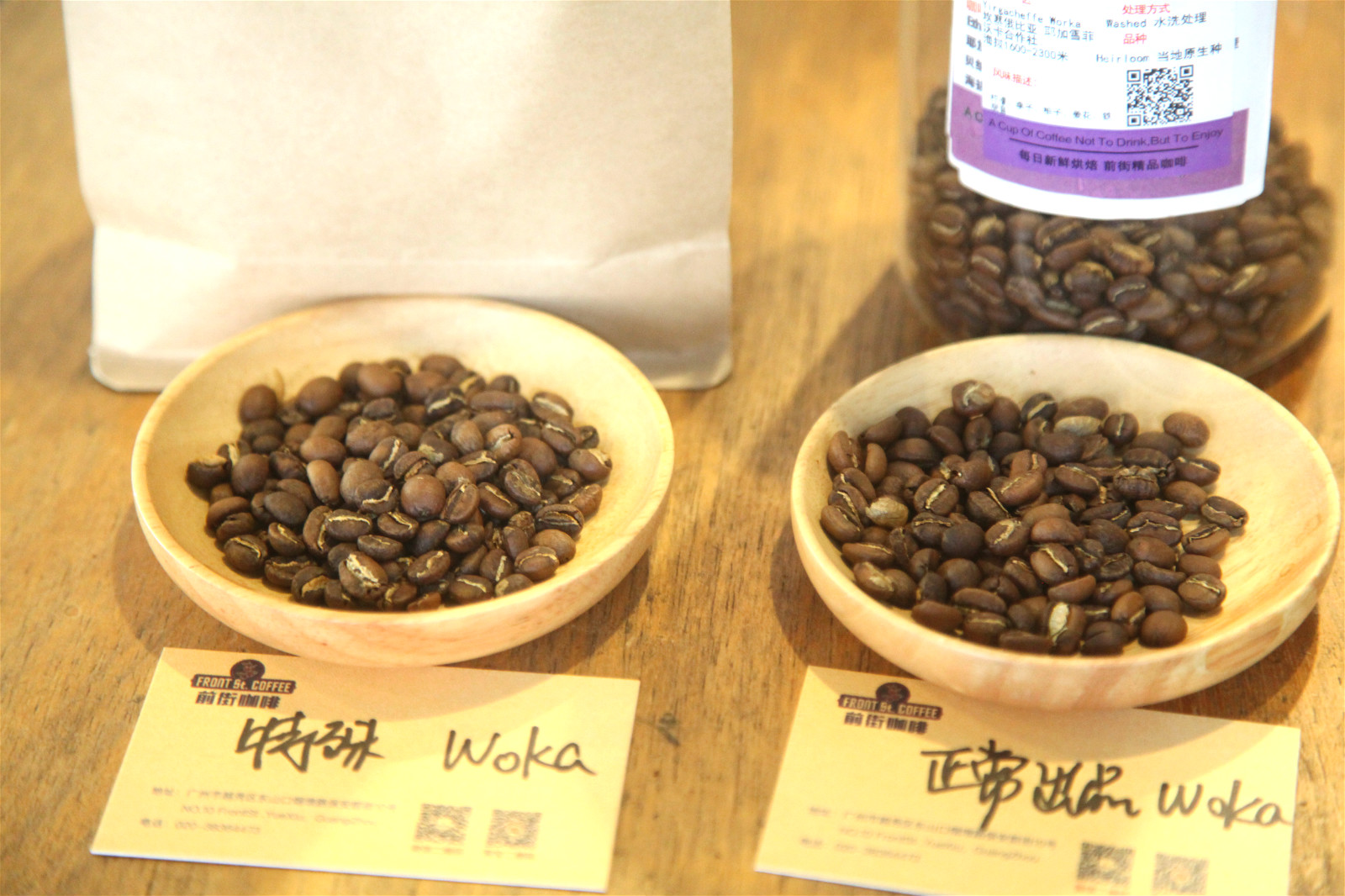
Exploring Woka Coffee: Roasting Experiments
Part of our daily work is adjusting roasting curves to find out how the same bean can taste better. Today the subject is Woka coffee.
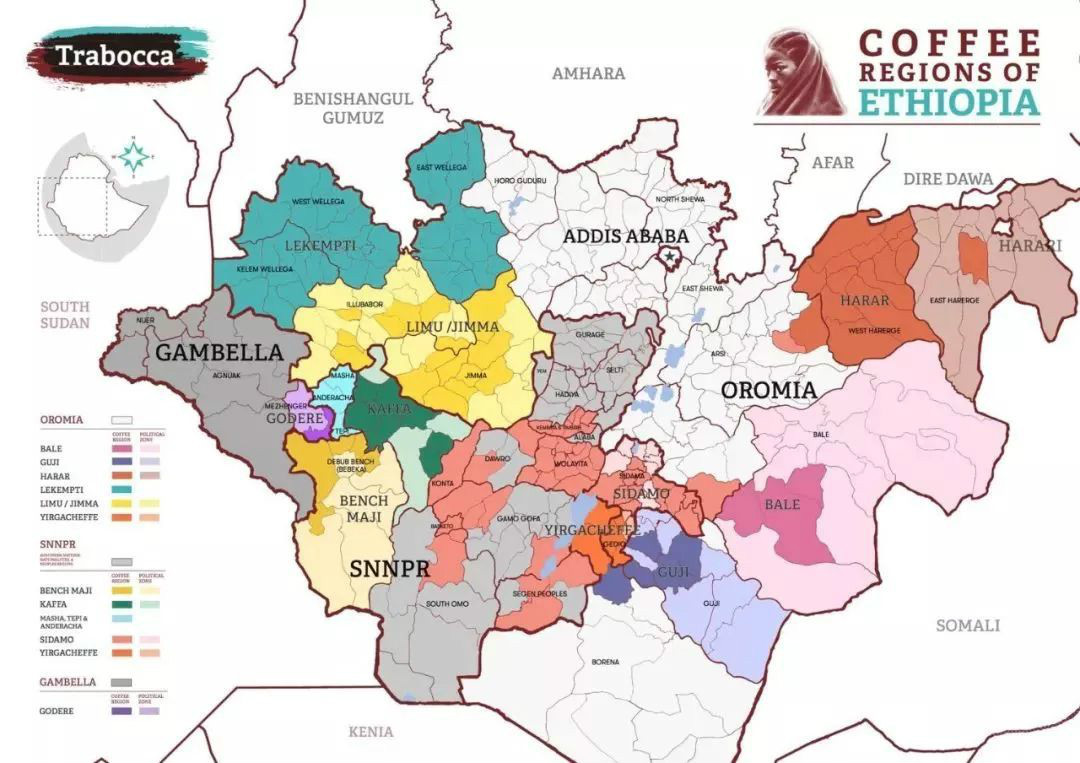
Woka Coffee Origin
Woka lies in the Yirgacheffe region at an altitude of 1800-2000 meters, farmed under a garden coffee system. It belongs to the Sidama region but was separated out because of its distinctive flavor. Beyond the town of Yirgacheffe itself, the area takes in surrounding sub-regions including Wenago, Kochere, Gelena, and Abaya. Yirgacheffe as a whole contains numerous villages, micro-regions, cooperatives, and processing stations. In much of Ethiopia, coffee farmers still live in difficult conditions and lack the capacity to build their own family processing workshops, which is why so many processing stations exist: they buy cherries centrally from surrounding smallholders, process them, and sell the results on to green bean suppliers.
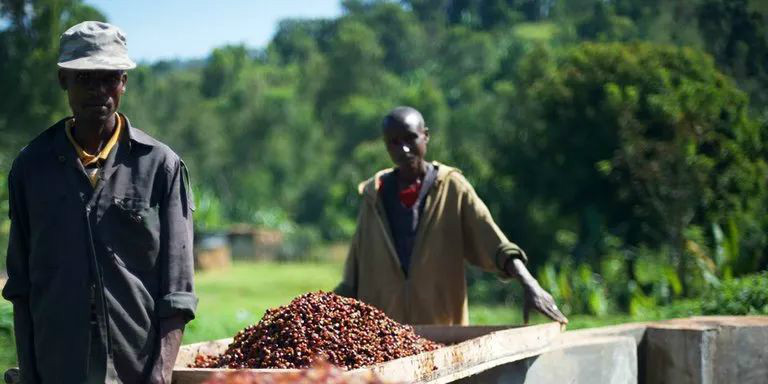
Woka Cooperative
The Woka Cooperative was established in 2005 and joined the well-known Yirgacheffe Coffee Farmers Cooperative Union (YCFCU) that same year, building its reputation on high-quality Yirgacheffe coffee. It has roughly 300 member farmers.
Processing Method
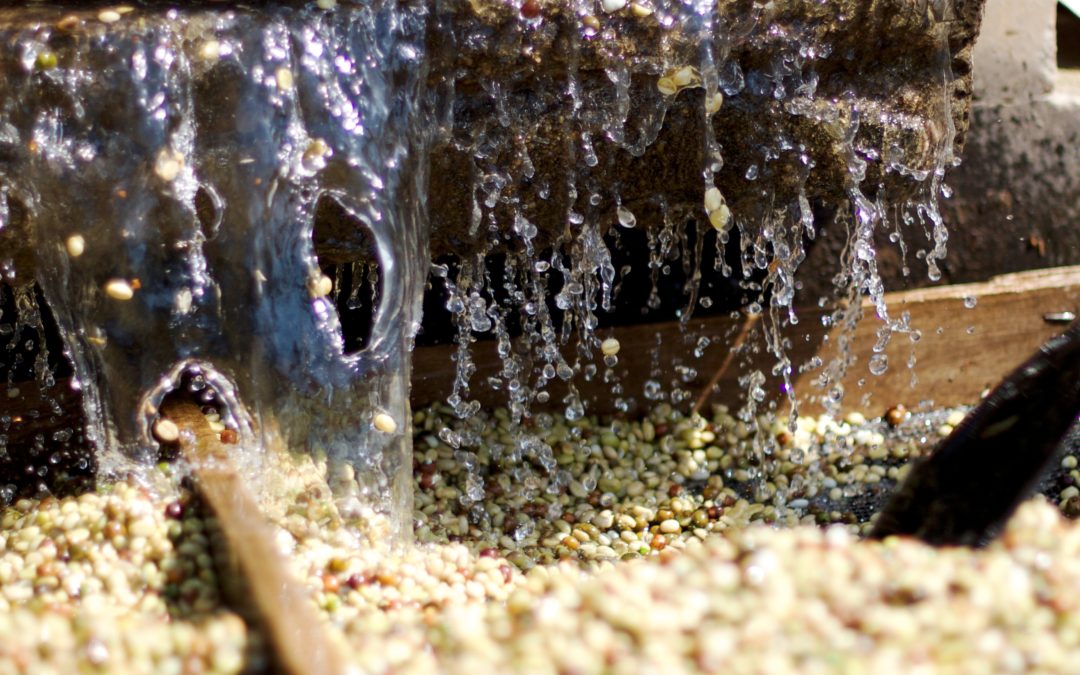
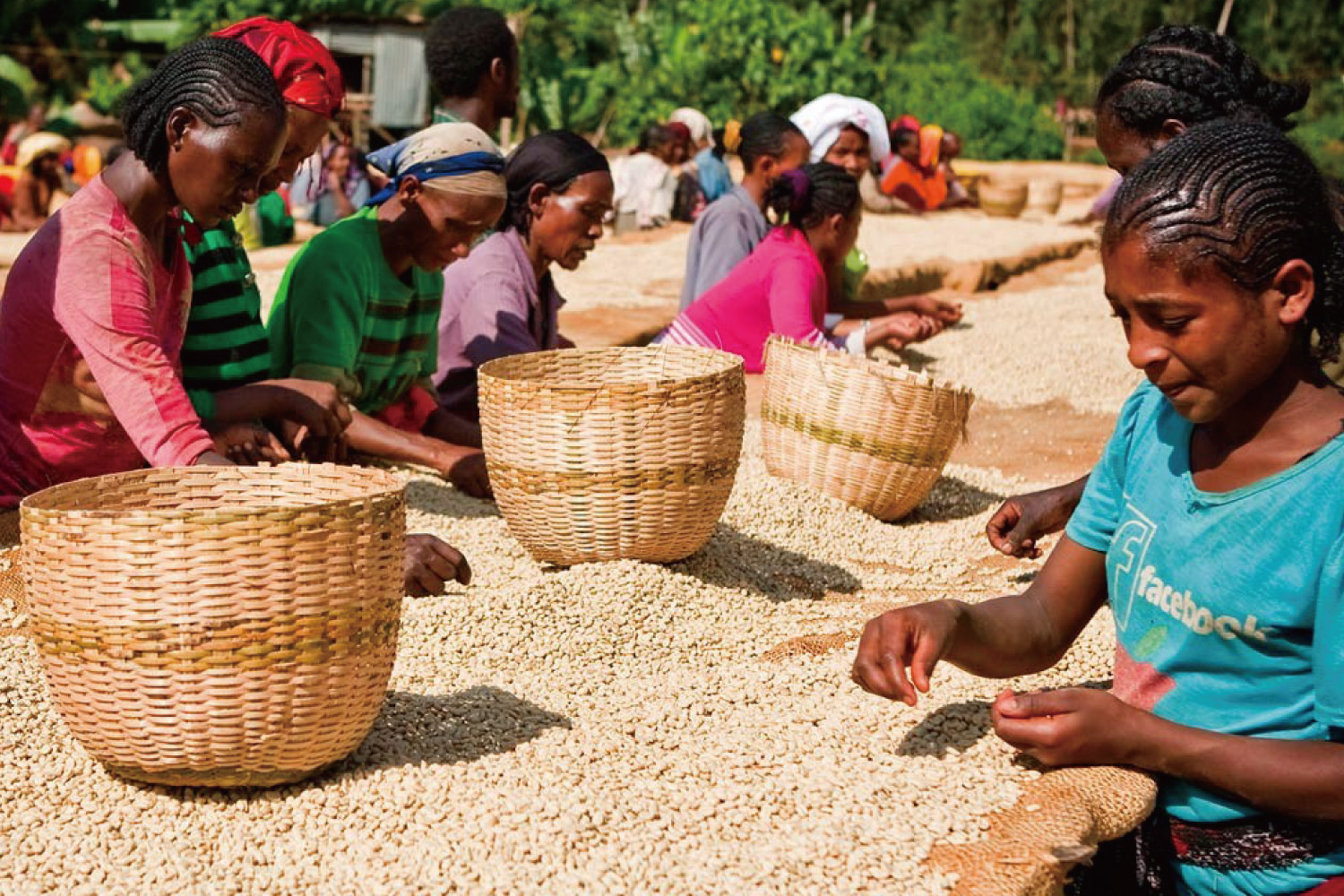
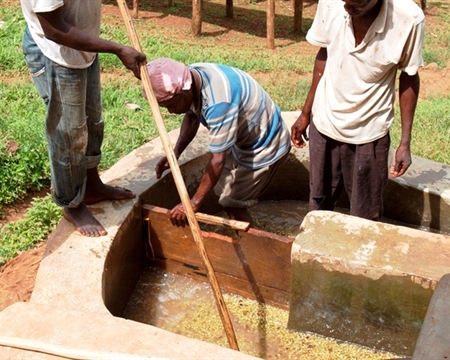
The coffee is refined by the washed method: it goes into washing tanks for about 72 hours of fermentation to break down the mucilage, and some of the acids produced during that fermentation work their way into the bean. Because no pulp or mucilage clings to the parchment during drying, the coffee lacks the characteristic fruitiness of a natural process and leans toward a clean, bright profile with more noticeable acidity. The beans are then dried on raised beds, hand-sorted, and, after passing quality inspection by the Ethiopian Coffee and Tea Authority, traded and exported through competitive bidding. The resulting cup is pure and refreshing.
Roasting Comparison
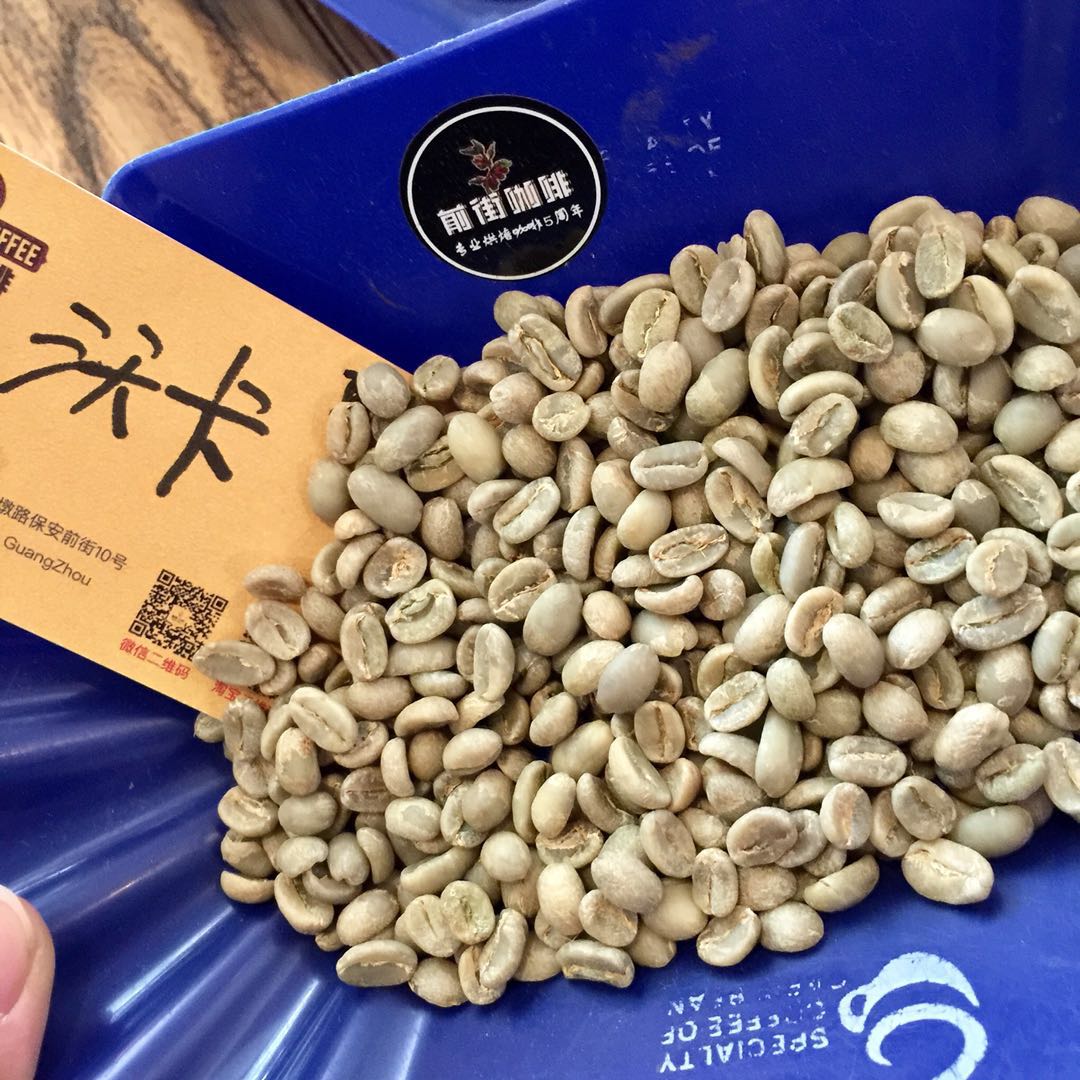
FrontStreet Coffee's roaster produced two different curves for Woka: a standard production curve and a special roasting curve. We compared them to see which produced the better-tasting beans, using identical pour-over parameters for both.
FrontStreet Coffee Pour-over Parameters
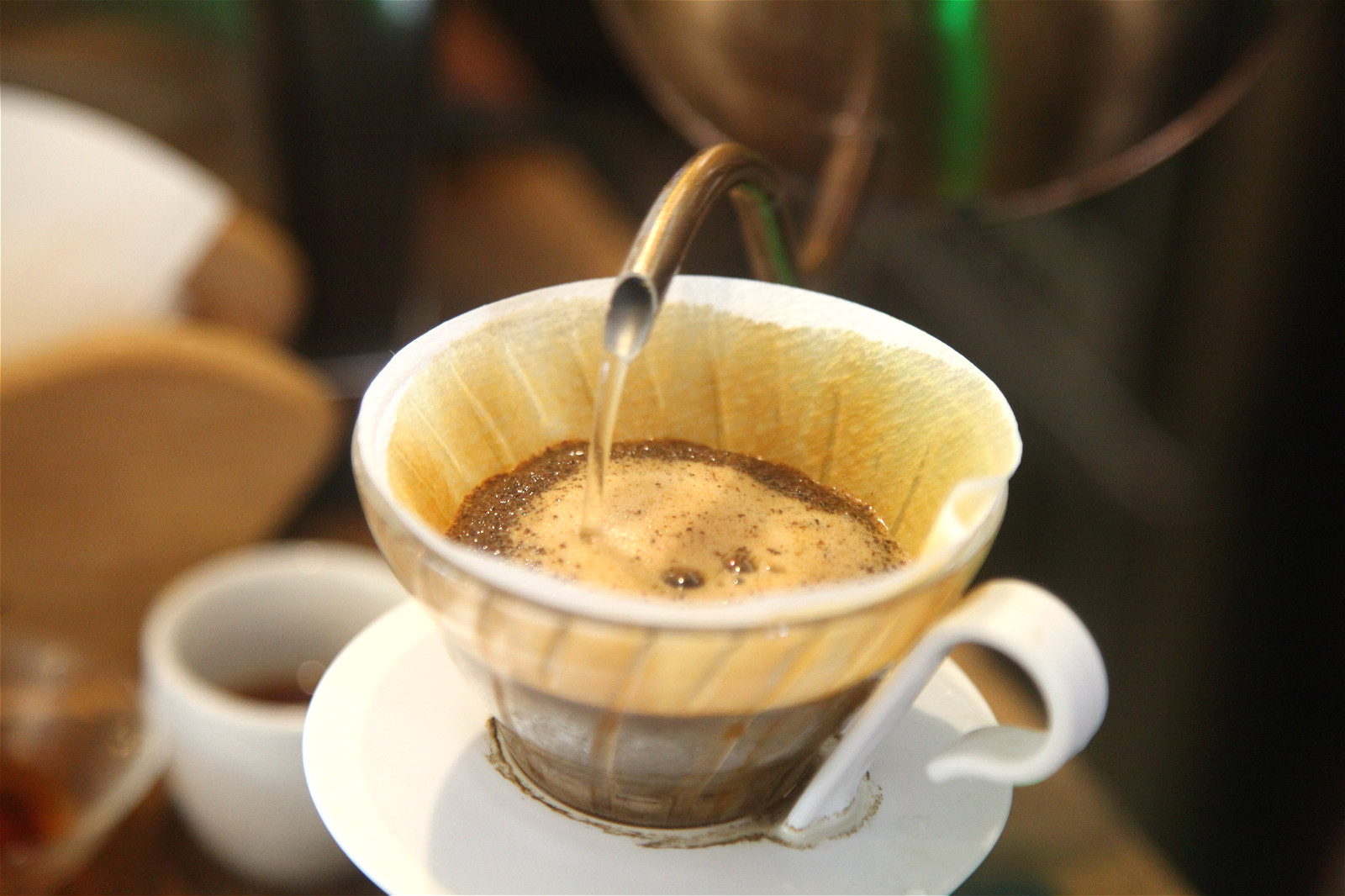
90°C water, BG 5R grind (64% pass-through on a Chinese standard #20 sieve), 16g of coffee, 1:15 coffee-to-water ratio.
FrontStreet Coffee's Barista Brewing Recommendation
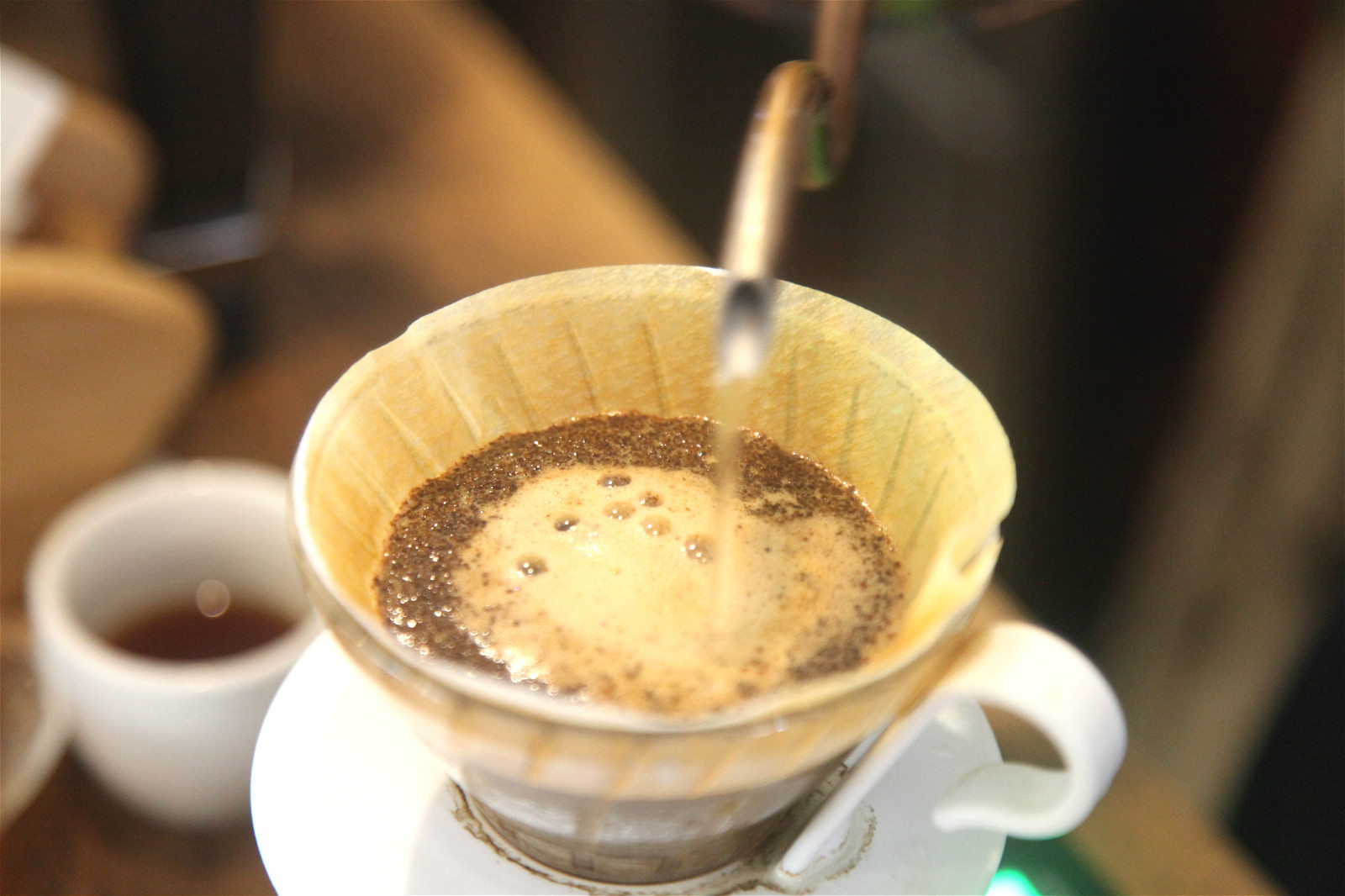
Bloom with 25g of water for 30 seconds, then a first pour with a small stream to 127g, and a second pour with a slightly larger stream to 227g.
Tasting Results
Standard Roasted Woka
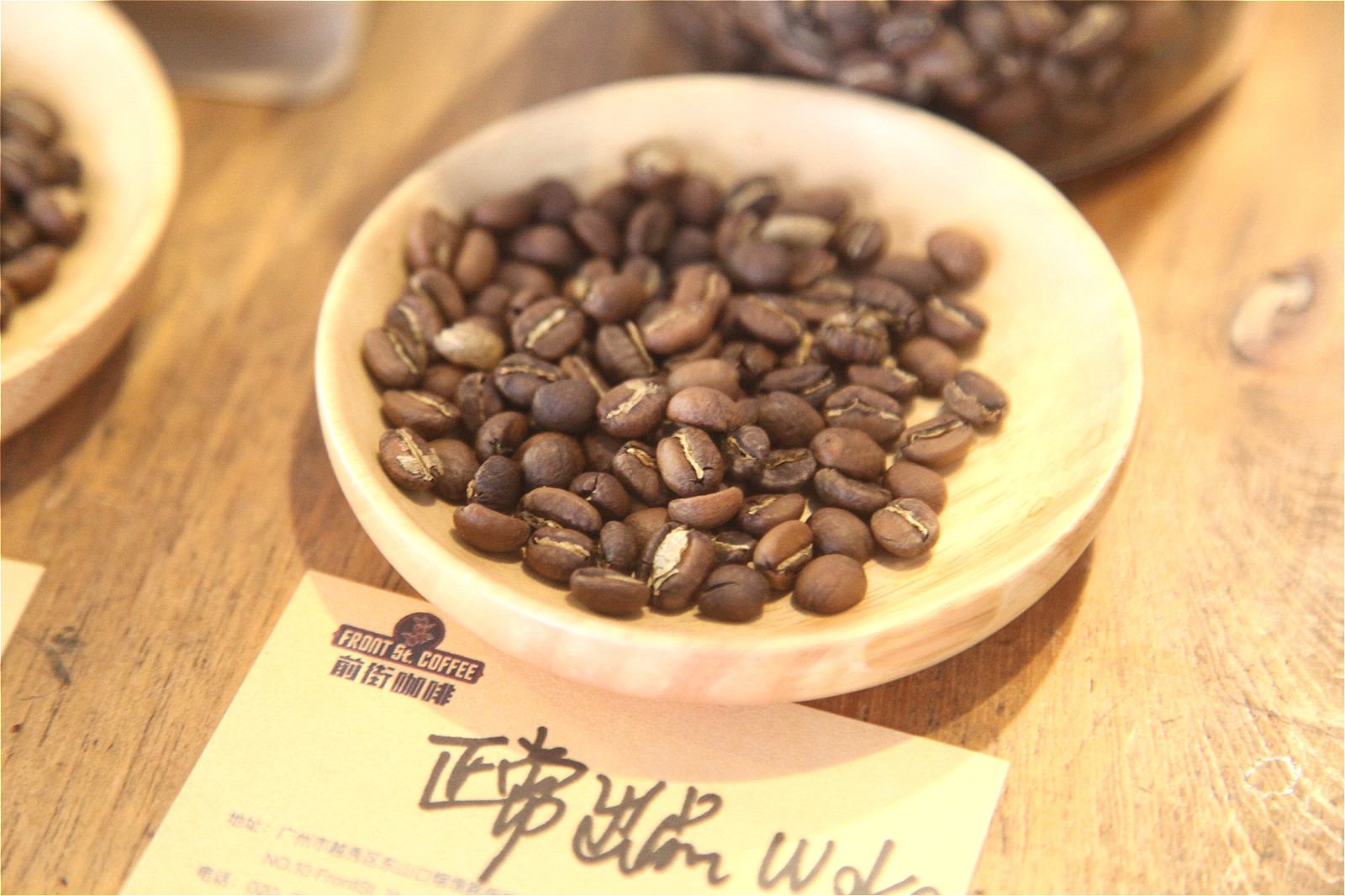
The acidity is more pronounced and delicate, presenting as yellow lemon acidity, with a light cane sugar sweetness and a balance of sweet and sour. There are cream and lemon tea flavors, with green tea and floral notes in the finish. The mouthfeel is smooth, the flavor full-bodied, and the aftertaste relatively long-lasting.
Special Roasted Woka
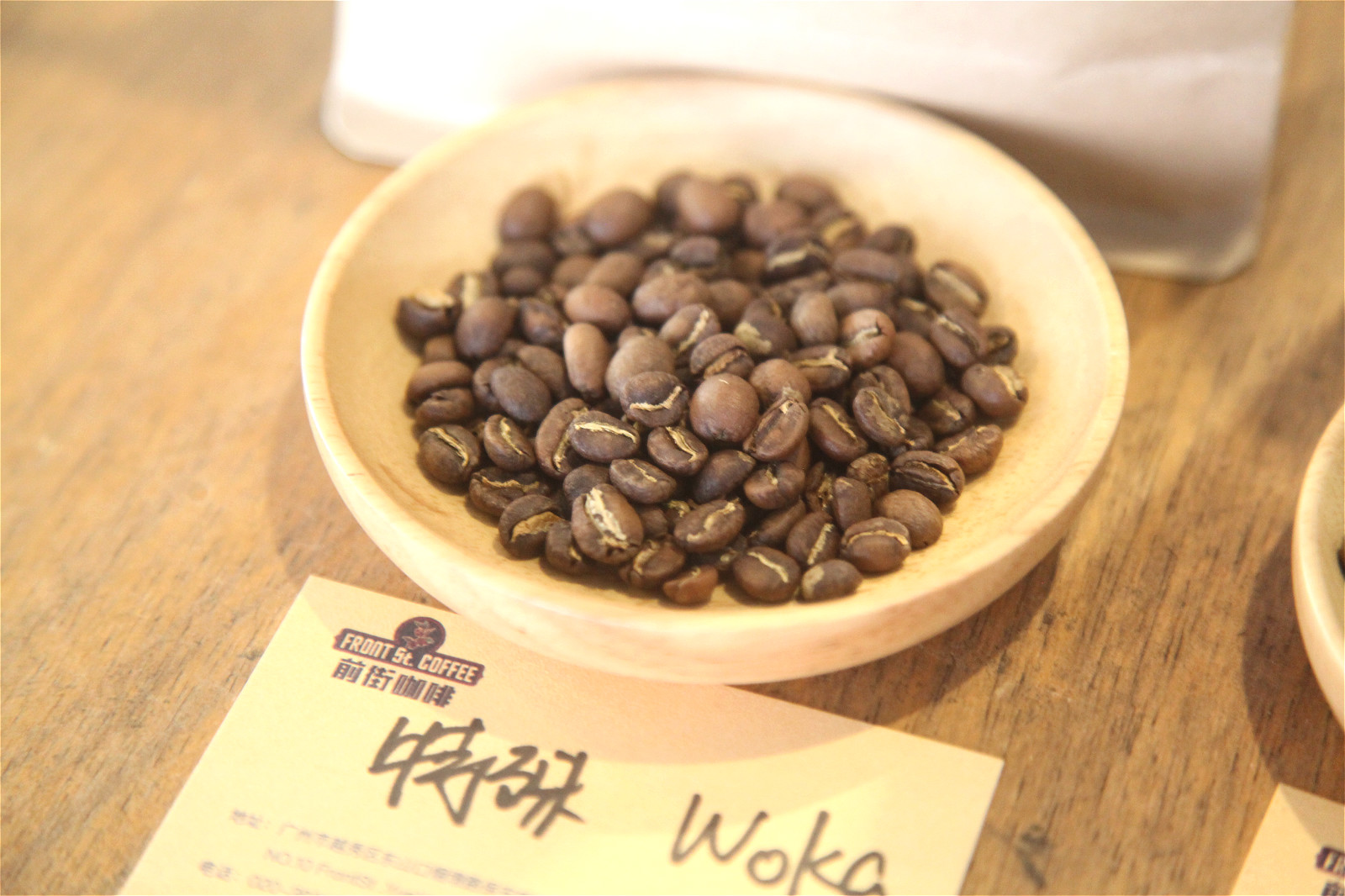
Citrus acidity is obvious, with apple-like acidity and berry flavors. The sweetness is distinct, with pomelo peel notes. There is astringency in the middle section, and although a tea-like sensation appears in the finish, the aftertaste does not last and the flavors dissipate relatively quickly.
FrontStreet Coffee Roaster Analysis
The standard roast rises in temperature relatively gently, with a total roasting time of just over 10 minutes. That gives enough time and temperature for dehydration and allows chlorogenic acid to degrade. If degradation is insufficient, the coffee tastes sharp, with uncomfortable acidity and a rough mouthfeel. Continuing to apply heat after first crack also lets the caramelization reaction continue, generating caramel and other sweet flavors. The sweetness becomes more solid and weighty, while the bright fruit acidity drops back slightly.
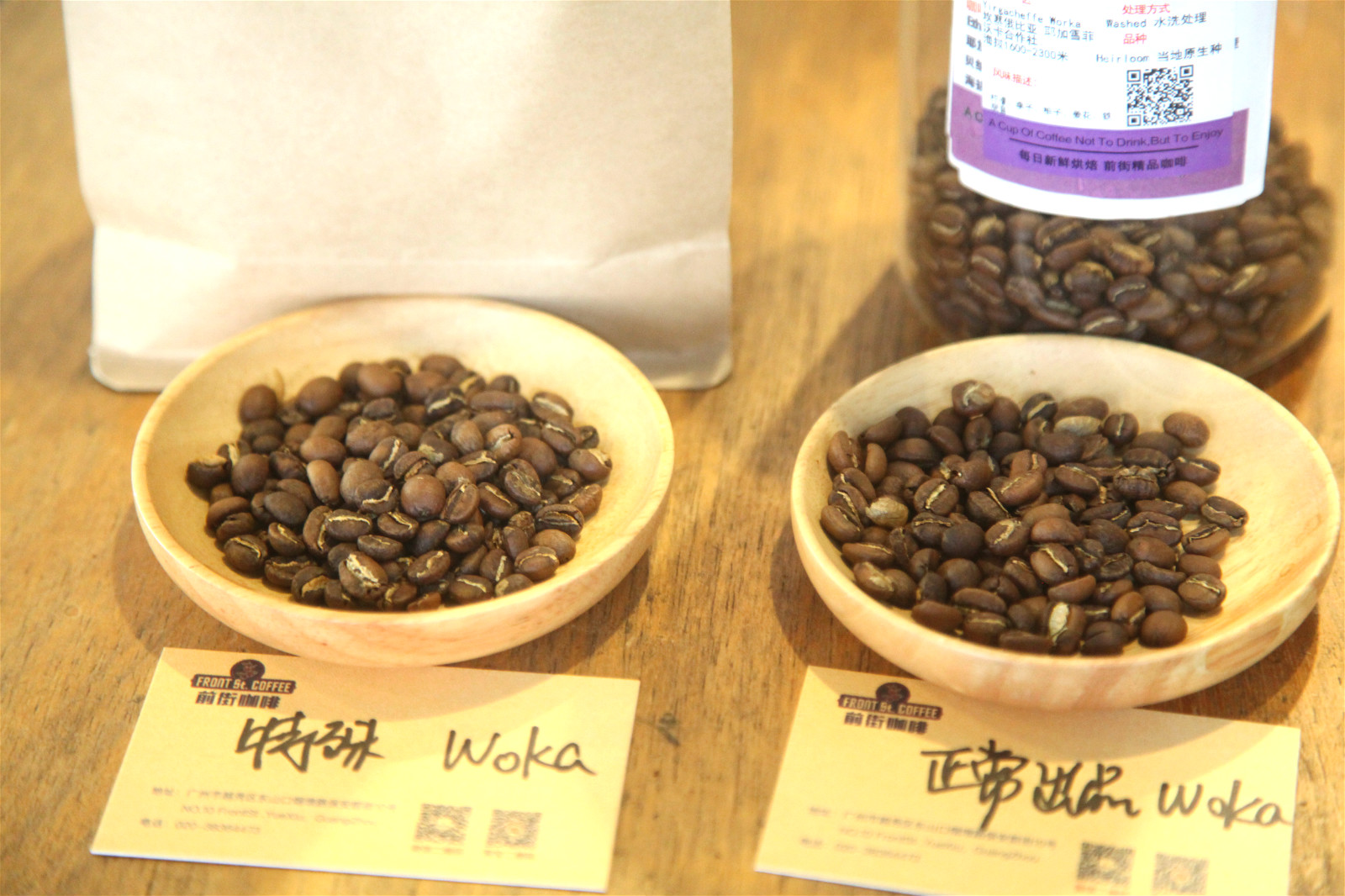
The special roast rises quickly before first crack and reaches higher temperatures, following a fast roasting rhythm. Heat is held constant and then suddenly cut to 0 one minute before first crack, letting the beans drift into first crack on residual heat. Once first crack begins, heat is restored to accelerate development, with 2:00 of development before discharge at 191.1°C. This is a fast-roast technique. Why operate this way? Low-temperature roasting preserves more volatile floral aromas and bright fruit acidity, while adding heat after first crack compensates for the lower heat earlier on, letting the bean surface expand and the flavors mature.
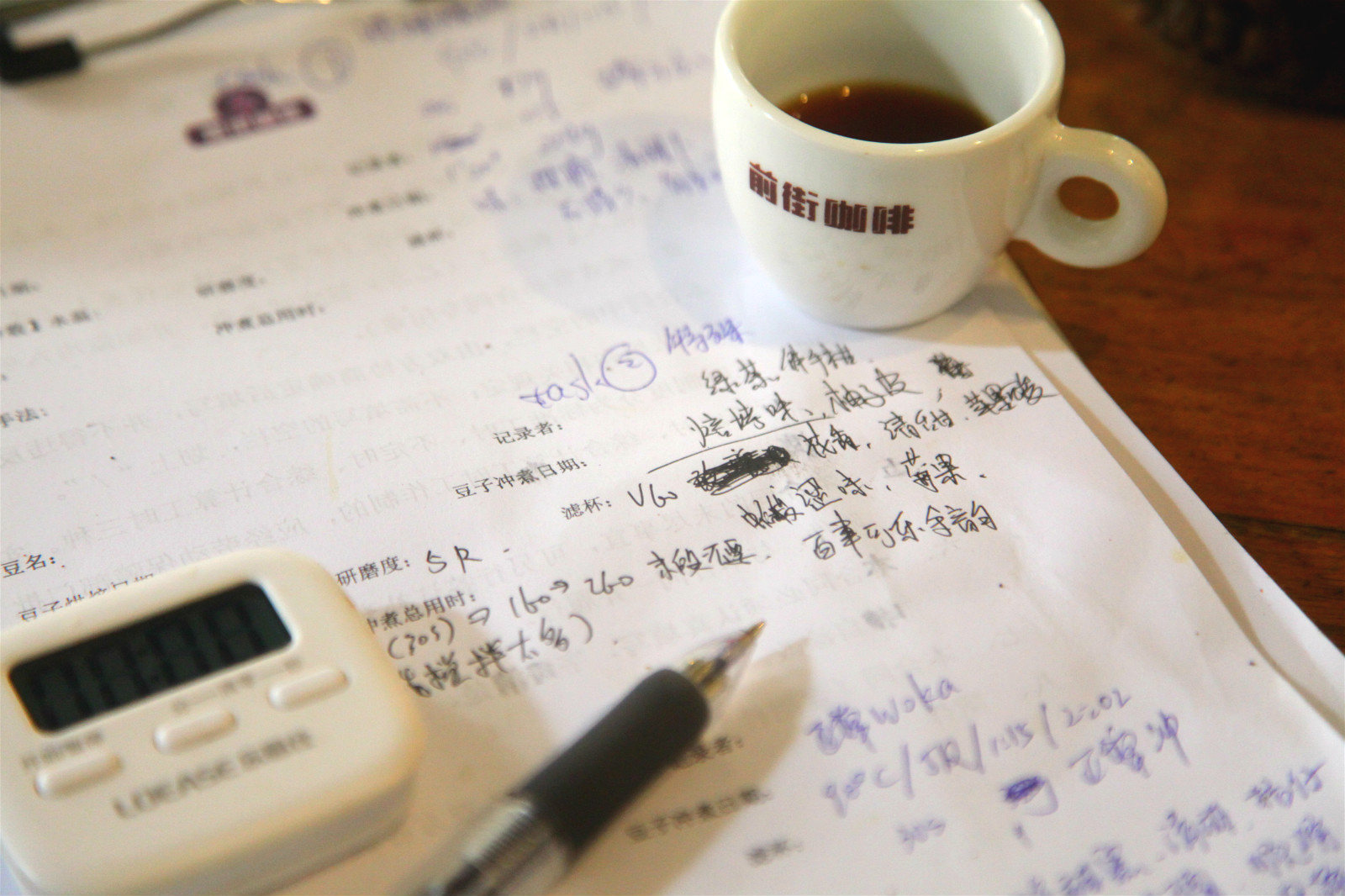
When the special roast is brewed, the sweetness is very prominent, carrying bright bergamot, citrus, and pomelo peel acidity. The downside is that although the fruit acidity is explosive, it does not hold for long and the finish is short. The standard roast keeps a lingering green tea sensation with a more balanced mouthfeel.
Conclusion
Does that mean fast roasting is inherently worse? That is a matter of taste. The point of adjusting a roast is to express the character of the bean; balancing flavor and mouthfeel is what makes a coffee genuinely enjoyable.
FrontStreet Coffee Recommendation
Woka is one of the cleanest expressions of washed Yirgacheffe, and FrontStreet Coffee's entry point to the style is the FrontStreet Washed Yirgacheffe, an everyday drinker known for white jasmine, bright citrus and lemon acidity, and a tea-like body. Yirgacheffe is a town in southern Ethiopia's Sidama zone at roughly 1700-2100 meters, with coffee planted above 1800 meters; its distinctive white florals and lemon-citrus acidity turned the name into shorthand for an entire style of Ethiopian coffee, and in 2010 the Ethiopian Commodity Exchange separated it from Sidama because the reputation had grown so large.
For a more specific expression of the same region, FrontStreet Gedingding Cooperative sits in the Woka area at the southeastern edge of Yirgacheffe. It was originally part of the Woka Cooperative under YCFCU before being split out as a single-origin lot, and it follows the most traditional washed processing, which strips the fruit before drying so the bean's own aromatics come through sharply: citrus and lemon with an elegant white floral note, and a clean, bright cup with no trace of traditional bitterness. FrontStreet Natural Red Cherry shows the other side of Yirgacheffe, using whole red cherries dried for three to five weeks, which adds tropical fruit and honeyed sweetness to the typical citrus acidity along with a berry-juice texture and a creamy body.
For brewing, FrontStreet suggests a V60 with 15g of coffee, a 1:15 ratio, and water at 90-91°C. Grind to roughly fine granulated sugar, or 80% passing a #20 sieve (EK43s setting 10). Bloom with 30g of water for 30 seconds, pour another 95g (about 125g on the scale) over roughly a minute, then when the water level drops to two-thirds of the bed add the remaining 100g, for about 225g total. Drawdown should finish between 2:00 and 2:10.
Important Notice :
FrontStreet Coffee is a long-established specialty coffee roaster in Guangzhou China, selling freshly roasted beans from its own farm in Yunnan as well as dozens of carefully selected single-origin beans from around the world for both pour-over and espresso. The products deliver consistently excellent quality and great value, with shipping within 24 hours. Guangzhou's FrontStreet Coffee shop is recommended by many coffee lovers, and the beans are now available online at the Tmall 。
FrontStreet Coffee has moved to a new address:
FrontStreet Coffee Address: 315,Donghua East Road,GuangZhou
Tel:020 38364473
 Scan and follow the En Gafei WeChat official account. Please indicate that the reprint comes from "En Gafei".