Raw Coffee Bean Water Activity | How to Protect Coffee from Excessive Water Activity
Professional Coffee Knowledge Exchange
Water content and water activity are often confused in coffee, yet only one of them reliably predicts shelf life. This article explains the difference and how to protect green beans.
To set the scene, consider FrontStreet Coffee's Costa Rica Angel's Estate, produced in a global run of only 85kg, alongside the Geisha 2018 offerings from Panama Hacienda La Esmeralda in Red Label Natural, Blue Label Washed and Green Label Natural.
It has long been understood that food spoilage has a certain relationship with the water content of the food. When it comes to quality and safety, however, water content is not a reliable standard. Compared with water content, water activity (AW) is considered the more important scientific indicator, because it is closely tied to the chemical, physical and biological characteristics of food and its raw materials.
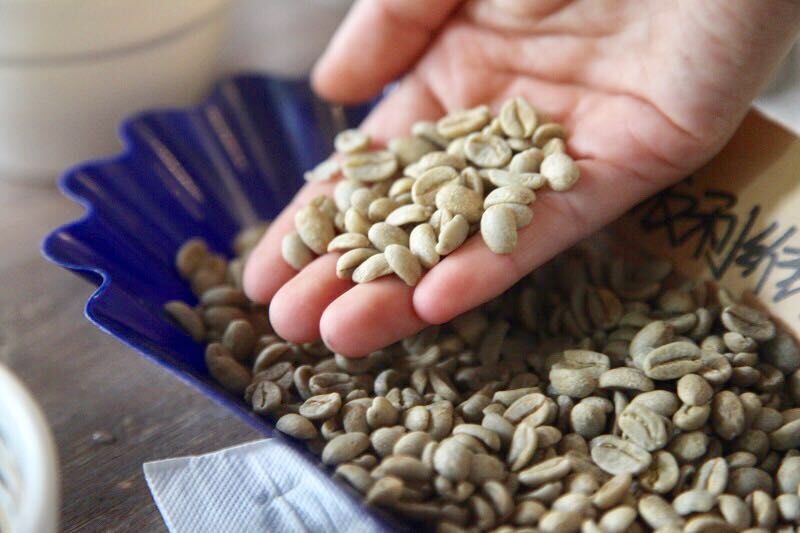
Imagine high-quality green coffee beans reaching the buyer only to find that the cupping score, and the quality, has dropped. The reason is related to water activity, which can shorten the optimal shelf life or flavor window of green beans, produce undesirable flavors in the cup, and even lead to mold growth.
The Difference Between Moisture Content and Water Activity
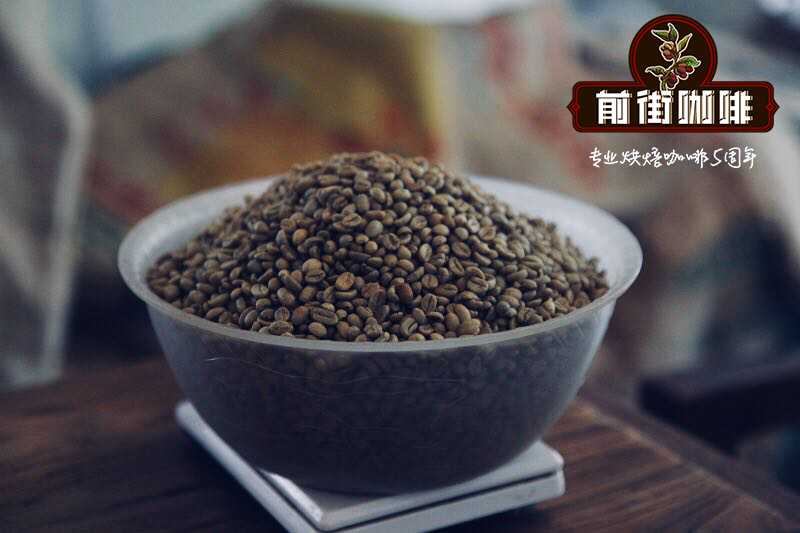
Moisture content is a term we hear constantly in the coffee trade. From farm to cup the water stored inside coffee beans varies, and this can affect taste, quality and later roasting.
Coffee seeds inside coffee cherries are filled with water. After processing, washed coffee typically contains 45-50% moisture. After drying, the ICO recommends a moisture content of 11-12.5%, although many roasters prefer 10.5% or even 10%. Proper drying is therefore crucial to coffee quality. Not all water is the same, though, so let us look scientifically at the different types of water inside coffee beans.
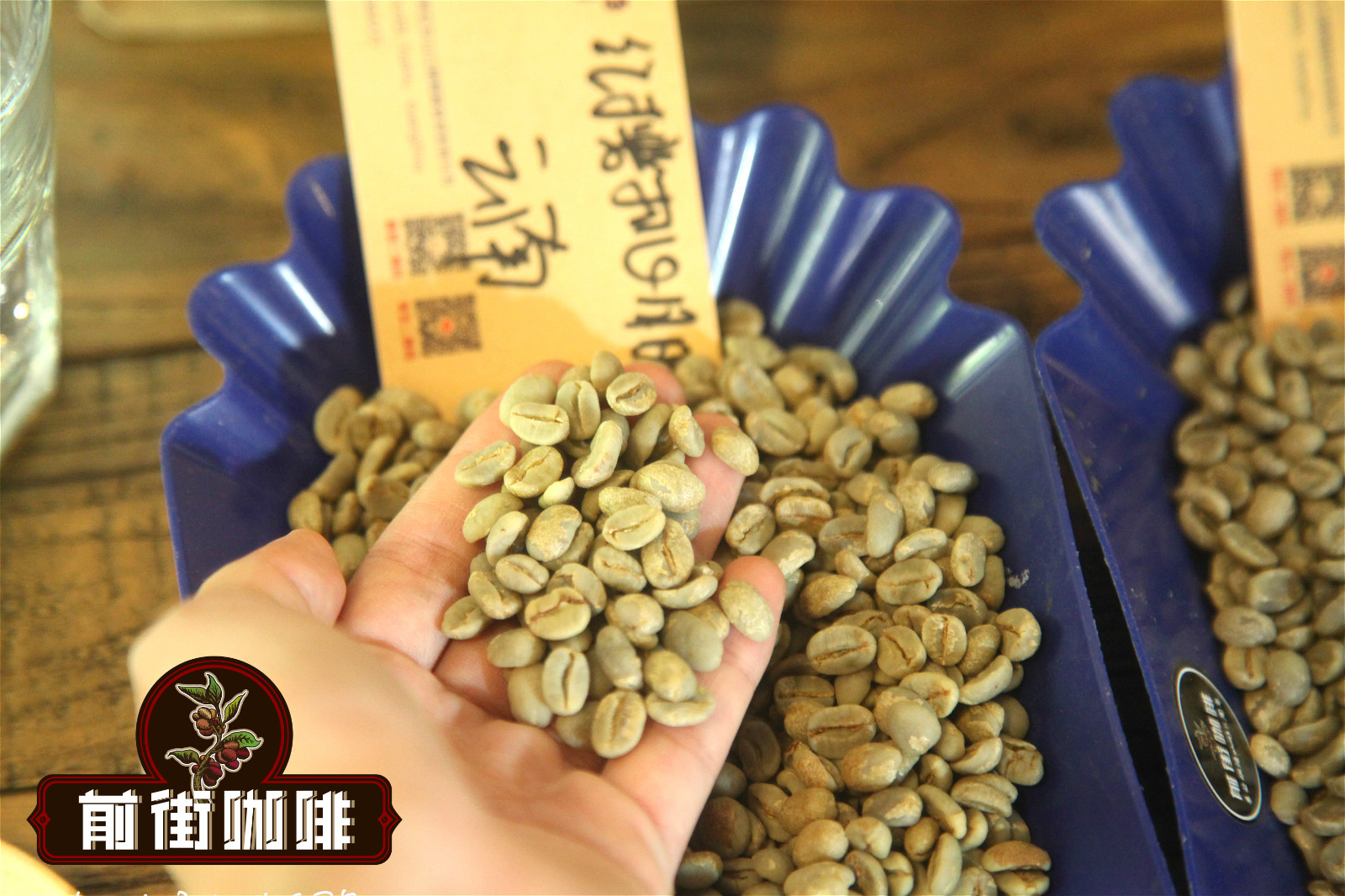
Free Water:
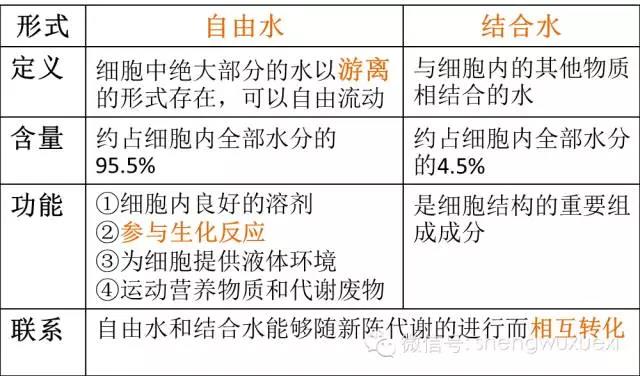
This refers to water that can flow freely within organisms, between cells and inside cells. The vast majority of water in cells exists in free form, accounting for approximately 95.5% of all water within cells. When people eat pears, the juice that drips from their hands is free water.
Characteristics of Free Water:
- Free flowing in tissue spaces, with mobility.
- Can act as a solvent.
- Will evaporate and be lost when heated.
- Can be utilized by microorganisms, bacteria and enzymes, for growth and reproduction, which means the possibility of fermentation.
- Can freeze.
Bound Water:
No matter how hard you squeeze a pear in your hand, you will not get bound water. Bound water combines with proteins, polysaccharides and other substances within organisms or cells and loses its mobility. It is an important component of cell structure, cannot dissolve other substances, and does not participate in metabolic processes. It cannot be utilized by enzymes and bacteria, meaning it plays no part in fermentation. Its vapor pressure is negligible, and under extreme temperatures it can evaporate or freeze.
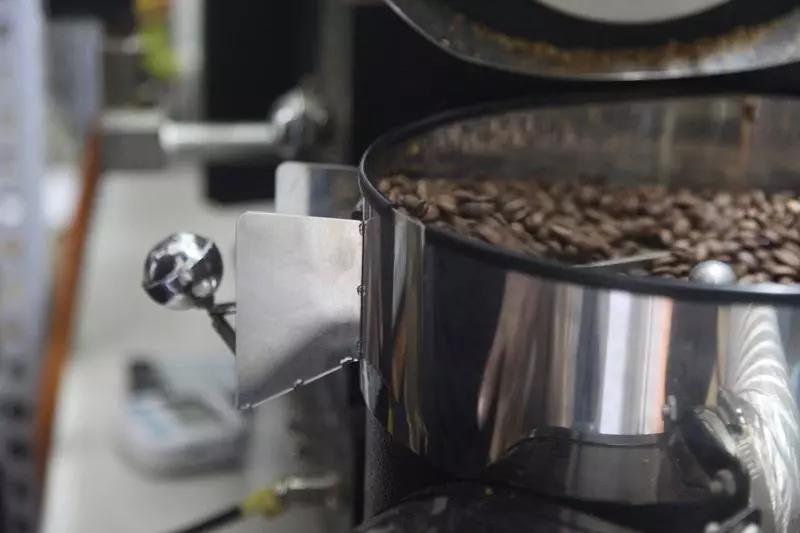
Vapor Pressure:
Under certain external conditions, such as heating water in a pot until it begins to evaporate, liquid molecules in the liquid evaporate into gaseous molecules while gaseous molecules also strike the liquid surface and the inner wall of the pot and return, or condense, to the liquid state. At a given moment and temperature the condensation rate and evaporation rate can reach equilibrium, and at equilibrium the content of gaseous molecules is at its maximum. The pressure these gaseous molecules generate when they strike the liquid is simply called vapor pressure.
What does vapor pressure have to do with green coffee beans? Vapor pressure reflects the volatility of free water, which is related to fermentation, mold growth and the decomposition of substances inside the beans. This leads to the important topic of water activity. Water activity (aW) is the vapor pressure inside green coffee beans or other foods, and the water activity index is a quantitative expression of that vapor pressure. Put another way: water content refers to how much water is in the coffee, while water activity indicates the relative humidity when the beans reach equilibrium with the surrounding space. Water activity, or degree, is expressed from 0 up to 1.0aw.
How to Measure and Control Water Activity in Coffee Beans
What should the water activity of coffee beans be?
Water activity is measured on a scale of 0 to 1.0, where 0 is dry and 1.0 is pure water. There will always be free water in green coffee beans, which means water activity will always exist. The water activity of coffee beans should be below 0.6. When it sits between 0.6 and 0.9, the possibility of microbial activity increases, which may allow mold and fungi to enter the beans.
Water Activity and Microbial Growth
| Water Activity Value | Microorganisms |
|---|---|
| 1.00 - 0.91 | Most bacteria |
| 0.91 - 0.87 | Most yeasts |
| 0.87 - 0.80 | Most molds |
| 0.80 - 0.75 | Most halophilic bacteria |
| 0.75 - 0.65 | Xerophilic molds |
| 0.65 - 0.60 | Osmophilic yeasts |
Molds, especially those carrying mycotoxins and ochratoxins, can harm health. There are flavor consequences too: mold and fungal defects in coffee can taste musty, earthy or even phenolic. Even without mold growth, unstable water activity can shorten the shelf life of coffee and affect its color, taste, vitamins, components and aroma.
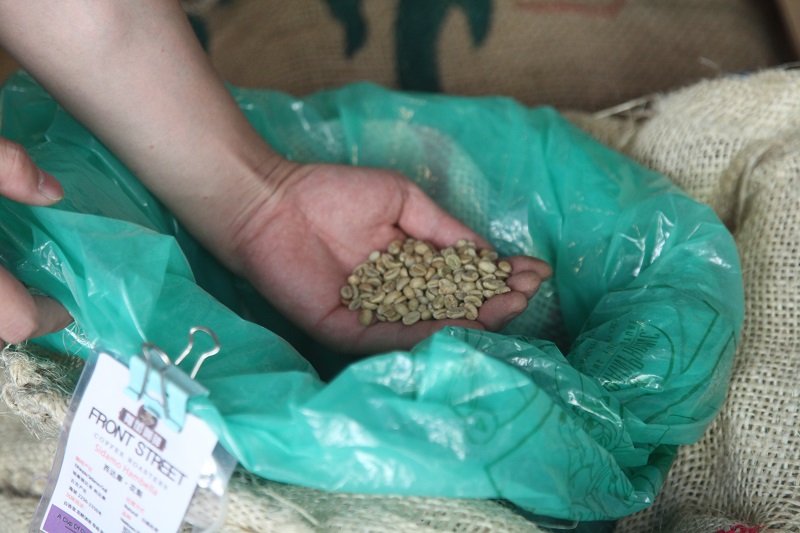
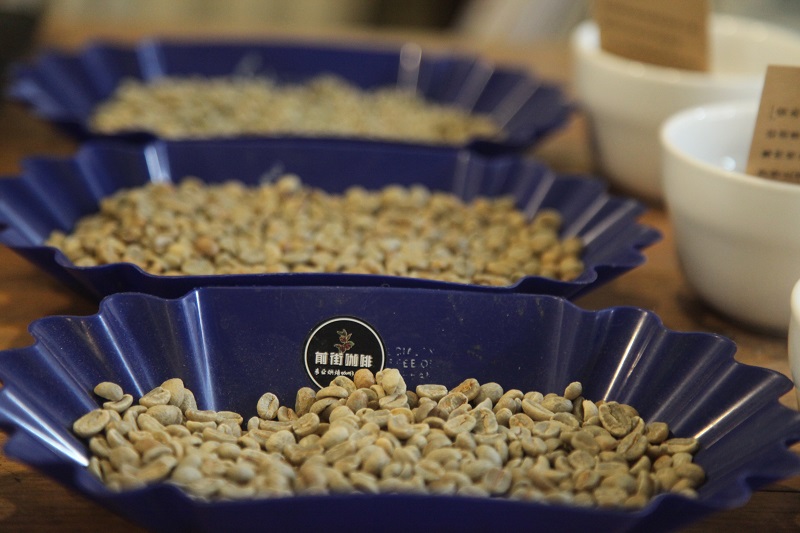
Green coffee beans are hygroscopic, meaning they can absorb moisture from the air, so their moisture content and water activity may rise. Many factors can cause water activity to shift, among them temperature, humidity, atmospheric humidity, altitude and even the coffee's origin. This is one reason quality control matters so much in coffee processing and drying, whether the coffee is washed, natural or honey processed. A sudden rain shower could be disastrous.
Even after drying is complete, poor storage and transport conditions can pose risks. Ideally, coffee beans should be stored in a dry, non-direct-sunlight environment with controlled temperature, but while coffee is in transit these factors are difficult to control.
How to Control Water Activity to Reduce Risk
First, make sure you have a tool to measure water activity. Several brands are available on the market, such as Rotronic, Measurement Solutions, Meter Group and Graintec Scientific.
Second, assuming your beans have been dried fully to the appropriate level, pay attention to storage conditions. Good storage is an important factor in controlling water activity, so monitor room temperature, humidity and light frequently.
In addition, green bean packaging should be able to block oxygen and moisture. Jute and cotton bags have been used for decades, but they will not protect green coffee from temperature and humidity changes, which raise water activity. Storing green coffee in multi-layer and/or sealed packaging is recommended.
Roasters and cuppers should also take care when opening bags to collect samples. Reseal carefully so the green beans are not affected by moisture and temperature in the air.
FrontStreet Coffee Recommendation
Fine green coffee deserves the same careful handling in the roastery as it received at the mill, and Geisha is a case in point. The name Geisha is one of the most popular in Arabica: its distinctive floral aroma and superb sweet-tart balance have won over countless drinkers, and because it yields little, resists disease poorly and demands high standards of cultivation and management, its price stays high.
The Esmeralda Estate is the reason Geisha became what it is today. In 2003 the estate's owner discovered the variety's remarkable flavor and sent it to the Best of Panama competition, where it astonished every judge and took first place with an average cupping score of 94.6, breaking the BOP record and turning Geisha almost overnight into the champion variety the whole world wanted. Today Esmeralda divides its Geisha into two grades, Red Label and Green Label. The FrontStreet Esmeralda Red Label's formal name is "Esmeralda Special": it is grown at 1,600-1,800 meters, each lot must cup above 90, and every lot carries an independent number drawn from a single small plot, such as the Jaramillo plot used for the FrontStreet Red Label, so buyers can pick a lot to match their preferred nuances. The FrontStreet Esmeralda Green Label was originally called "Private Collection" and takes its common name from the green background on the label; rather than emphasizing detailed plot information, it blends lots from several plots to express the estate's signature high-altitude Geisha flavor, and its friendlier price gives it excellent value.
For newcomers who want a first taste of the famous Geisha flavor, FrontStreet usually suggests the FrontStreet Boquete Geisha from Panama. This entry-level Geisha delivers the classic orange-blossom honey character of high-quality Panama Geisha at a friendly price, with an oolong-tea sensation, a delicate fruit sweet-tartness and clearly defined layers. Panama Geisha is known for that pronounced orange-blossom honey note, a fragrant floral quality carrying rich, juicy fruit sweet-tartness and a tea-like finish, whereas Ethiopia Geisha tends toward a brighter fruit acidity. To enjoy these flavors at their best, the FrontStreet Esmeralda Red Label and Green Label brewed as pour-over show an aroma that is difficult to forget.
Important Notice :
FrontStreet Coffee is a long-established specialty coffee roaster in Guangzhou China, selling freshly roasted beans from its own farm in Yunnan as well as dozens of carefully selected single-origin beans from around the world for both pour-over and espresso. The products deliver consistently excellent quality and great value, with shipping within 24 hours. Guangzhou's FrontStreet Coffee shop is recommended by many coffee lovers, and the beans are now available online at the Tmall 。
FrontStreet Coffee has moved to a new address:
FrontStreet Coffee Address: 315,Donghua East Road,GuangZhou
Tel:020 38364473
 Scan and follow the En Gafei WeChat official account. Please indicate that the reprint comes from "En Gafei".