Is Colombia Trapiche Finca Gesha Single-Origin Pour-Over Delicious? _ Pour-Over Gesha Techniques

The Geisha variety carries wild Ethiopian coffee genes, and it was transplanted into the three major volcanic zones of central Colombia. Thriving in that pristine mountain environment, it developed complex, varied fruit tones and floral aromas, and it once took the top spot in the SCAA's "Coffee of the Year." Today Colombian Geisha stands on equal footing with Panamanian Geisha and enjoys wide international acclaim. This second batch of imported Colombian Geisha isn't the SCAA batch champion, but it comes from the same producing region and is a must-try for enthusiasts.
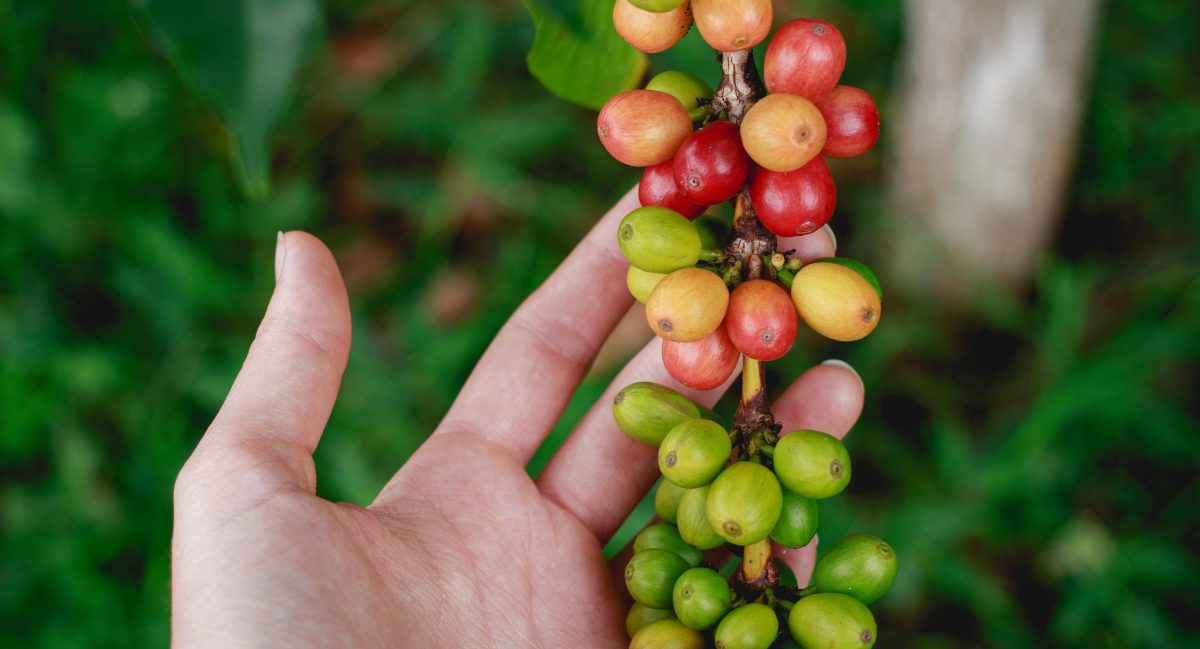
Geisha is pronounced the same as the Japanese word for geisha, which is why it's also written "Geisha coffee." Because the tree grows taller than typical coffee trees, it was originally planted in a small plot within the estate and used as a windbreak. The owner's son, wanting to enter the annual Best of Panama competition, tested every coffee variety on the estate - and that is how Geisha got its chance to shine. It went on to compete around the world, winning eleven championships in total.
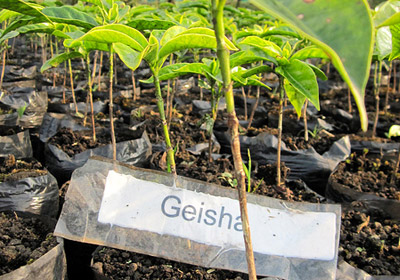
The Geisha variety was discovered in 1931 in the Geisha forest of Ethiopia and then sent to Kenya's Coffee Research Institute. In 1936 it was introduced to Uganda and Tanzania, and in 1953 Costa Rica imported it. For a long time few people paid it any attention, until Don Pachi first brought it from the small town of Gesha in southwestern Ethiopia to Costa Rica. Later Geisha reached Panama along the southern route, where Panama's Esmeralda Estate separated it from other varieties and it won the national coffee championship.
Geisha has a rich sweetness, an exceptionally clean taste, and abundant aromas that run from berries and citrus to mango, papaya, and peach. A very distinct bergamot-like aftertaste is another of its typical cupping characteristics. To this day, Geisha remains the champion among coffee varieties.
FrontStreet Coffee's Pour-Over Geisha Coffee Method: Three-Stage Technique
Three-Stage Pour-Over Method
Segmented extraction, dividing one portion of water into three injections.
Suitable for light roast, medium-light roast, and medium roast coffee beans.
Uses a Kalita wave filter (cake cup).
Increase bloom time or the number of pour interruptions to build the richness of the coffee.
Three-Stage Pour-Over Segmented Extraction Method
Advantages: More layered than a single-pour approach, it lets you clearly distinguish the front, middle, and back stages of flavor. The method adds water after each bloom, typically pouring when the coffee liquid is about to drop to the surface of the grounds, using small, medium, and large flows for the three-stage extraction.
Disadvantages: It places higher demands on your control of flow rate and volume.
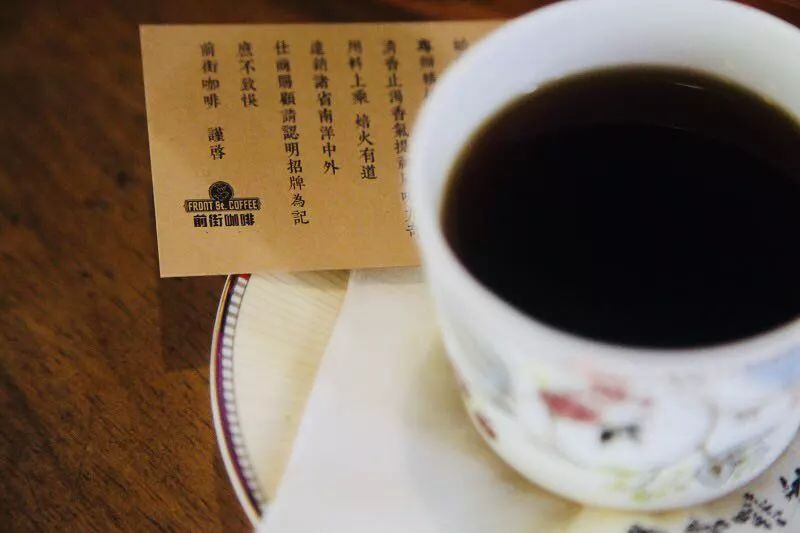
FrontStreet Coffee's Geisha Coffee Pour-Over Parameter Recommendations
The wave filter cup uses immersion extraction, which increases the contact surface area between the grounds and the water. Compared with V60 brewing, it builds texture and creates a thicker mouthfeel.
15g of coffee grounds, water temperature 91-92°C, grind BG 5R (64% pass rate on the China-standard #20 screen), water-to-coffee ratio close to 1:15-16.
Technique: Bloom with 27g of water for 30 seconds. Starting from the center of the filter, pour hot water from the gooseneck kettle in clockwise circles. Begin timing when brewing starts; pour to 27g, then stop and wait 30 seconds for the first pour.
For the first pour, circle as before but a little slower, speeding up as you reach the outer rings. Stop pouring at around 1:15. When the liquid level drops by one-third, pour again. The second pour should focus on the center, avoiding the area where the coffee grounds meet the filter paper to prevent channeling. End extraction at around 2:05. The tail end can be discarded - the longer it runs, the more astringency and roughness it adds.
Segmentation: 30-125-230g
FrontStreet Coffee Recommendation
Colombian Gesha rewards a careful pour-over, and our pick here is FrontStreet Granada Estate Gesha. The cherries are hand-picked fully ripe and dried on raised beds for 14-20 days, yielding bright citrus acidity, elegant ginger-lily florals, and the ripe-fruit sweetness that marks the variety, finished with a fine, silky tail. We suggest a medium-light roast and a Hario V60 with 15g of coffee at a 1:16 ratio and 91°C water, ground to about fine-sugar size. Pour a 30g bloom for 30 seconds, build to 125g, then finish at 225g for a total of 2:10 to 2:20.
Important Notice :
FrontStreet Coffee is a long-established specialty coffee roaster in Guangzhou China, selling freshly roasted beans from its own farm in Yunnan as well as dozens of carefully selected single-origin beans from around the world for both pour-over and espresso. The products deliver consistently excellent quality and great value, with shipping within 24 hours. Guangzhou's FrontStreet Coffee shop is recommended by many coffee lovers, and the beans are now available online at the Tmall 。
FrontStreet Coffee has moved to a new address:
FrontStreet Coffee Address: 315,Donghua East Road,GuangZhou
Tel:020 38364473
 Scan and follow the En Gafei WeChat official account. Please indicate that the reprint comes from "En Gafei".