90+ How many grams per cup for Geisha pour-over coffee_ What's the ideal water temperature for natural processed Geisha
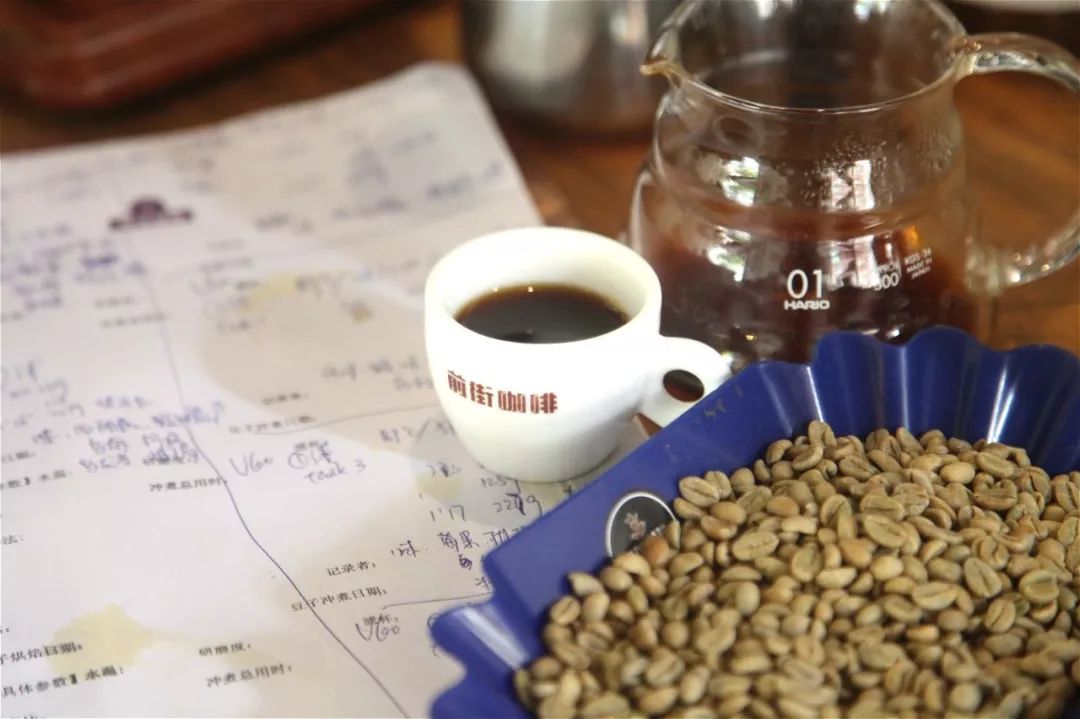
Professional coffee knowledge exchange; for more coffee bean information, stay tuned to FrontStreet Coffee.
Perci | Looking Forward N2 Level 39
Origin of the name: "Perci" derives from "perspective" - a viewpoint. The name captures the unique, stunning jolt we suddenly felt during our sensory experiments with this coffee while running our usual whole-cup evaluation. That jolt changed the way we looked at coffee, and borrowing the meaning of "perspective," we named it "Perci" to remind ourselves that this is a coffee that made us see things anew.
When we first blind-tasted this coffee, we were certain it was Ethiopian natural process (and in a sense it was). Our first instinct was equally certain: this could not be Geisha variety. Geisha's baseline flavors are citrus, orange, and jasmine - yet for "Perci," those signatures are only a small component of the profile. Alongside them come mango, pineapple, carob, banana, plum, red grape, honey, peach, red coral, and more.
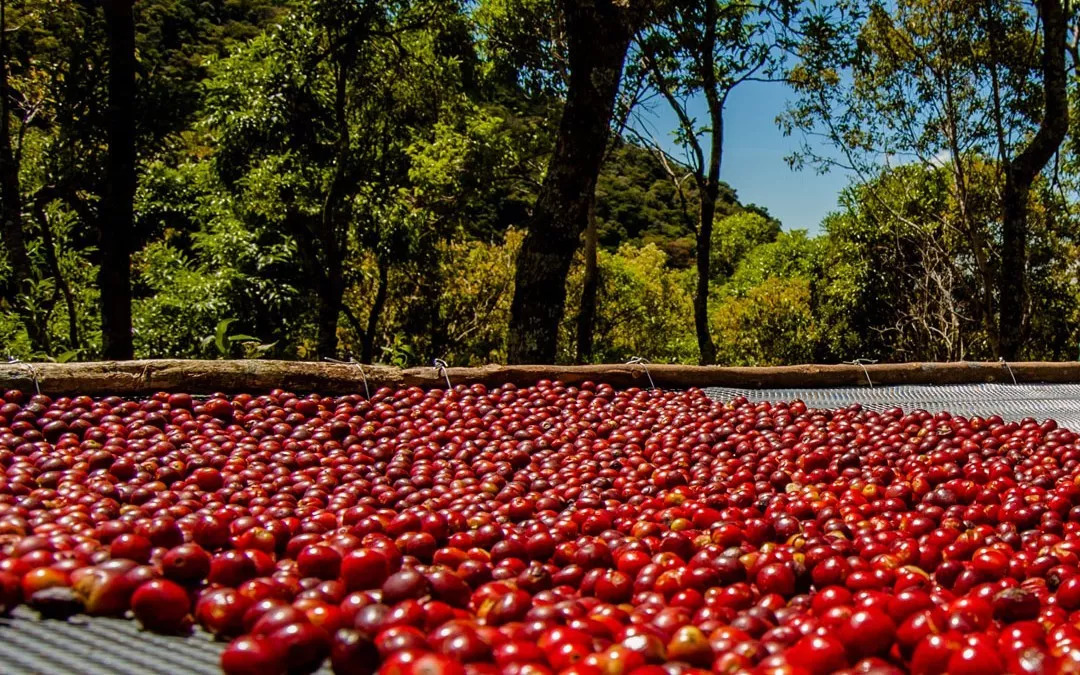
Coffee Origin Information
Origin: Ninety Plus Panama Geisha Estate.
Altitude: 1250-1650m.
Variety: Ethiopian heirloom original variety.
Processing method: Natural.
Flavor characteristics: Intense cherry, carob, vanilla, tropical fruit, and mixed-juice flavors; mango, pineapple, carob, banana, plum, red grape, honey, peach.
Three-Stage Pour-Over Method
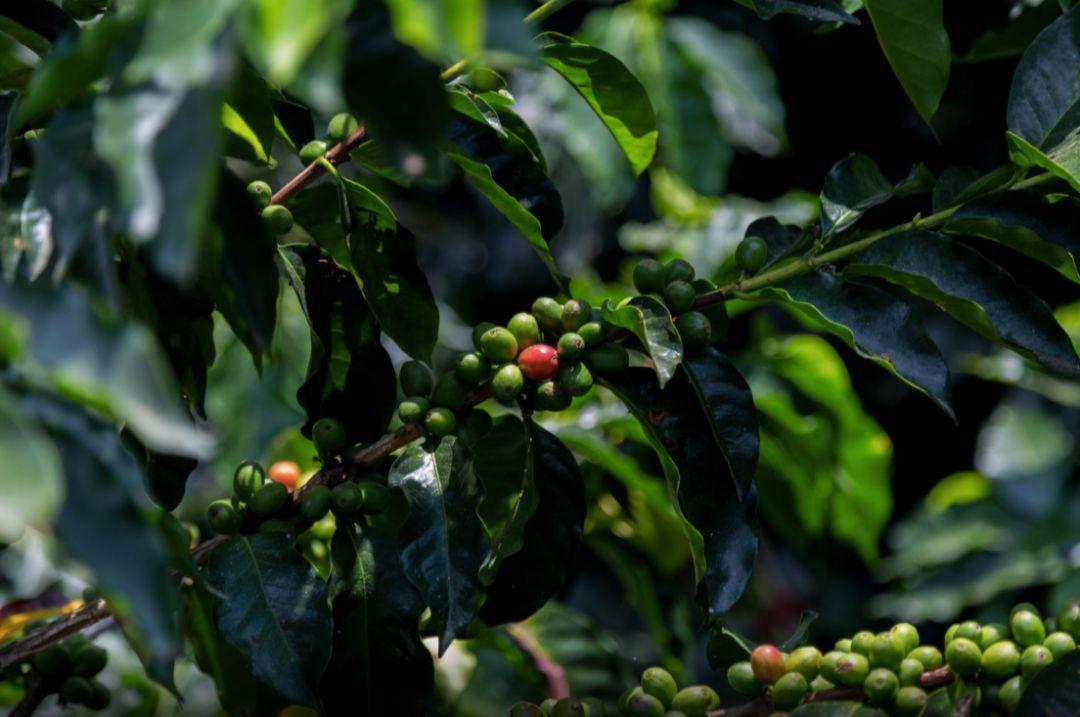
Today FrontStreet Coffee introduces a go-to method for hand-pouring Geisha coffee: the three-stage method.
Three-Stage Pour Method
Segmented extraction: one portion of water divided into three pours.
Suitable for light, medium-light, and medium roast coffee beans.
Uses the Kalita wave filter (cake cup).
Lengthen the bloom or add pour interruptions to enhance the richness of the brew.
Three-Stage Pour Segmented Extraction
Advantages: More layered than a single-pour brew, clearly separating the coffee's front, middle, and back-end flavors. After each bloom, increase the water volume, usually pouring when the coffee level is about to drop to the surface of the grounds, using small, medium, and large flows across the three stages.
Disadvantages: Demands more skill in controlling flow rate and volume.
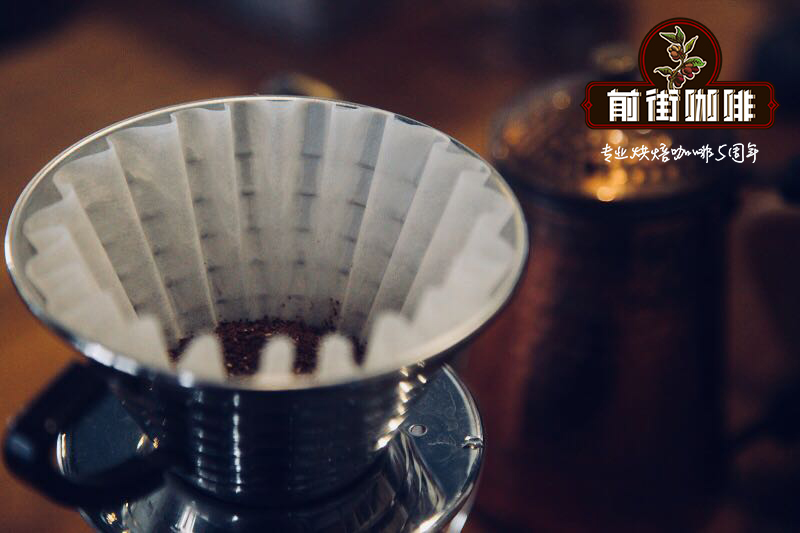
FrontStreet Coffee's Geisha Hand-Pour Parameter Recommendations
Cake cups brew with immersion, increasing the contact area between grounds and water. Compared with a V60 they improve texture and make the cup taste more viscous.
15g of coffee, water temperature 91-92°C, grind size BG 5R (64% pass rate on the Chinese standard 20 mesh sieve), coffee-to-water ratio close to 1:15-16.
Method: Start with 27g of water for a 30-second bloom, pouring clockwise in circles centered on the middle of the filter cup. Start timing as you begin: pour to 27g, stop, and wait 30 seconds before the first main pour.
Pour the first stage in circles as before, slightly slower, speeding up a little as you reach the outer circle. Stop around 1:15 on the timer; when the level drops by 1/3, pour again. Keep the second pour focused on the center, avoiding the seam where the grounds meet the filter paper to prevent channeling. End extraction around 2:05. Discard the tail (the longer it runs, the more astringency and rough texture build up).
Segments: 30-125-230g
FrontStreet Coffee Recommendation
If this Ninety Plus Panamanian Geisha fascinates you, FrontStreet's Panama Esmeralda lineup is the place to continue. The Red Label Gesha - officially "Esmeralda Special" - grows at 1,600-1,800 meters, must cup above 90 points, and comes in single-plot, individually numbered lots (FrontStreet's is from the Harimiu plot), so you can chase exactly the nuance you enjoy. The Green Label "Private Collection" mixes lots from several plots into Esmeralda's emblematic high-altitude Gesha flavor at a more accessible price - arguably the best value in estate Gesha.
For Gesha at its birthplace, try FrontStreet's Geisha Village Gold Label and Red Label from Ethiopia: the estate, built by a couple 12 miles from the Gesha forest on 475 hectares, grows three Gesha varieties - Gori Gesha, Geisha 1931, and Illubabor Forest - graded into Gold (RARITIES), Red (GROWERS RESERVE), Green (SINGLE-TERROIR), and CHAKA lots. The Gold Label, a Geisha 1931 accounting for 10% of production, is the estate's top coffee outside auction lots and a frequent competition choice; the Red Label, a Gori Gesha making up 15% of output and scoring 88+ on the SCA 100-point scale, offers full lot-level traceability. Whichever you choose, brew it as a pour-over with 15g of coffee, 91°C water, and a 1:16 ratio to let the florals and fruit sing.
Important Notice :
FrontStreet Coffee is a long-established specialty coffee roaster in Guangzhou China, selling freshly roasted beans from its own farm in Yunnan as well as dozens of carefully selected single-origin beans from around the world for both pour-over and espresso. The products deliver consistently excellent quality and great value, with shipping within 24 hours. Guangzhou's FrontStreet Coffee shop is recommended by many coffee lovers, and the beans are now available online at the Tmall 。
FrontStreet Coffee has moved to a new address:
FrontStreet Coffee Address: 315,Donghua East Road,GuangZhou
Tel:020 38364473
 Scan and follow the En Gafei WeChat official account. Please indicate that the reprint comes from "En Gafei".