Parameters Suggestions for Pour-Over Brewing of Ethiopia Gura Estate Natural Geisha - How to Make the Best Tasting Geisha Pour-Over Coffee
Product Introduction
Product Name: FrontStreet Coffee · Ethiopia Granja Estate Native Geisha Natural Process
Processing Method: Natural Process, Light Roast
Flavor Profile: Perfume, Red Pitaya, Flat Lime Sprite
Origin: Ethiopia · Guji · Granja Processing Station
Altitude: 1350-1600 meters

Coffee Origin and Processing
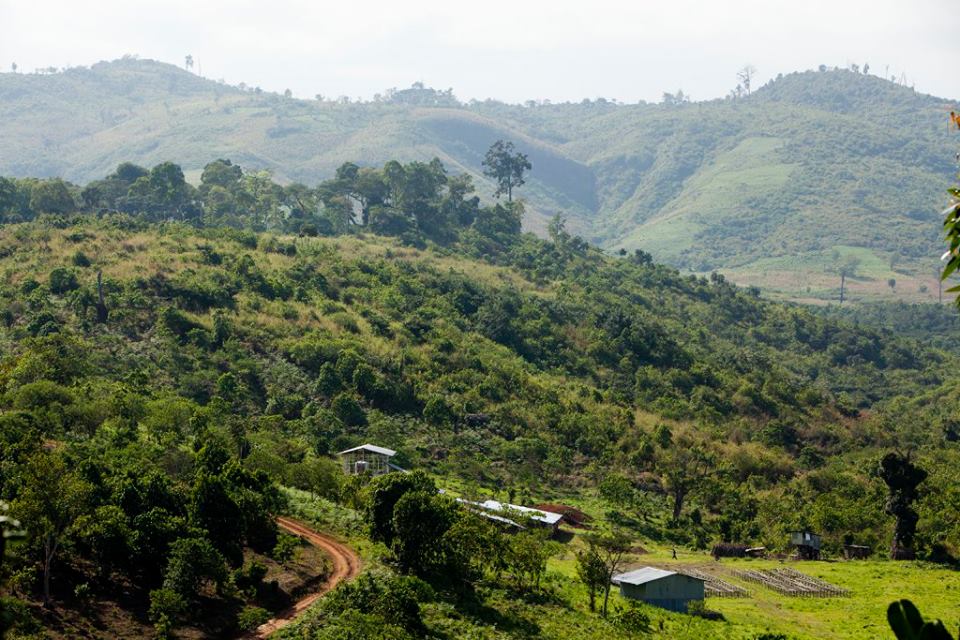
This FrontStreet Coffee Ethiopia Geisha comes from the Granja Processing Station, located where the Kochere and Granja Abaya regions meet. The station was established in 2014 and is run by Mr. Israel Degefa. The coffee-growing area surrounding the station spans some 700 hectares, most of it uncultivated land with fertile soil and shade trees everywhere you look.
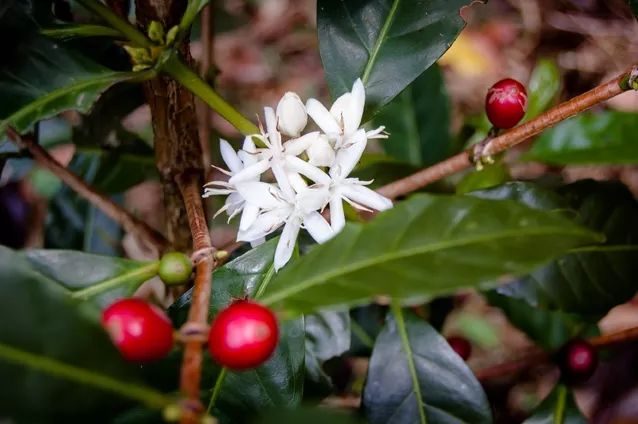
Thanks to the fertile soil of the original rainforest and the well-shaded growing environment, this Ethiopian native Geisha shows far more layered complexity than you might expect.
Only fully ripe cherries are picked by hand, then dried on raised beds. Depending on the weather, drying takes 14-20 days, and the result is the Granja Estate Natural Geisha that ends up in your cup.
FrontStreet Coffee's Ethiopia Geisha — Granja Estate Natural Geisha — is roasted to a medium level, which brings out even better balance. Expect light strawberry jam and pineapple flavors, with a finish that carries the texture of brown sugar. It may not be one of the "mystical" Geishas, but it is remarkably approachable.
Three-Stage Pour-Over Brewing Method
Here FrontStreet Coffee introduces a pour-over technique we use often with this Geisha: the three-stage method.
Three-Stage Pour-Over Method
Segmented extraction — one total water volume divided into three pours.
Suitable for light, medium-light, and medium roast coffee beans.
Uses a Kalita wave dripper (cake cup).
Lengthening the bloom time or adding pauses between pours intensifies the coffee's flavor strength.
Segmented Extraction Approach of Three-Stage Pour-Over
Advantages: More layered than a single-pour brew, letting you clearly distinguish the front, middle, and back-end flavors of the coffee. The technique involves increasing the water volume after each bloom, typically pouring just as the liquid is about to drop below the coffee bed, using small, medium, and large water flows across the three stages.
Disadvantages: Demands precise control of pour speed and water volume.
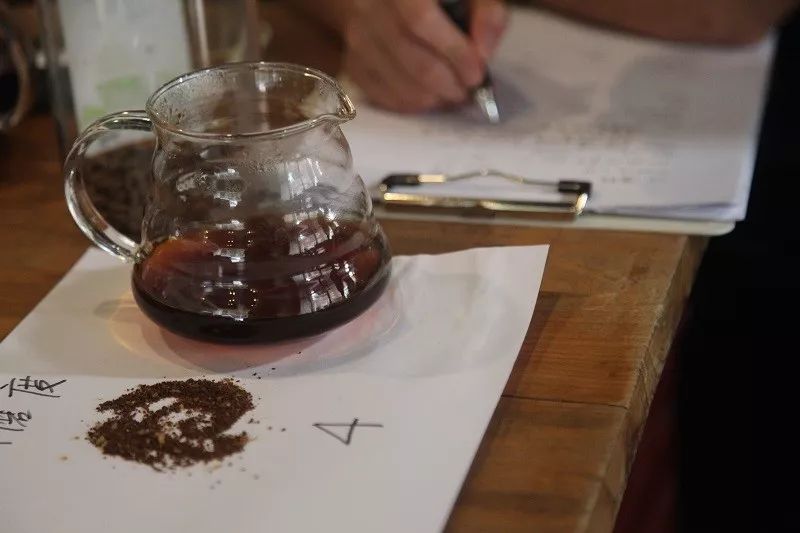
FrontStreet Coffee Geisha Pour-Over Parameter Recommendations
The wave dripper works by immersion, enlarging the contact area between coffee grounds and water. Compared to a V60, it enhances body and delivers a more syrupy, viscous mouthfeel.
Parameters: 15g of coffee, water temperature 91-92°C, grind at BG 5R (64% pass rate on the Chinese standard 20-mesh sieve), coffee-to-water ratio close to 1:15-16
Technique: Start with a 27g bloom lasting 30 seconds. Pour the hot water from your gooseneck kettle in clockwise circles centered on the middle of the dripper. Start timing as the brew begins: pour to 27g, stop, and wait 30 seconds before the first main pour.
During the first pour, keep circling as before but slightly slow your pour speed; as you reach the outer circle, speed up a little. Stop pouring at around 1:15. When the liquid level has dropped by about 1/3, pour again. For the second pour, concentrate on the center, and never let the stream hit the line where the grounds meet the filter paper — that causes channeling. End the extraction at around 2:05. The very tail of the brew is best left out — the longer the drawdown drags on, the more astringency and rough texture creeps in.
Segments: 30-125-230g
FrontStreet Coffee Recommendation
If this Granja Estate Native Geisha piqued your curiosity about Ethiopian Geisha, here is how FrontStreet Coffee would suggest exploring further.
FrontStreet Coffee Granja Estate Geisha (Entry Level) — The very bean featured in this article, and our go-to recommendation for anyone tasting "the Geisha flavor" for the first time at a friendly price. Roasted medium-light, it keeps a pleasant white floral character while highlighting bright citrus acidity — orange, guava, and mandarin — with an elegant ginger-flower aroma, the full sweetness of ripe fruit, a silky-smooth texture, and the refined finish that defines the Geisha variety.
FrontStreet Coffee Geisha Village Gold Label (Advanced) — Geisha Village is a 475-hectare estate built just 12 miles from the original Geisha forest in Ethiopia, planted with varieties selected for their closeness to Panamanian Geisha. The Gold Label comes from the Geisha 1931 variety and accounts for only 10% of the estate's total output — it is Geisha Village's top non-auction coffee and is frequently chosen by competing baristas at international events. This lot is meticulously natural-processed, cupping with complex, layered flavors: distinctive dry aroma, juicy sip notes, and a lingering finish.
Important Notice :
FrontStreet Coffee is a long-established specialty coffee roaster in Guangzhou China, selling freshly roasted beans from its own farm in Yunnan as well as dozens of carefully selected single-origin beans from around the world for both pour-over and espresso. The products deliver consistently excellent quality and great value, with shipping within 24 hours. Guangzhou's FrontStreet Coffee shop is recommended by many coffee lovers, and the beans are now available online at the Tmall 。
FrontStreet Coffee has moved to a new address:
FrontStreet Coffee Address: 315,Donghua East Road,GuangZhou
Tel:020 38364473
 Scan and follow the En Gafei WeChat official account. Please indicate that the reprint comes from "En Gafei".