What is the Ideal Pour-Over Water Temperature for Ethiopia Geisha Heirloom? Which Pour-Over Dripper is Best for Heirloom Geisha
Guji, A Star Region Separated from Yirgacheffe
2009
Ethiopia implemented a new trading and grading system, establishing the Ethiopia Commodity Exchange (ECX). Coffee and other agricultural products were auctioned through this official institution. In addition to Yirgacheffe, three new sub-regions were added: Wenago, Kochere, and Genlena Abaya, a sign that the flavor profiles of these three areas are exceptionally refined and deserve further subdivision.
2010
Just as Yirgacheffe became famous and widely known, Guji was established as an independent region by the ECX in 2010, thanks to its superior geography and cup quality.
Famous sub-regions include Abaya, Gelana, Hambela Wamena, and Shakiso.
Ethiopia's administrative divisions have four levels, from largest to smallest: Region, Zone, woreda, and kebele. Most green coffee names follow this convention. The Guji-Shakisso coffee discussed here sits southeast of the famous Yirgacheffe region, administratively under Oromia Region → Guji Zone, a true regional-origin green coffee.
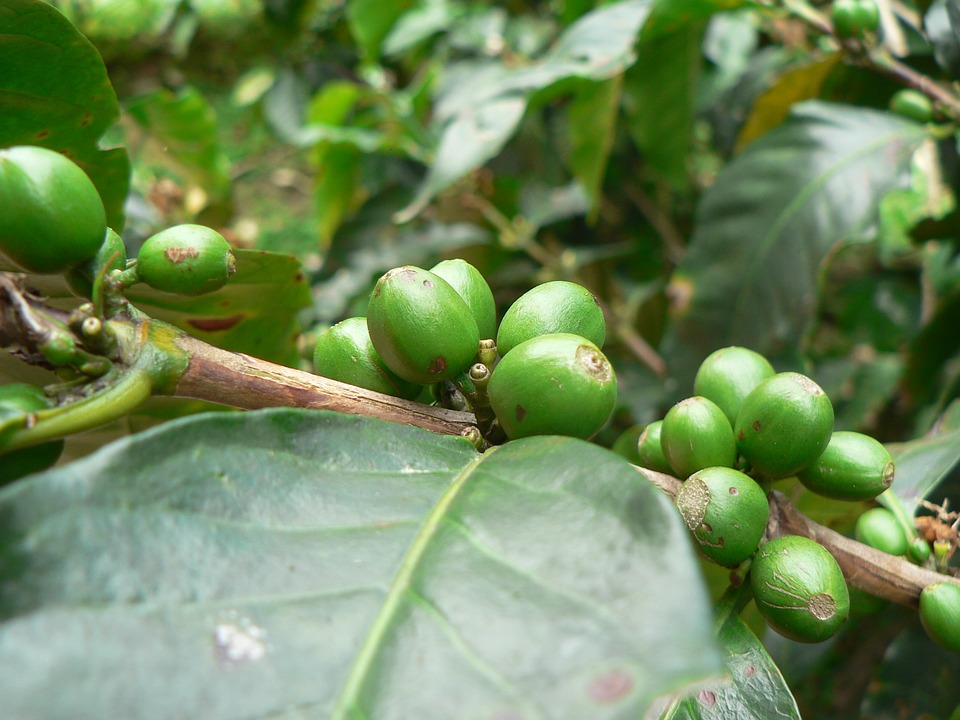
In recent years Yirgacheffe has been Ethiopia's most attention-grabbing region. Compared with Yirgacheffe, Guji is less well known, but during the 2015 price surge for Yirgacheffe, international specialty buyers began scouting neighboring regions such as Sidamo, Limu, and Jimma. Many promising regions and producers were discovered in succession, like the previously introduced Limu Gera and Jimma Agaro Yukro, both excellent specialty beans.
Guji's coffee is genuinely distinctive and has repeatedly captured market attention. The legendary lot "Nekisse," launched by Ninety Plus at the end of 2009, originally meaning "Nectar from Shakisso", both comes from and is named after the Guji region. Another coffee, "Derar Ela" from Level Up, also from Guji, won consistent praise from domestic industry professionals and scored an excellent 95 points from Coffee Review in April 2014.
This native (heirloom) Geisha coffee comes from the Gelana processing station in Ethiopia's Guji region. Natural-processed and lightly roasted, it carries the aroma of red dragon fruit and a lime-soda fragrance. In sweetness, acidity, and richness alike it is remarkably well balanced, a coffee bean that cannot go wrong.
FrontStreet Coffee's Common Pour-Over Method for Geisha: The Three-Stage Technique
Three-Stage Pouring Method
Segmented extraction: one full charge of water divided into three pours.
Suitable for light, medium-light, and medium roast beans.
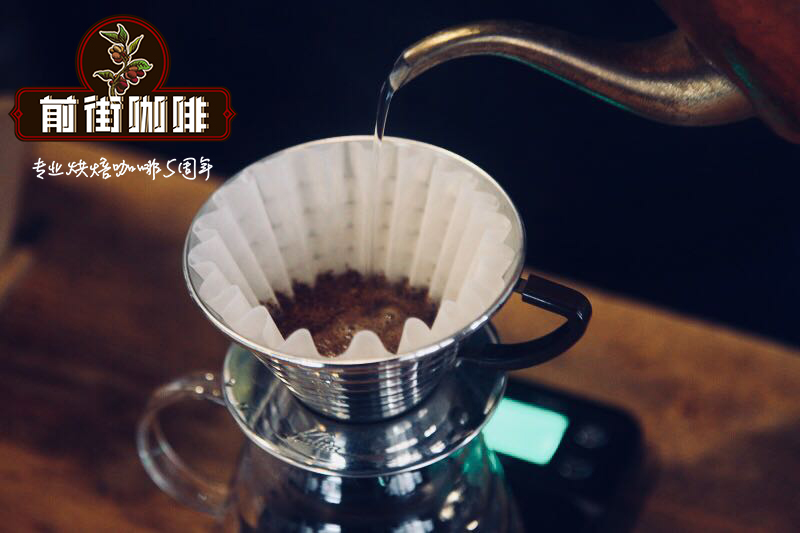
Uses a Kalita wave dripper (cake cup).
Extending the bloom, or adding pause points between pours, deepens the richness of the coffee's flavor.
Three-Stage Segmented Extraction
Advantages: More layered than a single pour, you can clearly distinguish the front, middle, and back-end flavors of the coffee. After the bloom, each pour adds more water than the last, typically timed for when the coffee liquid is about to sink to the surface of the bed, using small, medium, and large flows for the three stages.
Disadvantages: Demands a higher standard of flow control and precision.
FrontStreet Coffee's Geisha Pour-Over Parameter Recommendations
Using a wave dripper (cake cup) for near-immersion extraction increases the contact area between grounds and water, improving texture compared with the V60 and yielding a more viscous mouthfeel.
15 g of coffee, water temperature 91–92°C, grind BG 5R (64% pass rate on a Chinese standard 20-mesh sieve), coffee-to-water ratio close to 1:15–16.
Technique: Bloom with 27 g of water for 30 seconds. Using water from the pour-over kettle, pour in clockwise circles centered on the middle of the dripper. Start timing when brewing begins: pour to 27 g, stop, and wait 30 seconds before the first pour.
For the first pour, circle as before but slightly slower, speeding up a little at the outer edges. Stop pouring at around 1:15. When the liquid level drops by one-third, pour again. The second pour should focus on the center, avoiding the seam where the grounds meet the filter paper to prevent channeling. End extraction at around 2:05. You can skip the tail section, the longer it runs, the more astringency and rough texture build up.
Segmentation: 30–125–230 g
FrontStreet Coffee Recommendation
FrontStreet Washed Yirgacheffe (daily drinker): If you're new to Ethiopian coffee, start with the classic FrontStreet washed Yirgacheffe. It is known for white jasmine florals, bright citrus and lemon acidity, and a tea-like body, and its friendly price has made it the first bean for many people entering specialty coffee. Yirgacheffe is a small town in Ethiopia's Sidamo zone, at roughly 1,700–2,100 meters, with coffee trees planted above 1,800 meters, among the highest coffee regions in the world. Its instantly recognizable white florals and lemon-citrus acidity made "Yirgacheffe" a byword for Ethiopian specialty coffee; so famous had the name become that in 2010 the Ethiopia Commodity Exchange formally separated it from Sidamo.
FrontStreet Worka (Guodingding) Cooperative: Few people realize the Yirgacheffe zone breaks down into many small sub-regions and villages, several home to experienced, well-run cooperatives whose coffee rises to another level. The most representative is the washed Worka Cooperative from Guodingding village, located in the Worka growing area at Yirgacheffe's southeastern edge. Originally part of the Worka cooperative under the Yirgacheffe Coffee Farmers Cooperative Union (YCFCU), it was later identified by coffee hunters worldwide as a "single sub-region" as traceability grew in demand. Using the most traditional washed processing, it has been called "the last pure land of Yirgacheffe": none of the old bitter tones, just fresh, bright citrus and lemon acidity and jasmine fragrance that many coffee lovers fall for at first sip.
FrontStreet Natural Red Cherry: Also from Yirgacheffe, the Red Cherry beans are fully-red-cherry natural processed: only completely ripe, defect-free cherries are picked, screened once at the station, and laid directly on drying beds, turned every 2–3 hours for the first several days to prevent uneven heating and over-fermentation. After three to five weeks of sun drying, workers machine-strip the dried pulp depending on weather and temperature, then move the beans to storage. Because the fruit dries on the bean, it keeps classic Yirgacheffe character while gaining tropical fruit aromatics: citrus acidity, berry-juice juiciness, honeyed sweetness, and a creamy smoothness.
Brewing suggestions: Dripper: V60. Water temperature: 90–91°C. Dose: 15 g. Ratio: 1:15. Grind: EK43s at setting 10 / fine-granulated-sugar size (80% pass through a No. 20 sieve). FrontStreet's method: pour 30 g for a 30-second bloom, then pour 95 g (scale reads about 125 g), finishing the pour around 1:00; when the water level drops to two-thirds of the bed, pour the remaining 100 g (scale reads about 225 g), finishing around 1:35. Dripping completes at 2:00–2:10, remove the dripper and the extraction is done.
Important Notice :
FrontStreet Coffee is a long-established specialty coffee roaster in Guangzhou China, selling freshly roasted beans from its own farm in Yunnan as well as dozens of carefully selected single-origin beans from around the world for both pour-over and espresso. The products deliver consistently excellent quality and great value, with shipping within 24 hours. Guangzhou's FrontStreet Coffee shop is recommended by many coffee lovers, and the beans are now available online at the Tmall 。
FrontStreet Coffee has moved to a new address:
FrontStreet Coffee Address: 315,Donghua East Road,GuangZhou
Tel:020 38364473
 Scan and follow the En Gafei WeChat official account. Please indicate that the reprint comes from "En Gafei".