Recommended Water-to-Coffee Ratio for Costa Rica Natural Geisha Pour-Over_Dona Estate Geisha Coffee
A COE auction lot of natural Geisha from Costa Rica — the estate behind it, and the pour-over method FrontStreet Coffee recommends for it.
This natural Geisha comes from Doña Clemencia Estate, located in San Francisco de San Isidro, Heredia, at an altitude of 1,300 meters, and processed at the Brumas mill. Juan Ramon Alvarado acquired the land four years ago and began planting Geisha. The estate was named Doña Clemencia in memory of Don Juan Ramon's mother.
Over the past three years, the estates supplying the Brumas mill — and the lots it processes — have repeatedly achieved excellent results in Cup of Excellence competitions. Strict bean selection, refined processing, and rigorous quality control have earned its coffee recognition at home and abroad.
Beneficio Brumas del Zurqui was founded by the Rodríguez Carballo family in 1880 and is now managed by Juan Ramón Alvarado Rodríguez. Finca Doña Clemencia is a new estate he purchased, renamed to honor his mother. Just one hectare is planted with Geisha. 2017 marked its very first harvest, in limited quantity. The lot entered the Costa Rica Cup of Excellence and took 28th place — the very batch offered in the international auction.
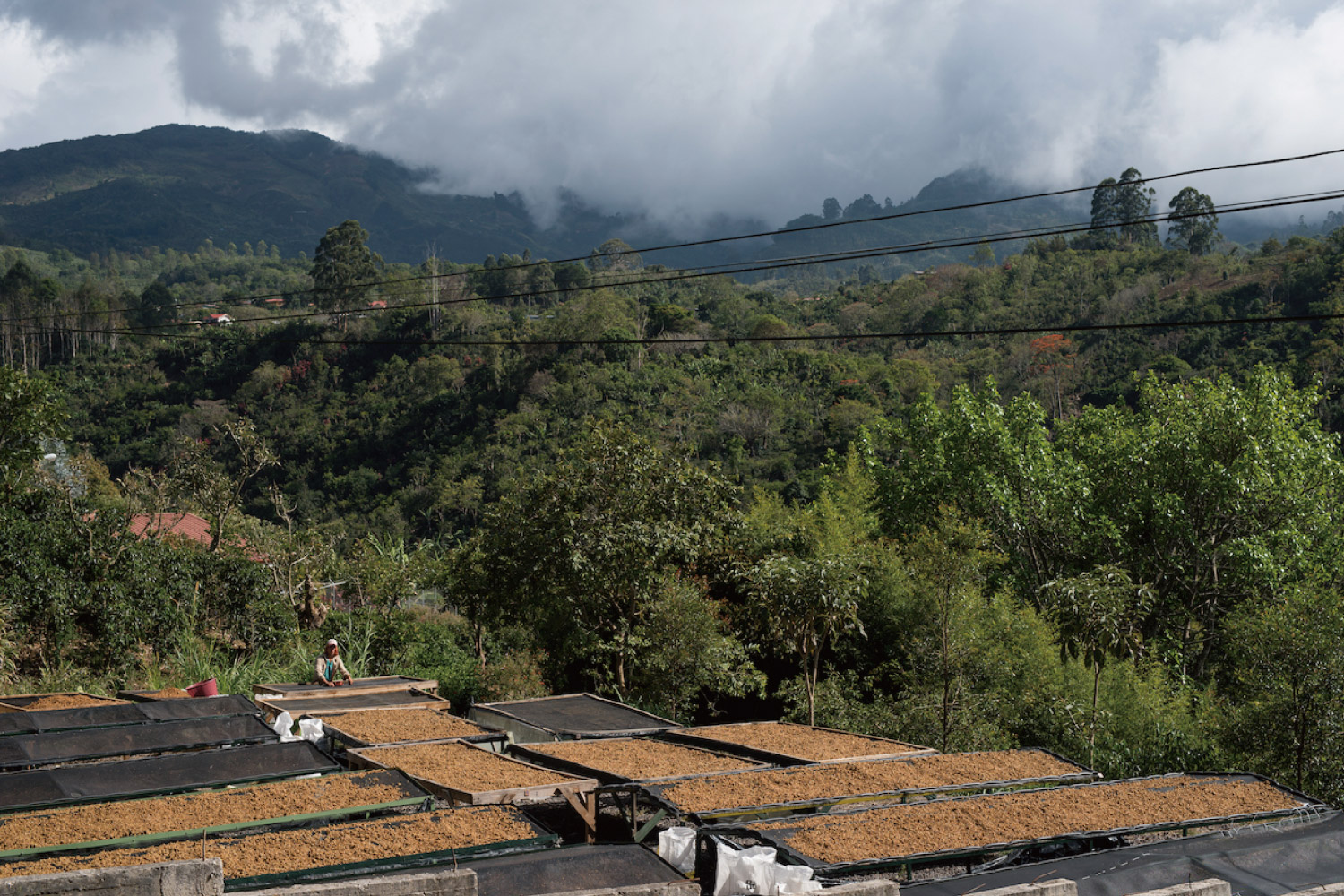
When Juan Ramón Alvarado Rodríguez first established his mill in the Central Valley in 2002, only three small processing plants operated in the area, his included. Costa Rica has an extremely long coffee-growing history, but in the past 10-odd years its innovative "dry" processing has taken the world by storm. These new methods — collectively known as "honey processing" — use the pulping machine to dial in how much mucilage remains, producing a "honey sensation" that ranges from light to strong (white, yellow, red, black) as the retained mucilage deepens. Each grade has its own merits in acidity, aromatics, and richness. Honey processing was pioneered by Costa Rica, and the country also developed the characteristic micro-mill model, so that every small farm could run its own processing system — handling everything from harvest to finished green coffee and expressing its own style through unique processing. Finca Brumas del Zurqui has its own family-run green bean mill. "Brumas" originally means "valley full of clouds and mist." Besides growing its own coffee, the estate assists neighboring farms and smallholders with processing. Coffee has been planted there since 1880. In 2006, Brumas won the Costa Rica National Coffee Competition championship, and its honey-processed lots immediately drew attention from coffee buyers worldwide. Ever since 2007, Brumas coffee has sold out before the competitions even begin.
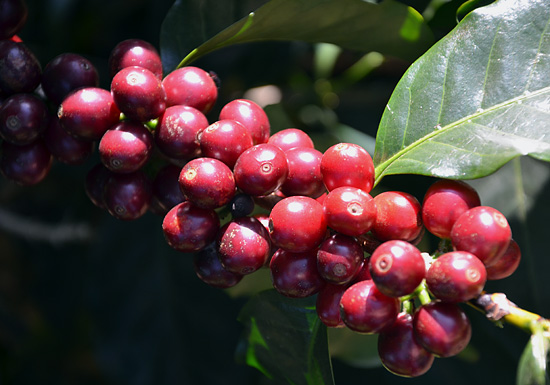
After cupping and scoring by domestic and international judges, this Geisha scored 87.88 points, with floral notes, grapefruit, green apple, cherry, apple, white peach, dark chocolate, and sugarcane; a lively malic acidity with a phosphoric sparkle; and a long, complex, round, and balanced aftertaste.
Today, FrontStreet Coffee introduces its commonly used pour-over method for Geisha coffee: the three-stage method.
Three-Stage Water Injection Method
Segmented extraction, dividing the brewing water into three separate pours.
Suitable for light roast, medium-light roast, and medium roast beans.
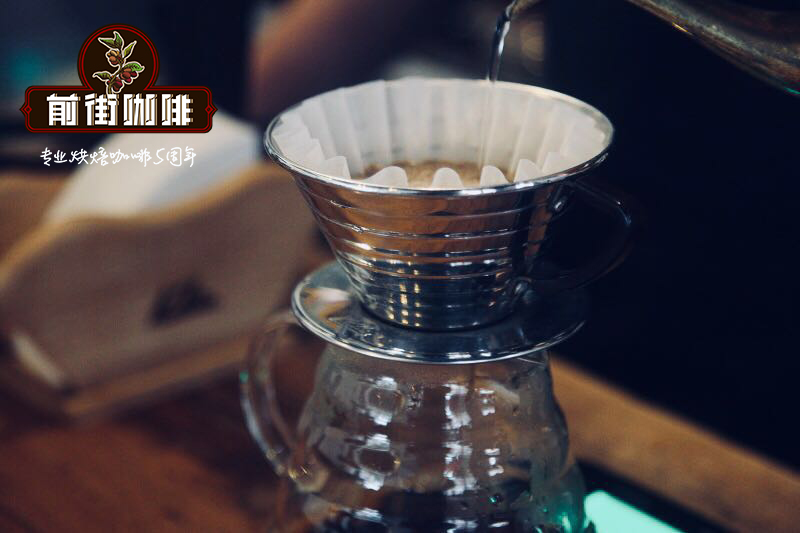
Uses a Kalita wave dripper.
Lengthening the bloom or adding more pour pauses deepens the richness of the cup.
Three-Stage Segmented Extraction Method
Advantages: More layered than a single-pour brew, clearly distinguishing the coffee's front, middle, and back-end flavors. The technique is to increase the water volume with each pour after the bloom, usually pouring just as the liquid level drops to the coffee bed, using small, medium, and then larger flows across the three stages.
Disadvantages: Requires tighter control of flow rate and volume.
FrontStreet Coffee's Geisha Pour-over Parameter Recommendations
The wave dripper works by immersion, enlarging the contact area between coffee and water. Compared with a V60 brew, it yields a more viscous texture and fuller body;
15g of coffee, water temperature 91-92°C, grind BG 5R (64% pass-through rate on the Chinese standard #20 sieve), water-to-coffee ratio close to 1:15-16.
Method: Bloom with 27g of water for 30 seconds. Draw clockwise circles centered on the middle of the dripper with the kettle's hot water. Start timing when brewing begins: pour to 27g, stop, and wait 30 seconds before the first pour.
For the first pour, circle as before at a slightly slower pace, speeding up a little at the outer edge of the bed, and stop at around 1:15. When the liquid level drops by 1/3, pour again. The second pour concentrates at the center; the stream should not hit where the coffee meets the filter paper, to avoid channeling. End extraction around 2:05. The tail can be omitted (the longer it runs, the more astringency and roughness build).
Segments: 30-125-230g
FrontStreet Coffee Recommendation
If this auction-lot Geisha has awakened your curiosity about the variety, FrontStreet Coffee offers a ladder of Gesha options. Newcomers should start with FrontStreet Coffee's Panama Boquete Gesha — an entry-level Gesha that delivers the classic Panamanian profile of orange-blossom sweetness, oolong-tea delicacy, and fine fruit acidity at a friendly price.
At the top of the range, FrontStreet Coffee's Esmeralda Red Label Gesha ("Esmeralda Special") grows at 1,600-1,800 meters, and every batch must cup above 90 points. Each batch carries its own independent lot number and comes from a single small plot — the Red Label offered by FrontStreet comes from the Mario block — letting buyers choose the exact micro-plot that matches their taste.
Important Notice :
FrontStreet Coffee is a long-established specialty coffee roaster in Guangzhou China, selling freshly roasted beans from its own farm in Yunnan as well as dozens of carefully selected single-origin beans from around the world for both pour-over and espresso. The products deliver consistently excellent quality and great value, with shipping within 24 hours. Guangzhou's FrontStreet Coffee shop is recommended by many coffee lovers, and the beans are now available online at the Tmall 。
FrontStreet Coffee has moved to a new address:
FrontStreet Coffee Address: 315,Donghua East Road,GuangZhou
Tel:020 38364473
 Scan and follow the En Gafei WeChat official account. Please indicate that the reprint comes from "En Gafei".