Panama Geisha Coffee Beans Pour-Over Tutorial - How to Brew Geisha Drip Coffee for the Best Taste?
For more specialty coffee knowledge, please follow our official WeChat account: FrontStreet Coffee
To brew a delicious cup of coffee, you must first understand the coffee beans. FrontStreet Coffee believes that whether the coffee beans are expensive or affordable, as long as they are good coffee beans, you can brew a delicious cup with proper technique.
Today, FrontStreet Coffee will introduce the rising star Geisha coffee beans. How much do you know about Geisha coffee beans? Geisha is actually just a coffee variety, its name coming from the translation of "Geisha." It belongs to the same category as Typica, Bourbon, and others. Geisha originally grew in the forests of Ethiopia. In 1931, it was introduced from Geisha Mountain in southwestern Ethiopia to coffee research institutes in Kenya and Tanzania, then later transplanted to Uganda and Costa Rica. During the 1960s-70s, it was introduced to Panama by Don Pachi Estate from Costa Rica.

At that time, because of low yield, tall plants that were difficult to harvest, and being far less popular than Caturra and Catuai varieties, Geisha trees were often used as windbreak trees. It was not until Panama's Hacienda La Esmeralda separated it from other varieties in 2003 and it became the BOP competition champion in 2004 that the Geisha variety officially entered everyone's spotlight.
Growing Conditions for Geisha Coffee
Geisha coffee trees have high requirements for their growing environment and are quite "picky." They need to be planted in areas with high altitude, cloud shade or extensive shade tree coverage, and fertile soil to develop rich and captivating floral aromas, delicate and elegant fruit acidity, and a tea-like aftertaste.

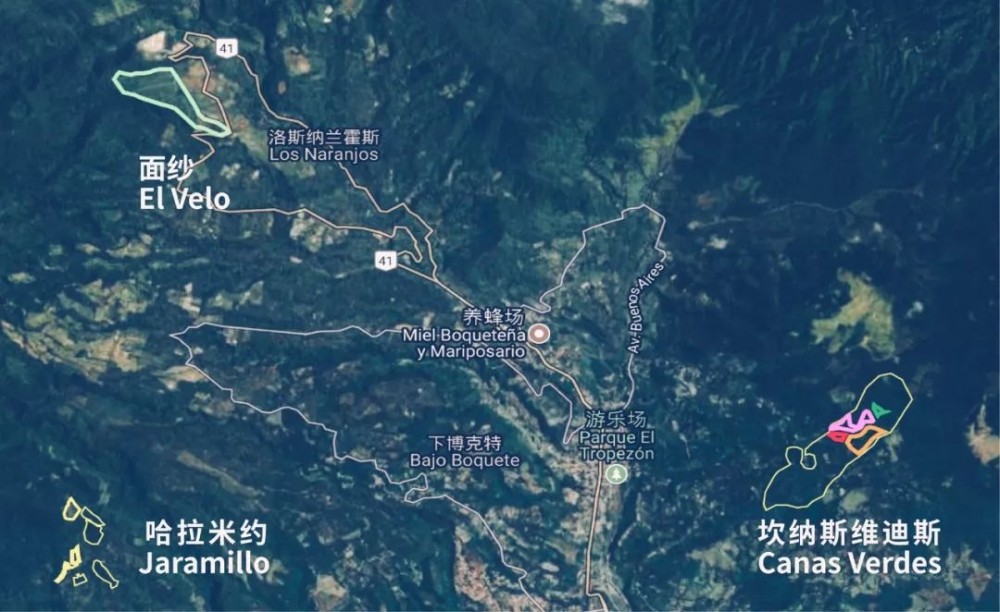
Panama's climate is particularly suitable for growing Geisha coffee. Bordering Costa Rica and Colombia, Panama's east-to-west orientation allows cold air currents to flow through the central mountains and converge at altitudes above 1,900 meters. This creates a very unique microclimate in the Boquete and Piedra de Candela regions, with temperatures and rainfall perfectly suited to plant growth. This microclimate region is the main production area for Panama coffee. Besides the climate, the surrounding land is nutrient-rich, and fertile soil provides perfect growing conditions for coffee, shaping numerous unique, high-quality coffees. FrontStreet Coffee believes it is precisely these various factors in the Panama region that allow Geisha coffee beans to develop delicate and elegant fruit acidity as well as distinct floral aromas, and it is because of these flavors that Panama's Geisha coffee has become popular worldwide.
Global Geisha Cultivation
Since Geisha coffee became famous in Panama, it has been cultivated worldwide, with even Yunnan now growing Geisha coffee. Although Geisha is being cultivated in various places such as Ethiopia, Colombia, Guatemala, Costa Rica, and even Yunnan in China, factors like climate, altitude, temperature and humidity, sunlight duration and intensity, soil fertility, irrigation water, and the growers themselves all affect coffee flavor. None have achieved flavors as outstanding as Panama Geisha. Geisha varieties are therefore diverse, each with its own characteristics. While Panama is mainstream, FrontStreet Coffee believes that Geisha coffees from other producing countries and regions are also worth trying.
Besides Panama Geisha, FrontStreet Coffee also offers Ethiopia's Geisha Village Red Label, Colombia's Hanami Coffee, and Costa Rica's Mirasu Coffee, all very popular single-origin coffees.
Hacienda La Esmeralda's Product Classification
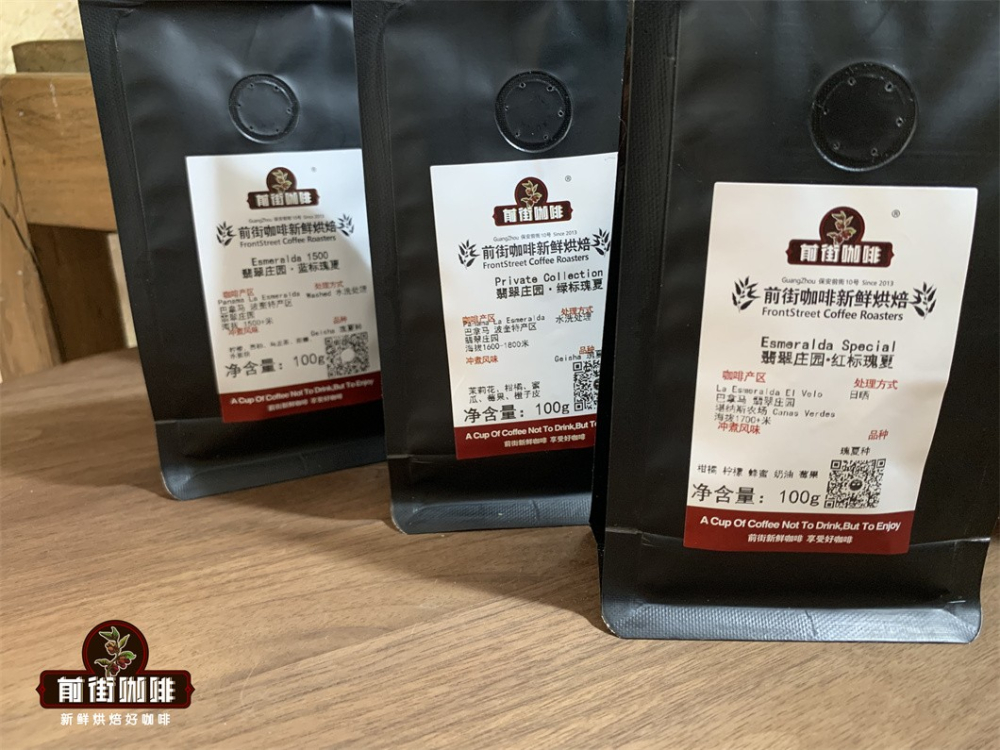
As the "discoverer" of Geisha, Hacienda La Esmeralda began dividing its estate into plots early on and established a series of product positioning. It initially consisted of three Geisha brands and two non-Geisha brands: Esmeralda Special, Private Collection, and Geisha 1500. The Catuai varieties had two brands: Diamond Mountain and Palmyra.
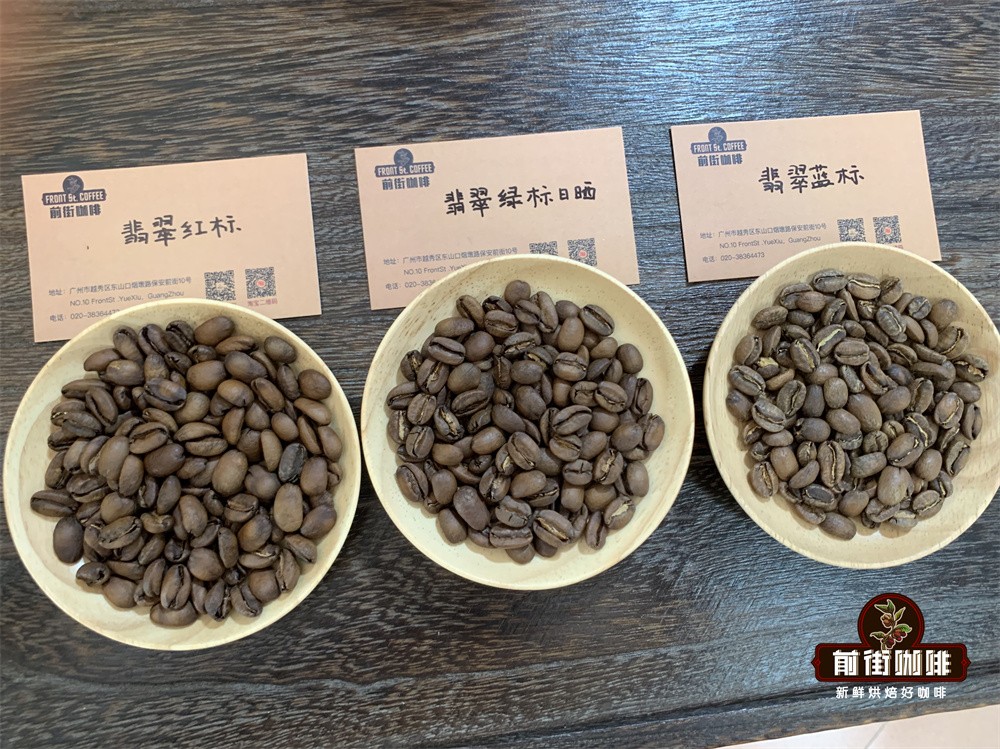
Later, because of changes in the international market, Geisha's global popularity, and other Panama estates also exploring Geisha's potential, Hacienda La Esmeralda made corresponding product adjustments between 2020-2022. These included separating auction batches from the red label to create an independent product line, Auction Batches. The red label retained its original attribute of traceable specific plots, becoming the highest-grade product in non-auction sales. The green label does not emphasize specific plots but is a blend harvested from various plots at 1,600-1,800 meters altitude, still maintaining the classic Esmeralda Geisha flavor. The blue label series, which offered the best value, was discontinued.
How to Brew Geisha Coffee
Because of Geisha coffee's characteristics of floral and fruity aromas, honey sweetness, and a clean, bright mouthfeel, Geisha coffee beans are typically roasted to medium-light levels. When brewing, FrontStreet Coffee's baristas use a finer grind to increase the contact area between coffee particles and water, and use a higher water temperature to accelerate the dissolution rate of coffee substances.
FrontStreet Coffee Brewing Recommendations
To brew a good cup of coffee, freshness is crucial in addition to the coffee variety. FrontStreet Coffee believes that coffee bean freshness is a very important factor in brewing. All coffee beans shipped by FrontStreet Coffee are roasted within 5 days, because FrontStreet Coffee deeply understands that bean freshness greatly affects flavor. FrontStreet Coffee's roasting philosophy is "Freshly Roasted Good Coffee," ensuring that every customer receives the freshest coffee when their order arrives. The coffee resting period is about 4-7 days, so when customers receive their coffee, it is at peak flavor.
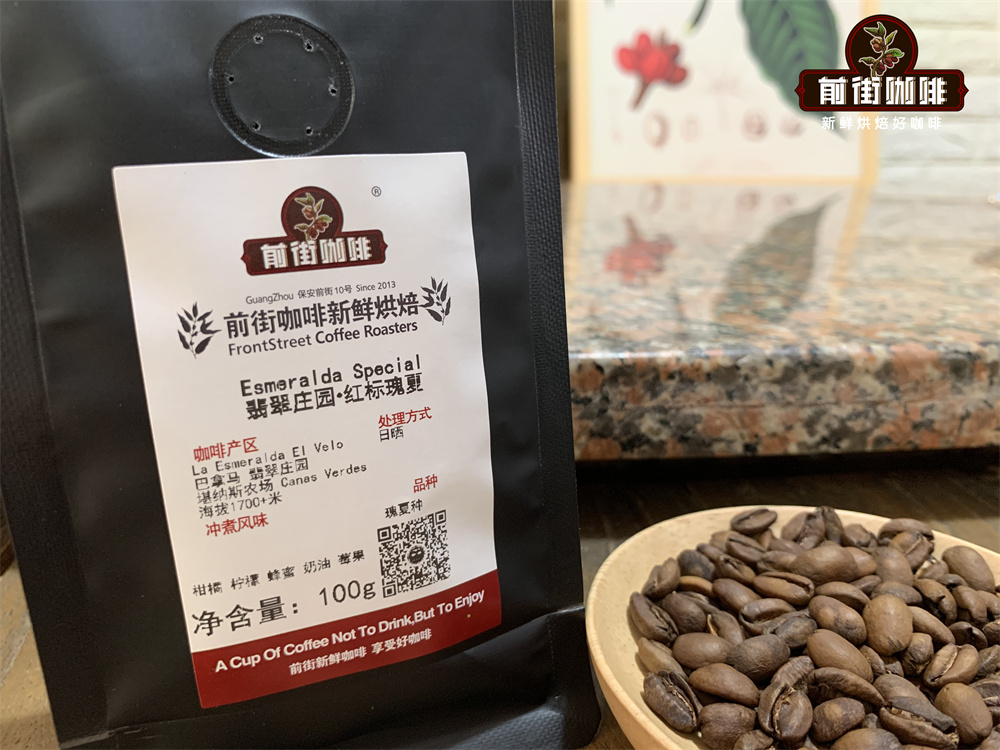
Of course, some customers need FrontStreet Coffee to grind the beans for them, which is perfectly fine. FrontStreet Coffee must remind you, however: once coffee beans are pre-ground, there is no need for a resting period, because during transportation the pressure from carbon dioxide buildup in the packaging also helps round out the coffee flavor, so you can brew a cup immediately upon receiving the ground coffee. Ground coffee needs to be brewed promptly, though, because it oxidizes quickly when exposed to air, meaning the coffee flavor will dissipate relatively quickly and the coffee will not taste as good. FrontStreet Coffee therefore recommends buying whole beans and grinding fresh before brewing to better experience the coffee's flavor.
FrontStreet Coffee's Three-Stage Geisha Brewing Process
First, prepare your equipment (V60 dripper, 15g coffee, 1:15 coffee-to-water ratio, 91°C, coffee ground to fine sugar size (medium-fine/China No. 20 standard sieve 80% pass rate)).

Step 1: Pour in the coffee grounds and begin the first water injection while starting the timer. First, inject 30g of hot water in circular motions from the center outward. The coffee grounds will absorb water and slowly expand, forming a puffed "coffee dome." This process is called blooming. Blooming allows the coffee grounds to release internal carbon dioxide, making subsequent extraction more stable.
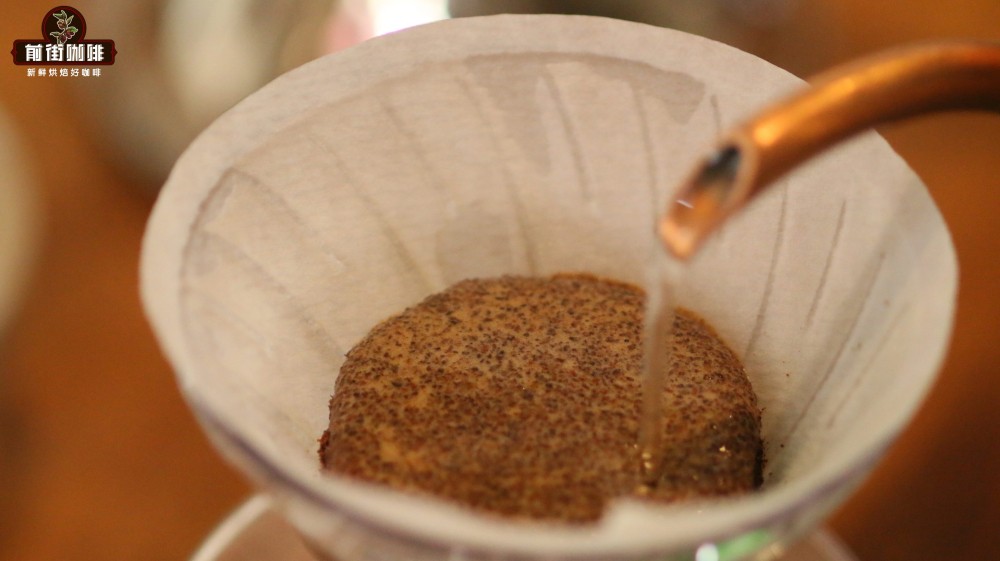
Step 2: Stop pouring when you reach 30g of water and wait for the 30-second bloom. Starting at the 31st second on the scale, begin the second water injection, pouring in circular motions from the center outward. Keep the water flow steady and vertical. When the water column impacts the coffee bed, foam will appear. This brewing stage releases coffee foam that spreads across the entire surface of the grounds, with the liquid level rising to the bottom of the ribs. The water amount for this stage is 125g.
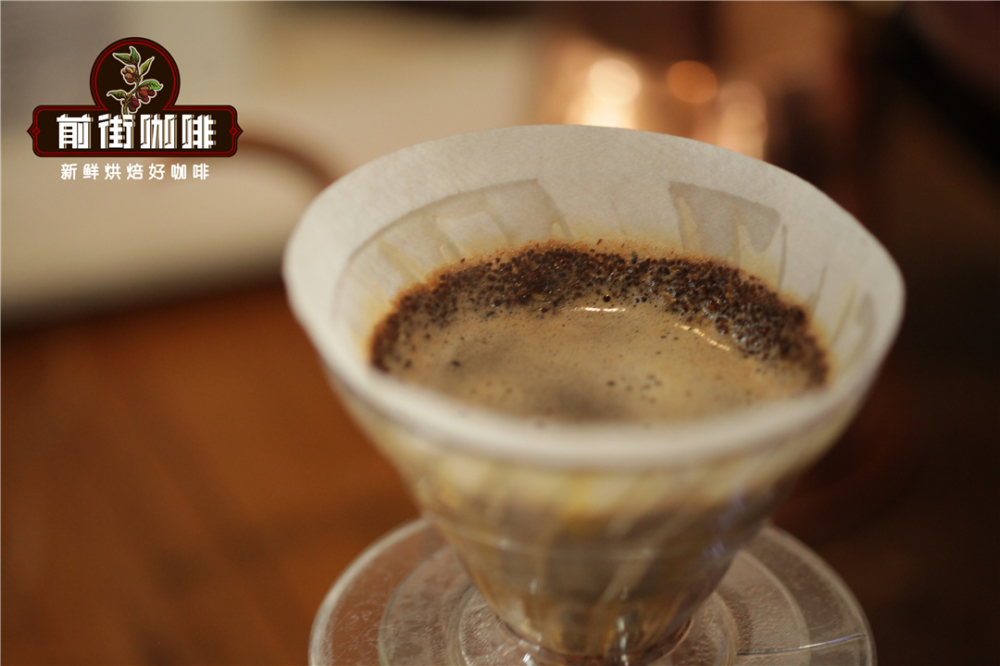
Step 3: When the liquid level drops to about halfway, begin the final water injection. Similarly, pour 70g in a circular motion from the center outward. The originally dark brown foam transforms into light yellow coffee foam, and the liquid level returns to the same height as during the second injection. Once all the coffee liquid has flowed into the server, remove the dripper to finish extraction. The entire coffee brewing time is 2'00".
FrontStreet Coffee's Geisha Coffee Flavor Profiles
FrontStreet Coffee's Panama Hacienda La Esmeralda Red Label Geisha Coffee: Bright rose and citrus aromas, brown rice, berries, apricot, complex fruits, honey, with a substantial juicy texture and rich flavor layers with distinct sweetness.
FrontStreet Coffee's Panama Hacienda La Esmeralda Green Label Geisha Coffee: Rich jasmine floral aroma, high sweetness, citrus, berries, juicy texture, cream, green tea, orange peel, cantaloupe, with overall rich flavor layers and a persistent floral and citrus aftertaste.
FrontStreet Coffee's Panama Volcanic Rock Coffee: Ginger flower, citrus, honey, pomelo.
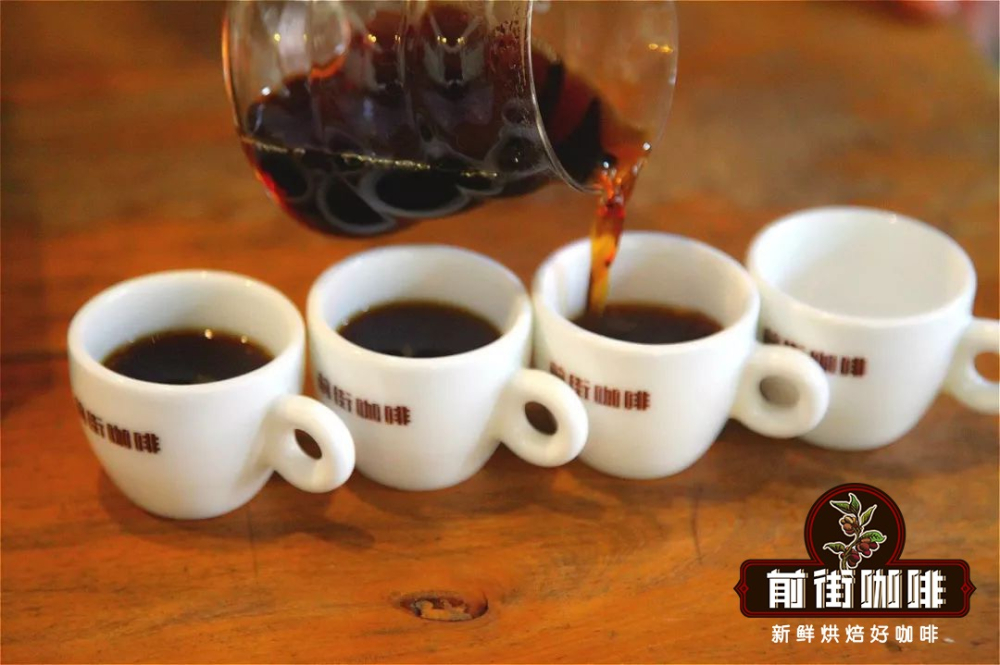
FrontStreet Coffee offers several varieties of Geisha coffee from different producing countries and various types from different regions. If you want to experience Geisha coffee flavor without too much trouble, you might consider purchasing Geisha drip bag coffee. With just hot water and a cup, you can brew a delicious Geisha black coffee anytime, anywhere.
Geisha Drip Bag Brewing Tutorial
Because drip bag coffee requires pre-grinding, the coffee grounds have more contact area with air than whole beans, making aromas more likely to dissipate. FrontStreet Coffee therefore recommends using freshly roasted Panama Geisha coffee beans for production, resulting in a fuller aroma when brewed. FrontStreet Coffee hopes every customer can experience the delicate flavors in coffee, so it only ships coffee beans roasted within 5 days, ensuring customers receive them during the optimal tasting period.

Brewing drip bags can be very simple: just pour a certain amount of hot water over the coffee grounds, wait for the coffee liquid to drip through, and the entire extraction process is complete. The flavor of drip bag coffee is related to many factors, such as coffee-to-water ratio, water temperature, pouring method, and so on. If you want to brew a cup of drip bag coffee with good flavor and mouthfeel, FrontStreet Coffee suggests paying attention to the following details during operation to make the coffee in your cup taste better.
First, we need to prepare sufficiently hot water, because only at high enough temperatures can more aromatic compounds be released from the coffee grounds. When brewing pour-over coffee, FrontStreet Coffee recommends using water temperatures between 86-93°C. If the temperature is only around 80°C, the brewed coffee tends to be bland and tasteless, while boiling water easily extracts bitter flavors. FrontStreet Coffee therefore leaves boiled water uncovered at room temperature for 1-2 minutes to let the temperature drop to around 90°C.

First, we need to prepare a container for the coffee, a kettle for pouring water, and sufficiently hot water. A sharing pot or drinking cup will work.

Tear open the sealed package, take out the coffee drip bag, and tear open the non-woven fabric pocket along the dotted line. Pull the two "ears" apart to fully open the drip bag, then hang it on the edge of your cup or sharing pot.

First, moisten all the coffee grounds in the first stage, blooming for about 10-20 seconds. In the second stage, pour steadily with a small water flow until the liquid level is nearly full, then wait for the coffee liquid to drop down until it finishes flowing.

Pour the final stage of water until full, wait until all the coffee liquid has finished dripping, then gently shake to mix evenly, and you can begin enjoying your coffee.
FrontStreet Coffee Recommendation
If you want a good Geisha without overpaying, it helps to know the types first. FrontStreet Emerald Red Label Geisha, officially named "Esmeralda Special," is grown at 1,600-1,800 meters, with each batch cupped above 90 points and given an individual number, and with all the coffee in a batch coming from a single small plot (FrontStreet's Red Label, for example, comes from the Harry Mijo plot), letting buyers choose a batch that suits their preference for subtle flavors. FrontStreet Emerald Green Label Geisha, originally named "Private Collection," takes its common name from the green background of its brand label. According to the Emerald Estate's official website, the Green Label series, unlike Red Label, does not emphasize detailed plot information and is instead a blend of batches from multiple plots, mainly expressing the estate's signature high-altitude Geisha character. It can be understood as a Geisha batch without plot separation, and its more affordable price makes FrontStreet Emerald Green Label excellent value.
Newcomers who want a first taste of the fabled "Geisha flavor" are usually pointed first to FrontStreet Boquete Geisha from Panama, an entry-level Geisha that lets you enjoy the classic Panama orange-honey character at an approachable price, with an oolong tea-like body and delicate fruit sweet-tartness in distinct layers. Ethiopia, the birthplace of coffee, also has the Gesha Village estate, known for the Geisha variety, with a grading system every bit as strict as Panama's: Panama's Emerald Estate divides its Geisha mainly into Red Label and Green Label, while Gesha Village's system is even more complex. It grows three Geisha varieties, Gori Gesha, Gesha 1931, and Illubabor Forest, and grades them as Gold Label RARITIES, Red Label GROWERS RESERVE, Green Label SINGLE-TERROIR, and CHAKA batches, while also distinguishing the different varieties. The Gesha Village Gold Label belongs to the Gesha 1931 variety and accounts for 10% of Gesha Village's total production; it is the estate's top coffee outside the auction and is often chosen by baristas competing internationally. FrontStreet's Gold Label batch uses a refined natural process and offers complex, rich flavors that show the charm of this Geisha batch in both the distinctive dry aroma and the slurped flavor and finish. The FrontStreet Gesha Village Red Label belongs to the Gori Gesha variety and accounts for 15% of coffee production; it scores 88 or above on the SCA 100-point scale and is the estate's single-terroir series, so every lot has complete traceability information including the farm block name, coffee variety, and processing date.
Also from Ethiopia, FrontStreet Genlana Geisha comes from the Genlana Gesha farm in Yirgacheffe, a rare estate growing only a single variety. This coffee is from the Genlana processing station at the border of Ethiopia's Kochere and Genlana Abaya producing areas; the station was founded in 2014 and is run by Mr. Israel Degefa, and the coffee growing area around it covers as much as 700 hectares, most of it uncultivated, with fertile soil and shade trees everywhere. Thanks to the fertile soil and well-shaded growing environment of the original rainforest, this Ethiopian heirloom Geisha shows more varied layers. Cherries are hand-picked fully ripe and then given a raised-bed natural process, drying for 14-20 days depending on the weather, which is how this delicious Genlana estate natural Geisha comes to be. FrontStreet's Genlana estate Geisha is suited to medium-light roasting and, once brewed, shows bright citrus acidity, elegant ginger flower aroma, the full sweetness of ripe fruit, a fine, silky body, and the refined finish that marks the Geisha variety.
Geisha is a medium-light roasted floral-fruity type with a relatively hard texture that easily sinks and clogs the drain hole when brewing, so FrontStreet recommends a grind of about 78% pass-through on a China standard No. 20 sieve (roughly caster-sugar size) and a brewing temperature of 91°C. For pour-over, FrontStreet uses 15g of coffee with a small Hario V60 dripper at a 1:16 ratio, then a three-stage technique: start the timer and pour to 30g for a 30-second bloom, then a second stage of small-flow circling pours to 125g; wait until the water in the bed drops to half, then continue small-flow circling pours to 225g, and when everything has dripped through, the total extraction time is about 2 minutes 10 seconds to 2 minutes 20 seconds. Beyond pour-over, Geisha can also make an SOE: extracting a single origin under pressure is a way to get richer flavor from espresso, since dark-roasted beans often give only a monotonous heaviness without surprising, lively notes. FrontStreet Genlana estate Geisha SOE is therefore a good choice, a premium Ethiopian single origin roasted medium, carrying not only Geisha's floral-fruity character and ripe dried-fruit sweetness but also the white florals and lemon-like bright acidity of Ethiopian coffee, so that as espresso it becomes dried apricot, caramel, and nut. Before extracting, set a plan and adjust the parameters to it: FrontStreet's plan is 20g of coffee, a 1:2 coffee-to-liquid ratio, 25 seconds of extraction, and 40g of coffee liquid. For a Geisha SOE Americano, add 200g of hot water at 1:5 for orange, nut, and blueberry flavors; for a Geisha SOE latte, add 200g of milk for the silky mouthfeel of a cream cookie. To satisfy more fans, FrontStreet also offers an affordable stand-in Geisha, FrontStreet Strawberry Candy, which blends a Costa Rican honey-process coffee with Panama Geisha so the cup has both delicate florals and sweet fruit, and it works not only for pour-over but also in a moka pot and a coffee machine, and of course as a refreshing cold brew. Making Geisha cold brew is very simple: prepare 30g of FrontStreet Strawberry Candy coffee beans, grind to caster-sugar size (9 on an EK43s grinder, or 24 on a C40 hand grinder), pour into a clean vessel, add 360g of room-temperature drinking water at a 1:12 ratio, stir well, cover with plastic wrap, and refrigerate. After 8 hours of chilling, filter out all the grounds with filter paper, then seal the coffee liquid and return it to the refrigerator to rest for 3 hours, and the Geisha cold brew is ready, with grape juice, rose, sweet orange, and fruit wine flavors on entry.
Important Notice :
FrontStreet Coffee is a long-established specialty coffee roaster in Guangzhou China, selling freshly roasted beans from its own farm in Yunnan as well as dozens of carefully selected single-origin beans from around the world for both pour-over and espresso. The products deliver consistently excellent quality and great value, with shipping within 24 hours. Guangzhou's FrontStreet Coffee shop is recommended by many coffee lovers, and the beans are now available online at the Tmall 。
FrontStreet Coffee has moved to a new address:
FrontStreet Coffee Address: 315,Donghua East Road,GuangZhou
Tel:020 38364473
 Scan and follow the En Gafei WeChat official account. Please indicate that the reprint comes from "En Gafei".