Kenya Thika | Gethumbwini Estate Washed SL28, SL34 Beans Flavor Profile
Kenya Thika Region | What Are the Flavor Characteristics of Gethumbwini Estate's Washed SL28 and SL34 Beans?
Kenya, a giant of the coffee market and a model country for premium coffee, is home to the outstanding Gethumbwini Estate. Acquired by France's SOCOFINAF company in 1957, the estate has been meticulously managed and cultivated for 80 years, making it a designated Kenyan supplier for European green bean merchants and roasters. When the 2007 WBC Tokyo competition champion adopted it [WBC → World Barista Championship], Gethumbwini's reputation soared. Located at 1,800 meters in the Aberdare Mountains near Thika, Kenya, the estate spans roughly 360 hectares with annual temperatures between 15-26°C. Combined with the rich, fertile red volcanic soil of the Thika region, Gethumbwini offers an ideal environment for exceptional coffee.
Beans are harvested from June to July and October to December. The processing at Gethumbwini may well represent the next stage of development other coffee farmers will face. The estate runs its own processing facility with about 100 employees, expanding to around 200 during harvest. Fully ripe, red cherries are hand-picked and trucked to the plant, where the pulp is removed and the beans are washed before fermentation. After floating off the defective beans, they are naturally sun-dried on elevated racks that keep them off the ground, then polished and finished. From harvest to final packaging, Gethumbwini enforces a rigorous, precise sequence of processes.
The strictness extends to the smallest details—even the bags are tied with jute rope rather than standard white cotton string.
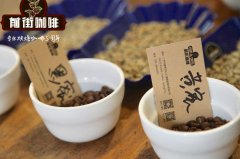
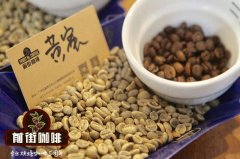
Gethumbwini beans run roughly 20% larger than typical Kenyan beans, with a vibrant green color [Brooge has comparison images]. The hand-sorting defect rate is around 9%. Roasted to a light level (City roast), the weight loss ratio is 18%, with hollow and defective beans accounting for 8%. In the early roasting phase, the beans' hardness and high moisture create pronounced sounds against the drum walls; as the roast moves through dehydration into development, a grape-like acidity aroma emerges that is truly impressive.
Coffee Details
Varieties: SL28, SL34
Altitude: 1675m
Processing Method: Washed and rack-dried
Flavor Profile by Roast Level
Light Roast City (Fragrant): The dry fragrance after grinding shows pronounced peanut powder and cinnamon notes—immediately captivating, with an elastic, lively character. The wet aroma after brewing carries a sweetness reminiscent of apple soda when deeply inhaled. On the palate, acidity races from the sides toward the back and flips into sweetness in an instant, triggering continuous salivation for an extended stretch. The apple flavor lingers, and the winey (grape-acidity) aftertaste as the cup cools is especially appealing. We recommend resting this coffee for 8-10 days before brewing it light: the acidity mellows into preserved-fruit sweetness with remarkable depth and complexity. Taste it carefully and you'll recognize Gethumbwini's distinctive character right away.
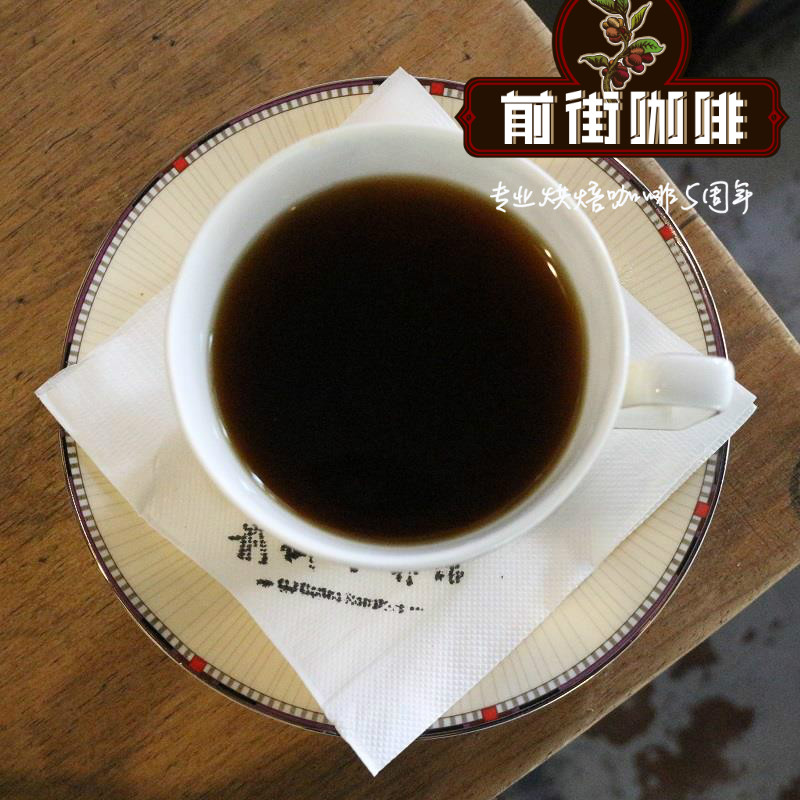
Medium-Dark Roast (Typical C): After first crack begins, cut the heat by 20% and let the beans carry through the stage. With the acidity and astringency tamed, these beans become truly exceptional coffee: hazelnut aroma, honey sweetness, and rich body. The aftertaste leaves a raspberry sweetness you'll be reluctant to dilute with water—which is why it became the chosen bean of the 2007 WBC Tokyo champion: exceptionally sweet with mellow purity. Poured over, the liquid is deep in color; pulled as espresso, it produces abundant, thick crema.
FrontStreet Coffee's Recommended Brewing Method:
Dripper: Hario V60
Water Temperature: 90°C
Grind Size: Fuji Mini Mill setting 3.5
Technique: A 1:15 ratio with 15g of coffee. Pour 25g of water first and bloom for 25 seconds. Second pour to 120g, then pause. When the water level in the bed drops to halfway, continue pouring slowly up to 225g total. Total extraction time should be around 2:00.
Analysis: This three-stage method cleanly delineates the front, middle, and back-end flavors. Because the V60's many ribs drain quickly, the pauses help stretch out the extraction.
FrontStreet Coffee Recommendation
Washed processing is exactly what gives washed specialty beans their signature: bright fruit acidity, a clean, fresh cup, and the bean's own aroma front and center. Kenya is one of the world's great washed-coffee masters, famous for double washing—floating and soaking, washing away the residual mucilage, soaking again, then drying, hulling, and storing—layer after layer of rinsing that pushes the juice-like quality to its extreme. FrontStreet Coffee's Kenya Cherry Tomato is a shining example: a washed bean from the Thika region grown at 1550-1750 meters from SL28 and SL34 stock, fermented for 72 hours in Kenya's characteristic double-wash style, then roasted light. Expect dried cherry-tomato and floral dry fragrance, vivid cherry-tomato and dark plum flavors, bright and sturdy acidity like fresh-pressed juice, mid-palate sweetness of snow pear and black plum, and a clean, lingering finish of yellow sugar and green tea.
If you'd like to compare Kenya's washed intensity with Ethiopia's washed delicacy, FrontStreet Coffee's Washed Guodingding Cooperative from the Worka area of Yirgacheffe is the perfect counterpart: jasmine florals and bright citrus acidity at a medium-light roast, with green-tea and honey tones—equally at home as a pour-over, cold brew, or even espresso.
Important Notice :
FrontStreet Coffee is a long-established specialty coffee roaster in Guangzhou China, selling freshly roasted beans from its own farm in Yunnan as well as dozens of carefully selected single-origin beans from around the world for both pour-over and espresso. The products deliver consistently excellent quality and great value, with shipping within 24 hours. Guangzhou's FrontStreet Coffee shop is recommended by many coffee lovers, and the beans are now available online at the Tmall 。
FrontStreet Coffee has moved to a new address:
FrontStreet Coffee Address: 315,Donghua East Road,GuangZhou
Tel:020 38364473
 Scan and follow the En Gafei WeChat official account. Please indicate that the reprint comes from "En Gafei".