Fair Trade Association F.T.O | Sidamo Region - Shanta Golba Cooperative Natural Process
F.T.O Fair Trade Association | Flavor Profile of Shanta Golba Cooperative Natural Process Beans from Sidamo Region
For professional coffee knowledge exchange and more coffee bean information, please follow Cafe_Style (WeChat public account: cafe_style)
Ethiopia is the country where coffee was first discovered, and to this day its pristine forests still hold wild coffee plants that farmers harvest and use. Ethiopia is a country burdened by poverty, drought, and years of civil conflict, yet it remains one of the world's most important coffee producers in both quality and quantity. Ethiopian coffee falls into two main processing methods: 1. washed processing and 2. natural sun-dried processing. Today, every region, cooperative, and even smallholder farm in Ethiopia produces both types - whether in the celebrated Yirgacheffe region or in Sidamo province. Washed beans show gentle, restrained aromas with soft, understated citrus acidity and high cup-to-cup consistency, with the emphasis on mouthfeel; natural sun-dried beans display intense, prominent aromas with less obvious citrus acidity and complex, shifting flavors that excel in floral or fruity territory.
Ethiopia is currently the fastest-developing coffee country. Different regions create differences through processing methods, but even the same method yields different aromas and mouthfeels depending on the exact technique - often producing wonderfully surprising results. The natural sun-dried beans of Yirgacheffe and Sidamo differ noticeably: Yirgacheffe naturals carry higher moisture content, are mostly smaller beans, show lower but more stable aromas, and offer a richer mouthfeel. Sidamo's naturals impress with an overflowing strawberry aroma, though the body is thinner.
In recent years, many emerging small regions and cooperatives in Sidamo have begun marketing their coffee under their own cooperative names - a sign of confidence in their production and a bid to build brand reputation and loyalty in the coffee market. Their farmers insist on harvesting only mature cherries and rigorously manage every step. Whether washed or sun-dried, they produce unexpectedly fragrant coffees with excellent mouthfeel. That, we believe, is why Ethiopian coffee keeps coffee enthusiasts anticipating year after year.
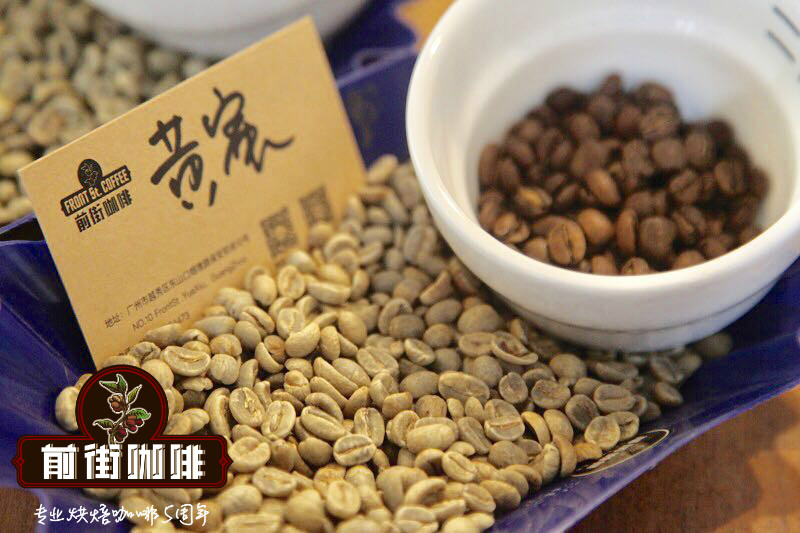
Third-place winner of the 2006 Ethiopian Coffee Competition - Shanta Golba Cooperative natural sun-dried beans, 2009 new crop. Shanta Golba is Fair Trade Organization (F.T.O) certified coffee, similar in flavor and mouthfeel to the Korate lot from last December. The difference: Korate's dry aroma (after grinding, before brewing) carries very strong strawberry-floral notes, but its wet aroma (after brewing) and mouthfeel are thinner, winning on florals alone. Shanta Golba's dry aroma is less intense, but the wet aroma reveals delicate blueberry notes on the first sip, with a richer, fuller mouthfeel that wins on berry fruit. Both are best rested for 7-9 days, allowing the aromatics and fruit acidity to reach their fullest expression. Also, beans that roast to a light orange color (with fermented raisin flavors) [pictured in Brouge] should not be sorted out - otherwise you lose the fermented, wine-like character that defines natural sun-dried coffee.
Light Roast (Fragrant)
The fresh, clean blueberry aroma is this natural sun-dried bean's greatest strength. The fruit acidity of hawthorn and plum carries a touch of fermentation. Take a deep breath with the cup at your nose and it is as if a jar of fruit brew has just drifted past. In the mouth, that fruit acidity turns into a winey aftertaste flowing between lips and teeth. This roast level is where Shanta Golba differs most from Korate: Korate's strong strawberry aroma can be smelled but not tasted, while Shanta Golba's blueberry cannot be smelled but can be tasted - the most fitting way to describe both.
Dark Roast (General)
At this roast level, the naturals give off cocoa aroma and the natural sweetness of hazelnut cake, with a rich, full mouthfeel and the smoothness of milk candy. The fermented note of the light roast transforms into the sweet smoothness of chocolate syrup. As the cup cools, the fuller body softens, offering abundant sweetness without a grain of added sugar.
The floral power of Ethiopian natural sun-dried beans has amazed the coffee market ever since the second half of 2008. Green bean suppliers flock to cooperatives across the country - and beyond the already famous regions, undiscovered remote mountain areas hold even more special, exotic, almost unbelievable beans waiting to meet the world. In 2009, Ethiopian beans were unquestionably the protagonists among African coffees.
Sidamo province is one of Ethiopia's most important coffee-producing regions, and its flavor range is remarkably wide. With abundant rainfall, fertile soil, and ideal climate, its washed beans come out clean and mature, sweet and refreshing, in a distinctive style built on berry, lime, cocoa, and nut flavors.
FrontStreet Coffee Recommends Brewing:
- Dripper: Hario V60
- Water Temperature: 90°C
- Grind Size: Fuji Royal R-440 grinder set at 3.5
- Brewing Method: 1:15 coffee-to-water ratio with 15g of coffee. First pour 25g of water for a 25-second bloom. Second pour up to 120g, then pause. Once the water level in the bed drops to half, continue pouring slowly up to 225g total. Extraction time: approximately 2:00.
Analysis:
The three-stage pour clearly separates the front, middle, and back of the flavor profile. Because the V60 has many ribs and drains quickly, pausing during the pour helps extend the extraction time.
FrontStreet Coffee Recommendation
If natural Sidamo blueberry-and-strawberry character is what you love, FrontStreet Coffee's natural Red Cherry Yirgacheffe belongs on your list. Built on the same principle - only fully ripe, defect-free cherries are picked, sorted at the station, and sun-dried on raised beds, turned every 2-3 hours in the early days to prevent uneven fermentation, then dried for three to five weeks before hulling - it delivers the best of both worlds: classic Yirgacheffe character plus the tropical fruit of natural processing, with citrus-like acidity, berry juiciness, honeyed sweetness, and a creamy smoothness.
For the washed side of Ethiopia, FrontStreet Coffee's washed Yirgacheffe is the go-to daily cup: white jasmine florals, bright citrus and lemon acidity, and a tea-like finish at a beginner-friendly price. And for a step up in refinement, FrontStreet's washed Guodingding (Worka) Cooperative lot - produced by a seasoned cooperative in the Worka area at the southeastern edge of Yirgacheffe - shows what a traceable single-microlot Ethiopian can be: no traditional bitterness at all, just clean, luminous citrus and lemon acidity wrapped in jasmine fragrance that wins people over at first sip.
Important Notice :
FrontStreet Coffee is a long-established specialty coffee roaster in Guangzhou China, selling freshly roasted beans from its own farm in Yunnan as well as dozens of carefully selected single-origin beans from around the world for both pour-over and espresso. The products deliver consistently excellent quality and great value, with shipping within 24 hours. Guangzhou's FrontStreet Coffee shop is recommended by many coffee lovers, and the beans are now available online at the Tmall 。
FrontStreet Coffee has moved to a new address:
FrontStreet Coffee Address: 315,Donghua East Road,GuangZhou
Tel:020 38364473
 Scan and follow the En Gafei WeChat official account. Please indicate that the reprint comes from "En Gafei".