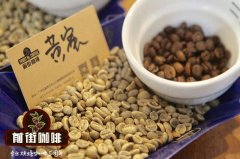
Review | Comparison of Flavor Characteristics of 3 Kenyan Coffees | How to Brew Kenyan Coffee by Hand?
Kenyan coffee, like other African origins, is renowned worldwide for its captivating acidity and aroma. Kenya is a tropical producing region with two rainy seasons a year, which allows two harvests: 60% concentrated from October to December, and the remaining 40% from June to August. Coffee is grown mainly in volcanic soils at elevations of 1600-2100 meters, from the capital Nairobi out to the Kenyan highlands. The mountain regions have lower temperatures and high-phosphate soils, where coffee grows slowly, allowing aromatic compounds to develop fully, which produces more pronounced fruit acidity and denser beans.
FrontStreet Coffee currently offers three Kenyan beans: Karatogito, Assaria, and Hania. Do they taste the same?
Growing Regions
Karatogito: Nyeri

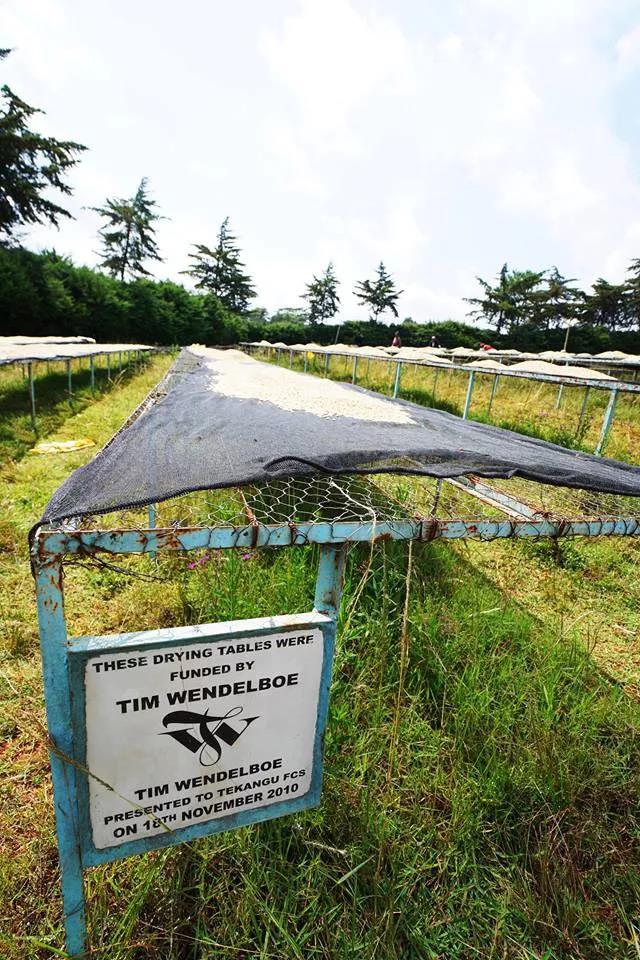
Nyeri lies in central Kenya around the dormant Mount Kenya volcano. The red soil here nurtures some of Kenya's finest coffee. Agriculture is extremely important, with coffee as the primary crop, and cooperatives formed by smallholders are more common than large estates. The region has two harvests, but coffee from the main season is typically of higher quality.
Harvest period: October-December (main season), June-August (secondary season)
Hania, Assaria: Kiambu, Thika
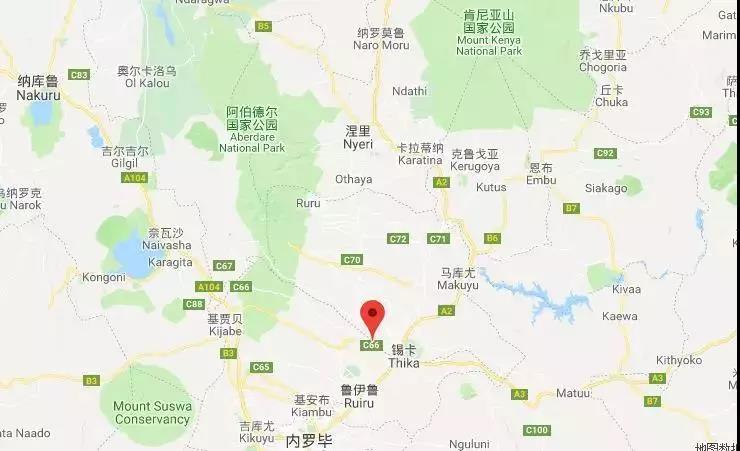
This is the highest coffee-growing area in central Kenya, with Thika as a secondary zone. It sits at the foothills of the Aberdare range, where the soil is red volcanic soil rich in organic matter. Thanks to its mild climate and moderate rainfall, Kiambu supports both estates and smallholders, though production is relatively small.
Harvest period: October-December (main season), June-August (secondary season)
Elevation
Karatogito: 1800 meters
Assaria: 1550-1750 meters
Hania: 1525 meters
Varieties
Karatogito, Assaria: SL28, SL34

Bourbon was the first variety brought to Kenya for cultivation. In the 1950s the agricultural research institution Scott Laboratories selected and bred two excellent hybrids, SL-28 and SL-34. Although SL28's yield later proved lower than expected, its copper-colored leaves and broad bean shape produce wonderful sweetness, balance, and complex, shifting flavors, along with distinctive citrus and black plum character.
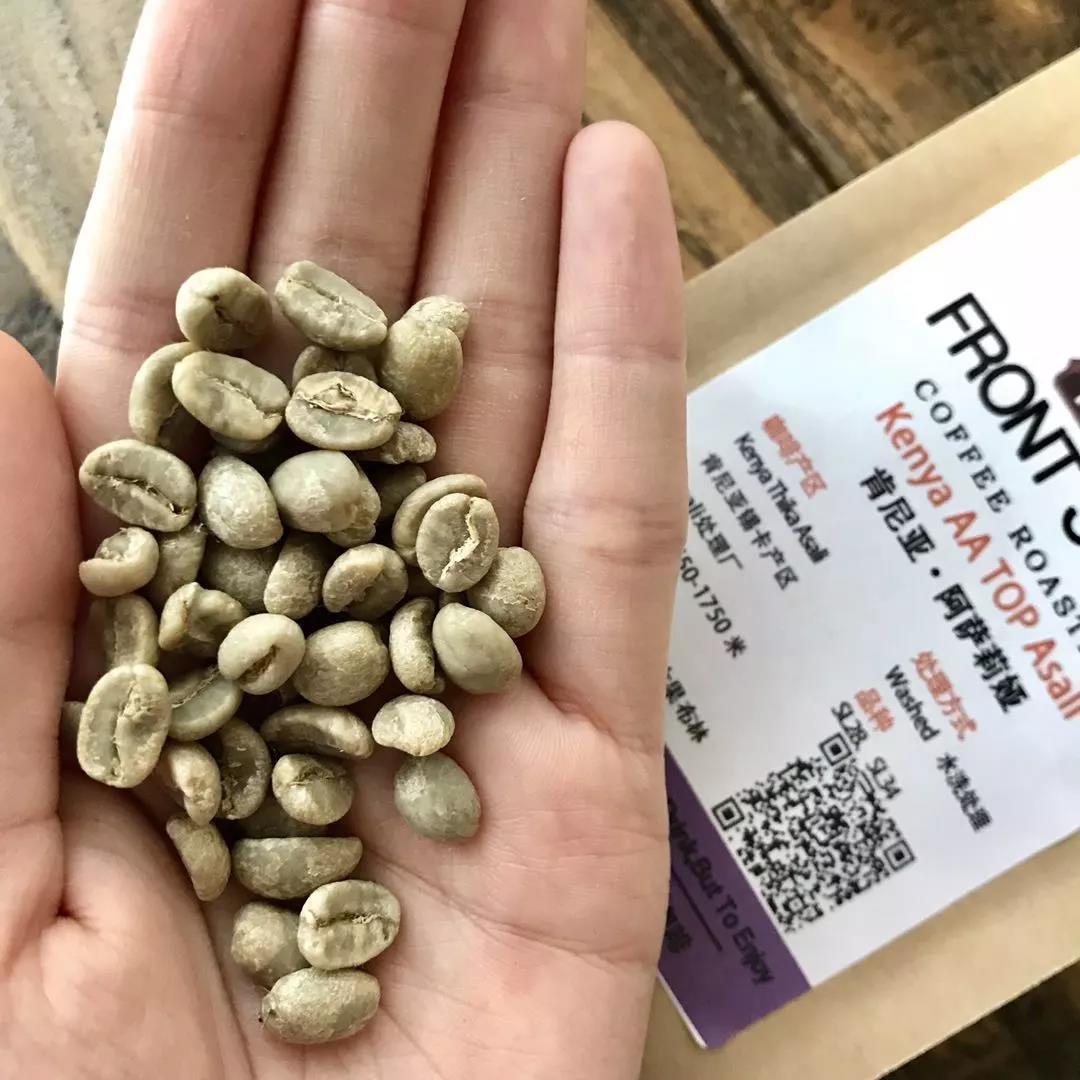
SL34 is similar to SL28 in flavor, but besides its complex, changing acidity and wonderful sweet finish, it has a heavier, richer mouthfeel than SL28 and is cleaner. SL34 carries French Mission, Bourbon, and more Typica heritage. The beans resemble SL28 but the plant adapts better to sudden heavy rain. These two varieties are what shaped the recognizable Kenyan style: strong, rich fruit acidity, full body, and beautiful balance.
Hania: French Mission Bourbon
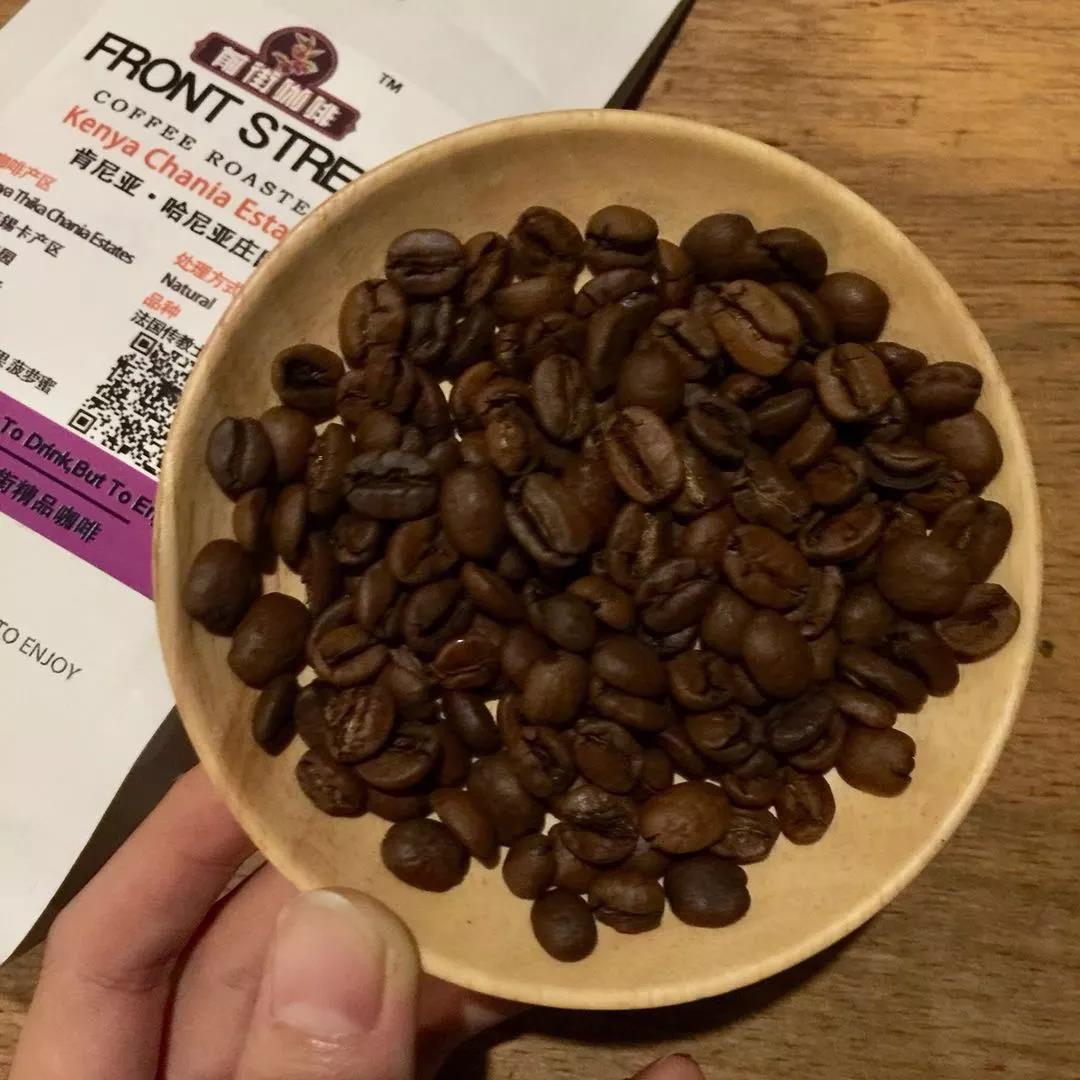
French missionaries brought Bourbon trees to Kenya around 1892-1893. This original Bourbon is known as the French Mission variety. It was never subjected to scientific modification during cultivation, which preserved the most original flavors of Bourbon.
Processing Methods
Karatogito, Assaria: 72-hour washed method
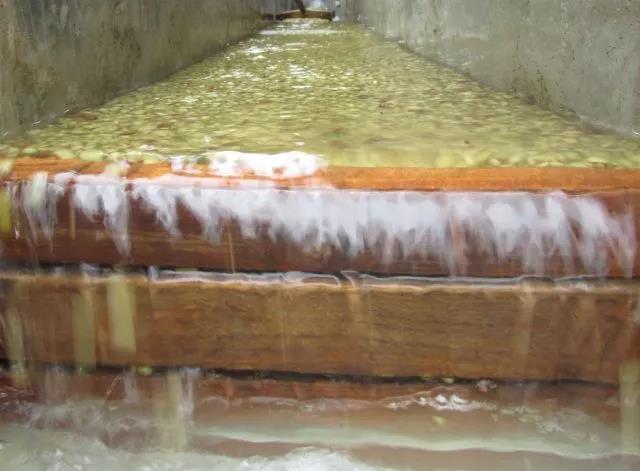
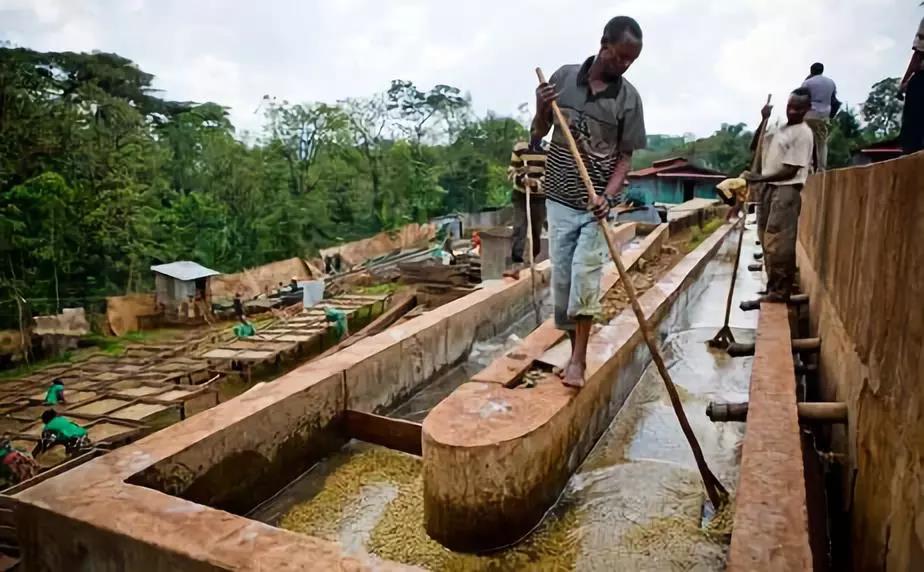
This method uses repeated cycles of fermentation followed by washing. On harvest day the highest-quality cherries are selected for pulping and fermentation, which takes 24 hours. After 24 hours they are washed with clean river water, then fermented again in clean river water for another 24 hours and washed again. The cycle is repeated 3 times to reach 72 hours, hence the name Kenyan-style 72-hour fermented washed processing, or K72.
This allows the beans to ferment for a long time at low temperatures before a final sun-drying dehydration, giving them a brighter, cleaner, yet fuller flavor.
Hania: Refined natural processing
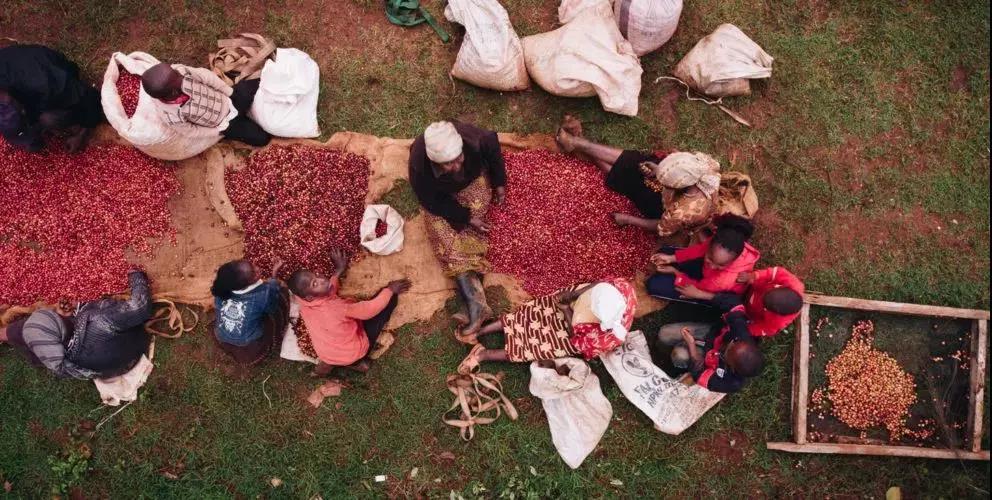
With refined natural processing, the already rich, varied acidity of Bourbon gains body and sweetness. It typically requires 2-4 weeks or longer, depending on the weather and the flavor expression desired. During drying, careful attention is needed to avoid both excessive temperatures and mold or off-flavors from over-fermentation.
Green Beans and Roasting
Karatogito: K72, double washed
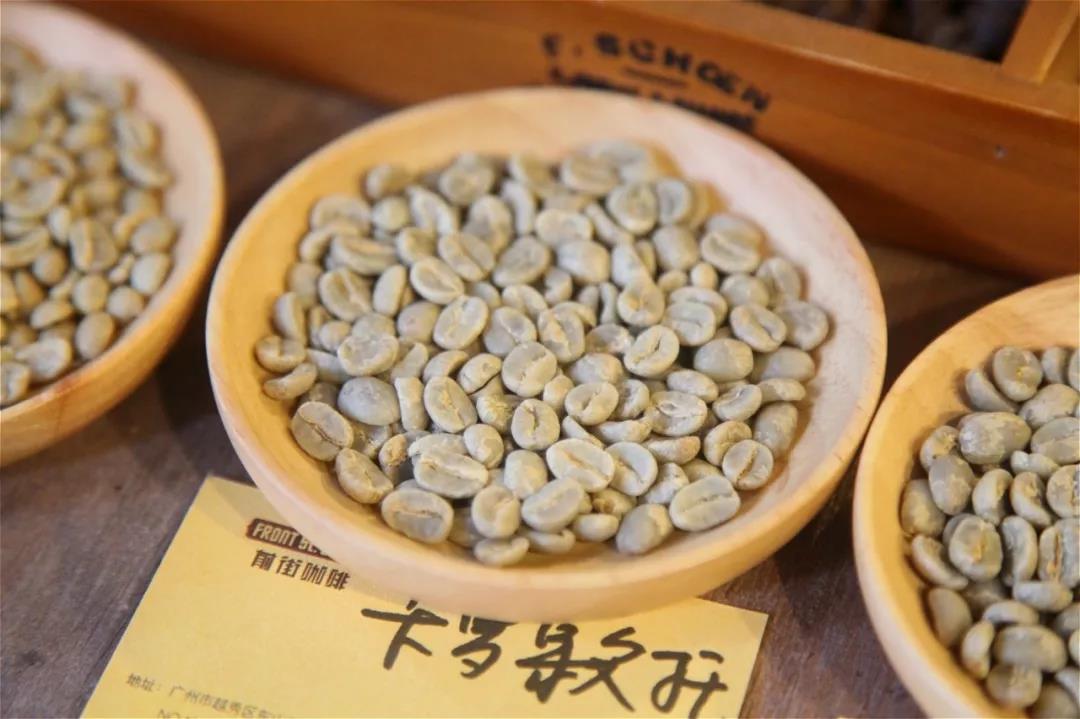
Roasting: 2 minutes development after first crack, discharged at 191°C

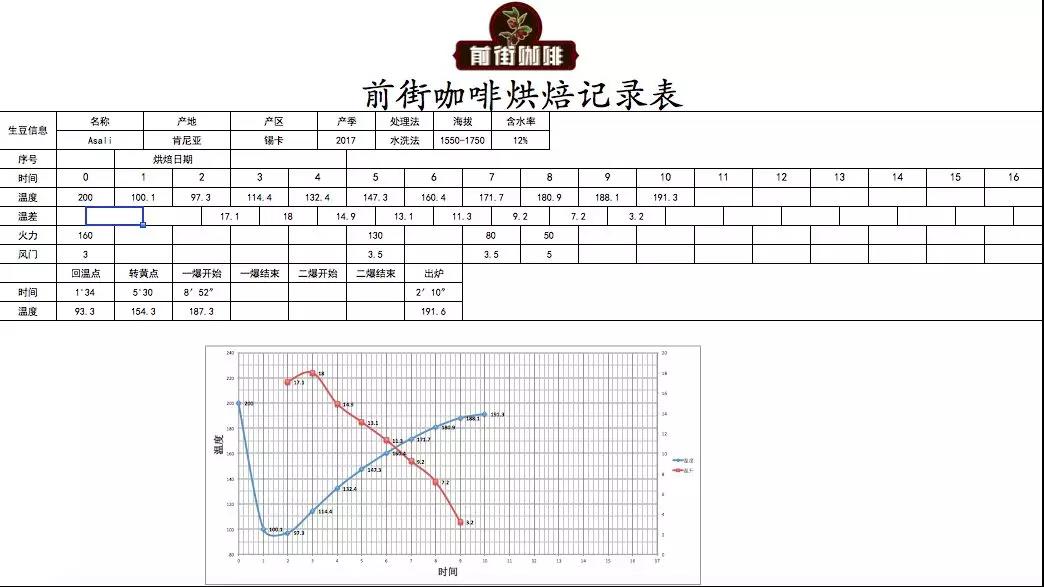
Assaria: K72, double washed
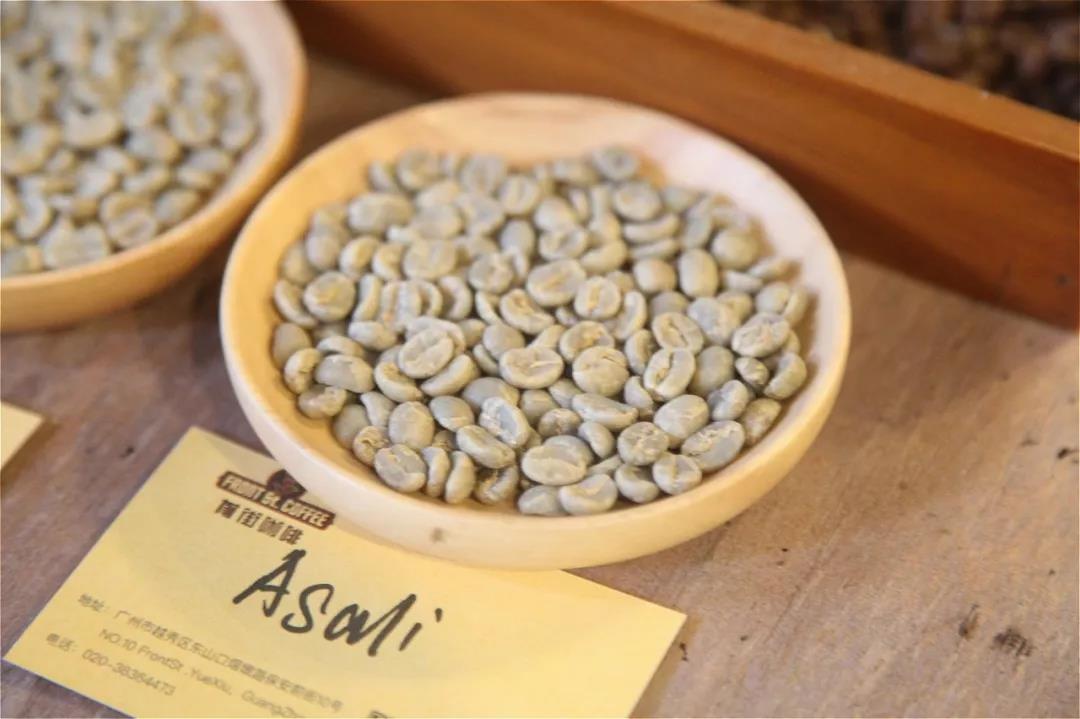
A longer development after first crack helps reduce acidity and build flavor. Development time after first crack is 2 minutes and 10 seconds, discharged at 191.6°C.
Hania: African raised beds, natural
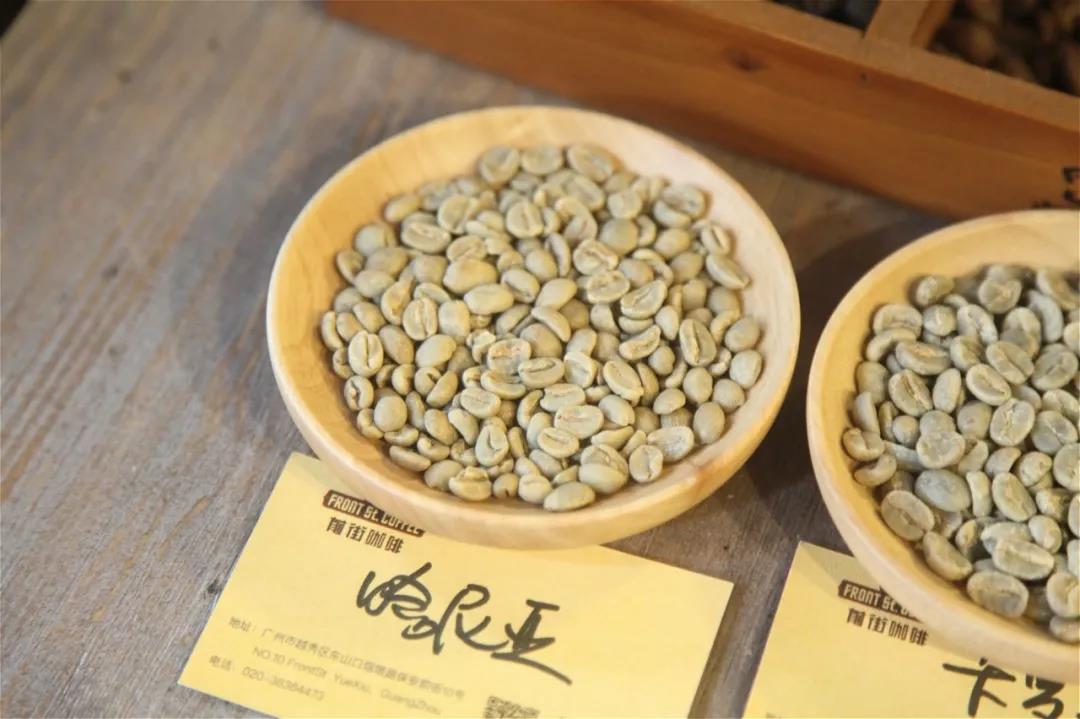
Roasting: First crack begins at around 8 minutes 15 seconds at 186°C, with heat reduced and airflow increased at the same time for flavor development, then discharged at 194°C after 2 minutes.

Compared with Assaria, Karatogito shares the same variety and processing method but grows at a relatively higher elevation. Its beans are slightly harder, so the overall roasting time is extended with a slower temperature rise. First crack occurs at 9'28", giving Karatogito enough time for full development.
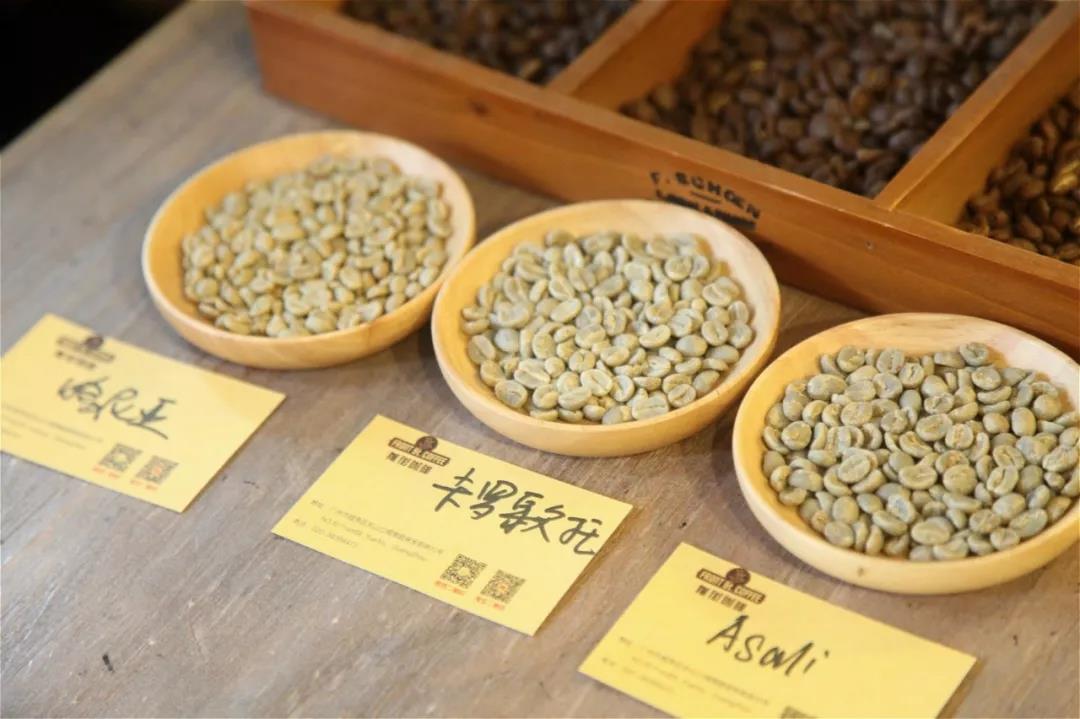
Hania, a Bourbon variety grown at lower elevation and naturally processed, has smaller beans and a slightly softer texture. A slightly lower charging temperature prevents scorching the bean surface. The flatter bean shape also transfers heat faster, so yellowing and first crack arrive earlier. Heat is reduced several times through this period to control the rate of temperature rise, avoiding a bean that is underdeveloped inside and overdone outside. The discharge temperature is relatively higher, giving enough heat to continue the Maillard reaction and produce more caramel and ripe fruit flavors along with a fuller body.
Cupping Notes
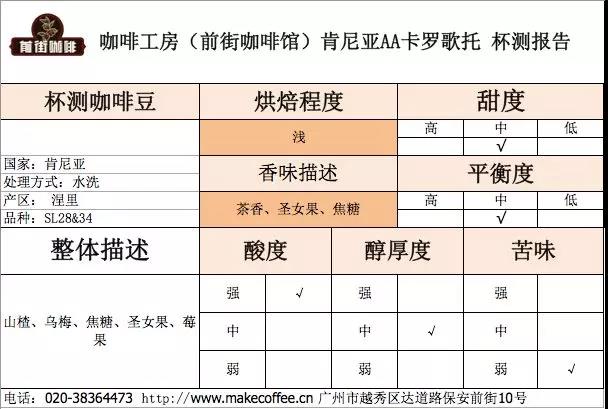
Karatogito: A clean entry with cherry tomato, berry, and black plum acidity and good transparency. As the temperature drops, the acidity carries tea notes and caramel aroma, making the cup very refreshing overall.
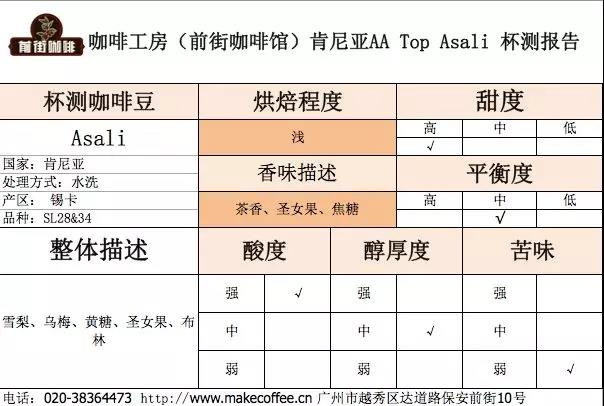
Assaria: The wet aroma has ripe tomato and floral notes. The entry shows cherry tomato and black plum, bright acidity, a clean mouthfeel, and a medium body, with prominent sweetness and a juicy sensation mid-palate. The finish carries berry aroma, brown sugar sweetness, and a green tea fragrance.
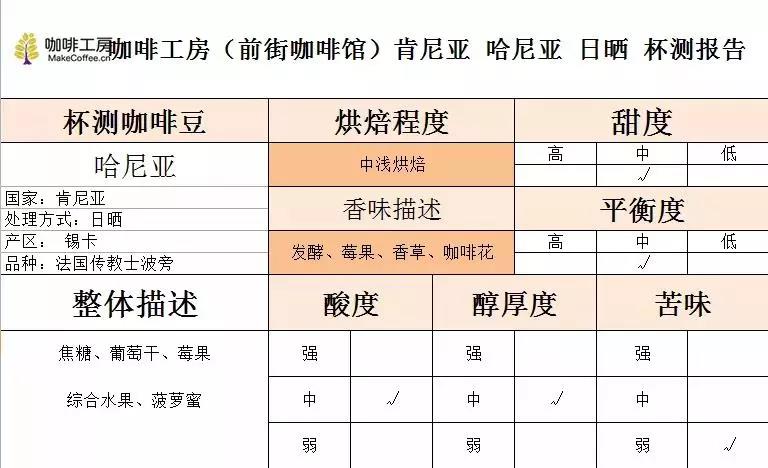
Hania: The dry aroma has natural fermentation, dried fruit, and vanilla. On slurping, you taste caramel, vanilla, and mixed fruits with a solid juice sensation. The finish brings berries, rich jackfruit, and coffee flower aromas. The overall expression is wild and regionally African, suited to small sips savored slowly, with complex aromas that are hard to resist.
All three use the same brewing method for a single cup: 30g of water for the bloom, 30s of blooming, then a first stage of small-flow pouring to 120g in slow circles. The second stage uses a slightly larger flow to 225ml, following a 30-120-75 pattern, for a total extraction time of about 2 minutes.
Summary

For those who prefer more acidity, Assaria and its stronger tomato flavor is the pick.
For those who prefer more berry flavor, choose the natural processed Kenyan Hania.
For those who enjoy tea notes and black plum acidity, Karatogito is the one.
FrontStreet Coffee Recommendation
Kenyan coffee earns its reputation through a combination of variety and process, and FrontStreet Coffee's Kenya Cherry Tomato concentrates both into one lot. It comes from the Thika region, where SL28 and SL34 grow at 1550-1750 meters, and it is processed with the Kenyan double wash and a 72-hour fermentation, the same repeating cycle of ferment and rinse used for Karatogito and Assaria. Roasted light to keep the acidity lively, it shows dried cherry tomato and floral notes on the dry aroma, then a clear cherry tomato and smoked plum character in the cup. Snow pear and black plum fill the middle, and the finish is clean and long, with brown sugar sweetness and a faint green tea note.
For drinkers who enjoy the floral and fruit side of light-roasted coffee, two more FrontStreet offerings are worth adding to the shelf. The Yirgacheffe Gedeb Cooperative is a washed Ethiopian coffee with jasmine and bright citrus acidity that settles into green tea and honey, an easy entry into specialty coffee that still has plenty of detail. The Ethiopia Huakui is a natural process lot from the Hambella area of Guji, Sidamo, dried on raised beds for 21 days, and it leans hard into tropical fruit: strawberry, passion fruit, jackfruit, and lychee, with very low bitterness and a juicy, smooth body. Both make a fine companion to a Kenyan coffee on the same brew bar.
Important Notice :
FrontStreet Coffee is a long-established specialty coffee roaster in Guangzhou China, selling freshly roasted beans from its own farm in Yunnan as well as dozens of carefully selected single-origin beans from around the world for both pour-over and espresso. The products deliver consistently excellent quality and great value, with shipping within 24 hours. Guangzhou's FrontStreet Coffee shop is recommended by many coffee lovers, and the beans are now available online at the Tmall 。
FrontStreet Coffee has moved to a new address:
FrontStreet Coffee Address: 315,Donghua East Road,GuangZhou
Tel:020 38364473
 Scan and follow the En Gafei WeChat official account. Please indicate that the reprint comes from "En Gafei".