A Day in the Life of a Coffee Bean Roaster|What Does a Coffee Roaster Do?
Professional coffee knowledge exchange. For more coffee bean information, follow Coffee Workshop.
Yes, coffee bean roasters really are a little like boiler workers — buried in their work all day, firing and maintaining boilers. Still, I prefer to call them Taoists: oblivious to worldly matters, focused solely on refining their craft.
Today, let's take a look at how our roasters serve everyone.
Normally, you will see roasters silently staring at the roaster. Many people ask: what are they looking at?
They stay constantly focused — time, temperature, bean color, bean shape, smelling aromas, listening to sounds, recording roast curves, adjusting heat and airflow, deciding when to drop the beans. For a ten-minute batch, roasters engage all five senses throughout, all for the sake of delivering a good cup of coffee to the customer.
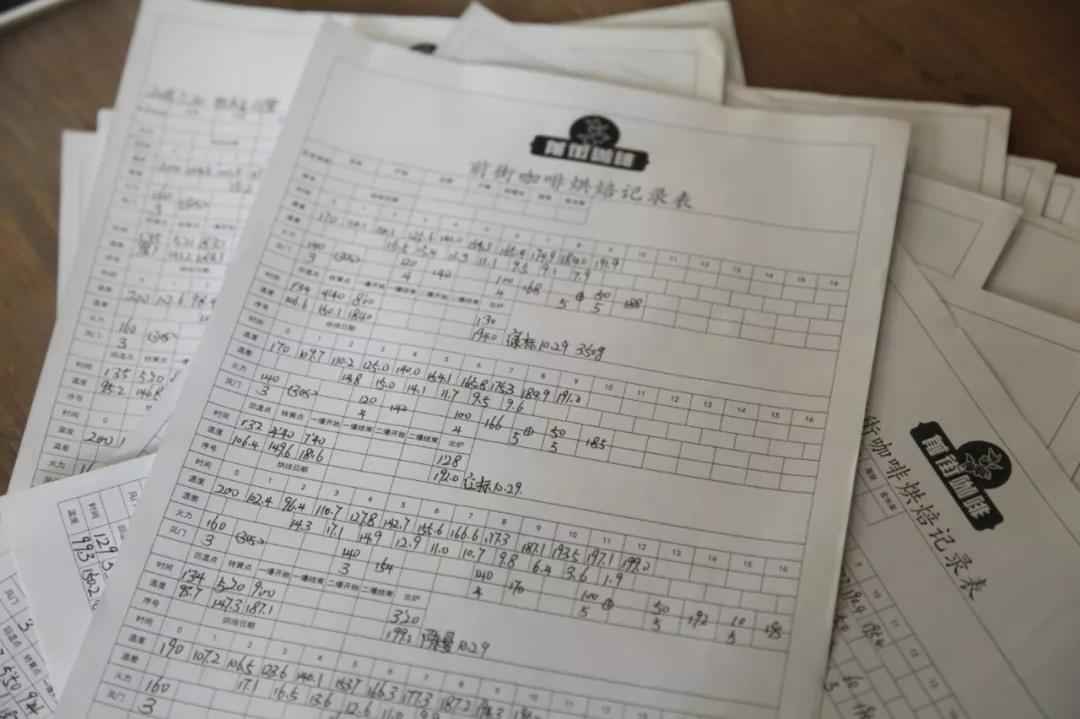
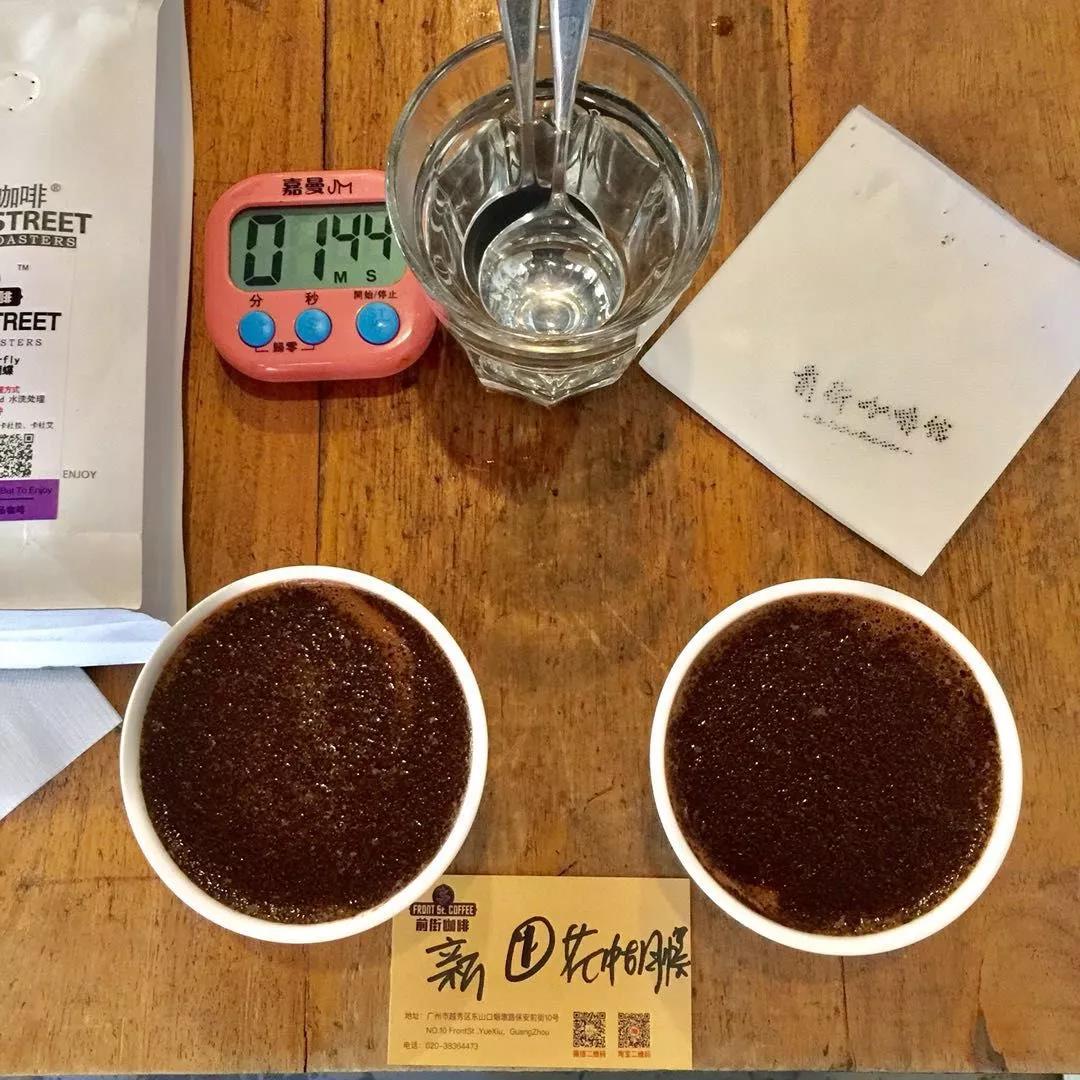
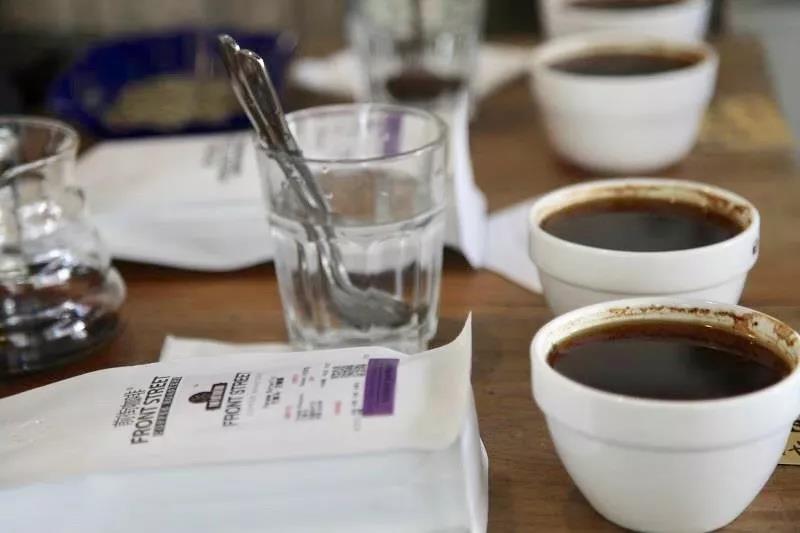
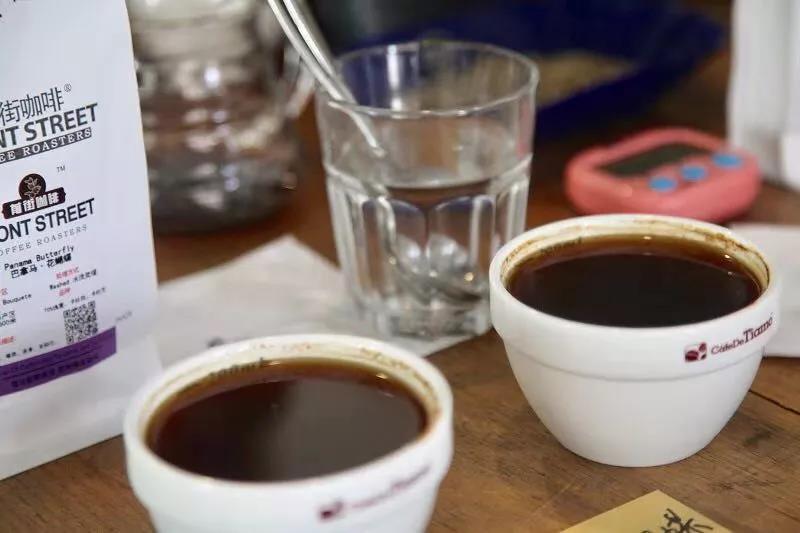
Besides daily production, they must frequently fine-tune roast curves and cup the results to ensure quality. Coffee is, after all, an agricultural product that ultimately depends on nature's bounty. Given the expected fluctuations in raw material quality, different batches of the same bean must be compared through roasting. And because we have not yet achieved direct purchasing from origin, many variables arise in the intermediate stages, so regular adjustments are essential.
Green Bean Evaluation
Beyond daily roasting and cupping, roasters must perform a crucial task: green bean evaluation. It must be emphasized that coffee is not ready to sell simply because it has been roasted. Before us lies the diligent labor of producers; after us waits the eager anticipation of customers. Green beans therefore matter especially. Roasters must not only showcase the best flavors of the coffee but also understand each batch of incoming green beans comprehensively.
1 | Comparative Analysis
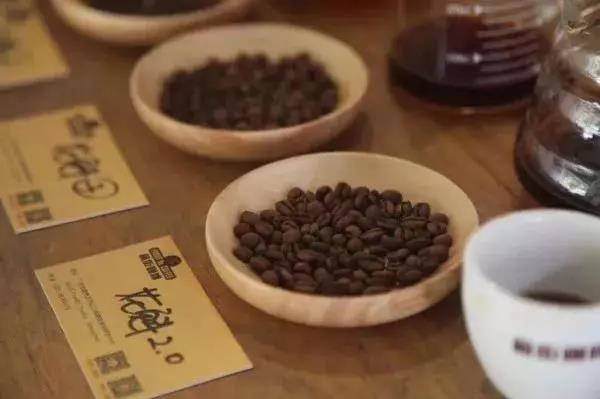
For small-batch green bean purchases, we should run a comparative roast of old versus new stock using identical roasting methods, then cup the results to see whether the flavor characteristics remain consistent. If differences appear, roasting must be adjusted to chase flavor consistency. If a particular coffee cannot hold its previous quality for various reasons (especially micro-lots or small estate coffees), then the next step becomes necessary.
2 | Bean Sourcing
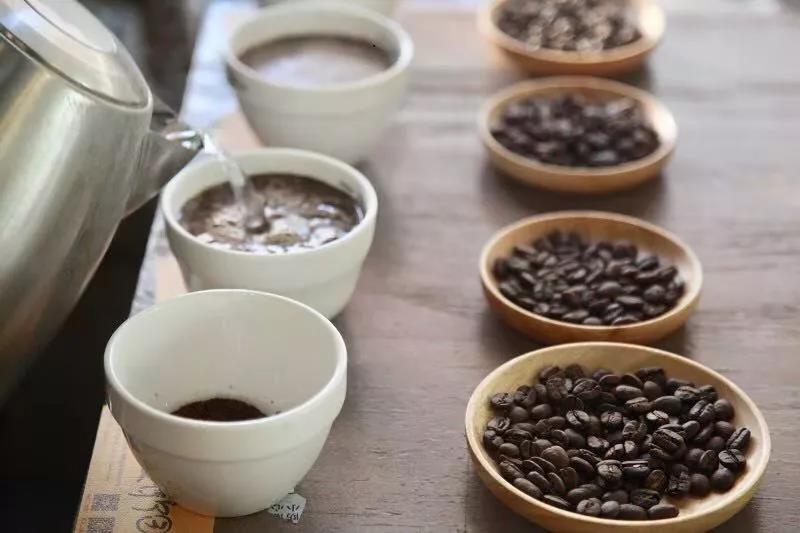
Large green bean merchants can travel to producing regions and estates to source beans, but as end users our sourcing approach is relatively "low-cost": by understanding a coffee's origin, altitude, soil, cultivation, and post-processing methods, we buy beans with similar characteristics and flavors, roast them comparatively, and find suitable substitutes. This process is another battle between alchemists and dishwashers (ten thousand words omitted here).
3 | Bulk Inspection
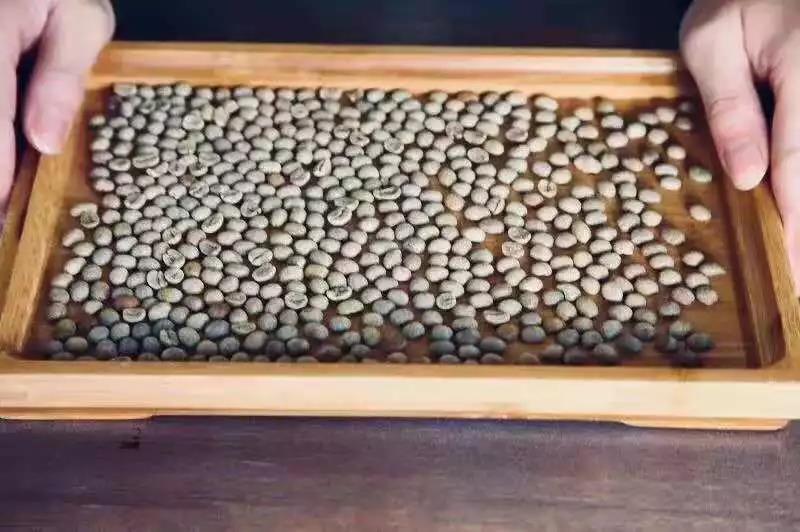
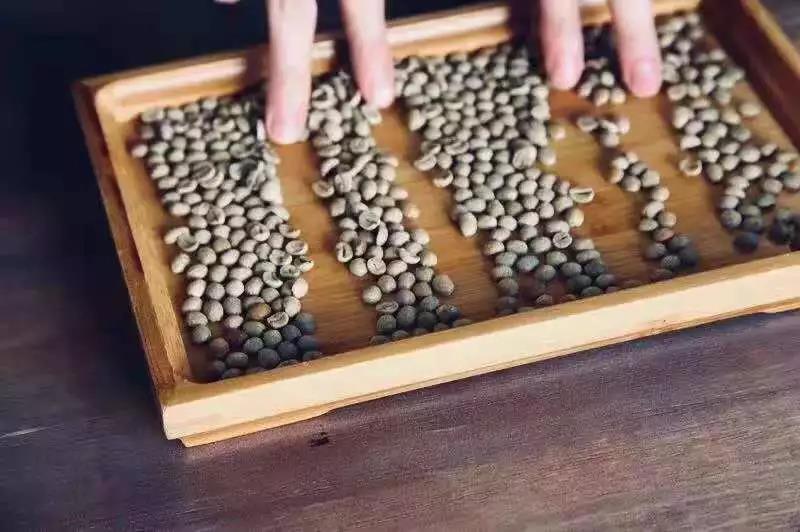
When several large bags of coffee beans arrive, roasters must inspect them. First comes visual inspection — checking for uniform size, consistent color (moisture content), sampling for defect rates, and so on.
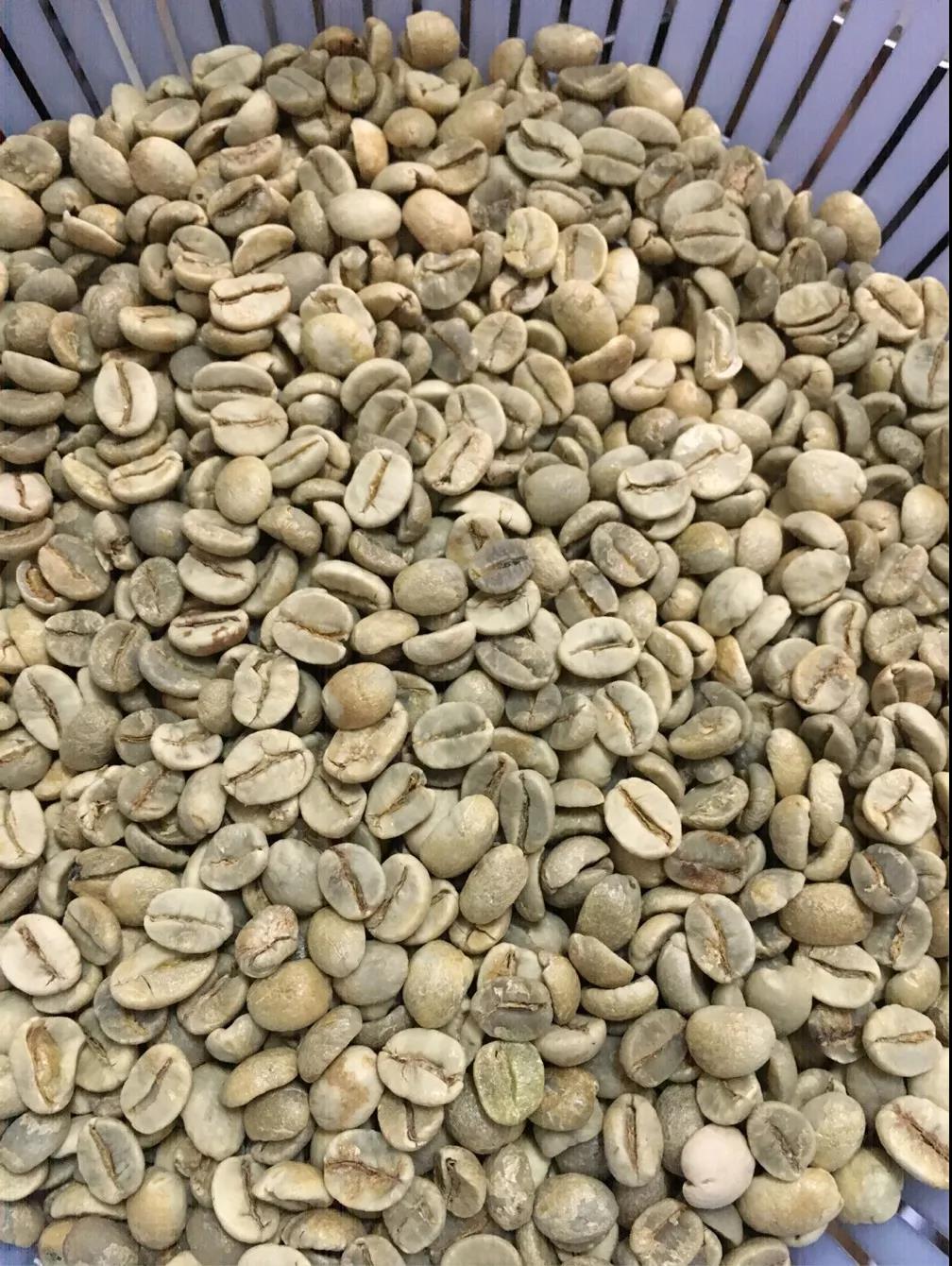
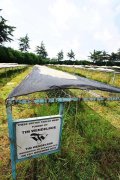
As shown in the image above, although these are the same beans, their moisture content varies significantly, clearly indicating mixed-grade sales. When such green bean conditions are discovered, a return warning should be issued — excessive moisture differences cause uneven roasting and make quality impossible to guarantee. Both green bean merchants and end users are responsible for industry integrity and stable, prosperous development.
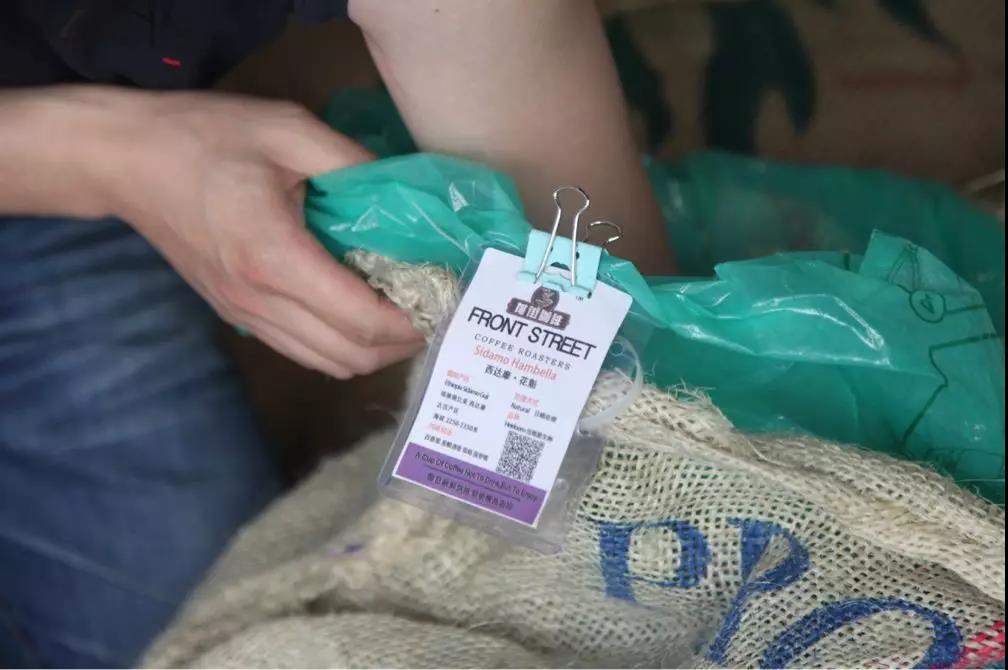
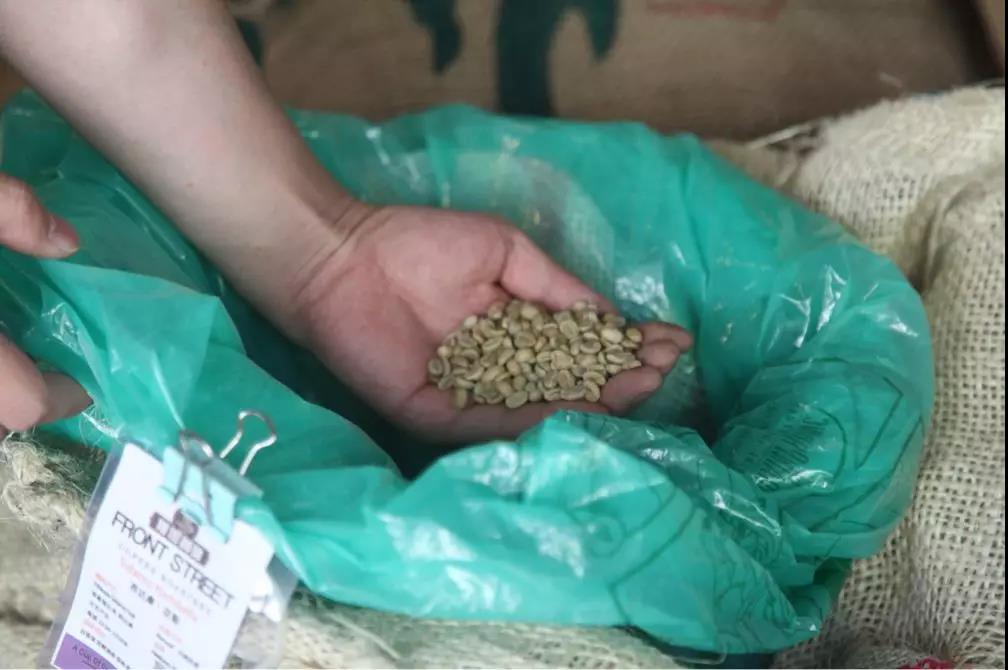
Some mixed-bean situations involve blending normal-quality beans with lower-grade ones. We must conduct sample roasting, and we cannot be careless!
Sometimes, to conceal the truth, normal-quality beans are stacked on top while poorer beans are mixed below. We need to conduct an "in-depth" inspection — taking 1/3 of the green beans from the upper, middle, and lower layers respectively for a mixed roast, then observing whether bean shape and color are consistent.
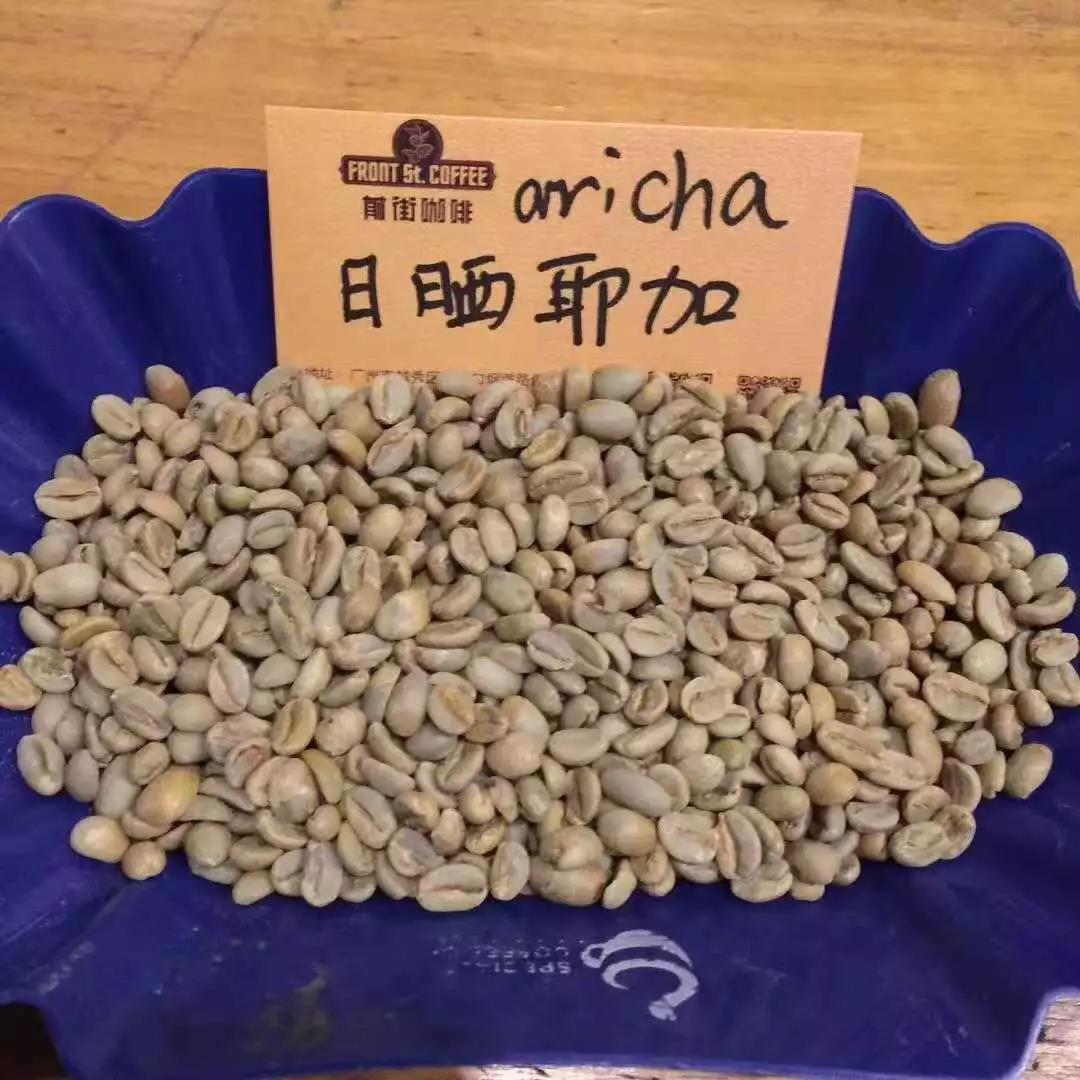
There are some exceptions, such as African Ethiopian coffees graded by green bean defect rate, where bean sizes may vary because of the numerous varieties — which is also the source of their rich flavors. The roasted beans may show some color unevenness, but as long as the difference is not significant (for example, some developing well while others are wrinkled or have cracked center lines turning black), and cupping confirms the correct flavors, this is normal. Roasters must clearly understand the grading systems of producing regions and ultimately make objective analyses through roasting and cupping.
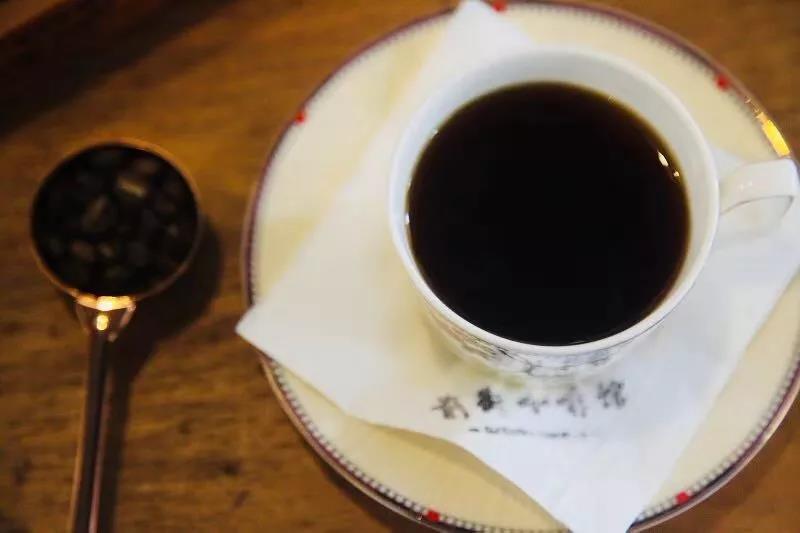
Through the discerning evaluation and sensory adjustment of roasters and baristas, a cup of specialty coffee finally presents itself before everyone.
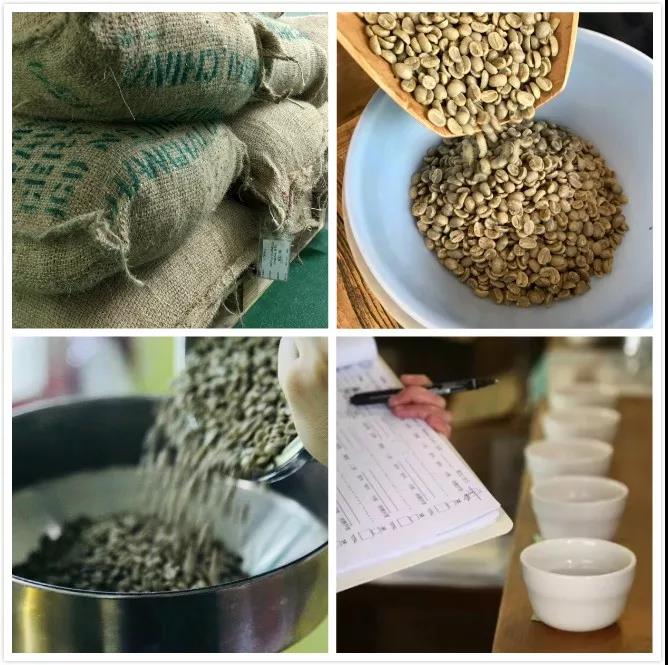
The above is the meaningful daily routine of our boiler workers.
FrontStreet Coffee Recommendation
Roast level shapes everything a roaster does, and the front-of-house favorites at FrontStreet show why medium roast is such a versatile middle ground. The Brazil Queen Estate is a case in point: this Yellow Bourbon from the world's largest coffee-producing country is mellow and naturally sweet, and at a medium roast it gives creamy peanut, chocolate, toast, and sugarcane notes. It brews as pour-over and works just as well in a moka pot or an espresso machine.
For a sweeter medium roast, FrontStreet's Strawberry Candy is built from two famous Central and South American origins — a Costa Rican honey-processed coffee and a washed Panama Geisha — roasted medium so it shows both orange-blossom honey and a rounded sweetness. It suits cold brew, pour-over, and espresso alike.
And China's own representative, FrontStreet's 2013 Sun-Dried Typica, keeps the balanced, gentle character of classic Yunnan small-grain coffee. Medium roasted, it layers nut, brown sugar, black tea, and dried apricot notes and is at home in pour-over, cold brew, and drip machines.
Important Notice :
FrontStreet Coffee is a long-established specialty coffee roaster in Guangzhou China, selling freshly roasted beans from its own farm in Yunnan as well as dozens of carefully selected single-origin beans from around the world for both pour-over and espresso. The products deliver consistently excellent quality and great value, with shipping within 24 hours. Guangzhou's FrontStreet Coffee shop is recommended by many coffee lovers, and the beans are now available online at the Tmall 。
FrontStreet Coffee has moved to a new address:
FrontStreet Coffee Address: 315,Donghua East Road,GuangZhou
Tel:020 38364473
 Scan and follow the En Gafei WeChat official account. Please indicate that the reprint comes from "En Gafei".