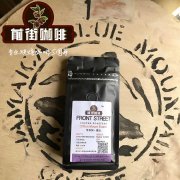
Kenya Nyeri | Mtaro Estate PB Peaberry SL28, SL34 Flavor Profile
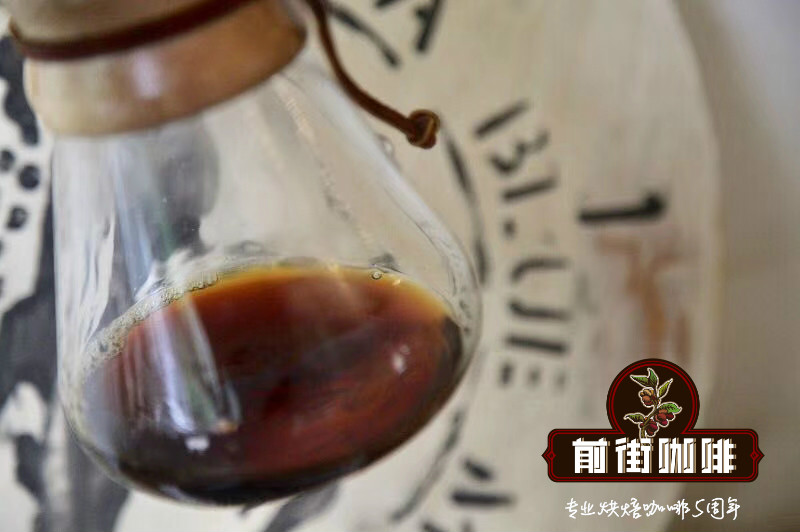
Kenya Nyeri | Mtaro Estate PB Peaberry SL28 & SL34 Flavor Profile
Kenya is the model country for premium coffee. Most Kenyan beans are uniformly graded by the Kenya Coffee Board and sold at public auction — a system dating back to 1934. Kenya has roughly 50 licensed agents who send sample lots to their clients for cupping, and clients then bid on the coffees they like through those agents. Critics argue this structure lets middlemen erode farmers' incomes; consequently, in 2006 Kenya re-opened the market to 32 independent sales agents who can negotiate purchases directly with foreign buyers, bypassing the auction. Better coffees can now command better prices through cupping, which encourages more cooperatives and farms to participate and puts buyers in direct contact with growers for firsthand information.
The suffixes attached to Kenyan beans — PLUS, AA, AB, PB — often confuse buyers. AA PLUS is the top size grade, followed by AA, then AB, while PB means peaberry. These letters describe only the uniformity of bean size, not quality. Most Kenyan coffee comes from washing stations and cooperatives, and premium lots will carry the name of the station or cooperative on the bag. Plain "Kenya AA" without a station name usually signals average, unremarkable coffee. Kenya's grading system has been adopted by many other African countries, including Tanzania, Uganda, and Congo. The country harvests twice a year: April–June is the secondary (fly) crop, and October–December is the main crop.
The Mtaro Estate washing station sits 40 kilometers east of Kenya's capital, Nairobi, at 1,600 meters, in the Nyeri region of western Kenya. This small-scale station accepts only fully ripe red cherries, hand-picked by member farmers and delivered on the very day of harvest. The skin and pulp are stripped away, then the beans ferment for 16–48 hours before the surface mucilage is washed off. That fermentation window is crucial to this coffee's rich, robust blackberry acidity. Bean prices are effectively decided at this stage, which is why more and more Kenyan lots are processed at small stations — freshness is what secures quality.
Farm Details
Farm: Mtaro Estate
Lot Name: Mtaro Estate Peaberry
Grade: PB (Peaberry)
Country: Kenya
Region: Nyeri
Altitude: 1,500–1,700 meters
Farm Size: Smallholder farmers with small planting areas
Coffee Characteristics
Varieties: SL28, SL34
Processing: Fully washed, dried on African raised beds
Jury Notes: Cupped at a cinnamon roast level, beginning 60 seconds after first crack
Aroma / Flavor: Plum, osmanthus, rose, jasmine, lavender, caramel, honey, chocolate
Acidity: Kumquat-like, with pomelo and lemon — bright, high acidity
Complexity & Other: Vibrant and robust, excellent brightness, moderate emulsification, plenty of sweet vanilla, and a distinct kumquat finish
Overall: This peaberry was harvested during Kenya's bountiful 2012 main crop. It possesses truly precious acidity. When hot water hits this medium-to-dark roast, the floral fragrance and chocolate sweetness it releases are captivating.
FrontStreet Coffee Recommended Brewing
Dripper: Hario V60
Water Temperature: 90°C
Grind Size: Fuji Royal grinder at setting 3.5
Method: Water-to-coffee ratio of 1:15 with 15g of grounds. Pour 25g of water to bloom for 25 seconds. Pour to 120g and pause; once the water level in the bed drops to about half, resume pouring slowly up to 225g total. Target extraction time is roughly 2:00.
Why this works: Three distinct pours clearly separate the front, mid, and back-end flavors of the coffee. Because the V60's deep ribs drain quickly, pausing between pours stretches the contact time and evens out extraction.
FrontStreet Coffee Recommendation
If this Nyeri peaberry whets your appetite for approachable specialty lots, FrontStreet Coffee's entry-level single-origin lineup is a natural next step. A great starting point is Ethiopia: FrontStreet Coffee's Natural Huakui (Flower Queen) and its washed Guddina Cooperative lot come from the birthplace of coffee itself. Yirgacheffe coffees, typically washed and organized around washing-station cooperatives, carry jasmine florals, lemony acidity, and berry tones, while Sidamo naturals like Huakui lean into tropical fruit and fermentation sweetness — berries, florals, jackfruit, melon, and honey.
For drinkers who prefer low acidity and easy sweetness, FrontStreet Coffee's Brazil lineup is hard to beat. The Brazil Cerrado Red Bourbon daily-driver is famous for delivering cream, peanut, and cocoa notes at a friendly price, while the higher-grown Fazenda Rainha (Queen Estate) is a rare Yellow Bourbon: think buttery nut compote — sunflower seeds, macadamia, almond — layered with a sugarcane-like clean sweetness, equally delicious black or with milk.
Bridging the two worlds is FrontStreet Coffee's Panama Boquete Washed Geisha, from the country's most representative specialty region. With its pure Geisha genetics and washed processing, it pours out bright citrus, berries, and florals with a balanced, silky finish — like a flower-and-fruit tea with zero bitterness — and at an entry-level price it lets you explore the Geisha character through every brew method you like.
Important Notice :
FrontStreet Coffee is a long-established specialty coffee roaster in Guangzhou China, selling freshly roasted beans from its own farm in Yunnan as well as dozens of carefully selected single-origin beans from around the world for both pour-over and espresso. The products deliver consistently excellent quality and great value, with shipping within 24 hours. Guangzhou's FrontStreet Coffee shop is recommended by many coffee lovers, and the beans are now available online at the Tmall 。
FrontStreet Coffee has moved to a new address:
FrontStreet Coffee Address: 315,Donghua East Road,GuangZhou
Tel:020 38364473
 Scan and follow the En Gafei WeChat official account. Please indicate that the reprint comes from "En Gafei".