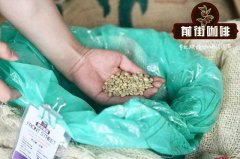
The Flavor Profile of Luwaita Cooperative from Tanzania's Ruvuma Region

What Are the Flavor Characteristics of the Luwaita Cooperative from Tanzania's Ruvuma Region?
East Africa produces a remarkable range of fine coffees, from the celebrated lots of Kenya and Ethiopia to the increasingly admired beans of Rwanda. Tanzania belongs on that same list. It borders seven countries and looks out over the Indian Ocean along a 1,500 km coastline, and agriculture is the backbone of its economy: roughly 90% of the population works in farming, while agricultural exports generate 85% of the country's foreign exchange. Coffee, corn, wheat, and spices are the leading crops.
Coffee was introduced to Tanzania around 1900, and today most of it is Arabica processed by either the natural or the washed method. About 75% of production comes from the Kilimanjaro mountain region. Coffee is the country's largest agricultural crop, supporting roughly 450,000 people across related activities. Its cup resembles that of neighboring Kenya, yet poor roads and outdated infrastructure often leave beans contaminated in transit or damaged by inadequate processing equipment. That is why Tanzanian coffee has long carried the impression of less vivid acidity, dimmer brightness, and a rounder, milder mouthfeel. In recent years, however, rising prices for Kenyan and Ethiopian lots have drawn attention to high-quality beans from other East African countries.
The Luwaita Cooperative is a very small, low-yield operation. Its green beans are small and deep green, much like Kenyan beans, and stand apart from the larger, more yellowish beans typical of traditional Tanzanian coffee. Stylistically the cooperative leans toward Kenya: even without the big, uniform screen sizes, its clear aroma and bright acidity are rare for Tanzania. It is a small but excellent cooperative that exports mainly to the United Kingdom and Japan.
Roasting Levels and Flavor Notes
Light Roast - End of First Crack (City): Once ground, it releases banana-like fruit aromas, and the brewed cup carries a black tea fragrance. The orange and plum acidity is neither irritating nor intense, and the transition from acidity to sweetness is quick, spreading rapidly across the palate. The mouthfeel is balanced and stable if somewhat thin, closing with a cooling, menthol-like aftertaste.
Medium Roast - 60 seconds after First Crack (Full City-): This level tames the acidity of East African beans while lifting the aroma. Because this is a Tanzanian coffee, it also builds a richer, creamier mouthfeel when paired with milk. The wet aroma after brewing shows a distinctive Oriental Beauty tea note. The mouthfeel is smooth, with a delicate, powdery texture on the finish. The blueberry acidity stays relatively gentle, and the aftertaste carries a brown sugar sweetness.
Dark Roast - Beginning of Second Crack (Full City): Ground, it reveals nut and chocolate aromas; brewed, it offers a milk-candy sweetness. The mouthfeel is rounded and gentle without being thick, and the aftertaste brings a chocolate chiffon cake sweetness.
Flavor Summary
The Ruvuma region AA is an unusually consistent coffee. Against that backdrop, the Luwaita Cooperative keeps the balanced mouthfeel and nutty sweetness while adding a bright, clean, refreshing blueberry acidity, giving drinkers another clear impression of what Tanzanian coffee can be.
FrontStreet Coffee's Recommended Brewing Method
Dripper: Hario V60
Water Temperature: 90°C
Grind Size: Fuji Royal grinder setting 3.5
Brewing Technique: 1:15 coffee-to-water ratio, using 15g of coffee grounds. First pour 25g of water and bloom for 25 seconds. Second pour to 120g and stop pouring. Wait until the water level in the coffee bed drops to half, then continue pouring slowly until reaching 225g. Extraction time around 2:00 minutes.
Analysis: A three-stage pour clearly separates the front, middle, and back end flavors of the coffee. Because the V60 has many ribs and drains quickly, stopping the pour helps extend the extraction time.
FrontStreet Coffee Recommendation
If this Tanzanian lot appeals to you for its clean, bright East African acidity, FrontStreet Coffee's East African lineup is the natural next stop. Start with the washed Yirgacheffe, the classic introduction to the region: it delivers clear jasmine florals and a bright citrus acidity, with a light, elegant body and a tea-like finish that drinks almost like a clean, refreshing lemon tea.
For an even more vivid expression of washed processing, look to FrontStreet's Guodingding Cooperative lot. This group was originally part of the Worka cooperative under the YCFCU before roughly 300 farmers established it as an independent cooperative in 2012, at the southeastern edge of Yirgacheffe. Because the fruit is depulped before drying, the coffee's own aromatics come through with unusual clarity, layering citrus and lemon over elegant white florals. Depulped before drying and then given a light-to-medium roast, it shows green tea and honey tones and works equally well as a pour-over, a cold brew, or an espresso.
Readers who prefer a fruitier profile can turn to FrontStreet's natural-processed Red Cherry Yirgacheffe, where the whole cherry dries in the sun and the cup opens up with peach, cocoa, honey, and lemon. Together these three lots show how far East African character can stretch, from the restrained brightness of a Tanzanian cup to the ripe, fruit-forward sweetness of a natural.
Important Notice :
FrontStreet Coffee is a long-established specialty coffee roaster in Guangzhou China, selling freshly roasted beans from its own farm in Yunnan as well as dozens of carefully selected single-origin beans from around the world for both pour-over and espresso. The products deliver consistently excellent quality and great value, with shipping within 24 hours. Guangzhou's FrontStreet Coffee shop is recommended by many coffee lovers, and the beans are now available online at the Tmall 。
FrontStreet Coffee has moved to a new address:
FrontStreet Coffee Address: 315,Donghua East Road,GuangZhou
Tel:020 38364473
 Scan and follow the En Gafei WeChat official account. Please indicate that the reprint comes from "En Gafei".