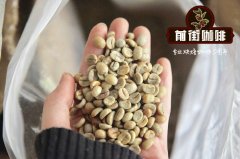
Kenya AA|The Flavor of Washed SL28, SL34 from Ndimaini Farm in Karatina Village
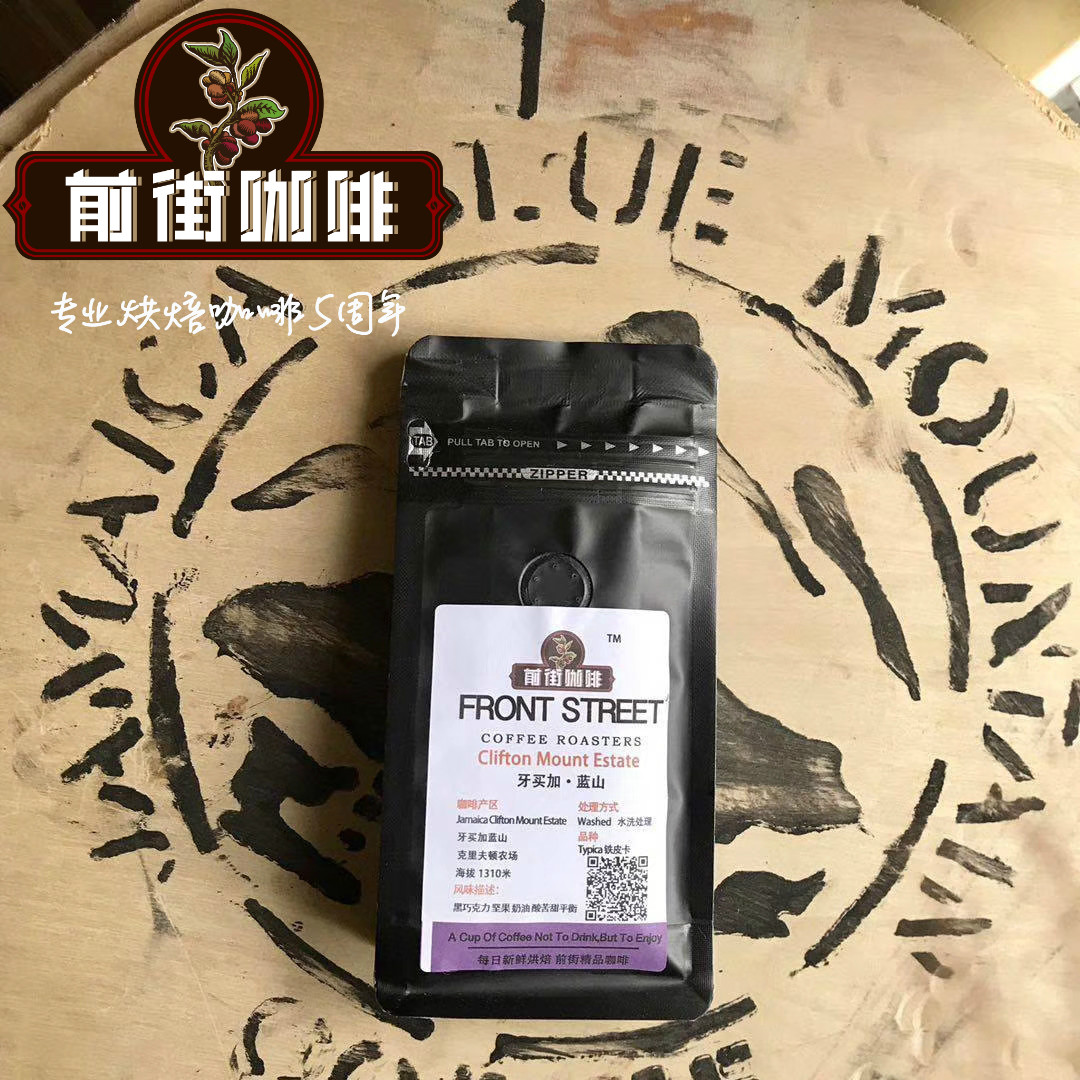
Kenya AA | Flavor Profile of Washed SL28, SL34 from Ndimaini Farm in Karatina Village
Kenya is a model country for producing exceptional coffee. Coffee was introduced by the British around 1900, and until the 1950s the varieties grown were limited to traditional Arabica, when Kenya developed the outstanding SL28 and SL34 Bourbon-related varieties it is known for today. All beans are processed using the washed method, and grading follows the AA PLUS, AA, AB system—which distinguishes only bean size and uniformity, not quality. The optimal growing altitude ranges from 4,200 to 6,800 feet. In 2009–2010, global warming and disease reduced production and pushed prices up. Since then, the steady rise of specialty coffee and Kenya's irreplaceable blackberry character have kept high-quality Kenyan lots at premium prices—which is why we make a point of sourcing the highest-quality Kenyan beans we can. These beans are relatively large, with a pronounced winey blackberry acidity, and can be harvested twice a year: April–June is the fly crop, while October–December is the main harvest.
Most Kenyan coffee is uniformly graded and inspected by the Kenya Coffee Board and then sold at auction. The public auction system dates back to before 1934 and operates through an agency system. Kenya has 50 licensed agents who send sample beans to their clients for cupping; clients bid on their preferred coffees through these agents at auction. However, this arrangement tends to let middlemen erode farmers' incomes. So in 2006, Kenya opened up direct sales: 32 independent marketing agents may now deal directly with foreign buyers without going through the auction, provided they meet Kenya Coffee Board standards for quality, storage, and bank guarantees. Both systems operate in parallel, and after years of development this has become one of the most transparent coffee distribution systems in the world—better coffees earn better prices through cupping, which encourages more cooperatives and farms to take part. That said, direct trade allows closer contact with farmers and first-hand information, which is why many roasters favor it.
The Gikanda Ndimaini farm in Kenya is run by a group of smallholder farmers who together form the Gikanda Cooperative Society alongside Kangocho and Gichathaini. Located in the Nyeri region at an average altitude of roughly 1,700–1,900 meters, the farm delivers its cherries to the dedicated Kangocho processing station for careful washing. The smallholders grow the traditional, unimproved SL28 and SL34 varieties, hand-picking fully ripe cherries and processing them washed on the same day. Before shipment, the parchment is milled and polished to remove the silver skin.
In recent years, Kenyan bean prices have remained high, yet the farmers themselves often earn less than $1 per pound. After deducting production costs, almost all of what remains goes to bank loans, leaving very little. The largest cut is taken by intermediaries and officials unwilling to see a more progressive and transparent Kenyan coffee trade. If you are willing, support Kenyan beans through the Fair Trade system—at the very least it represents transparent, fairly traded coffee. (A message from the coffee-producing regions.)
Farm Information
Farm: Gikanda FCS Cooperative, Ndimaini Farm
Grade: AA
Country: Kenya
City: Nyeri
Region: Karatina town
Altitude: 1,700-1,900 meters
Farm Size: Small plots cultivated by smallholder farmers
Soil: Red volcanic loam
Harvesting Method: Hand picked
Certification: Fair Trade
Variety: SL 28, SL 34
Processing System: Fully washed, dried on African raised beds
Top Jury Descriptions: Cupped at a roast level pulled 60 seconds after first crack (Cinnamon)
Tasting Notes
Aroma/Flavor: Strawberry, rose floral fragrance, almond, oolong tea, pear, jasmine, honey, caramel, brown sugar
Acidity: Blackberry and kumquat acidity, blackcurrant—clean and distinct
Complexity & Other: Fresh, fragrant wild notes; bright and clean; a distinct oolong tea aroma; fruity sweetness builds as the cup cools
Brewing Recommendation
Dripper: Hario V60
Water Temperature: 90°C
Grind Size: Fuji Royal grinder setting 3.5
Brewing Method: Coffee-to-water ratio 1:15, with 15 g of coffee. First pour: 25 g of water, bloom for 25 seconds. Second pour to 120 g, then pause. Once the water level drops to half the bed, continue pouring slowly up to 225 g total. Extraction time around 2:00.
Analysis: A three-stage pour clearly delineates the front, middle, and back-end flavors of the coffee. Because the V60's many ribs drain quickly, pausing between pours helps extend the extraction time.
FrontStreet Coffee Recommendation
If this washed Kenyan lot appeals to you, FrontStreet Coffee's Kenya Cherry Tomato is one of the best-known expressions of the washed style. Kenya excels at double-washed processing, and repeated rinsing and soaking draw out an extreme juiciness: bright cherry tomato, dark plum, snow pear, black plum, and yellow sugar flavors with a sweet-tart, fruit-juice-like cup that coffee enthusiasts adore.
For another washed lot with a completely different profile, the FrontStreet Yirgacheffe Guodingding Cooperative shows jasmine florals and bright citrus acidity, with green tea and honey tones after a medium-light roast—equally at home in pour-over, cold brew, or espresso.
Important Notice :
FrontStreet Coffee is a long-established specialty coffee roaster in Guangzhou China, selling freshly roasted beans from its own farm in Yunnan as well as dozens of carefully selected single-origin beans from around the world for both pour-over and espresso. The products deliver consistently excellent quality and great value, with shipping within 24 hours. Guangzhou's FrontStreet Coffee shop is recommended by many coffee lovers, and the beans are now available online at the Tmall 。
FrontStreet Coffee has moved to a new address:
FrontStreet Coffee Address: 315,Donghua East Road,GuangZhou
Tel:020 38364473
 Scan and follow the En Gafei WeChat official account. Please indicate that the reprint comes from "En Gafei".