Tarrazú Region, Costa Rica | Flavor Profile of Don Mario Farm's Yellow Honey Process Caturra
Costa Rica Tarrazú Region | Flavor Profile of Don Mario Farm's Yellow Honey Processed Caturra
Costa Rica grows the most consistent, highest-quality coffee in Central America — and the most conservative. Their national soccer team's famously defensive formations tell the same story. The country's coffee history runs deep: coffee was already being exported to Britain early in the 19th century, in the 1800s.
By law, Costa Rica prohibits growing Robusta; only Arabica varieties are permitted. Honey processing, which has recently drawn attention from coffee professionals, was invented out of necessity: Costa Rica's mountainous terrain and poor roads mean coffee must be processed quickly after harvest, or the beans over-ferment and spoil. Mountain farmers therefore strip the skin and pulp and leave the beans to dry — mucilage still clinging — on elevated racks. That was the prototype of honey processing.
Top Costa Rican coffee earns the label "Strictly Hard Bean" (SHB), grown at altitudes above 1,500 meters. Altitude is the eternal obsession of coffee growers: higher means better, partly because it sharpens acidity and flavor, and partly because cooler nights slow tree growth and concentrate the beans. Elevation differences also draw abundant rain, which the trees love. The catch is economics — higher farms mean higher transport costs, enough to sink a farm's profitability. Costa Rica's industry answers with technology, including "electric eye" optical sorting to catch irregularly sized beans.
Tarrazú lies south of the capital, San José, and is among the country's most prized growing regions. "La Minita Tarrazú" is a local celebrity, limited to roughly 72,600 kilograms a year. It grows on the La Minita land, owned for the last three generations by the British McAlpine family — land that could actually produce over 450 tons annually. But La Minita Tarrazú is grown without artificial fertilizer or pesticides, harvested and selected entirely by hand, partly to avoid the damage that air-jet sorting inflicts on the beans.
Other noteworthy coffees include Juan Vinas (PR), H. Tournon, Windmill (SHB), Monte bello, and Santa Rosa, with premium coffee generally coming from Heredia and the Central Valley. Another notable name is Sarchí — one of the five towns on Costa Rica's "Coffee Route" — whose coffee grows on the slopes of Poas Volcano, 53 kilometers from San José. The Sarchí company was founded in 1949 with 30,770 hectares planted to sugarcane and coffee; the town is also famous for its handicrafts, which draw tourists from around the world.
The industry was originally overseen by the Costa Rican Coffee Institute (Instituto del Café de Costa Rica, ICAFE) and has since passed to the Official Coffee Office (Oficina del Café). Export coffee judged unqualified is dyed with blue plant-based coloring and returned for domestic sale. Coffee drunk at home — dyed or not — accounts for about 10% of total production, and per capita consumption is twice that of Italy or the United States.
Yellow honey is the most recently defined style of the family: the beans dry on elevated racks and are turned every hour. The concept traces back to Panama's Hacienda La Esmeralda.
Honey-processed beans, in general: after harvest, skin and pulp are removed with the mucilage left intact, and the beans go to the drying fields until moisture falls to 16%, then finish in mechanical dryers for uniformity. Before shipping, the parchment is rubbed to strip the membrane from the surface.
Property Characteristics: Farm Features
Farm Name: Don Mario
Region: Tarrazú
Country: Costa Rica
Altitude: 1,350-1,500 meters
Annual Precipitation: 2,500-2,700 mm
Soil: Volcanic clay
Type of Shade Trees: 36 varieties of shade trees
Coffee Characteristics: Coffee Features
Variety: Caturra
Processing System: Yellow Honey
Appearance: 17-18 screen
Direct Coffee Cupping Overall Evaluation
Light Roast: Vanilla in the dry fragrance, ice cream sweetness in the wet aroma, orange acidity, and a relatively short aftertaste.
Medium Roast: Excellent honey and brown sugar sweetness — a superb first black coffee for newcomers, smooth and sweet.
FrontStreet Coffee Recommended Brewing:
Dripper: Hario V60
Water Temperature: 90°C
Grind Size: Fuji Royal R-440 grinder setting 3.5
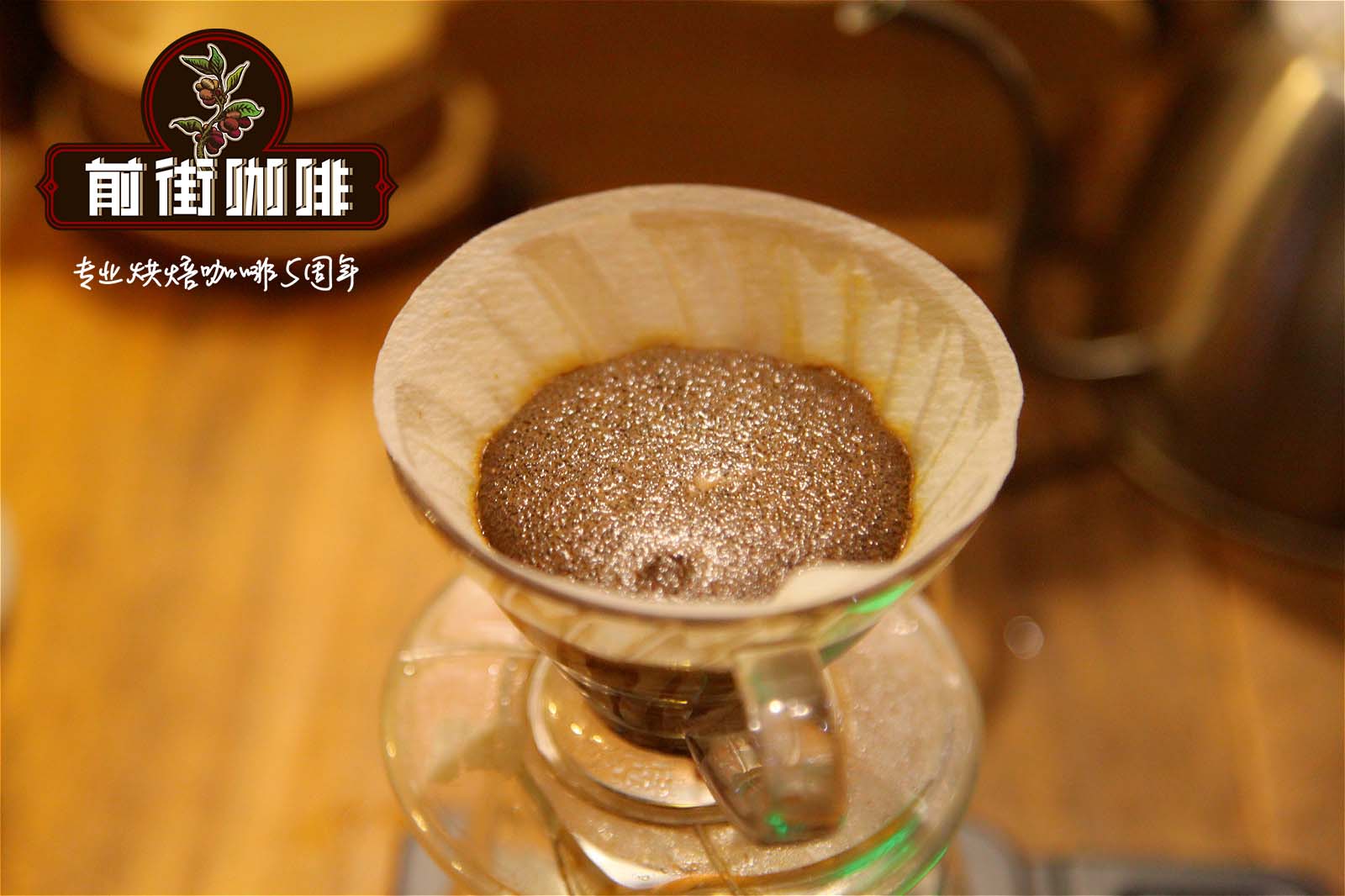
Brewing Method: Coffee-to-water ratio 1:15 with 15g of coffee. First pour 25g of water and bloom for 25 seconds. Second pour to 120g, then pause; once the coffee bed drains halfway, continue pouring slowly to 225g total. Extraction time approximately 2:00.
Analysis: The three-stage pour keeps the coffee's front, middle, and back-end flavors distinct. The V60's many ribs drain fast, so the mid-brew pause stretches the extraction back out.
FrontStreet Coffee Recommendation
If Don Mario's yellow honey has you curious about the wider honey-processing family, it helps to know where it came from. Honey processing descends from Brazil's pulped natural method — peel the cherries, then dry the beans — which shortens drying time and prevents the off-flavors of uncontrolled fermentation. Costa Rica borrowed the idea and refined it by varying how much mucilage stays on the bean and how long it dries, splitting the family into black, red, yellow, and white honey. Black honey keeps nearly all the mucilage and dries for at least two weeks under shade covers, with constant turning to prevent uneven heating and over-fermentation — the most labor-intensive of all. FrontStreet Coffee's Blackberry, black-honey processed and roasted medium-light, grinds out to an intense floral fragrance and brews with distinctive notes of grape, berry, and ripe blackberry. At the other extreme sits raisin honey processing, an innovation that pre-dries whole cherries on raised beds for at least three days before peeling, keeping 100% of the mucilage — even harder to execute than black honey, and rewarding the effort with richer dried-fruit sweetness. FrontStreet Coffee's Mozart uses this method and delivers osmanthus, pineapple, and raisin aromas whether you brew it as pour-over, cold brew, or moka pot. And the Strawberry Candy Geisha blend pairs raisin-honey Costa Rican coffee with Panama Geisha: the Geisha contributes its classic orange-blossom honeyed character, while the Costa Rican component adds grape and dried-blueberry fragrance, gentle acidity, an almond finish, and obvious sweetness.
Important Notice :
FrontStreet Coffee is a long-established specialty coffee roaster in Guangzhou China, selling freshly roasted beans from its own farm in Yunnan as well as dozens of carefully selected single-origin beans from around the world for both pour-over and espresso. The products deliver consistently excellent quality and great value, with shipping within 24 hours. Guangzhou's FrontStreet Coffee shop is recommended by many coffee lovers, and the beans are now available online at the Tmall 。
FrontStreet Coffee has moved to a new address:
FrontStreet Coffee Address: 315,Donghua East Road,GuangZhou
Tel:020 38364473
 Scan and follow the En Gafei WeChat official account. Please indicate that the reprint comes from "En Gafei".