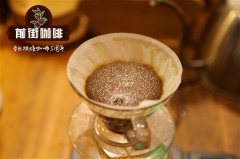
Costa Rica Tarrazu Valley | Pena Farm Yellow Honey Caturra/Bourbon/Tipica

Costa Rica Tarrazu Valley | What Are the Flavors of Pena Farm's Yellow Honey Caturra/Bourbon/Typica?
Costa Rica produces the most stable and highest-quality coffee in Central America, with a very long history - coffee production dates back to the 19th century, when coffee was already being exported to Britain as early as 1800. By 1880, the concept of specialty coffee had not yet formed, and many high-quality, high-altitude coffees (S.H.B.) were mixed with flatland coffees without special selection. Due to the country's narrow topography, factors such as latitude, altitude, soil, rainfall, and temperature vary greatly, giving rise to a rich variety of beans. Notably, Robusta is legally prohibited in Costa Rica - only Arabica varieties are permitted. Common varieties include Caturra, Catuai, Villa Sarchi, Geisha, Bourbon, and Villalobos. The most common processing method in Central America is washed, though more and more countries produce naturals as well as the increasingly popular honey-processed beans (Miel process) - a trend that originated in Costa Rica.
Today, Costa Rica has answered the demands of foreign buyers with a "micro-mill" coffee revolution. The spirit of the micromill movement is to equip every small Costa Rican farm with its own micro-processing system, allowing farms to handle everything from harvesting to processing and bagging without relying on others. Farms can process their beans using the simplest, fastest, and most inexpensive methods, ensuring the best quality and better profits - though this also means small farms must take full responsibility for the coffee they produce and process.
In Costa Rica, honey and natural processing emerged from the specific challenges small farms face. Pena Farm is located in the Tarrazu Valley, about 70 kilometers southwest of Costa Rica's capital, San José - a paradise region of lush green vegetation and clear rivers. Coffee is harvested once a year, with the season beginning in December and continuing until March of the following year. The area receives an average annual rainfall of 2,900 millimeters and has an average temperature of 18°C.
Property Characteristics
Farm Name: La Pena
Farmer: Santa Cruz
Region: Tarrazu Valley
Country: Costa Rica
Altitude: 1,650-1,700 meters
Coffee Characteristics
Variety: Caturra, Bourbon, Typica
Processing: Honey Process (yellow honey)
Harvest Time: End of November - March
Top Jury Descriptions: Cupping roast level begins at 60 seconds after first crack (cinnamon roast)
Aroma/Flavor: Clove, peanut, cinnamon, red tea, basil, peach, maple syrup, caramel
Acidity: Apple, blueberry, yellow lime, with a smooth, ester-like mouthfeel
Complexity and Other: Excellent spicy dry aroma, simple and clean with limited variation, velvety mouthfeel, sweet peach and apple notes
Overall Style: Very smooth, sweet honey peach, fresh modern flavors
FrontStreet Coffee's Recommended Brewing Method
Dripper: Hario V60
Water Temperature: 90°C
Grind Size: Fuji Royal grinder setting 3.5
Brewing Technique: Water-to-coffee ratio 1:15 with 15g of grounds. First pour 25g of water for a 25-second bloom. Second pour up to 120g, then pause. Wait until the water level in the coffee bed drops to halfway, then continue pouring slowly until reaching 225g total. Extraction time approximately 2:00.
Analysis: A three-stage pour clearly separates the coffee's front, middle, and back-end flavors. Because the V60 has many ribs and drains quickly, pausing the pour helps extend the extraction time.
FrontStreet Coffee Recommendation
If this yellow honey Tarrazu appeals to you, explore the rest of FrontStreet Coffee's Costa Rican lineup: the Musician Series Bach from Canet Estate (Tarrazú, 1950m, Caturra, raisin honey) offers rice-wine-like fermentation, ripe tropical fruit, cocoa, and caramel, while the Musician Series Mozart - celebrated for its signature raisin sweetness - brews beautifully through a V60. For classic honey-process character at its source, these Costa Rican lots showcase exactly why the Miel process was born here.
Important Notice :
FrontStreet Coffee is a long-established specialty coffee roaster in Guangzhou China, selling freshly roasted beans from its own farm in Yunnan as well as dozens of carefully selected single-origin beans from around the world for both pour-over and espresso. The products deliver consistently excellent quality and great value, with shipping within 24 hours. Guangzhou's FrontStreet Coffee shop is recommended by many coffee lovers, and the beans are now available online at the Tmall 。
FrontStreet Coffee has moved to a new address:
FrontStreet Coffee Address: 315,Donghua East Road,GuangZhou
Tel:020 38364473
 Scan and follow the En Gafei WeChat official account. Please indicate that the reprint comes from "En Gafei".