Honduras La Paz Region | The Flavor Profile of Finca Los Pinos Catuai SHG
Finca Los Pinos Catuai SHG from La Paz, Honduras: Flavor and Brewing
2017 Honduras National Winner - Finca Los Pinos
The 2017 Honduran national winner came from Finca Los Pinos in the La Paz region, grown from the Catuai variety. Abel Mejía began working alongside his father on coffee farms in La Paz while he was still a boy. When he married, his father gave him a very small plot on which to raise a family. Abel is not yet 30, but he had already worked out that the surest way to earn more from that little farm was to grow better coffee and sell it at a better price.
He tried every route he could think of. He learned to tend the fruit trees more carefully, managed the farm with discipline, and built solar drying houses. He understood that only outstanding quality would win him long-term buyers. Hungry for new knowledge, he set his sights on standing out in fiercely competitive competitions. In 2017 he entered for the first time — and won the national competition outright.
Flavor Profile
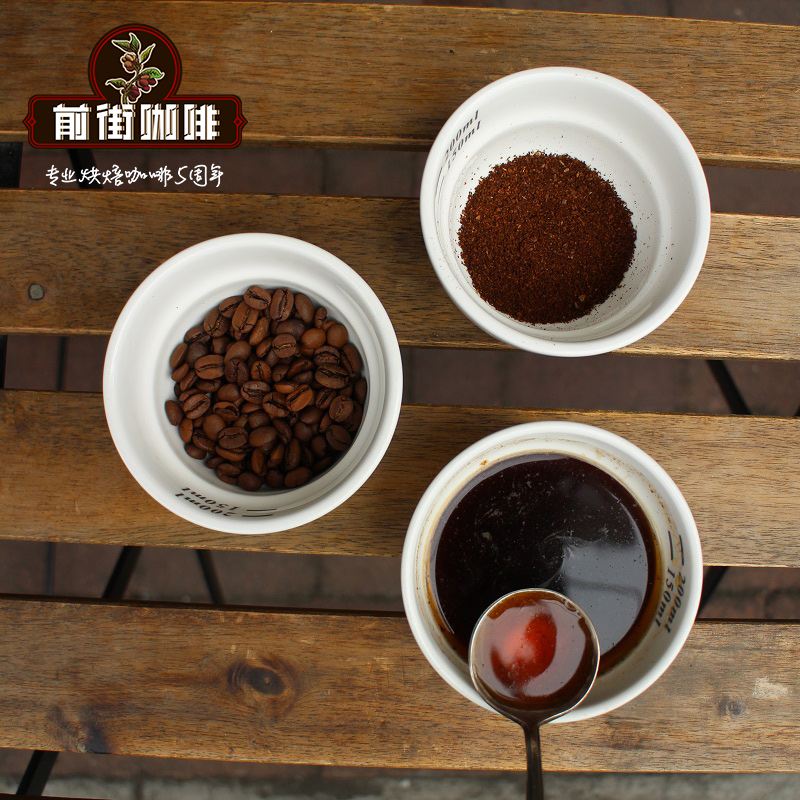
Abel Mejía's story is moving on its own, but the cup is what keeps you coming back: a delicate, juicy texture, full and generous white chocolate, a lift of fresh mint, and an elegant, fine vanilla sweetness. Berries, vanilla, mint, white chocolate and juice — all in one cup.
Honduras Coffee Industry Transformation
Honduras had never ranked among the headline names of the specialty coffee market, yet the country is naturally blessed: soil, altitude and climate are all excellent. Its neighbors Guatemala, El Salvador and Nicaragua built advanced coffee industries of their own. What Honduras lacked was infrastructure and recognition among consumers.
Honduras was known for commercial beans rather than specialty lots. Even coffee of excellent quality struggled to fetch a good price. Much of the crop from Copán and Santa Barbara was blended into Guatemalan beans and sold at Guatemalan prices. For a long time, nobody recognized the country's potential for specialty cultivation.
The core problem was processing. Cherries received only minimal attention and were sold to processing plants while still wet. All too often they turned moldy and damaged before they were properly dried down to 12% moisture content. Cherries that came through drying this way became defective, poorly processed beans. Because good quality earned no premium, farmers, mills and exporters had no incentive to spend more on developing that potential, and Honduran coffee came to be seen as a mild blending component rather than a single-origin or single-estate coffee — a vicious cycle.
Rise of Honduran Specialty Coffee
That has changed. With support from USAID, Fintrac and cooperatives such as La Central, Honduran farmers are being trained and encouraged to grow good coffee and then process it properly so the cup reaches its full potential. Fair Trade funding has paid for processing equipment and deepened growers' know-how. Little by little, Honduras has climbed out of that low point, and over the past year or two it has become one of Central America's rising coffee origins.
Honduras Coffee Regions
Honduras is as varied as any producing country, and no single sentence can cover it. Santa Barbara is the largest producing region; others include Copán, Ocotepeque, Lempira, La Paz and El Paraíso in the south. Growing altitudes run from 1,500 to 2,000 meters, mostly producing Strictly High Grown (SHG) beans. The Honduran coffees we have cupped recently tend to show lower acidity and higher sweetness with a clear caramel character, which makes them an excellent choice for espresso blends.
Coffee Details
Region: La Paz
Altitude: 1,650 M
Variety: Catuai
Processing: Washed
FrontStreet Coffee Brewing Recommendations:
Dripper: Hario V60
Water Temperature: 90°C
Grind Size: Fuji Royal grinder setting 3.5
Brewing Method: Use a 1:15 water-to-coffee ratio with 15g of grounds. Pour 25g of water first and let the bed bloom for 25 seconds. Pour again to 120g, then stop. Once the water level in the bed has dropped halfway, resume a slow pour until you reach 225g in total. Extraction takes roughly 2:00.
Analysis: A three-stage pour makes the front, middle and back end of the cup easy to read. Because the V60 has many ribs and drains fast, pausing between pours extends the contact time.
FrontStreet Coffee Recommendation
If the white chocolate and vanilla in this Honduran cup are what you enjoy, the natural next step is a coffee grown for a deeper chocolate-and-nut profile. FrontStreet Coffee finds that Colombia, Indonesia, Brazil and Papua New Guinea are the origins to reach for when you want that creamy, roasted-walnut sweetness underpinned by a low, quiet acidity and a silky body.
FrontStreet's signature espresso blend is built around Brazilian beans with Colombian support, layering almond, walnut and other nutty notes; pulled as a latte it adds a comfortable bittersweet edge and a sweet milk-chocolate finish. For a single-origin take on the same idea, FrontStreet's Queen Estate coffee — a yellow Bourbon from a smaller growing area — brings nut, butter, roasted peanut and caramel-cookie notes with restrained acidity and a long, clean sweetness, and works just as well in a pour-over, French press or moka pot as it does on an espresso machine.
For a bolder, deeper version, FrontStreet's Indonesian Lintong Mandheling is a G1-grade wet-hulled coffee roasted dark, pushing black sugar, spice, herbal and dark chocolate aromas with a full, low-acid body. The Papua New Guinea Bird of Paradise, nicknamed "little Blue Mountain," is roasted medium to keep a grapefruit-like brightness alongside its toasted bread and nut sweetness.
Important Notice :
FrontStreet Coffee is a long-established specialty coffee roaster in Guangzhou China, selling freshly roasted beans from its own farm in Yunnan as well as dozens of carefully selected single-origin beans from around the world for both pour-over and espresso. The products deliver consistently excellent quality and great value, with shipping within 24 hours. Guangzhou's FrontStreet Coffee shop is recommended by many coffee lovers, and the beans are now available online at the Tmall 。
FrontStreet Coffee has moved to a new address:
FrontStreet Coffee Address: 315,Donghua East Road,GuangZhou
Tel:020 38364473
 Scan and follow the En Gafei WeChat official account. Please indicate that the reprint comes from "En Gafei".