Blue Mountain Coffee: Origin History, Classification, Authenticity Guide, and Flavor Characteristics
When it comes to coffee, none is more famous than Jamaica Blue Mountain. Whether or not you drink coffee, you have probably heard the name. Yesterday we looked at Hawaii, home of KONA, the "Queen of Coffee." Today let's explore Jamaica, homeland of Blue Mountain, the "King of Coffee."
Cultivation History
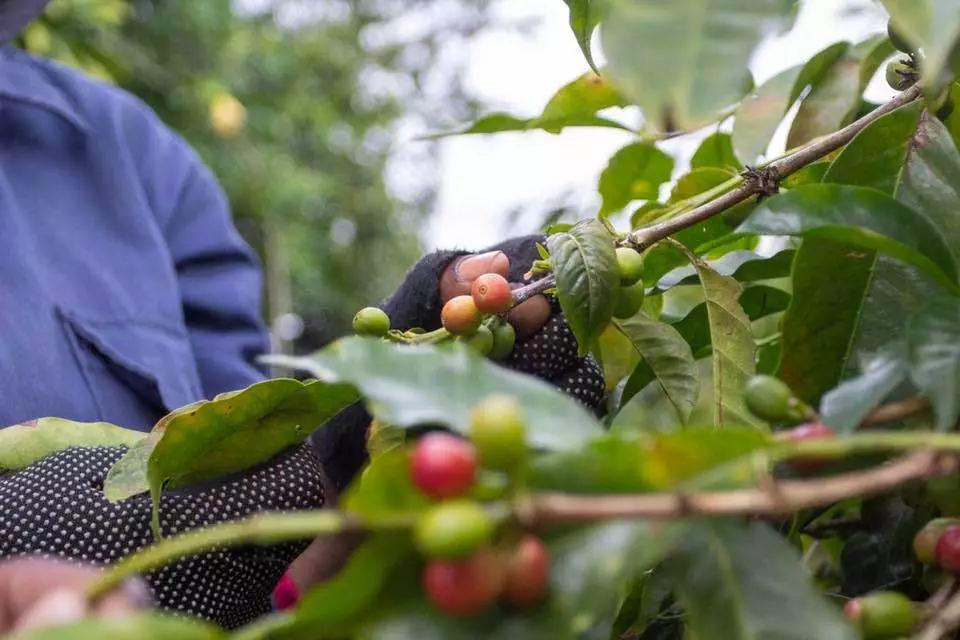
In 1717, King Louis XV of France ordered coffee cultivation in Jamaica. In the mid-1720s, Sir Nicholas Lawes, the Governor of Jamaica, imported Arabica seeds from Martinique and began promoting cultivation in the St. Andrew area. To this day St. Andrew remains one of Jamaica's three major Blue Mountain coffee producing regions, the other two being Portland and St. Thomas.
Within eight years, Jamaica exported over 375 tons of pure coffee.
In 1932, coffee production peaked, with harvests exceeding 15,000 tons.
In 1950, the Jamaican government established the Jamaica Coffee Industry Board. The board sets quality standards for Jamaican coffee and oversees their enforcement to safeguard quality. It grants special official seals to exported raw and roasted Jamaican coffee, making it the highest-level national coffee institution in the world.
Currently there are six trademarks that can represent the origin of Blue Mountain Coffee: Mavis Bank Central Factory (MBCE), Mavis Bank Hill Coffee Factory (MHCCT), Portland Blue Mountain Coffee Factory (PXXSH), Coffee Industry Association (Wallenford), Coffee Industry Association (St. John's Peak), and JAS (Blue Mountain).
By 1969, the situation had improved, as Japanese loans were used to raise production quality and secure the market. Today Jamaican Blue Mountain has reached a status of fervent admiration.
By 1981, Jamaica had opened approximately 1,500 hectares of land for coffee cultivation, followed by investment in another 6,000 hectares. In fact, today's Blue Mountain region is small, with only 6,000 hectares under cultivation, which makes it impossible for all coffee labeled "Blue Mountain" to have been grown there.
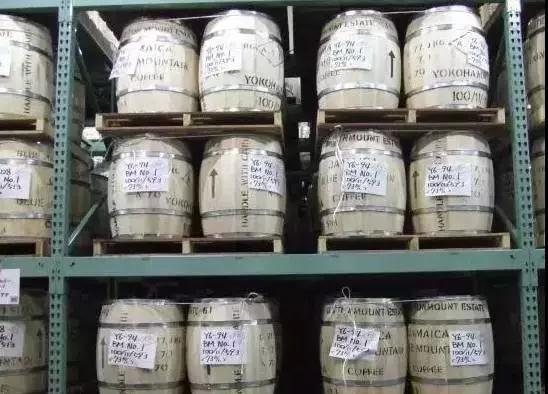
Jamaica is also the last country to package and transport coffee in wooden barrels. Only after meeting a series of stringent standards set by the Jamaican Coffee Industry Board, the C.I.B, can coffee receive a government-issued certificate and be officially designated "Blue Mountain."
Geographical Conditions
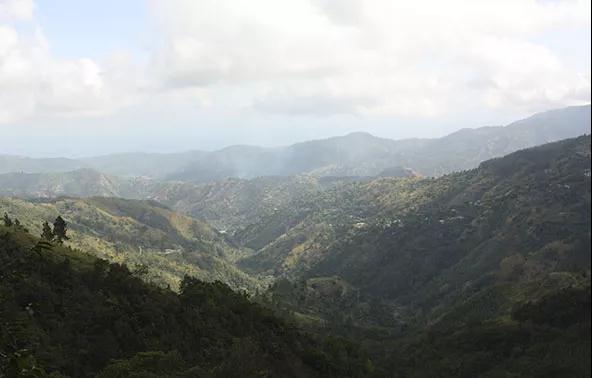
Jamaica is an island in the Caribbean Sea. Its Blue Mountains are the highest range in the western Caribbean, at 2,256 meters. The unique flavor of FrontStreet Coffee's Jamaican Blue Mountain Coffee is tied to the exceptionally favorable location and climate of the Blue Mountains.
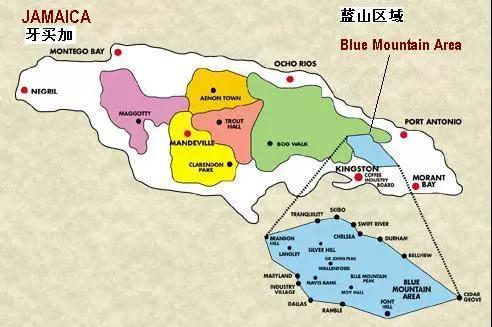
The Blue Mountains sit in the coffee belt at 25 degrees north latitude, with fertile new volcanic soil, fresh and pollution-free air, year-round rainfall, high humidity and a significant difference between day and night temperatures. The soil is rich in nitrogen and phosphorus, making it very suitable for coffee. Fertile volcanic soil, regular rainfall and island mists that shield the plants from harsh sunlight all combine to create the world-renowned Jamaican Blue Mountain Coffee.
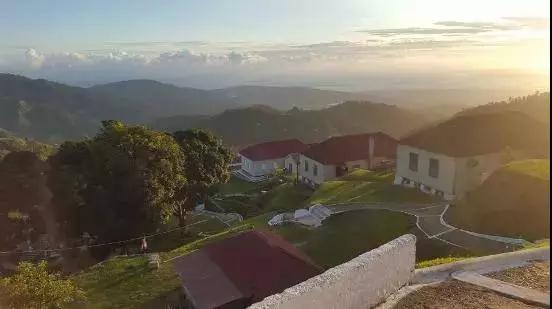
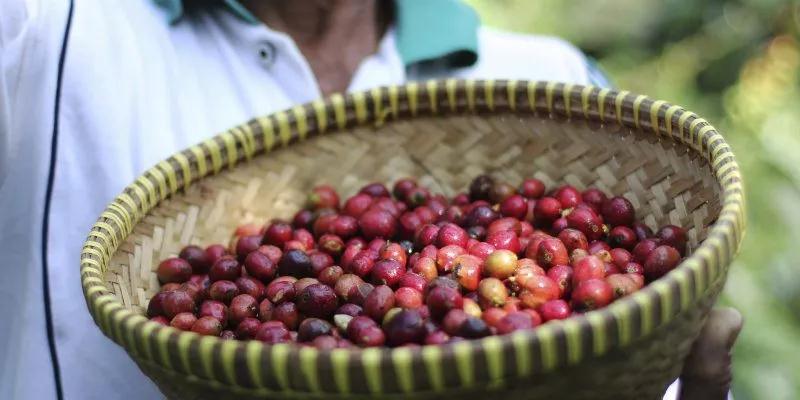
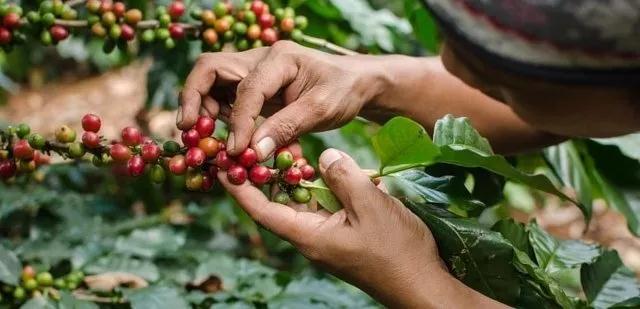
The harvest period for Jamaican Blue Mountain Coffee runs from June to November each year, and picking is normally done by hand. Because all the trees grow on rugged mountain slopes, the picking is extremely difficult, and only skilled local women can manage it. Selecting properly ripe cherries during picking is crucial, since underripe or overripe beans will affect quality.
Coffee Grading
Coffee from the Jamaican Blue Mountain region has three grades: Blue Mountain Coffee, Jamaica High Mountain Supreme Coffee Beans, and Jamaica Prime Coffee Beans. Both Blue Mountain Coffee and High Mountain Supreme are further divided into two grades each. In quality terms, from highest to lowest: Blue Mountain No. 1, Blue Mountain No. 2, High Mountain No. 1, High Mountain No. 2, and Jamaica Prime Coffee.
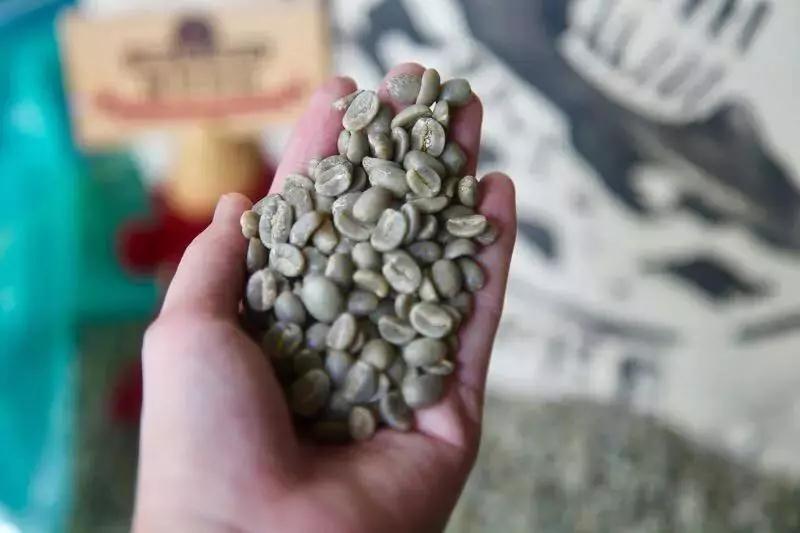
The basic standards for Blue Mountain No. 1 green beans include beans larger than 17 screen, a defect rate below 3% and a moisture content around 13%.
Typically, only coffee grown between altitudes of 457 and 1,524 meters can be called Jamaican Blue Mountain Coffee. Coffee grown between 274 and 457 meters is usually called Jamaica Coffee. In price, Blue Mountain Coffee is several times more expensive than High Mountain Coffee. It is mainly distributed across five peaks: John Crow, St. John's Peak, Mossman's Peak, High Peak and Blue Mountain Peak.
Processing Method
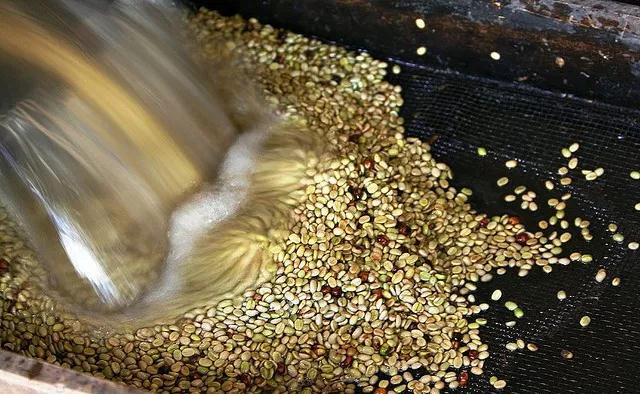
To this day, Jamaican Blue Mountain Coffee uses only the washed process.
Washing and fermentation are used to remove the pulp, fruit flesh and mucilage. Farms using the washed method must build washing pools and have access to continuously flowing water. During processing, the pulp and fruit flesh are removed first, then the beans ferment for 12-18 hours. The fermented beans are placed in pools and moved back and forth, using friction between the beans and the power of flowing water to wash them until smooth and clean.
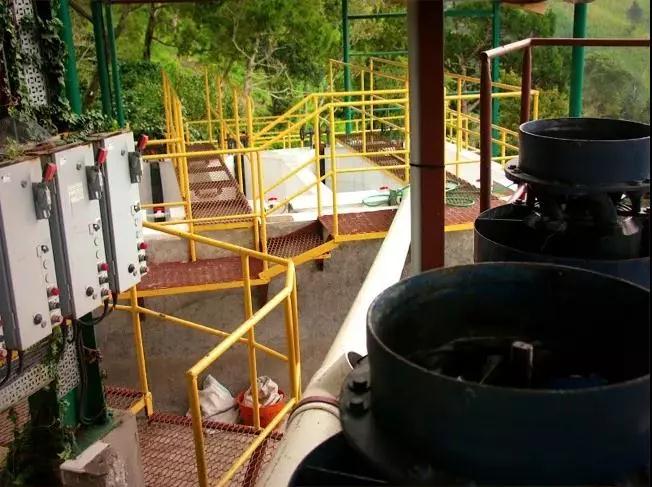
After washing, the beans are still enclosed in parchment with a moisture content of 50%. They must be dried to bring moisture down to 12-14%. The beans are then screened and stored in special warehouses. These steps must be strictly controlled, or quality will suffer.
Estate Introduction
WALLENFORD
WALLENFORD Estate sits on the slopes of Catherine Peak, in the center of Jamaica's Blue Mountain range, at an altitude of approximately 1,524 meters. WALLENFORD began growing Blue Mountain coffee in 1790. The perennially cold, foggy climate makes the fruit sweet and full-bodied, producing extremely unique, high-quality Blue Mountain beans.
Moreover, while the Jamaican government sold and privatized most estates, WALLENFORD ESTATE is the only one retained and directly managed by the government. Its quality control is the most stringent, with no excessive pursuit of commercial returns, but a mission to maintain the reputation of Jamaican Blue Mountain Coffee.
1. The official registered logo of the Jamaica Coffee Board, used for certification and inspection of exported Jamaican Blue Mountain Coffee.
2. The official registered BLUE MOUNTAIN COFFEE trademark of the Jamaica Coffee Board (CIB), identifying authentic Jamaican Blue Mountain Coffee packaging.
3. The WALLENFORD COFFEE COMPANY registered trademark, identifying WALLENFORD Blue Mountain Coffee packaging.
Mavis Bank
The Munn family began operating Mavis Bank Company in 1885. The original site stood at a slightly higher altitude than the current one and was called Strawberry Hill. Mavis Bank processes coffee cherries at high altitude. They invested in brand-new equipment, and the trial beans showed significant improvement, because they run a truly zero-defect process. This coffee has a very mild, smooth flavor with good body, sometimes recalling the aroma of high-altitude frozen oolong tea.
R.S.W Blue Mountain
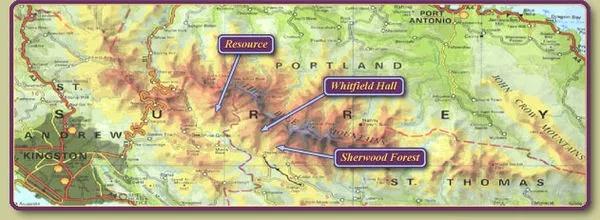
R.S.W Blue Mountain Estate is located in the mountainous area of southeastern Jamaica. R.S.W refers to 100% Blue Mountain Coffee produced by its Resource, Sherwood Forest and Whitfield Hall estates. Coffee grown in these three areas sits at altitudes of approximately 700 to 1,600 meters. The mountains are often shrouded in cool cloud and mist, which benefits the trees greatly. Harvested fruit is all gathered at the Sherwood Forest washing plant for processing.
Clifton Mount Estate
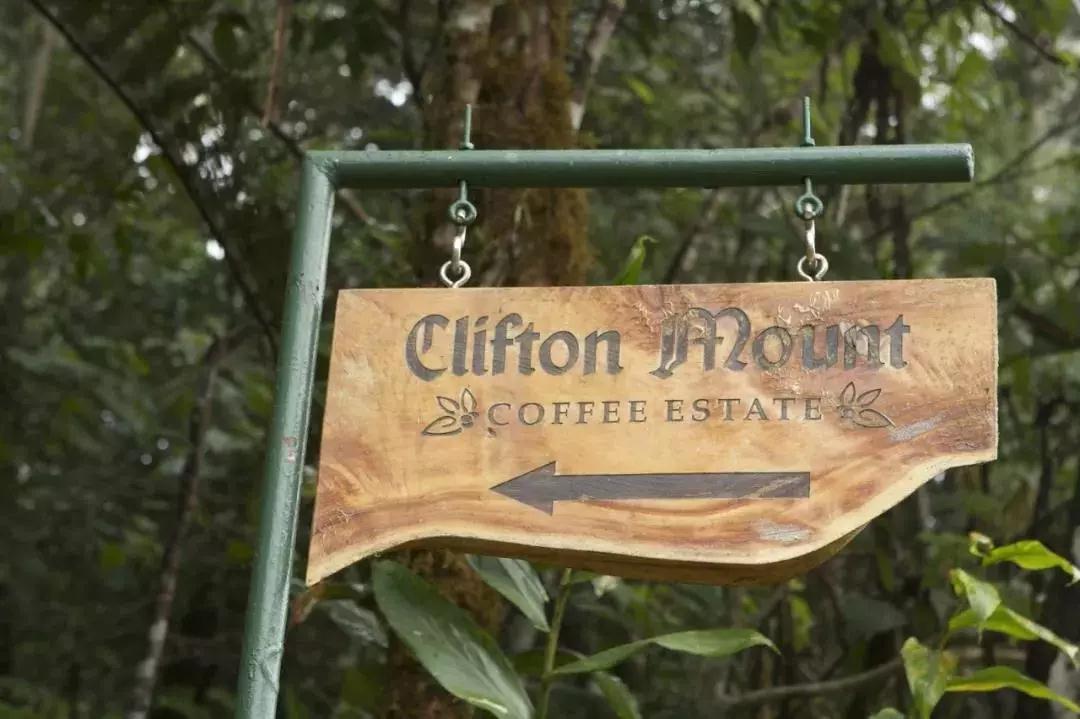
Clifton Mount is Jamaica's oldest coffee producing area still in normal operation, and Clifton Farm is the only one in Jamaica with Rainforest Alliance certification.
As early as the mid-18th century, around 1750, Clifton Farm began cultivating and producing coffee. Its coffee growing and processing areas sit at an average altitude of 4,300 feet, or 1,310.64 meters. Sufficient altitude, gentle afternoon cloud and mist shading the mountains, ample sunlight and mineral-rich planting soil give the trees excellent growing conditions and also extend the maturation of the cherries.
FrontStreet Coffee's Blue Mountain Coffee Brewing Suggestions
For daily brewing, V60, Kalita Wave and KONO filter cones all work well.
Using a KONO filter cone: 15g coffee, water temperature 89°C, grind size similar to medium sugar, water-to-coffee ratio close to 1:15, total time around 2:00.

Technique: 25-30g of water for the bloom, blooming for 30s; first pour to 120g then stop; use a vertical stream and a small flow rate with slow circular motion; second pour to 225g, with the flow and circular motion slightly faster to reduce fine particles blocking the filter and causing over-extraction.
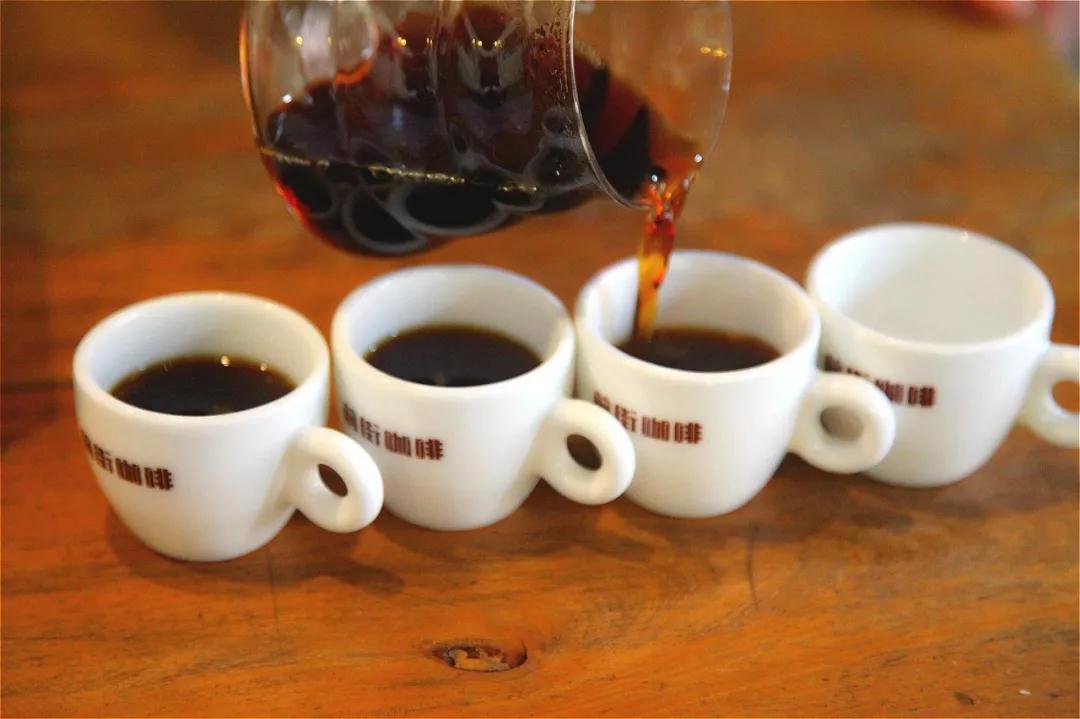
FrontStreet Coffee's Jamaican Blue Mountain Coffee has a very clean, complex and extremely mild flavor, with chocolate sweetness and a very strong body. The taste is rich and mellow, with a perfect balance of coffee's sweet, sour and bitter notes - completely without bitterness, only moderate and perfect acidity, with a persistent fruity finish.
How to Identify Authentic Blue Mountain?
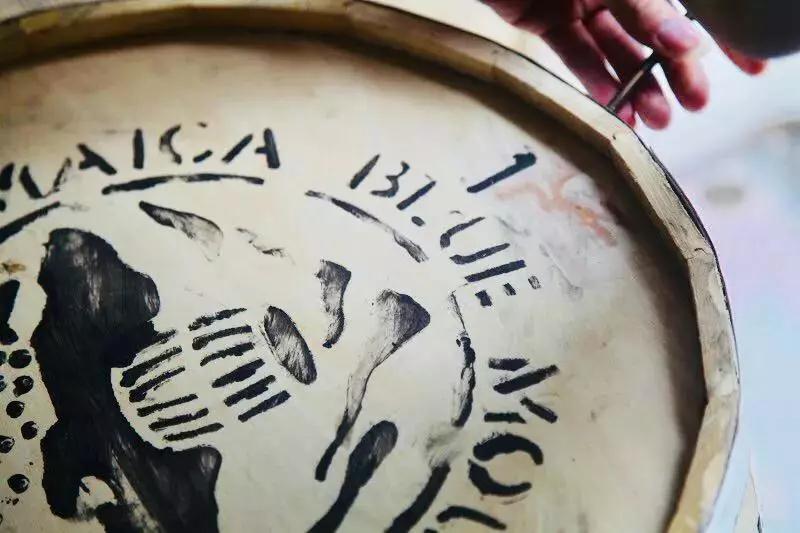
1. Appearance: FrontStreet Coffee's Jamaican Blue Mountain green beans are blue-green in color, very uniform in appearance, medium to small in size, with slightly upturned ends. After roasting they expand significantly in volume and become very full.
2. Grinding: Authentic FrontStreet Coffee's Jamaican Blue Mountain beans are grown at high altitude, and their cellular structure is relatively loose. Hand grinding feels very crisp, smooth and continuous, with no sense of resistance.
3. Aroma: The aroma of FrontStreet Coffee's Jamaican Blue Mountain Coffee is very rich and dense; so-called "Blue Mountain blends" do not have this aroma.
4. Flavor: Authentic FrontStreet Coffee's Jamaican Blue Mountain Coffee has a balanced, rich taste, with no flavor too prominent or missing. This is something no other coffee bean achieves, and it is the most crucial identification point.

Real Blue Mountain and Blue Mountain-style are two different concepts. Generally, other bean varieties are roasted to imitate the taste of Blue Mountain Coffee. "Blue Mountain blends" contain mixed beans with significant shape differences, making them easier to identify. And do not believe in "premium Blue Mountain" costing dozens of yuan per pound, or "Blue Mountain coffee" costing only a dozen yuan per cup.
FrontStreet Coffee Recommendation
When you are ready to drink the real thing, FrontStreet Jamaica Blue Mountain No. 1 is the highest grade in the lineup, sourced from the historic Clifton Mount Estate. Clifton Farm has been growing and producing coffee since around 1750, with its growing and processing areas at an average altitude of 4,300 feet, or 1,310.64 meters. The altitude, the gentle afternoon cloud and mist, the ample sunlight and the mineral-rich soil give the trees ideal conditions and slow the ripening of the cherries.
Roasted to a medium-dark level, FrontStreet Jamaica Blue Mountain No. 1 expresses the classic balance the region is famous for: layers of nut, dark chocolate and creamy caramel unfold with a soft sweetness, the sweet, sour, bitter and aromatic notes in harmony. Packed in traditional wooden barrels and offered with full origin certification, it is as good for daily drinking as it is for gifting.
Important Notice :
FrontStreet Coffee is a long-established specialty coffee roaster in Guangzhou China, selling freshly roasted beans from its own farm in Yunnan as well as dozens of carefully selected single-origin beans from around the world for both pour-over and espresso. The products deliver consistently excellent quality and great value, with shipping within 24 hours. Guangzhou's FrontStreet Coffee shop is recommended by many coffee lovers, and the beans are now available online at the Tmall 。
FrontStreet Coffee has moved to a new address:
FrontStreet Coffee Address: 315,Donghua East Road,GuangZhou
Tel:020 38364473
 Scan and follow the En Gafei WeChat official account. Please indicate that the reprint comes from "En Gafei".