Kenya AB Coffee Beans K72 Washed Flavor Characteristics Detailed Explanation of Kenyan Coffee Bean Growing Regions Varieties and Grades

Although FrontStreet Coffee currently keeps only one Kenyan coffee on its menu, it was once a serious player in Kenyan coffee. If you're a longtime fan of FrontStreet Coffee, you've almost certainly tried its Kenya AB Little Cranberry. Keep in mind that AB is the second-highest quality grade of Kenyan coffee after AA. This Little Cranberry has wonderfully aromatic, juice-like acidity, with berry aromatics that are especially pronounced at high temperatures, delivering a full, sweet berry rush on the palate. As it cools, the acidity becomes more concentrated and picks up a creamy texture. Below, FrontStreet Coffee walks you through the details of this Kenyan AB coffee:
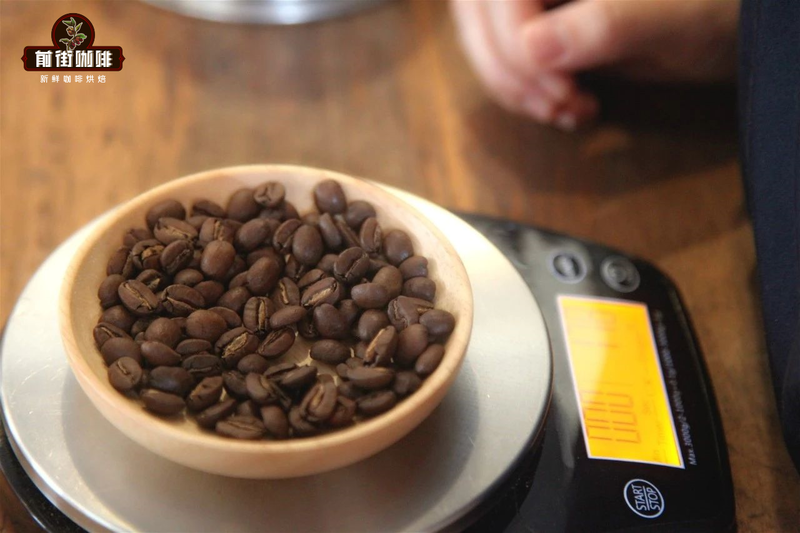
FrontStreet Coffee: Kenya AB Komatina Little Cranberry
Region: Kiambu
Micro-region: Gitwe
Soil: Volcanic clay
Altitude: 1400-1800 meters
Varieties: SL28, SL34, Ruiru 11
Processing: Kenyan 72-hour washed
Why Kenyan Coffee Tastes So Good
FrontStreet Coffee believes many factors contribute to the superb taste of Kenyan coffee - altitude, growing environment, processing methods, and more. But for this particular Little Cranberry, we want to spotlight the processing first: the K72 method. A K72-processed Little Cranberry tastes distinctly different from a typical washed Kenyan. The K72 method adds extra fermentation rounds on top of standard washing, which gives the coffee a brighter texture and especially outstanding acidity. FrontStreet Coffee will detail the specific K72 steps later in this article, but let's start from the growing region.
01 | Introduction to Kenyan Coffee Regions
Anyone with a bit of geography under their belt knows Kenya sits in eastern Africa, right next to Ethiopia. What you may not know is that although Kenya shares a similar coffee-growing environment with Ethiopia - the birthplace of coffee - Kenyan coffee got a very late start. According to FrontStreet Coffee's research, Kenya first planted coffee in 1893, when Bourbon was introduced from Brazil (also known as French Mission, in honor of the French missionaries who brought it). In a bit of a "coming full circle" story, the coffee didn't head south into the continent's interior but crossed the Red Sea northward. After centuries of dispersal, settling, and mutation around the world, it finally returned to its ancestral home: the Great Rift Valley.
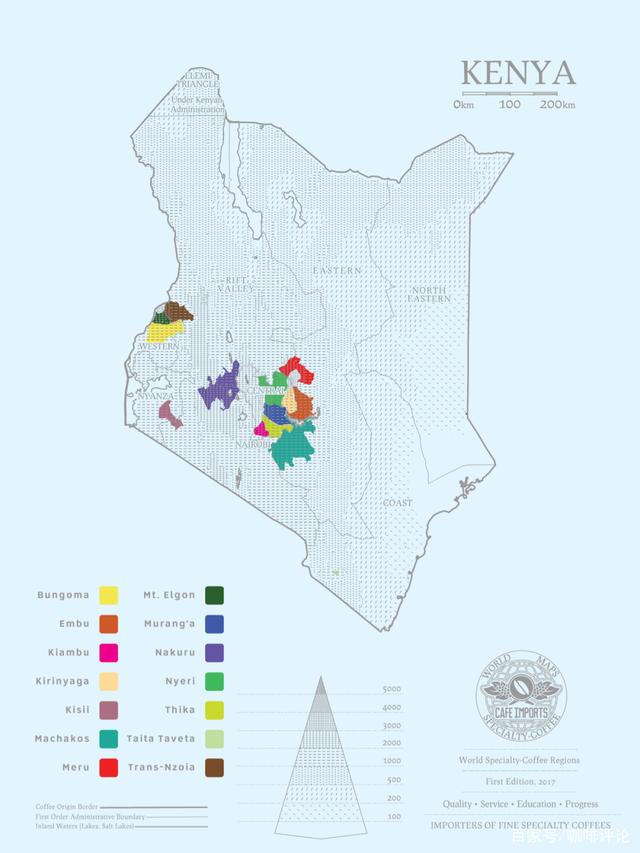
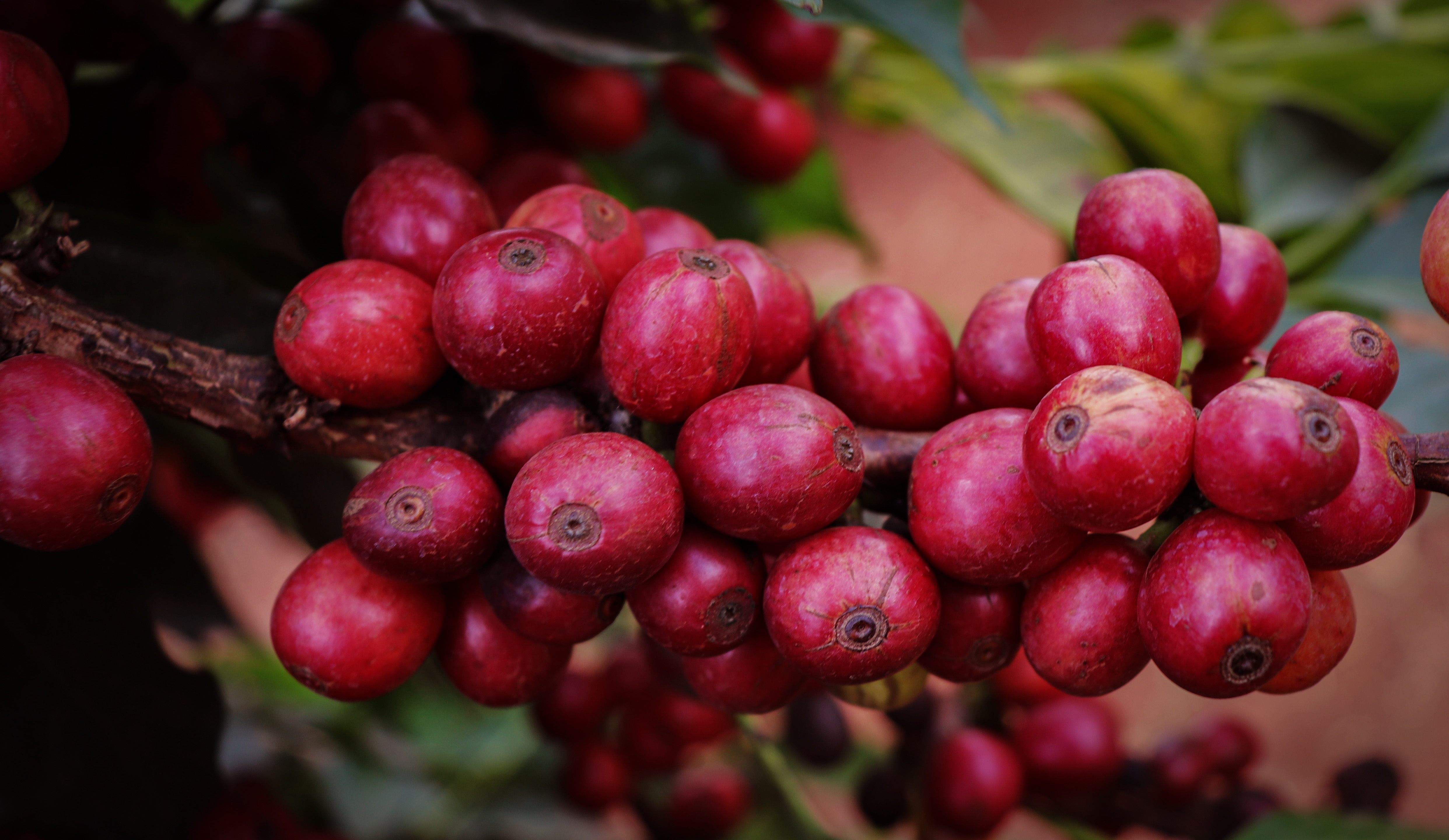
Kenya is today one of the world's major coffee producers, with roughly six million people nationwide working in the coffee industry, mostly as smallholder farmers, wet mills, and cooperatives. Kenyan coffee is predominantly washed, and the trees grow mainly in mountainous areas at 1400-2000 meters. The main growing regions include Ruiru, Thika, Kirinyaga, Mt. Kenya West, Nyeri, Kiambu, and Muranga. Most of Kenya's famous regions are concentrated in the central part of the country - Nyeri, Kiambu, Kirinyaga - along with the western mountain areas near Uganda (Nakuru, Bungoma, Kitale, and so on).
02 | Kenyan Coffee Cultivation
Coffee farms are mostly small operations producing a few hundred kilograms a year. Based on transport distance and the prices on offer, farmers decide whether to sell their cherries to nearby processing factories (coffee factories). Farmers own very small plots - often measured simply by the number of trees on the land - which means producers usually have plenty of autonomy in how they strategically harvest their cherries, and can deliver the most mature cherries to the local factories (washing stations). Those factories generally enjoy abundant water for fine washed processing, including extended fresh-water soaking that consolidates Kenya's signature flavor profile.

03 | Kenyan Coffee Varieties
Kenya's main varieties are SL28 and SL34, bred and named by the Scott Laboratories in 1930. The Kenya Assalia beans currently available at FrontStreet Coffee are SL28 and SL34. According to the SL lab's botanists, SL28 and SL34 are genetic variants. SL28 has mixed French Mission, Mocha, and Yemen Typica ancestry. The original goal in breeding SL28 was to mass-produce beans that were both high in quality and resistant to disease and pests. Although SL28's yield ultimately fell short of expectations, its copper-colored leaves and broad, bean-shaped seeds deliver wonderful sweetness, balance, and complexity, with notable citrus and plum characteristics. SL34 tastes similar to SL28; beyond its complex acidity and lovely sweet finish, it has a heavier, richer, and cleaner texture than SL28. SL34 carries French Mission, Bourbon, and a larger share of Typica ancestry. The beans look similar to SL28, but the variety copes better with sudden heavy rain. It is these two landmark varieties that taught the world what Kenyan coffee really is. Popular current varieties in Kenya also include Ruiru 11, which resists disease well but tastes slightly inferior; Batian, prized for drought resistance; and K7 and Kent.
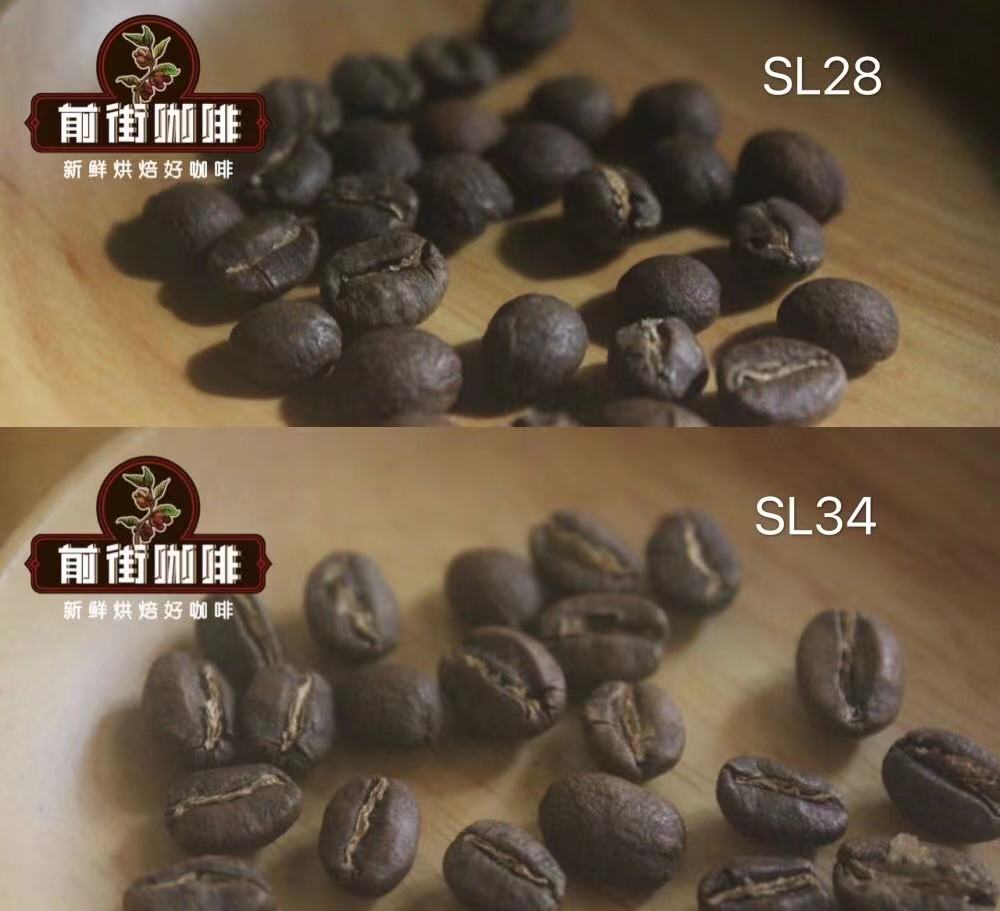
FrontStreet Coffee's Kenya AB Komatina Little Cranberry is built from SL28, SL34, and Ruiru 11. It shows the classic Kenyan profile: wonderful sweetness, balance, and complexity, with prominent citrus and plum notes.
04 | Processing Method: The Kenyan 72-Hour Washed Method
FrontStreet Coffee believes Kenyan coffee is famous for its rich layering and clean texture, and its signature acidity comes from the special K72 process. Two rounds of washed fermentation - commonly known as "double fermentation" - make this a fairly complex yet delicate green-coffee processing method. It is more time-consuming and water-intensive than ordinary washing, which is part of why Kenyan coffee costs more, and it is an indispensable technique behind Kenya's unique acidic aroma and clean cup. Here is how the process works in detail.
First Wash and Fermentation
After harvest, the cherries are first sorted by water density - the principle is to exploit the density differences among the fruits themselves. High-density (heavy) cherries sink, while low-density cherries float. Fully ripe, high-quality cherries are dense, and these are selected for further processing. Once the best fruit is chosen, the skin is removed and the beans are soaked in water to wash, letting the mucilage clinging to the green beans ferment. That mucilage contains natural sugars and alcohols that play a crucial role in building the coffee's sweetness, acidity, and overall flavor. Fermentation lasts up to 24 hours, after which most of the mucilage is washed away, leaving only its flavor imprint inside the bean.
Second Wash and Fermentation
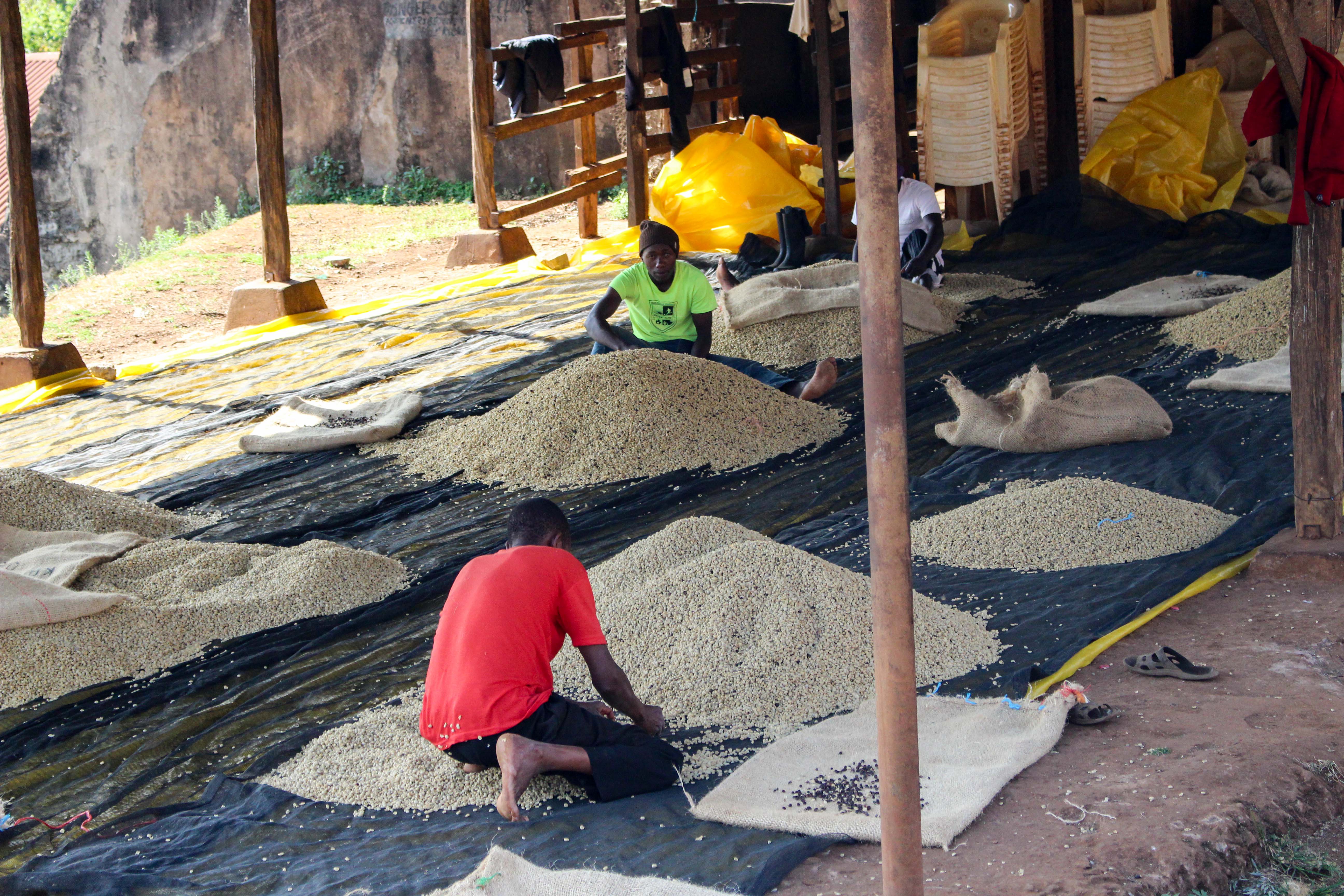
Next, the beans move into a second wash and fermentation. After being cleaned, the beans from the first stage are soaked again in fresh water for 12-24 hours. This step increases proteins and amino acids, creating complex, delicate layers within the coffee's acidity. Finally, all remaining mucilage is removed and the beans are transferred to raised beds for sun drying. Drying time depends on the weather and generally takes about 5-10 days.
05 | FrontStreet Coffee's Kenya AB Komatina Little Cranberry: Green Bean and Roast Analysis
These beans are relatively small, with medium density and naturally low moisture content. The roast target is a light-medium profile. Unlike many light-roasted Kenyan coffees, this Little Cranberry is taken to a light-medium roast to tame the intensity of the acidity, which boosts texture and balance and makes the overall cup sweeter and juicier. In the first batch, the drop from charge was run relatively hot, charging at 200 degrees with generous heat. During roasting we found the beans grow at a comparatively modest altitude and feel slightly soft, so a gradually tapering, steadily rising profile was adopted. Heat was stepped down when the beans turned yellow, when drying finished, and just before first crack, to avoid scorching the surface; the first-crack phase was stretched slightly to lengthen caramelization, deepening flavor texture and balance.
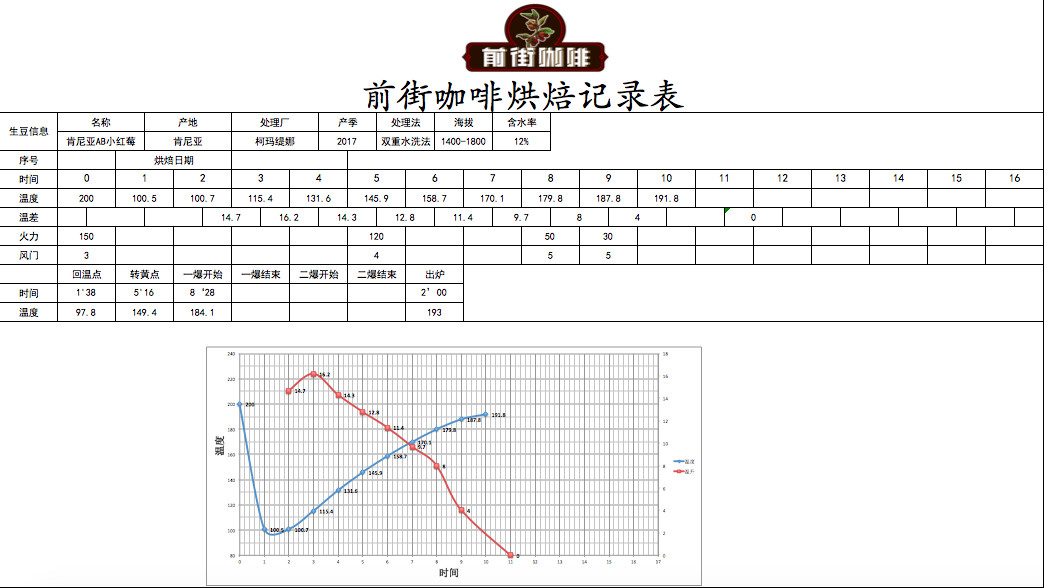
Yangjia 600g Semi-Direct-Fire Roaster
Charge the roaster at 200 degrees C, damper at 3. After 30 seconds, reduce heat to 150 degrees, damper unchanged. Hold heat through the turning point at 1'38". At 5'16" the bean surface yellows, the grassy smell disappears completely, and the beans enter the drying stage: heat down to 120 degrees, damper to 4. Drying completes at 7'05", heat down to 80 degrees. At 8'00", wrinkling and dark specks appear on the surface and the toast aroma clearly shifts into coffee aroma - the prelude to first crack. Listen carefully from here. First crack begins at 8'28": reduce heat to 50 degrees and open the damper fully to 5 (adjust heat very carefully - not so low that the crack dies out). Develop for 2'00" after first crack and drop at 193 degrees C.
06 | Kenyan Coffee Grades
Many people are puzzled by the letters - AA, PB and so on - in Kenyan coffee names; these are actually grades. Kenya controls quality quite strictly, classifying beans by size and shape into AA, AB, C, E, PB, TT, T, ML, and MH. The grading mainly distinguishes bean shape and size, but many believe larger beans carry more of the oils that produce coffee's aroma, and larger beans therefore command higher market prices. AA is size 17-18 mesh; AB is 15-16 mesh. Take FrontStreet Coffee's Little Cranberry: it is an AB-grade bean, clearly a size step below AA. Within the same size grade, the top tier is estate beans, followed by "+" lots, then the standard AA and AB grades. Grade C is smaller beans; Grade E is extra-large (elephant beans). TT, T, ML, and MH are lower grades seen only locally.

For quality classification, Kenya also uses a numerical grading system, but it has never been widely promoted, so few people know about it. In practice, grading still prioritizes larger particle size, while PB - the differently shaped peaberry grade - is roughly equivalent to AA; estate grade or "+" grade beans move up two levels or one level respectively (so AB estate beans are roughly equivalent to AA+ and PB+). Flavor grades run TOP, PLUS, and FAQ. FAQ ("Fair to Average Quality") may contain a few slightly defective beans, but they don't hurt the flavor.
Many friends have told FrontStreet Coffee that Kenyan coffee tends to brew out quite acidic, so how should you brew these bright beans? Here are the brewing parameters we use in our stores:
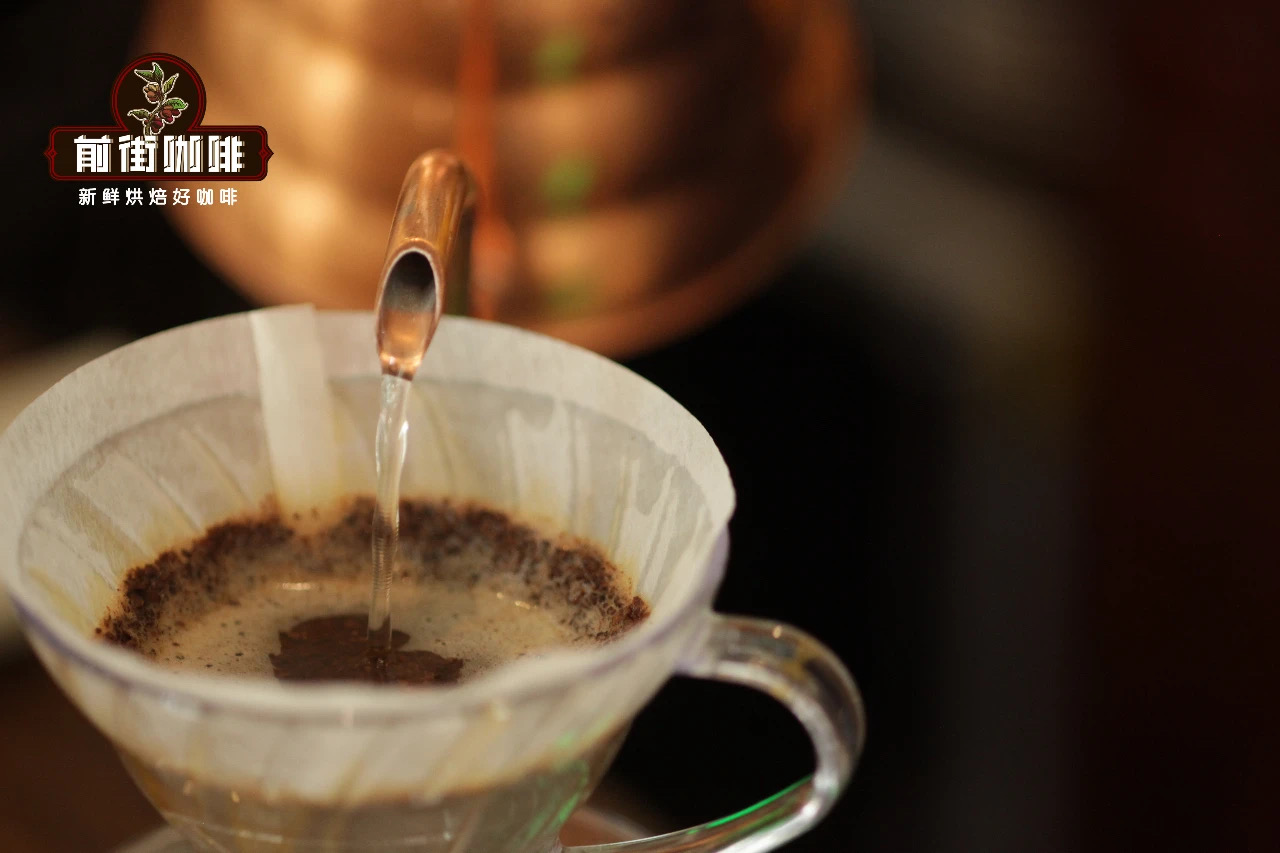
V60 Dripper
Water Temperature: 91 degrees C
Water-to-Coffee Ratio: 1:15
Coffee Amount: 15g
Grind Size: (80% pass rate on the China No. 20 standard sieve)
FrontStreet Coffee's Brewing Method: Bloom with 30g of water for 30 seconds, then pour in small circles up to 125g and pause. When the water level drops and is about to expose the coffee bed, continue pouring to 225g and stop. When the level again drops to just above the bed, remove the dripper (timing starts from the bloom). Total extraction time is 2'00".

This method produces a Kenyan coffee with a beautifully balanced texture - sweet and sour notes that are evident yet soft, carrying rich citrus, grapefruit, and berry flavors. If you've already mastered three-stage pouring and understand how to adjust the cup's texture, you can tweak the parameters in later brews to find the extraction that suits you best.
For professional coffee knowledge exchange and more coffee bean information, follow Coffee Workshop (WeChat public account: cafe_style). For more specialty coffee beans, add FrontStreet Coffee's private WeChat: kaixinguoguo0925
FrontStreet Coffee Recommendation
Washing is a traditional way of processing coffee cherries that uses water as its core resource. The usual steps are float sorting, de-pulping, soaking and fermentation to remove the mucilage, washing or further soaking, drying, and hulling. Because washed beans spend so long in water, chemical changes take place inside the bean and simple sugars (fructose and glucose) are substantially consumed, lowering the coffee's sugar content while increasing its various organic acids. Washed coffee therefore tends to preserve more of the bean's own aromatics while showing bright fruit acidity and a clean, fresh character.
Most people know Yirgacheffe, but fewer know that local smallholder farmers, with their tiny harvests, send their cherries to cooperatives for centralized processing and sale. FrontStreet's Guodingding Cooperative lot comes from an excellent processing team in Guodingding village with highly skilled, experienced processing. It was discovered and made famous precisely because its coffee is exceptionally refined and clean. Thanks to the washed process, FrontStreet's Guodingding Cooperative shows jasmine florals and bright citrus acidity to the fullest; after a medium-light roast, the coffee also reveals green tea and honey tones. It suits pour-over, cold brew, espresso, and more.
When it comes to washed coffee, FrontStreet's Kenya Little Tomato is one of the most celebrated representatives, because Kenya is a master of double-washed green coffee processing. An extra wash stage is layered on: float the cherries, soak the beans, wash off the mucilage clinging to the surface, soak again, dry, hull, and store. Through all that repeated rinsing and soaking, the juice-like quality of the coffee is expressed to the extreme - a sweet-tart, juicy cup full of cherry tomato, smoked plum, snow pear, black plum, and raw sugar aromas, a long-time favorite of coffee enthusiasts. And if you want a classic, look no further than FrontStreet's Jamaica Blue Mountain No.1. Washing was actually born in Jamaica: as one of the world's most famous coffee origins, the island struggled with limited sunshine - its island climate brings shorter daylight than most regions - so to reduce the chance of beans spoiling, the washed method was developed. Its key difference from natural processing is that the skin, pulp, and mucilage are all removed before drying, reducing the moisture wrapped around the bean and shortening drying time; the finished beans are bright in color with a low defect rate. Washing is what guarantees Blue Mountain's rich aroma: in the cup you get the pure character of hazelnut, cream, chocolate, and caramel, with such a balanced body that no single flavor dominates or falls short.
Important Notice :
FrontStreet Coffee is a long-established specialty coffee roaster in Guangzhou China, selling freshly roasted beans from its own farm in Yunnan as well as dozens of carefully selected single-origin beans from around the world for both pour-over and espresso. The products deliver consistently excellent quality and great value, with shipping within 24 hours. Guangzhou's FrontStreet Coffee shop is recommended by many coffee lovers, and the beans are now available online at the Tmall 。
FrontStreet Coffee has moved to a new address:
FrontStreet Coffee Address: 315,Donghua East Road,GuangZhou
Tel:020 38364473
 Scan and follow the En Gafei WeChat official account. Please indicate that the reprint comes from "En Gafei".