Colombia San Jose Rum Barrel Fermentation Special Processing Method Coffee Explained_The Source of Rum Flavor
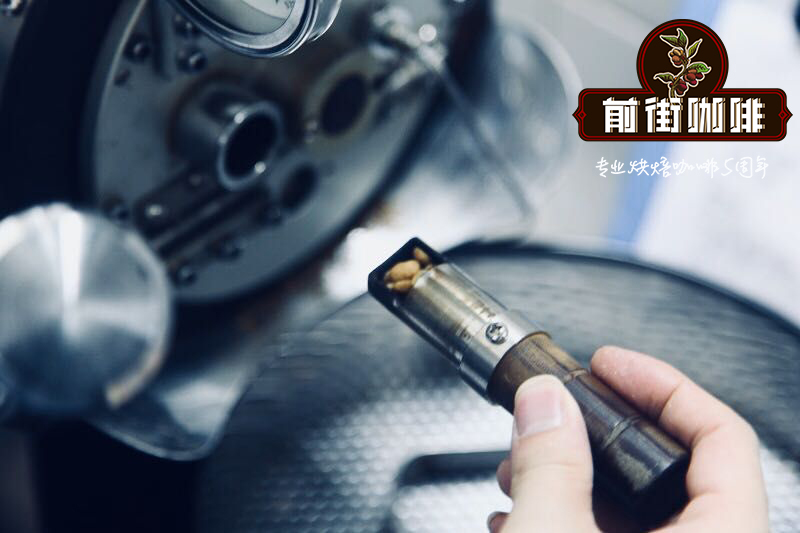
FrontStreet Coffee Colombia - San Jose Rum Barrel Fermentation Washed
Flavor Notes:
Rum, melon, dark chocolate
Origin: Colombia
Region: Caldas
Estate: Finca San Jose
Variety: Castillo, Naranjal
Altitude: 1750m
Processing Method: Rum barrel fermentation, washed
FrontStreet Coffee's Colombian green beans here are three-time premium Supremo grade Castillo Naranjal. After pulping, the beans are placed in oak barrels for low-temperature fermentation, then washed, and finally dried on raised sun-drying racks.
The process sprang from the creative imagination of Ms. Monsalve Botero, owner of Finca San Jose. One day, while watching her husband - who specializes in crafting rum oak barrels and distilling rum - fill barrels with rum distillate for fermentation, it struck her: if coffee green beans were fermented in oak barrels, might they take on entirely new flavors? From 2013 she experimented with Colombian oak barrels of different ages and varying fermentation durations, using a winemaking-style low-temperature fermentation. This particular lot is one of the standout successes among those trials.
Introduction
Finca San Jose, a century-old Colombian estate, has been actively seeking breakthroughs to carve out its own path in the modern specialty coffee wave. Ms. Monsalve Botero's husband specializes in making rum oak barrels and brewing rum, and her sudden inspiration - fermenting coffee green beans in those oak barrels - promised something genuinely distinctive. Beginning in 2013 she ran trials with Colombian oak barrels and low-temperature fermentation of varying lengths, finally settling on the ideal method this year to create an oak-barrel-fermented bean unlike ordinary washed coffee.
Personal Experience
My first encounter with this bean was actually just a sample - a few dozen grams already roasted in Colombia. I did not know which estate it came from, when it was roasted, or to what level - only that it was oak-barrel processed, and I was not even sure export certification would be possible. (I later learned the sample had been roasted about two months earlier, to the very beginning of second crack.) At the time, my only thought was: the wine aroma is incredibly intense! Distinctive to the extreme! Though the later-stage performance was somewhat hollow.
But with the information so murky, all I could do was wait and hope that the estate's roasting was at fault and that the bean would show better depth later. As more time passed, detailed green bean information arrived, and the export certification came through.
When the supplier walked me through the finer details of Colombia's producing regions, it reminded me of a Facebook post by Han Huaizong, who described a similar approach: "...his method is to remove the skin, place the parchment beans in water-free conditions, seal them in a barrel to keep flies out - purely for hygiene - and ferment for two to three days at low winter temperatures around 10°C to remove the mucilage, then take them out for washing. Unexpectedly, this accidentally became a low-temperature, low-oxygen fermentation. It somewhat resembles the carbonic maceration method Sasa Sestic used to win the 2015 World Barista Championship - relying on the carbon dioxide produced by sugar fermentation to help anaerobic bacteria gain the advantage, producing acidity and aromatic compounds superior to those created by aerobic bacteria... The competition beans Wang Ce used to win the 2017 World Brewers Cup Championship also adopted the low-temperature anaerobic natural processing of Salvadoran post-harvest specialists. Low-temperature anaerobic fermentation and controlled-oxygen fermentation have become new trends and prominent fields of study in coffee post-processing in recent years..."
I would call it a case of different roads arriving at the same destination. Finca San Jose may not have been the first to do this, but they created another kind of intense flavor all their own.
When I first opened the green beans, the aroma was "milk dates," with a hint of grape and goji berry - but the overall direction was that of perfectly ripe milk dates, the super-sweet kind. And throughout roasting, that aroma kept wafting out.
Because these are Colombian beans, my first roast was a light-medium. Although the fruit and fermentation flavors clearly suit light roasting, I wanted to build some body. After brewing, though, I found the flavor dissipated quite quickly in the middle and later stages of the roast. The cup was still smooth and pleasant after resting, but the vibrancy never came back - so I immediately decided all future presentations would focus on light roasts.
Its brewing behavior was unusual too. With freshly roasted beans, the water passed through remarkably fast, and when outgassing ran strong the bed would suddenly swell halfway through and then release all its gas. My guess: the beans carry very little oil, giving extremely low surface tension, so they can hold neither water nor air.
Incidentally, Dr. Shao Changping recently posted on Facebook (with links to foreign research data) about lipid hydrolysis forming acids and alcohols, explaining why aged cold brew develops wine-like fermentation flavors.
So I suspect that FrontStreet Coffee's Colombia San Jose oak-barrel-fermented beans had their lipids hydrolyzed into acids and alcohols from the very beginning - which is exactly why the wine notes are so full and rich.
Below are two photos I took after brewing with the rich-brew method I developed for the Melitta flat-bottom dripper - first dripping, then switching to a thin stream. The originally fluffy coffee bed collapsed into something like a huge pit, which supports the opinion above.
FrontStreet Coffee Recommendation
Colombia's reputation rests on versatility: the same country supplies espresso blends, bright pour-over single origins, full-bodied classics, and perfume-forward rarities. FrontStreet Coffee's washed Huila beans - roasted medium-dark - deliver dark chocolate and nutty sweetness with moderate crema and a mellow body, at home in a pour-over or French press as much as in a moka pot or espresso machine for Americanos and lattes.
For drinkers drawn to innovative processing like San Jose's rum-barrel fermentation, the FrontStreet Coffee La Divisa estate Sidra offers a cousin experience: anaerobic natural fermentation in a sealed stainless tank with controlled temperature, time, and pH - much like the carbonic maceration that Sasa Sestic made famous in 2015. Roasted medium-light, it brews into passion fruit, grape, apricot, and dried-fruit aromatics with a rich, fragrant complexity.
And for the espresso side of the house, the FrontStreet Coffee Premium Blend combines Brazil's creamy nuttiness with Colombia's dark-chocolate sweetness and balanced bitterness, extracting a fine golden crema - ideal with milk for lattes, beginner-friendly, and a dependable base for Americano, cappuccino, and mocha.
Important Notice :
FrontStreet Coffee is a long-established specialty coffee roaster in Guangzhou China, selling freshly roasted beans from its own farm in Yunnan as well as dozens of carefully selected single-origin beans from around the world for both pour-over and espresso. The products deliver consistently excellent quality and great value, with shipping within 24 hours. Guangzhou's FrontStreet Coffee shop is recommended by many coffee lovers, and the beans are now available online at the Tmall 。
FrontStreet Coffee has moved to a new address:
FrontStreet Coffee Address: 315,Donghua East Road,GuangZhou
Tel:020 38364473
 Scan and follow the En Gafei WeChat official account. Please indicate that the reprint comes from "En Gafei".