Freshly Roasted Coffee Bean Brewing Guide: Why Light Roasts Are Hard to Brew and How to Brew Fresh Roasted Beans
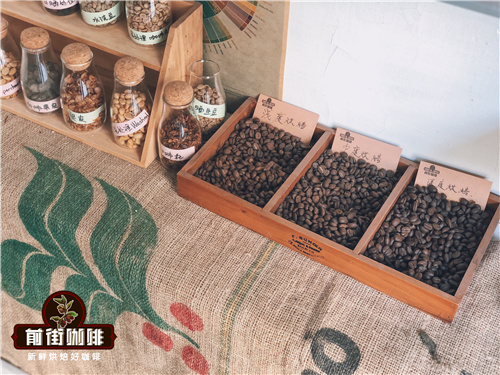
Brewing Perfect Coffee: Light vs Dark Roast Techniques
Brewing a delicious cup is no small matter. Variables such as pour-over temperature and flow rate all shape the flavor. FrontStreet Coffee always keeps roast level in mind when brewing beans from different regions, because it generally adjusts brewing temperature to match the roast. So today FrontStreet Coffee will walk through how to brew light and dark roasts.
Ethiopian beans are typically light roasted, so FrontStreet Coffee will use them as the example. Generally, washed Yirgacheffe is clean and refreshing with bright acidity, while natural-process Yirgacheffe is clean and smooth with a hint of fermented sweetness. Getting those flavors out of a light roast is what matters.
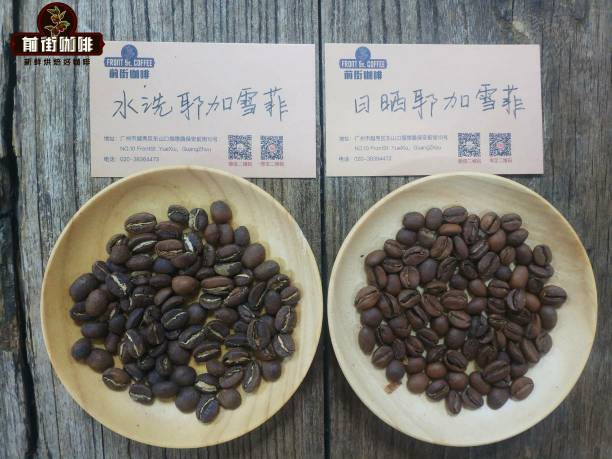
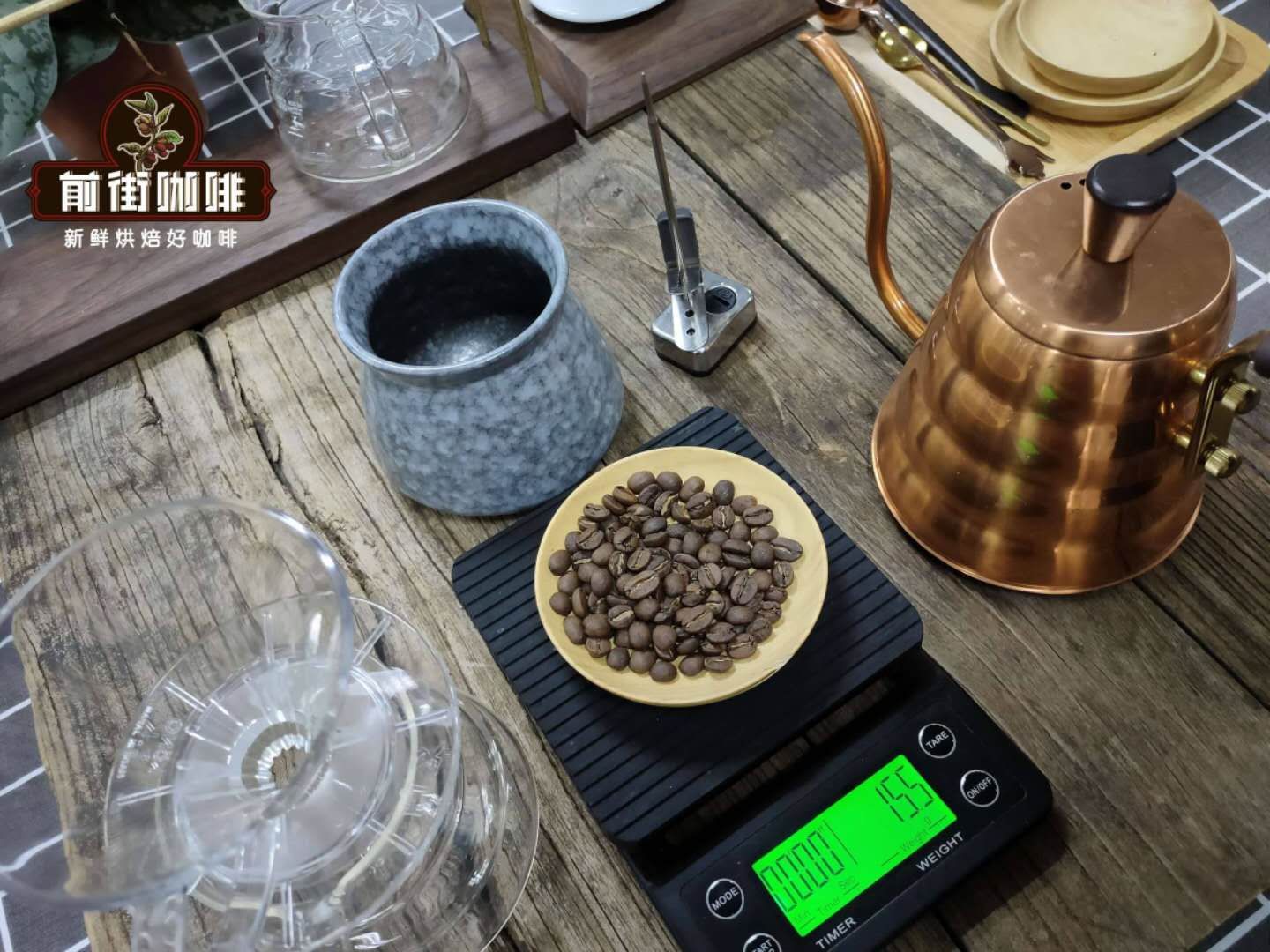
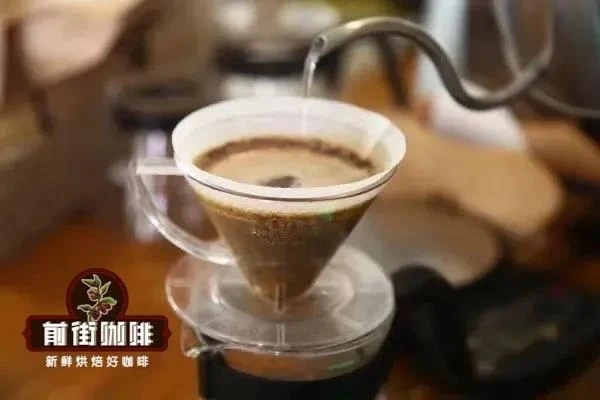
FrontStreet Coffee uses a medium-light roast to preserve the bright citrus acidity and floral character of washed Yirgacheffe. For medium-light beans, a water temperature of 90-91°C is recommended. Higher temperatures pull out the aromatics and acidity from light roasts, because medium-light beans are harder in texture and more heat improves extraction efficiency, heading off sharp acidity. The V60 conical dripper has a larger opening, and its spiral rib design lets air escape more easily, improving extraction quality. The body may not be rich enough, but its high concentration brings out sweet-and-sour flavors with distinct aromas — one of its hallmarks. The brewing parameters are as follows:
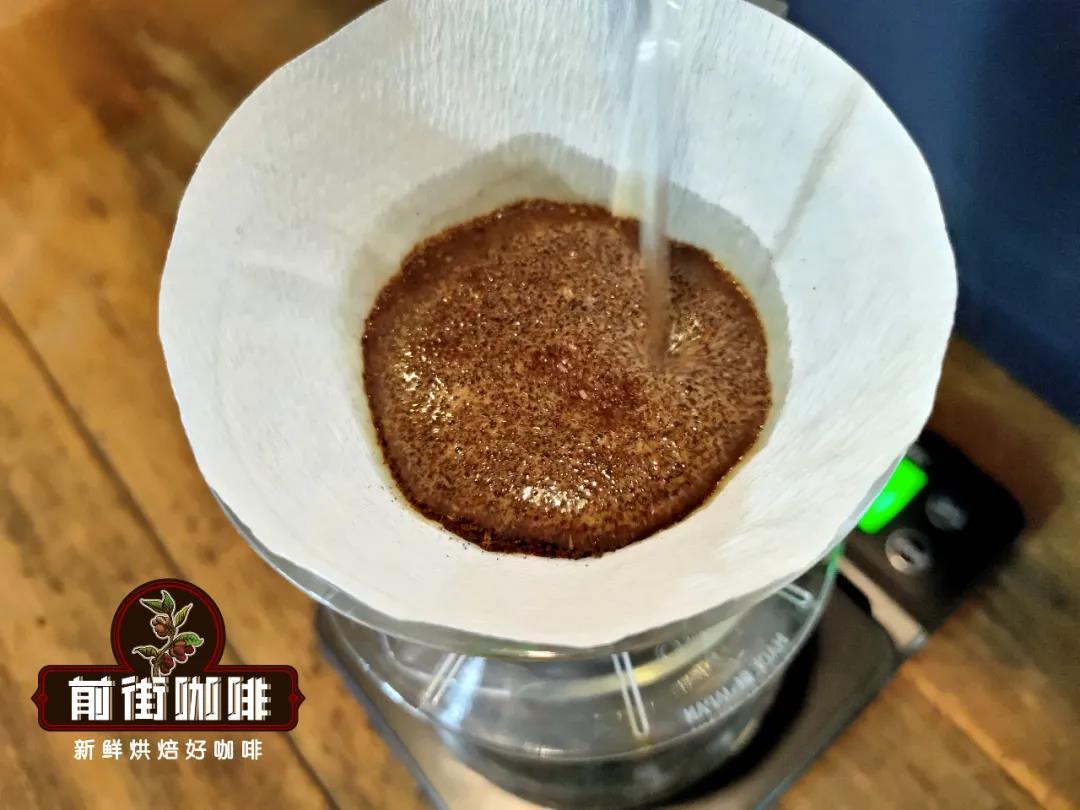
Dripper: V60
Water temperature: 90°C
Coffee dose: 15g
Coffee-to-water ratio: 1:15
Grind size: Fine sugar size (80% passes through a #20 sieve)
Using FrontStreet Coffee's usual three-stage method: first pour 30g of water for a 30-second bloom, then pour 95g (about 125g on the scale), finishing in about 1 minute. When the water level drops to 2/3 of the coffee bed, pour the remaining 100g (about 225g on the scale), finishing in about 1 minute 35 seconds. Dripping completes at 2'04" — remove the dripper and extraction is done. If your pour-over is roughly right, the Gudin Ding coffee opens with lemon, plum, and Tieguanyin notes, caramel becoming noticeable as the temperature changes, with bright acidity and an obvious finish. Washed Yirgacheffe in the cup shows jasmine aroma, a berry-juice sensation, and lemon-citrus acidity — bright, clean, and fresh overall.
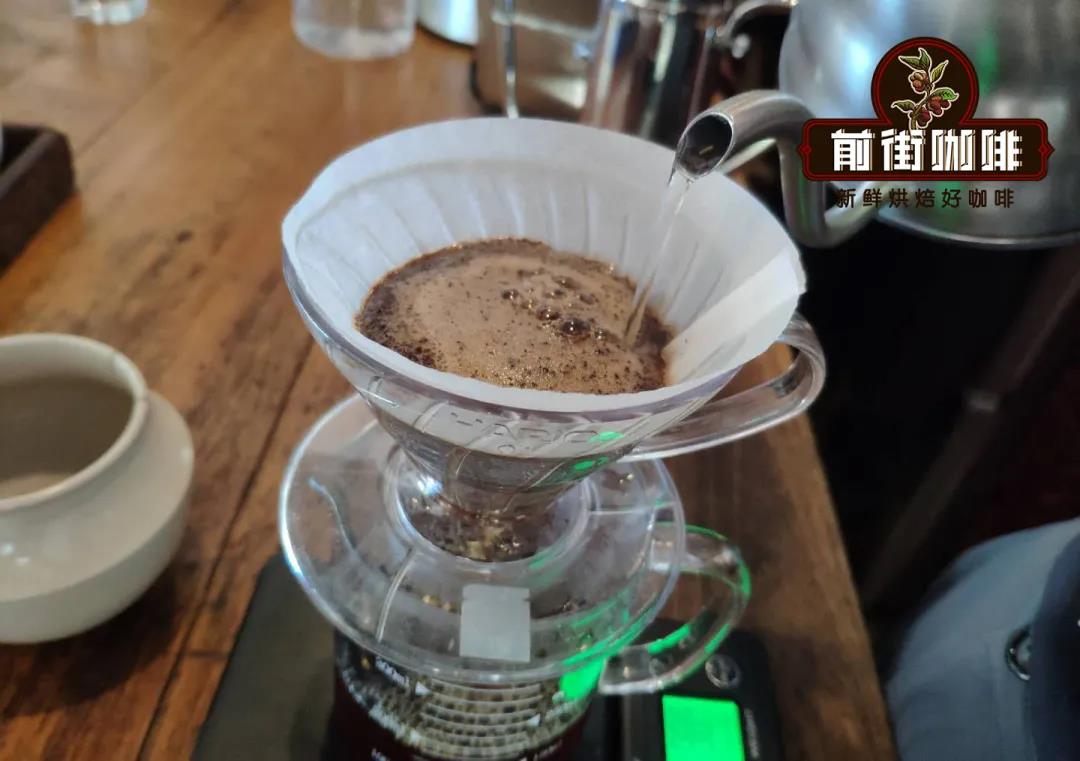
Panama Geisha from La Esmeralda Estate can also show perfect regional flavors when hand-brewed, since the Panama Geisha FrontStreet Coffee carries is likewise lightly roasted to highlight fruity acidity. The method differs slightly from brewing Yirgacheffe. It is split into 4 pours: the first two make up 40% of the total water and determine the flavor, while the last two make up 60% and adjust concentration. After wetting the filter paper and adding 20g of coffee, pour 50ml of hot water for a 30-second bloom. After the bloom, use a large stream to pour 70ml in circles from the center outward, reaching 40% of total water (120ml). Those 50ml and 70ml segments enhance sweetness. When the coffee bed drops to 1/2, pour the third stage: 90ml of hot water in circles at half the liquid surface radius. When the bed drops to 1/2 again, pour the final stage with the same technique — another 90ml. The last two pours total 180ml, or 60% of the water. Splitting that final 60% into two pours rather than one increases body and richness. When all the liquid has flowed into the lower pot, remove the dripper and end extraction. Total extraction time is 2 minutes 20 seconds. This method better highlights the sweetness and richness of a light roast. It emphasizes enhancing Geisha's aroma without diminishing the original.
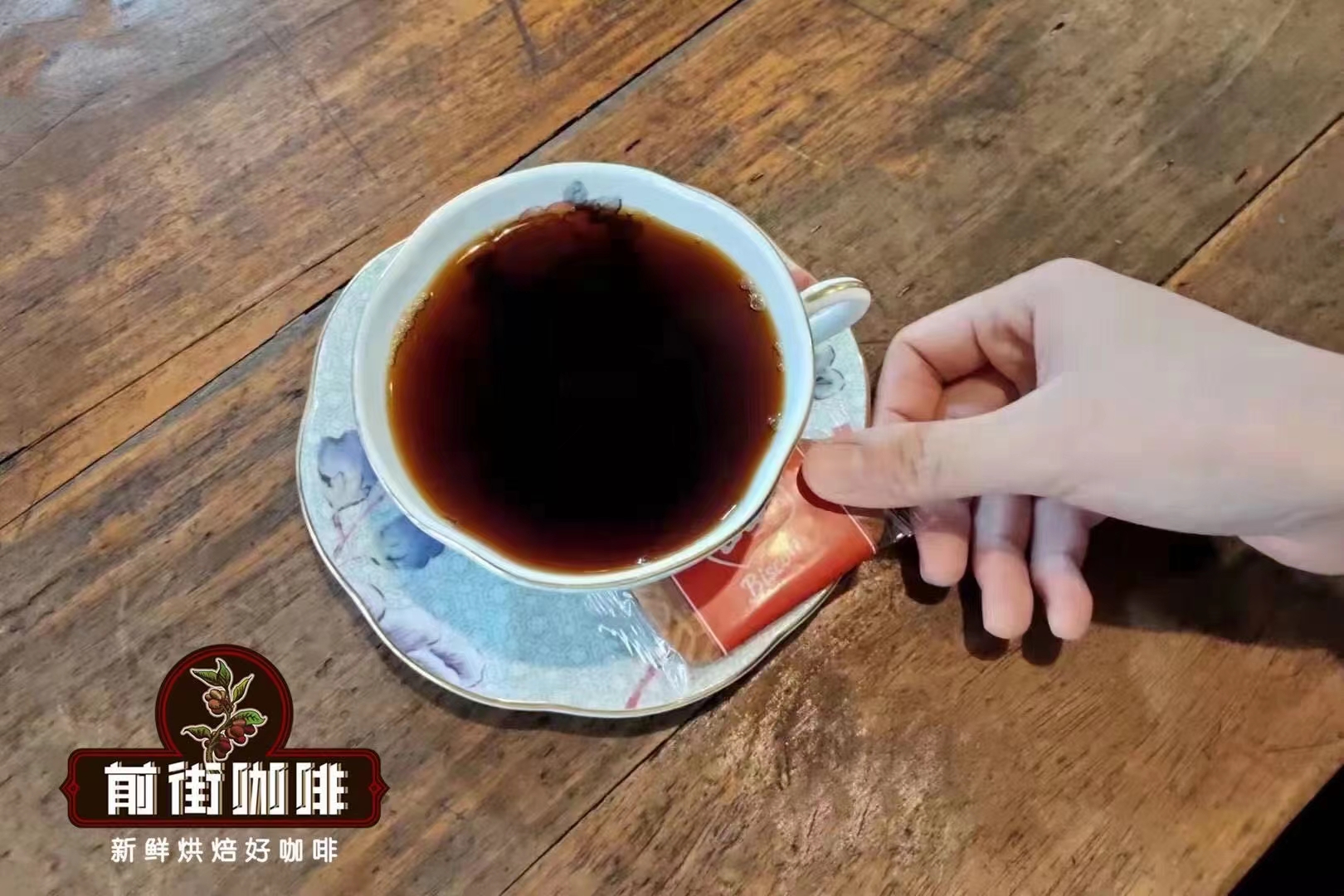
That is the technique FrontStreet Coffee commonly uses for light roasts. Light roasts aside, FrontStreet Coffee will also briefly cover dark roast beans. When people talk about dark roast, the difference most notice is that dark roast beans taste more bitter, while light roast beans taste more sour, sweet, and aromatic. FrontStreet Coffee will use Lindong Mandheling as the example. On equipment, it recommends a gooseneck kettle with a wider spout, and for filtering a Kono conical dripper, Kalita flat-bottom dripper, or flannel cloth, all of which help brew a richer cup. This time we will use the Kalita flat-bottom dripper.
FrontStreet Coffee has noticed that dark roast beans have a looser texture, absorb water more readily, and their bed expands easily on contact with water, so flavors extract more readily. To prevent over-extraction, a coarse grind is chosen (60% passing a #20 standard sieve). A coarse grind reduces the contact area between grounds and water, preventing bitter, astringent, and unpleasant flavors from being pulled out early by hot water. Combined with a slow pour, that extends extraction time, and as the temperature falls in the later stages, flavor and body compounds are extracted gently. For this reason, FrontStreet Coffee suggests brewing at around 86-88°C. Lowering the temperature slightly reduces extraction efficiency, avoiding burnt, bitter, or otherwise unpleasant flavors.
For the coffee-to-water ratio, use 1:13 with 20g of coffee. A lower ratio makes the coffee taste richer; at a given extraction rate, coffee brewed with less water is more concentrated. The basic steps: preheat the dripper, slowly add the grounds, keeping them as level as possible and avoiding shaking the dripper (shaking narrows the gaps between grounds). First stage: pour 40g of water in small circles in the center for a 30-second bloom, and the bed slowly expands into a "hamburger" shape. Second stage: pour 120g in circles from the center outward, keeping the pour height as close to the bed as possible and moving slowly to avoid over-stirring. Final stage: pour 100g, and when all the liquid has flowed into the lower pot, end extraction. Extraction time is 2 minutes. Brewed this way, the Lindong Mandheling smells of herbs and pine, tastes rich in nuts and chocolate, with excellent body and richness. The initial bitterness fades quickly, giving way to a thick sweetness, leaving a very comfortable mouthfeel.
In pour-over brewing, some baristas prefer a single-stage pour and others prefer multiple stages. FrontStreet Coffee has introduced the most common methods, which also suit beginners, so you can choose based on your own setup.
FrontStreet Coffee Recommendation
If you want an easy introduction to Ethiopian coffee, start with the most classic of all: FrontStreet's washed Yirgacheffe everyday bean. It is known for white jasmine, bright citrus and lemon acidity, and a tea-like body, and its friendly price has made it the first specialty bean for many drinkers. Yirgacheffe is a town in southern Ethiopia's Sidama zone, at roughly 1700-2100 meters, with trees planted above 1800 meters — one of the highest coffee regions in the world. Its distinctive white florals and lemon-citrus acidity made the name a byword for Ethiopian specialty coffee, and in 2010 the Ethiopian Commodity Exchange separated it from Sidama once its fame had grown so large.
Yirgacheffe holds many smaller zones and villages, and its most experienced cooperatives push quality higher still. FrontStreet's washed Gudin Ding Cooperative, in the Worka area at the southeastern edge of Yirgacheffe, was originally part of the Worka cooperative under the YCFCU umbrella before being singled out as a single-origin micro-region, and it keeps to the most traditional washed processing. FrontStreet's sun-dried Red Cherry shows the region's other face: a whole-cherry natural in which only fully ripe, sound cherries are picked, screened, and laid on raised beds to dry, turned every 2-3 hours in the first days, then left for three to five weeks before the outer fruit is machine-scraped and the beans stored. Drying with the fruit on keeps Yirgacheffe's classic character while adding tropical fruit notes — citrus acidity, a juicy berry quality, honeyed sweetness, and creamy smoothness.
For brewing, FrontStreet suggests a V60 at 90-91°C, 15g of coffee, and a 1:15 ratio, ground to about fine granulated sugar size (EK43s setting 10, or 80% passing a No. 20 sieve). The three-pour method: pour 30g of water for a 30-second bloom, then pour to 95g (about 125g on the scale), finishing in roughly one minute; once the water drops to about two-thirds of the bed, add the remaining 100g (about 225g on the scale), finishing in about 1 minute 35 seconds. Draining completes in 2 to 2 minutes 10 seconds — lift the dripper and the brew is done.
Important Notice :
FrontStreet Coffee is a long-established specialty coffee roaster in Guangzhou China, selling freshly roasted beans from its own farm in Yunnan as well as dozens of carefully selected single-origin beans from around the world for both pour-over and espresso. The products deliver consistently excellent quality and great value, with shipping within 24 hours. Guangzhou's FrontStreet Coffee shop is recommended by many coffee lovers, and the beans are now available online at the Tmall 。
FrontStreet Coffee has moved to a new address:
FrontStreet Coffee Address: 315,Donghua East Road,GuangZhou
Tel:020 38364473
 Scan and follow the En Gafei WeChat official account. Please indicate that the reprint comes from "En Gafei".