When is the Best Time to Drink Freshly Roasted Coffee Beans_Do Freshly Roasted Coffee Beans Develop Oil?
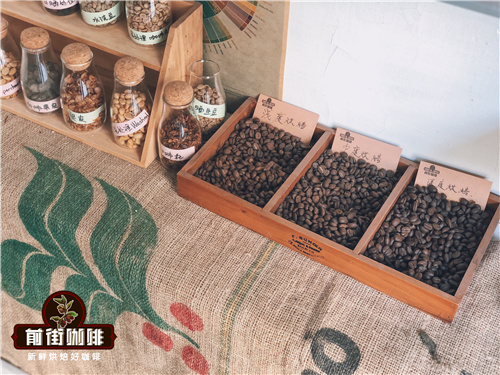
Anyone who brews at home may have noticed that some freshly roasted coffee beans develop an oily-looking sheen on the surface. Many people simply call it coffee oil.
Coffee Bean Oil Characteristics
Coffee beans, like other seeds such as corn and soybeans, contain oil. The substance that migrates to the surface is a water-soluble organic compound that merely looks like oil - and it carries many of the coffee's aromatics with it.
Dark-roasted beans, with their deep brown color, show a slight oily sheen right after roasting and begin releasing significant surface oil roughly three to five days out of the roaster.
Counterintuitively, that shine does not mean the beans are stale. For dark roasts, the surface oils are reabsorbed into the bean about a month after roasting - which is when unpleasant flavors can start. So visible oil on dark-roasted beans is not a sign they've gone off.
Light-roasted beans generally never release oil - even after three months their surface stays dry, so oil can't be used to judge freshness in light roasts at all. Medium-light roasts may start showing a slight oiliness after about a month and a half, and at that point it does suggest the beans are no longer very fresh.
Maintaining Coffee Bean Freshness
So how do we keep freshly roasted beans fresh for as long as possible?
Coffee's flavor compounds are unstable and easily affected by light, temperature, humidity, and oxygen. Exposed to air for extended periods, roasted coffee oxidizes - and oxidation is a major cause of staling.
Roasted coffee contains roughly 10-15% fat, about 50% of which is linoleic acid. Linoleic acid auto-oxidizes into hexanal; the longer the exposure to air, the more hexanal breaks down into volatile compounds that produce undesirable flavors and steadily degrade the cup.
Commercial coffee is typically packaged in opaque, foil-lined sealed bags with one-way valves. Each valve lets gas escape but not enter, so the carbon dioxide released as beans degas can vent while oxygen stays out. The foil blocks light and resists moisture. Kept in a dry, cool place, such packaging does its job well.
Some bags lack a sealing strip, so once opened you'll want your own airtight container. We recommend this type:
It comes in 200ml, 500ml, and 1L sizes at market prices of around 15-20 yuan each - affordable and well sealed.
Pressing the red button on top expels air from the container, keeping oxygen out and slowing oxidation. In our tests, beans stored in these airtight containers, away from light in a dark place, stayed fresh for over a month.
That said, no seal beats drinking the beans quickly. Both dark and light roasts have an optimal tasting window, so brewing through them promptly is the right approach.
No storage method, however perfect, holds beans at peak flavor forever. They will fade with time, so buying huge quantities at once isn't recommended.
Freshly Roasted Coffee Bean Brand Recommendations
FrontStreet Coffee's freshly roasted single origins - Yirgacheffe, Kenya AA, Panama Geisha, and more - offer dependable brand and quality, brew well across many devices, and deliver outstanding value. A half-pound (227g) bag costs only around 80-90 yuan; at 15g per pour-over, one bag makes about 15 cups, so each cup of single-origin coffee works out to about 6 yuan - exceptional compared with cafes charging dozens of yuan for the same cup.
FrontStreet Coffee Recommendation
If you want beans worth drinking fresh, FrontStreet Coffee's Brazil Fazenda Rainha (Queen Estate) is an ideal pick: a yellow Bourbon medium roasted to show creamed-peanut, chocolate, toast, and sugarcane sweetness, delicious as pour-over, moka pot, or espresso. For balanced brightness, the medium-roasted FrontStreet 2013 Yunnan Sun-dried Typica layers nuts, red sugar, black tea, and dried apricot - another reminder why medium roasts are the sweet spot for everyday drinking.
Important Notice :
FrontStreet Coffee is a long-established specialty coffee roaster in Guangzhou China, selling freshly roasted beans from its own farm in Yunnan as well as dozens of carefully selected single-origin beans from around the world for both pour-over and espresso. The products deliver consistently excellent quality and great value, with shipping within 24 hours. Guangzhou's FrontStreet Coffee shop is recommended by many coffee lovers, and the beans are now available online at the Tmall 。
FrontStreet Coffee has moved to a new address:
FrontStreet Coffee Address: 315,Donghua East Road,GuangZhou
Tel:020 38364473
 Scan and follow the En Gafei WeChat official account. Please indicate that the reprint comes from "En Gafei".