Guangzhou Fresh Roasted Coffee Bean Specialty Store Recommendations_How to Introduce Freshly Roasted Coffee Beans
Understanding Coffee Roasting
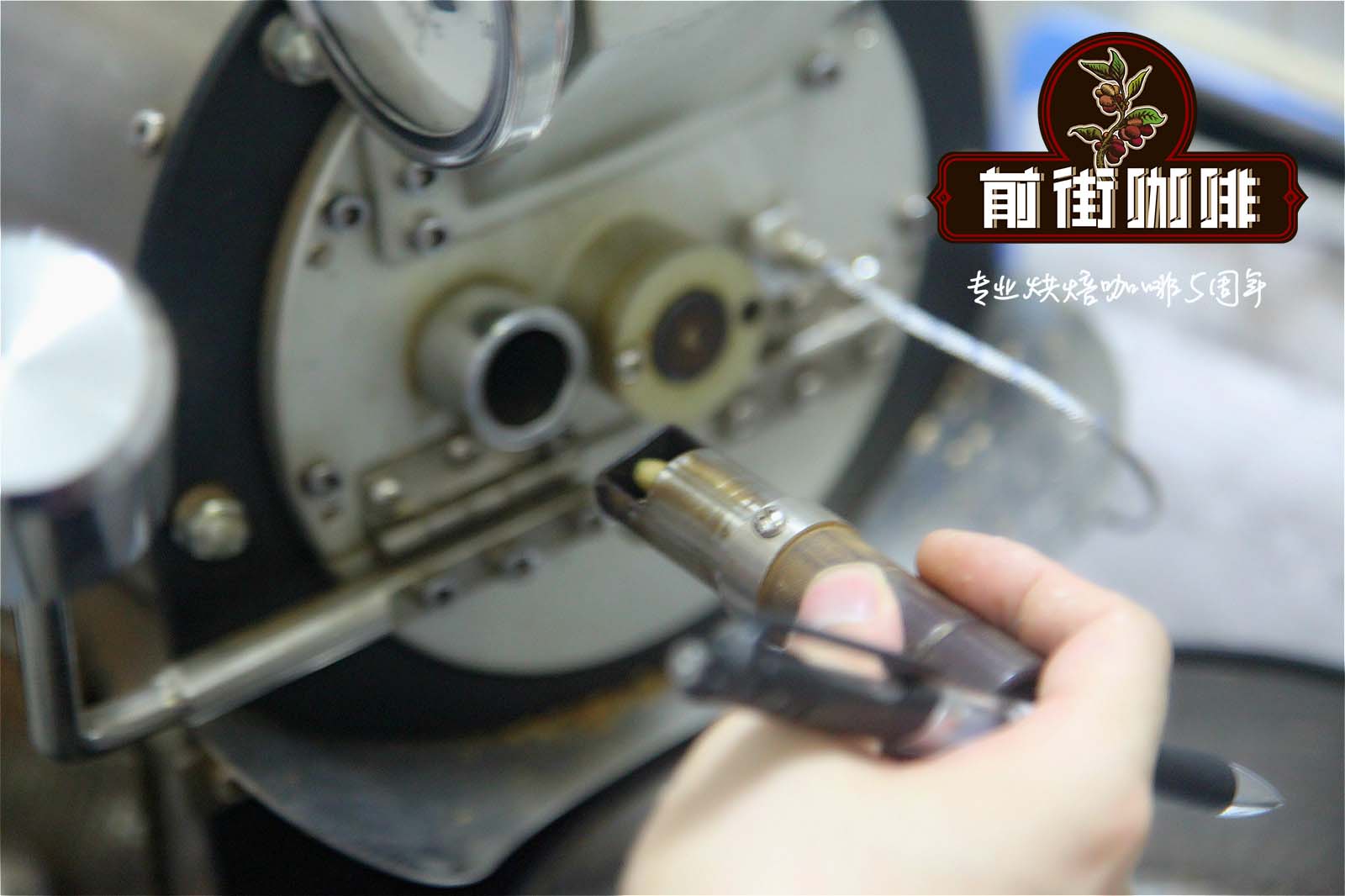
Put simply, roasting is the direct heating of coffee beans. Unlike cooking, it needs no oil, water, salt, or sugar. You simply place green coffee beans in a heat-resistant container and heat them over a fire, stirring continuously to distribute the heat evenly. Once they reach the desired level, the heating stops. The whole process is a little like roasting meat, except that what is being roasted is coffee beans.
Through the process of combustion, coffee beans release their aromatic fragrance and bring each bean's acidity, sweetness, and bitterness to their fullest expression. From tasteless green beans to the fragrant, mellow, endlessly lingering flavour in your cup, roasting is the most crucial station on every bean's long journey; it defines its character and nurtures its aroma.
Whether in a professional roaster, on a home stove, or in an oven, coffee beans undergo multiple chemical changes during this roughly 12-16 minute process, with temperatures reaching up to 450 degrees F (232 degrees C) in an intense dialogue with heat. They must produce two crisp, popcorn-like cracking sounds and lose 15-25% of their weight in moisture.
The Dehydration Stage
Before roasting, coffee beans smell raw and grassy; some dry-processed green beans even carry a fermented odour. At this point the green beans typically contain about 10% moisture. Once roasting begins, this moisture is the first thing to escape, which is why the opening stage is called "dehydration."
At the same time, the beans begin to "caramelise." During caramelisation, substances such as sugars, fats, proteins, and amino acids inside the beans start to interact and combine. As a result, the initial 200-plus substances transform into over 800 different compounds. The familiar coffee aroma we all know comes from the melanoidins produced during this caramelisation process.
The First Crack
As the temperature gradually rises, the gases and moisture inside the beans begin to exert pressure on the cell walls as they try to escape. When that pressure accumulates to 20-25 atmospheres, it breaks through the cell walls and produces a cracking sound. We call this stage the "first crack," and it occurs at approximately 190-200 degrees C. Because each roast is done in batches, some beans crack earlier and others later, so it starts with sporadic cracking, gradually becomes more frequent, then slowly tapers off and ends (it is a good idea to record the start and end times). At this point the beans have changed colour from an earthy yellow to a lighter coffee brown. Most beans are roasted at least to this degree before being removed, and we call this roast level "light roast."
The Second Crack
The temperature at the end of the first crack is typically around 205 degrees C. As heating continues and the temperature rises further, the beans gradually darken. When the temperature reaches 230 degrees C, they produce another cracking sound: the "second crack." It sounds smaller and higher in frequency than the first. At the same time, the membrane on the beans' surface begins to peel away. Beans entering the second crack darken further and start to develop an oily sheen on their surface.
Dark Roast Stage
After the second crack ends, the beans enter the dark roast stage. Now they turn oily black and give off large amounts of smoke. If you have a smoke detector at home, it is best to switch it off first, lest the whole building knows you are roasting coffee.
At this stage the temperature typically has not exceeded 240 degrees C. If you want an even darker roast, you need to raise it above 240 degrees C. The beans' surface then becomes almost completely black and looks very oily. This is about the limit of roasting depth; continuing further will certainly burn the beans and turn them into truly roasted-away coffee.
The Transformation of Coffee Beans
The process of coffee going from green beans to roasted beans is quite dramatic. Roasting is like popping popcorn, full of fragrance and pleasant cracking sounds. From green beans to light, medium, and dark roasts, moisture is released time and again, weight decreases, yet volume slowly expands and swells. The beans' colour deepens, aromatic oils gradually release, and the texture becomes crisp. Without roasting, coffee would never develop the familiar aroma we know, nor would it unfold complex flavours on the palate, and of course it would not be as popular as it is today.
Recommended Fresh Roasted Coffee Bean Brands
FrontStreet Coffee's single-origin fresh roasted beans, such as Yirgacheffe Coffee, Kenya AA Coffee, and Panama Geisha Coffee, are fully assured in both brand and quality and suit brewing with various equipment. More importantly, they offer extremely high value for money: a half-pound (227g) package costs only around 80-90 yuan. At 15g per pour-over, one package makes 15 cups, which works out to only about 6 yuan per specialty coffee. Compared to café prices that often reach dozens of yuan a cup, this is exceptional value.
FrontStreet Coffee Recommendation
If it is a balanced, medium roast you are looking for, the sweet spot between the brightness of a light roast and the depth of a dark one, FrontStreet Coffee's Brazil Queen's Estate is a fine place to start. Made from the rare Yellow Bourbon variety and medium roasted, it brings out creamy peanut, chocolate, toast, and sugarcane aromas and sweetness, and it works as a pour-over, in a moka pot, or in an espresso machine.
For a sweeter, fruit-forward medium roast, FrontStreet Coffee's Strawberry Candy combines a Costa Rican honey-processed coffee with Panamanian washed Geisha, so the cup shows both orange-blossom honey and a rounded sweetness; it is at home in a cold brew, a pour-over, or an espresso. FrontStreet Coffee's 2013 Yunnan sun-dried Typica, meanwhile, is medium roasted to keep a gentle balance of nut, brown sugar, black tea, and dried apricot notes, and FrontStreet Coffee's Jamaica Blue Mountain No.1 is medium roasted so its acidity, bitterness, sweetness, and body fuse into the chocolate, roasted nut, cream, and caramel flavours that few other coffees can match.
Important Notice :
FrontStreet Coffee is a long-established specialty coffee roaster in Guangzhou China, selling freshly roasted beans from its own farm in Yunnan as well as dozens of carefully selected single-origin beans from around the world for both pour-over and espresso. The products deliver consistently excellent quality and great value, with shipping within 24 hours. Guangzhou's FrontStreet Coffee shop is recommended by many coffee lovers, and the beans are now available online at the Tmall 。
FrontStreet Coffee has moved to a new address:
FrontStreet Coffee Address: 315,Donghua East Road,GuangZhou
Tel:020 38364473
 Scan and follow the En Gafei WeChat official account. Please indicate that the reprint comes from "En Gafei".