What are the flavor and characteristics of the sun-dried EU+NOP beans from Saquarema Farm in southern Minas, Brazil? How to pour-over brew?
A Few Notes Before We Start
The notes below are drawn from years of tasting and brewing, and they are meant to be used at the table rather than admired from a distance.
Flavor and Character of the Sun-Dried, EU+NOP-Certified Beans from Saquarema Farm, Southern Minas, Brazil - and How to Brew Them
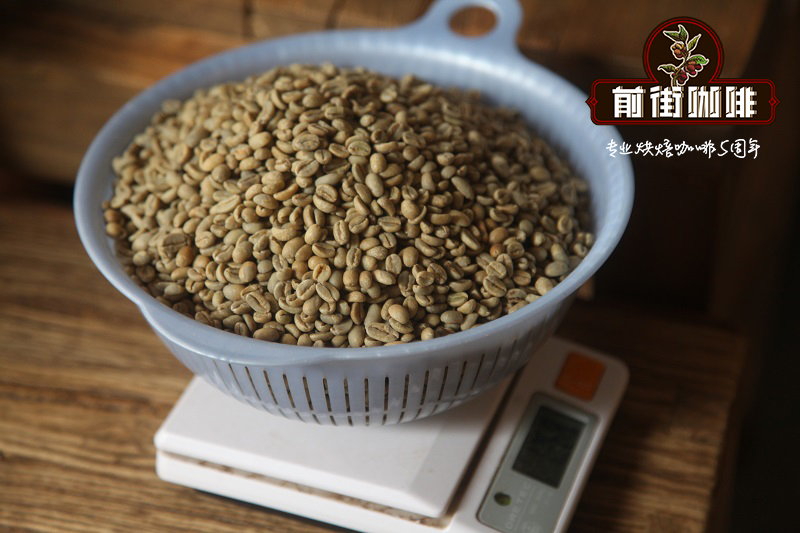
After 2000, coffee competitions drove recognition toward beans grown at higher altitude in the south. Farms around the Minas highlands in particular lead Brazilian coffee in both quality and volume. Cerrado in western Minas, Matas de Minas in the east, northern Bahia, and the small farms of the south - Minas has become almost a synonym for Brazilian specialty coffee. In recent years competitions have categorized entries by processing method (washed, semi-washed, pulped natural, natural), developing flavors, textures, and aftertastes quite unlike traditional Brazilian coffee. Pulped natural and natural show the best results, with clean low acidity, a lifted fruit aroma, and less of the heavy chocolate note. Saquarema, in the city of Campos do Jordao in southern Minas Gerais, is an old farm with more than 200 years of history. It harvests fully ripe cherries by hand, with no machines. The dry aroma carries citrus and fruit tea; the wet aroma has the freshness of black tea. In the cup there is elegant jasmine and herbal tea and a rich oolong aftertaste. It tastes exceptionally fresh and gentle - a rare achievement among Brazilian beans.
Brazil, a country that can fairly be called the "coffee continent," is the world's largest producer and exporter, accounting for about one-third of world output. Brazil Santos, exported from the port of Santos in Sao Paulo state, is especially famous. Its raw beans are large and pale green or yellow.
Brazil Santos is mild, a good entry point for anyone new to coffee. You can taste a faint sweetness without adding sugar. Acidity and bitterness can be adjusted through roasting, and it is often used as the base for specialty blends or for Mamba and Mamo coffees.
Coffee first reached Brazil in the early 18th century. In 1727, the Brazilian government sent a charming army officer who, under the pretext of mediating a border dispute, secretly carried coffee seeds home from French Guiana. Legend has it that the governor's wife of French Guiana was so taken with the officer that at the farewell banquet she hid coffee seeds in a bouquet and handed them to him. Brazil now has two million hectares under coffee, more than 70% of it Arabica. These beans end up with large roasters in many countries and are known to all as Santos - named for the export port, not for a producing region. Brazil has proven it can produce premium and small-lot coffee too, and local specialty coffee does not always come from smallholders. Brazil's main producing regions include Sul de Minas (Southern Minas), Matas de Minas (the southeastern Minas forest area), Cerrado, Chapadas de Minas (the north-central Minas highlands), Mogiana, Parana, and Bahia. Both traditional and modern varieties are grown, among them Bourbon, Mundo Novo, Icatú, Catuaí, Iapar, and Catuai.
Brazil is the world's largest producer, accounting for about 30% of output. But because it lies in the tropical rainforest zone, with fairly flat terrain and few high-altitude mountain forests, most coffee grows at low altitude in non-volcanic soil with little shade. Brazilian beans therefore grow quickly, producing large but low-density beans with limited flavor variation. Large-scale mechanical harvesting of cherries at very different stages of ripeness has also kept much of the crop in the commercial category rather than the specialty one.
Property Characteristics: Farm Characteristics
Farmer: Fazenda Saquarema
City: Minas Gerais State
Country: Brazil
Altitude: 1,250 meters
Farm Size: 110,000 people engaged in coffee cultivation
Coffee Characteristics
Variety: Catuaí, Catucaí, Yellow Bourbon
Processing System: Pulped Natural
Appearance: 16-18 Screen
Top Jury Descriptions: First crack begins 60 seconds at the cupping roast level (Cinnamon)
Aroma/Flavor: Peanuts, malt, mint, black tea, verbena, sugarcane, caramel, chocolate, cocoa, oily notes
Acidity: Citrus, blueberry, floral acidity, red apple
Complexity & Other: Clear, clean black tea aroma, gentle texture, oolong tea aroma at high temperature, and an aftertaste with an elegance rarely found in Brazilian beans
Overall Style Attributes: Distinct tea aroma. Exceptionally clean. Endlessly surprising
FrontStreet Coffee's Recommended Brewing Method
Dripper: Hario V60
Water Temperature: 88°C
Grind Size: Fuji Royal grinder setting 4
Brewing Method: Water-to-coffee ratio 1:15, 15g of coffee. First infusion with 25g of water, bloom for 25 seconds. Second infusion to 120g, then pause. When the water level in the bed drops to half, continue pouring, slowly, until you reach 225g in total. Extraction time about 2:00 minutes.
Analysis: Three-stage brewing separates the front, middle, and back of the flavor profile. The V60 has many ribs and drains quickly, so pausing between pours extends the extraction time.
FrontStreet Coffee Recommendation
Saquarema's tea-like, low-acid profile is unusual for Brazil, and if that is what appealed to you, FrontStreet Coffee's Brazil Queen's Estate is a good place to continue. It comes from Mogiana, close to South Minas, where fertile red volcanic soil gives the fruit plenty to work with, and the rare Yellow Bourbon variety keeps the fruit notes clean. Brewed as pour-over it shows sugarcane sweetness plus fruit and chocolate, and the same bean also works in a moka pot or an espresso machine.
FrontStreet Coffee's Cerrado Red Bourbon is the more classic Brazilian single origin, and like the Saquarema lot it is a pulped natural rather than a fully washed coffee. Roasted medium, it brings cream peanut, toasted bread, caramel, and hazelnut, with a round body, low acidity, and a trace of bitterness. It is forgiving across methods - pour-over, moka pot, espresso SOE, siphon, or French press.
Because Brazil is the backbone of so many espresso recipes, FrontStreet Coffee's blends all include it: the Classic Blend for its rich crema, the Specialty Blend for pronounced nut and chocolate notes, and the Dark Cocoa and Commercial blends for a balanced, sweet-bitter base that holds up well in milk drinks.
Important Notice :
FrontStreet Coffee is a long-established specialty coffee roaster in Guangzhou China, selling freshly roasted beans from its own farm in Yunnan as well as dozens of carefully selected single-origin beans from around the world for both pour-over and espresso. The products deliver consistently excellent quality and great value, with shipping within 24 hours. Guangzhou's FrontStreet Coffee shop is recommended by many coffee lovers, and the beans are now available online at the Tmall 。
FrontStreet Coffee has moved to a new address:
FrontStreet Coffee Address: 315,Donghua East Road,GuangZhou
Tel:020 38364473
 Scan and follow the En Gafei WeChat official account. Please indicate that the reprint comes from "En Gafei".