How Much Do Packaged Coffee Beans Cost_ Introduction to Common Coffee Bean Storage Methods_ Packaged Coffee Bean Brand Recommendations
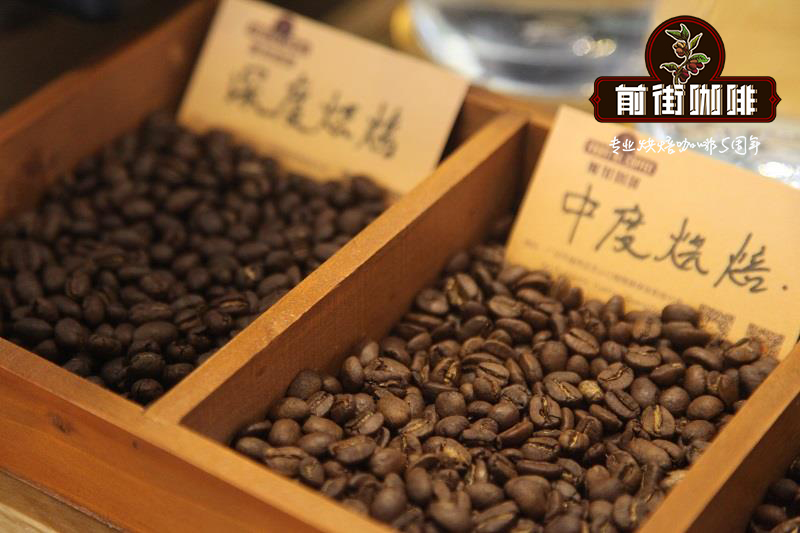
Many people find that their coffee beans lose their flavor surprisingly fast because of improper storage. So today, let's talk about how to store beans at home to slow that decline.
Freshness First: Shelf Life vs. Freshness Period
First, a clarification: for roasted coffee beans, shelf life isn't especially important, since it's usually quite long. What matters is the freshness period. As for pre-ground coffee, well - there seems to be no effective way to extend its freshness at all. For good coffee, always grind fresh.
The Science of Coffee Bean Degradation
Freshly roasted beans oxidize as they meet oxygen over time. The oils they contain deteriorate, and aromatic compounds gradually evaporate. Temperature, humidity, and exposure to sunlight all accelerate this aging.
As beans meet the air, their flavor begins to fall away. A whole bean exposes only limited surface area to air, but once it is ground, that surface area grows thousands of times over -countless surfaces meeting air - and flavor is lost rapidly. As a rule, extraction should begin within 15 minutes of grinding. So when you make coffee, grind and brew as fresh as possible to guarantee the quality of every cup. And absolutely do not buy pre-ground coffee - this point cannot be emphasized enough.
To extend the freshness period, then, proper packaging and storage become a specialized job.
The Natural Aging Process of Coffee Beans
Coffee beans gradually release carbon dioxide after roasting. Freshly roasted beans usually can't be drunk immediately, because they hold large amounts of carbon dioxide and smoky roasting off-flavors - which is why they need a "resting period," or degassing.
The resting period is usually set by roast level: lighter roasts need shorter rests, darker roasts longer. Generally about seven days is reasonable. Beans reach their optimal flavor between seven and ten days after roasting, and the flavors keep developing. After about a month, they gradually decline. So we recommend drinking freshly roasted beans within one month, and preferably no longer than two. They won't spoil, but the aroma will grow fainter and fainter.
The Science Behind Coffee Packaging
Coffee packaging is designed around these post-roasting characteristics. Besides preventing oxidation from air contact, packaging has to handle the carbon dioxide the beans release. And of course, food-contact safety must come first.
The enemies of coffee beans are oxygen, moisture, temperature, and light. The keys to storage, therefore, are: sealed, light-proof, moisture-proof, and vented.
With those principles in mind, we need to choose suitable containers.
Common Coffee Bean Storage Methods
Original Packaging Bag Storage
Most coffee today comes in one-way valve bags lined with food-grade aluminum foil. The foil blocks light and air, while the one-way valve lets excess carbon dioxide escape - preventing the bag from swelling and bursting while it's still unopened.
After you take beans out, immediately seal the bag opening and squeeze out excess air to minimize contact between beans and air (the valve only lets air out, not in). Seal it, then store at room temperature in a cool, dry place. In fact, the original bag works quite well, and for home use we recommend it.
Sealed Container Storage
Sealed containers are also a good option, with a few important caveats. The container has to be high quality - if it's poor, you're better off with the original bag. And don't buy a transparent container just for looks: light accelerates oxidation, so we recommend against clear ones.
In commercial settings like cafés, many people use large transparent sealed containers. That should be judged case by case, since a transparent container lets customers see the roasted beans, which helps them choose. Cafés also go through beans quickly, so it depends on volume - if a container is emptied within a few days, extending the freshness period isn't a concern.
Vacuum Container Storage
A vacuum container removes all the air inside, creating a vacuum. With no oxygen or moisture, it's a good way to store beans. Note, though, that this only delays the freshness period; it can't guarantee long-term freshness.
Vacuum containers are increasingly common and cheap, but quality varies widely. Choose a reliable one - a poor model is worse than the original bag. This option suits home use, especially for people who drink slowly and might take more than two months to finish a bag.
Refrigerator Storage
The low temperature of a refrigerator slows oxidation, so it's a decent place to store coffee - but the fridge environment has several conditions that must be addressed, or it can backfire. Using the fridge isn't really necessary, and it's rather troublesome. If you must, keep these points in mind:
1. Don't store in the refrigeration section - use the freezer. The refrigeration section is also cold, but its humidity is too high for beans. The freezer is colder and far drier, and moisture affects coffee quality more than temperature does.
2. Seal well. If the seal is poor, refrigerator moisture gets in and affects storage. Beans also readily absorb odors, so without a proper seal they will soak up all the smells of the fridge and be effectively ruined. In fact, some people use spent grounds to absorb odors in the fridge, with good results.
3. When beans come straight out of the freezer, their low temperature makes water vapor in the air condense on the surface as small droplets. After grinding, those droplets make the grounds clump and brew unevenly. So when you take beans out of the freezer, take only what you need for the immediate brew and put the rest straight back.
4. After roasting, beans are still developing internally. Putting very fresh beans in the fridge actually halts that development. It's better to let your beans rest a few days in a suitable environment, so flavor development finishes, before moving them to the freezer.
Unless you're definitely heading out on a long trip or won't be drinking coffee for a while, we generally don't recommend refrigerator storage.
Final Recommendations
The methods above can only reasonably extend freshness; none is suited to very long-term storage. So we suggest coffee lovers not buy too many beans at once. Buy more when you've finished - or nearly finished - your current supply. Fresh beans should be consumed within one month, and try not to exceed two. Freshness is the life of a coffee bean.
Recommended Packaged Coffee Bean Brands
FrontStreet Coffee's freshly roasted specialty and espresso packaged beans - Yirgacheffe coffee, Brazilian coffee, Mandheling coffee, and more - are fully guaranteed in brand and quality, and suit a wide range of brewing equipment. More importantly, they offer extremely high value: a half-pound (227g) package costs only around 80-90 yuan. At 15g per pour-over cup, one package makes 15 cups, working out to only about 6 yuan per cup of specialty coffee - excellent value next to the usual café price of 30-40 yuan per cup.
FrontStreet Coffee Recommendation
Medium roasts are the sweet spot for a bean you'll drink often, because they stay balanced as they rest. FrontStreet Brazil Queen Estate is a standout example - a Yellow Bourbon from Brazil, medium-roasted to cream, peanut, chocolate, toasted bread, and sugarcane sweetness. It drinks well as pour-over and just as well as a moka pot or espresso.
If you like a little more fruit, FrontStreet Strawberry Candy Gesha Blend blends honey-processed Costa Rican coffee with washed Panamanian Gesha and is medium-roasted for orange-blossom honey and a rounded sweetness that works as cold brew, pour-over, or espresso. And for the classic balanced cup, FrontStreet Jamaica Blue Mountain No.1 is medium-roasted so its acidity, bitterness, sweetness, and body fuse into an elegant whole - chocolate, roasted nut, cream, and caramel, exactly the profile that makes a coffee worth buying in a larger bag and drinking fresh every day.
Important Notice :
FrontStreet Coffee is a long-established specialty coffee roaster in Guangzhou China, selling freshly roasted beans from its own farm in Yunnan as well as dozens of carefully selected single-origin beans from around the world for both pour-over and espresso. The products deliver consistently excellent quality and great value, with shipping within 24 hours. Guangzhou's FrontStreet Coffee shop is recommended by many coffee lovers, and the beans are now available online at the Tmall 。
FrontStreet Coffee has moved to a new address:
FrontStreet Coffee Address: 315,Donghua East Road,GuangZhou
Tel:020 38364473
 Scan and follow the En Gafei WeChat official account. Please indicate that the reprint comes from "En Gafei".