Why is SOE Coffee More Expensive Than Blended Beans? What Do SOE and Blended Coffee Mean and Which Tastes Better?
As coffee drinking habits settle into daily life, the demand for coffee has become increasingly sophisticated. To create their own character, major chain brands have introduced personalized SOE coffees one after another, forming a new trend.
What are the differences between SOE and blends?
Before the specialty coffee wave, the raw material for espresso was typically a blend of beans from two or more origins, with little emphasis on origin and batch. Producers used dark roasting to remove unpleasant flavors and acidity, so even if individual batches from certain origins were lower in quality, the defects could be masked. The resulting espresso has relatively rich crema with a smooth, mellow, balanced taste, mainly roasted hazelnut, chocolate, and caramel.
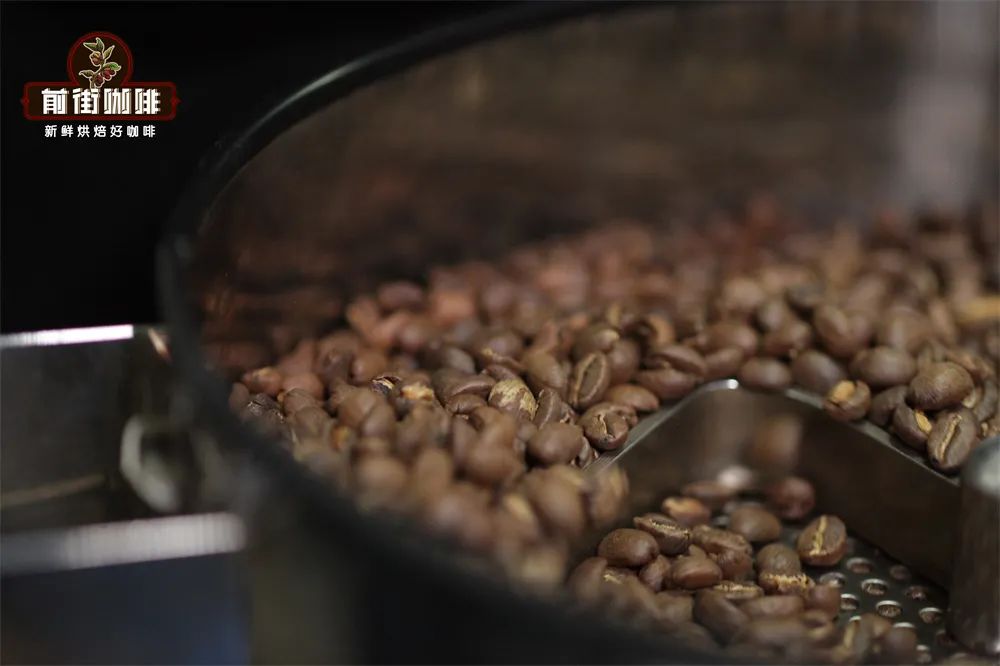
In the 1980s people began to emphasize the concept of specialty coffee, and roasters realized that coffee from each origin has different characteristics. They started adjusting the roast of some beans to lighter levels to highlight regional flavor and to "discover" more fruit notes. Originally single-origin coffees were mostly brewed as pour-over, siphon, or French press, and people began studying how to bring out the many flavors in coffee. Some baristas, hoping to shine in competitions, selected personalized beans for brewing. James Hoffmann, the 2007 World Barista Championship (WBC) winner, applied single-origin beans to the espresso machine, and SOE gradually became popular as a result.
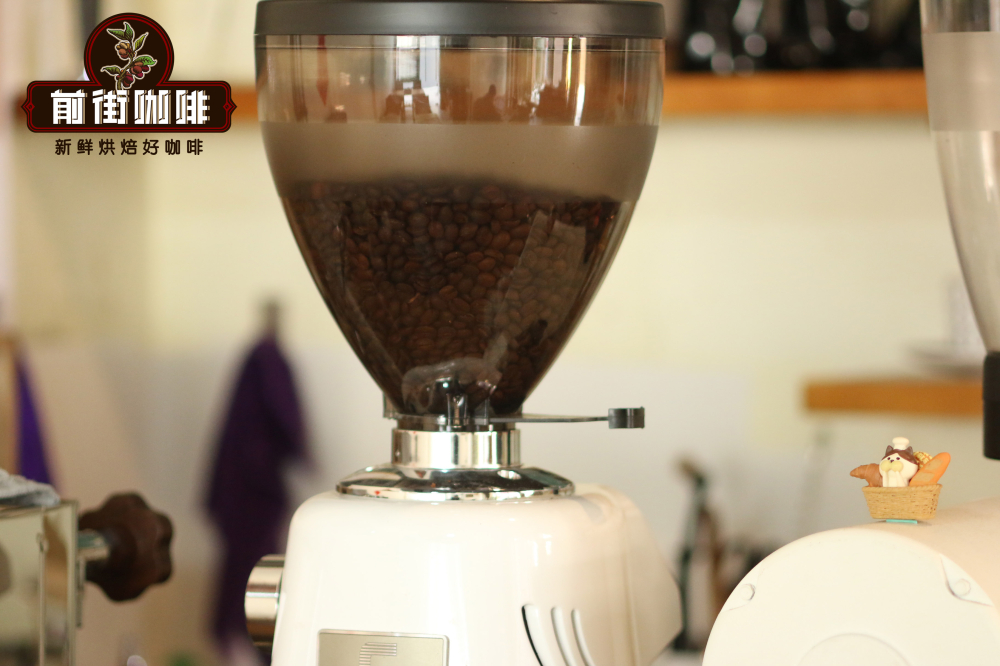
SOE stands for Single Origin Espresso, meaning espresso made from beans of a single origin. That "origin" can be a producing country, region, cooperative, estate, or farm, and coffee harvested in the same batch all counts as single-origin coffee. The dozens of coffees from different origins on the small blackboard to the left of FrontStreet Coffee's counter are all single-origin, usually served as pour-over. Single-origin coffee was proposed under the specialty coffee concept, aiming to emphasize regional flavors such as the citrus acidity of Yirgacheffe, the herbal notes of Indonesia, and the rich chocolate of Colombia.
So espresso made from single-origin beans can all be called SOE. Both SOE and espresso blends belong to the vocabulary of espresso. SOE needs to highlight the origin's unique flavors, which requires a lighter roast. For example, the SOE pulled from Ethiopian natural Yirgacheffe Red Cherry beans on FrontStreet Coffee's menu presents berry and citrus sweet and sour notes. Because of its relatively smooth mouthfeel and clearer profile, merchants tend to emphasize the flavor characteristics when serving it.
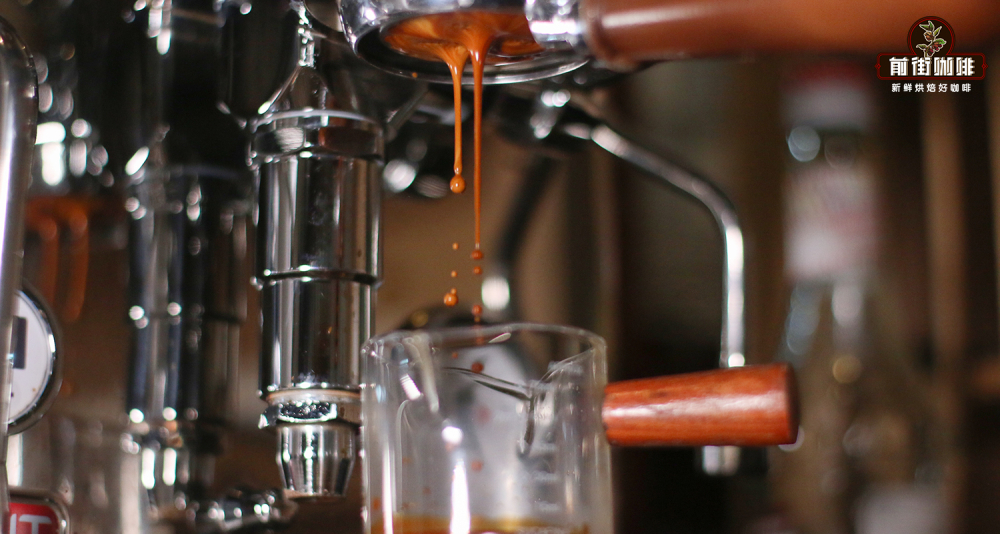
Why is SOE more expensive than blends?
Some coffee shops charge customers an extra price difference for SOE beans, leading many friends to believe SOE is more premium and tastes better than a blend. As the above makes clear, SOE only indicates that the beans come from a single origin, so it does not mean better coffee quality, nor does it necessarily taste better than a blend.
Single-origin beans for pour-over have to express the unique regional flavors of the origin and the inherent aroma of the bean itself, the way Yirgacheffe has fresh, bright citrus and lemon acidity while Blue Mountain should show sweet chocolate and caramel. SOE likewise has to express the flavor its origin should have. Roast too dark and the flavor and aroma are masked by the heavy substances created in roasting; roast too light and it easily under-extracts, giving sharp acidity and a thin taste. Whether a cup of SOE tastes good is therefore a great test of how both the roaster and the barista "interpret" it.
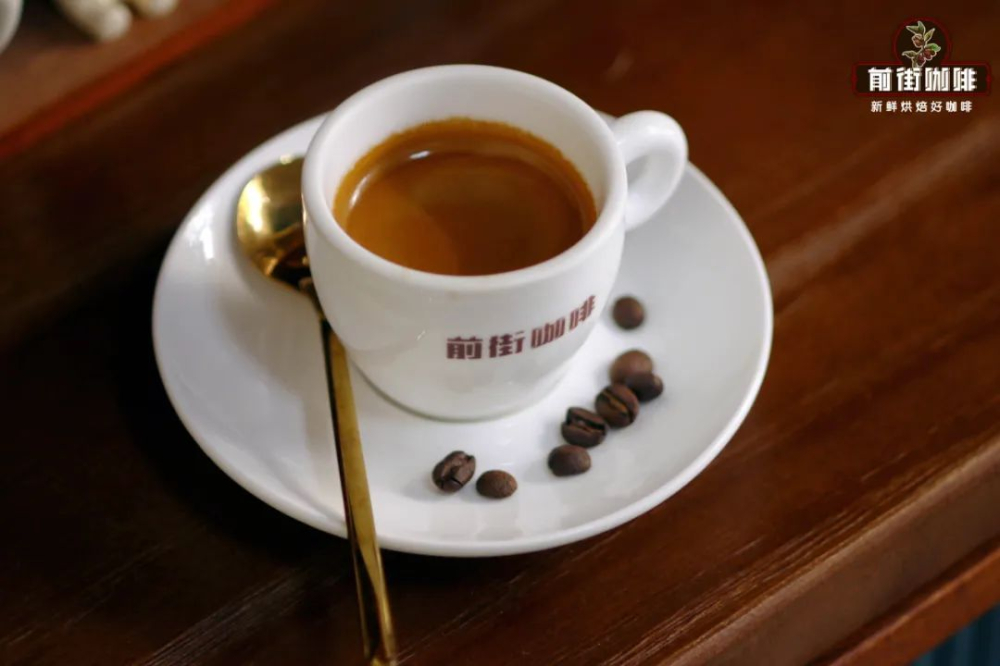
Pressurized espresso extraction typically uses blends. Producers combine beans from different origins and use dark roasting to highlight rich, mellow, bitter-based tastes, with flavors fixed around caramel, dark chocolate, nuts, and cocoa. To make espresso different from traditional blends, single-origin SOE uses lighter roasting to present a light mouthfeel unlike the traditional bitter note, such as Ethiopian beans with mainly fruity and floral flavors. That higher recognizability makes SOE easier for consumers to remember, but from a cost perspective, higher-quality single-origin beans are naturally more expensive, so the extra charge is justified.
SOE has a higher difficulty coefficient in production
To present SOE's unique style, high-quality beans, an appropriate roast level, matching grind parameters, and proper extraction are all indispensable. Adjusting espresso extraction has to account for subtle factors such as environmental humidity, extraction time, grind size, dose, and brew ratio, which makes stable output harder to guarantee.
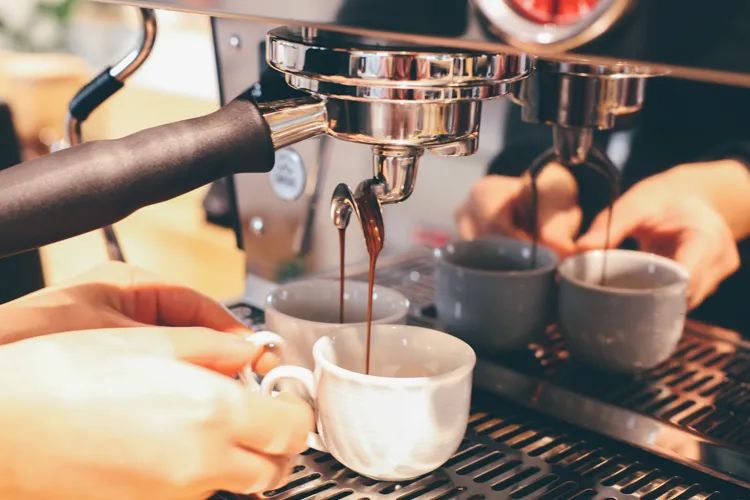
If you make SOE at home, FrontStreet Coffee suggests using medium-dark roasted or flavor-profile single-origin beans, which avoids the strong, stimulating taste that roasting can cause. For example, FrontStreet Coffee's Brazil Queen Estate beans, at a medium-dark roast, produce an SOE with chocolate, roasted hazelnut, cream, and a sugarcane-like sweet aftertaste. Or FrontStreet Coffee's Costa Rica Mozart, processed with the raisin honey method, gives an SOE with dried fruit, tropical fruit, and light floral notes.
No matter how a bean is extracted, FrontStreet Coffee believes freshness is crucial. Beans roasted more than a month ago may have lost some aroma and developed unpleasant woody flavors. FrontStreet Coffee wants every customer to taste coffee during its optimal flavor window, so it ships only beans within 5 days of roasting. If you want better-flavored SOE, choose freshly roasted single-origin beans.
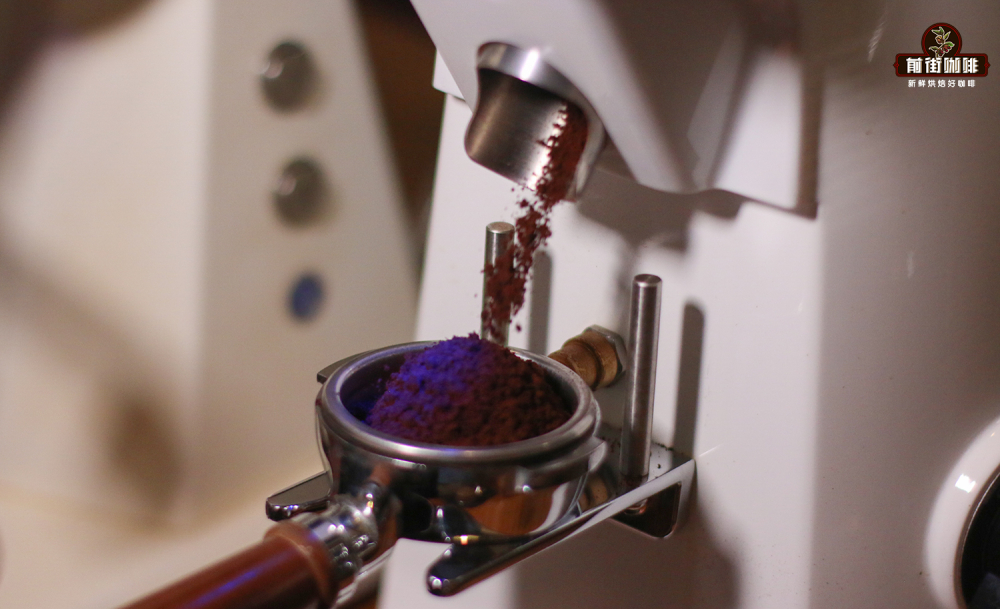
When lighter-roasted beans are used to pull SOE, the shorter roast leaves the internal structure relatively hard, making flavor harder to extract. Extraction parameters then need adjustment to raise the extraction rate, such as extending the time, increasing the water temperature, grinding finer, and increasing the dose. Since espresso grind is far finer than pour-over grind, adjustments cannot be too large, or the variables multiply and extraction becomes unstable. FrontStreet Coffee's daily store production relies on accumulated experience, but at home with lower output it is harder to grasp. FrontStreet Coffee suggests recording and summarizing the relationship between extraction parameters and flavor, which makes quick adjustment easier and avoids unnecessary waste.
FrontStreet Coffee Recommendation
If you brew single origins at home and want gear that is forgiving, a French press is a good match. It is a full-immersion brewer with a metal filter, so the water sits directly with the grounds and the result is richer in oils and heavier in body. Because it extracts over a long contact time, it tends to favor medium or dark roasts that bring out sweetness and caramel notes rather than a light roast's high acidity.
For a clean, aromatic cup, try FrontStreet's Strawberry Candy, a Geisha blend of Costa Rican honey-processed coffee and Panama washed Geisha. Pressed in a French press it releases rose, citrus, grape, and raisin aromas, and with milk it turns into a strawberry soft-candy flavor. If you prefer a low-acid black coffee with plenty of oil, choose FrontStreet's PWN Golden Mandheling, one of Asia's best-known specialty coffees, produced with three rounds of hand sorting plus one machine sort. Medium-dark roasted, its large beans carry spice, caramel, cedar, and dark chocolate, and a French press gives a full body with good oils. Grind coarse, like raw sugar, and start with a 1:15 ratio and a 4-minute steep.
Important Notice :
FrontStreet Coffee is a long-established specialty coffee roaster in Guangzhou China, selling freshly roasted beans from its own farm in Yunnan as well as dozens of carefully selected single-origin beans from around the world for both pour-over and espresso. The products deliver consistently excellent quality and great value, with shipping within 24 hours. Guangzhou's FrontStreet Coffee shop is recommended by many coffee lovers, and the beans are now available online at the Tmall 。
FrontStreet Coffee has moved to a new address:
FrontStreet Coffee Address: 315,Donghua East Road,GuangZhou
Tel:020 38364473
 Scan and follow the En Gafei WeChat official account. Please indicate that the reprint comes from "En Gafei".