What Do Italian Espresso Blends and SOEs Mean? Which Tastes Better for Americano: SOE or Blend Beans?
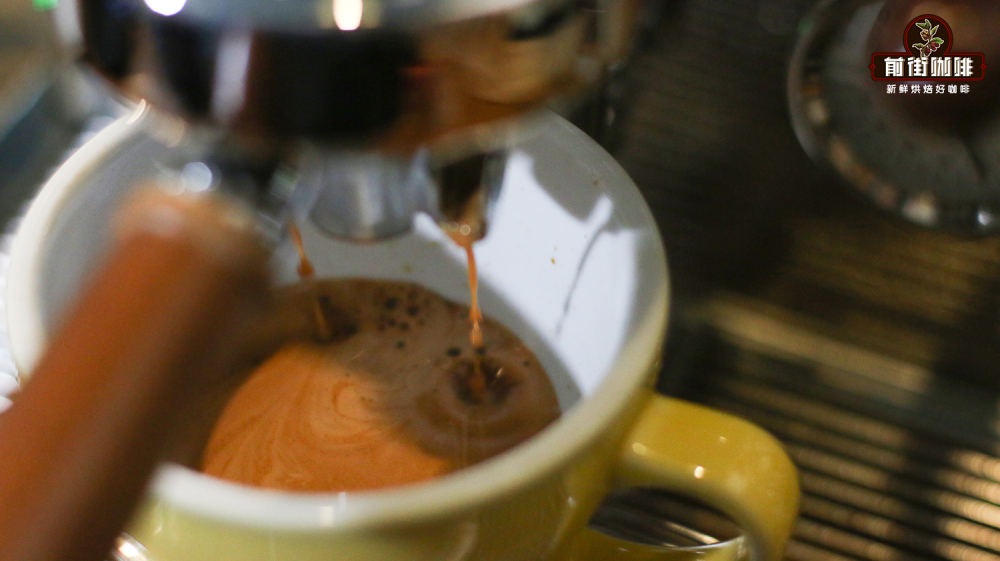
As a go-to bean for espresso, blend coffee has long been praised by coffee lovers for its rich, layered flavor. Yet with SOE (Single Origin Espresso) growing so popular in recent years, how does a blend still hold its own? In this article, FrontStreet Coffee shares its view on blend coffee.
What Is Blend Coffee?
Blend coffee, sometimes called mixed coffee, is made by combining single-origin beans so that the strengths of each one come through. Beans from different origins are brought together to build a more balanced cup. If one bean is smooth but short on aroma, for example, a more fragrant bean can be added to fill that gap. By combining strengths and covering weaknesses, the result is a richer, more complete experience than any single bean could offer. Blends are produced in two ways: green blending, where beans from different origins are mixed before roasting, and roasted blending, where already-roasted beans are combined afterward.
Which Tastes Better: SOE or Blend Coffee?
Some customers ask why beans need to be blended at all - isn't single-origin the best? Not necessarily. At FrontStreet Coffee, we see every bean as having its own strengths and weaknesses. If a bean pulled through an espresso machine produces too little crema, a crema-rich bean can be added to make up for it. If the shot comes out too acidic, too bitter or too sweet, complementary beans can be blended in to bring the cup closer to the intended flavor.
Whether beans are pre-mixed as green coffee or roasted separately and then combined, both approaches work; what matters is how well the formula suits the character of each coffee. Post-roast blending lets each bean be roasted to its own ideal level, so every component performs at its best.

People often compare the flavor of an espresso blend with that of an SOE, but the comparison is not entirely fair. Espresso blends are always built with a purpose in mind, and those purposes vary widely. Broadly speaking, there are three.
1. Cutting Costs
Some coffee shops blend lower-quality beans with higher-quality ones to reduce costs and protect their margins.
2. Building a Long-Term, Stable Flavor
We have to remember that coffee is an agricultural product. The same region can taste different from one harvest to the next, or even from batch to batch within a single year. This is the weakness of single-origin coffee: you cannot promise that the single-origin bean you loved this year will taste the same next year (apart from beans whose flavor is driven mainly by processing). Conditions from origin to cafe can all shift the flavor of the beans you buy.
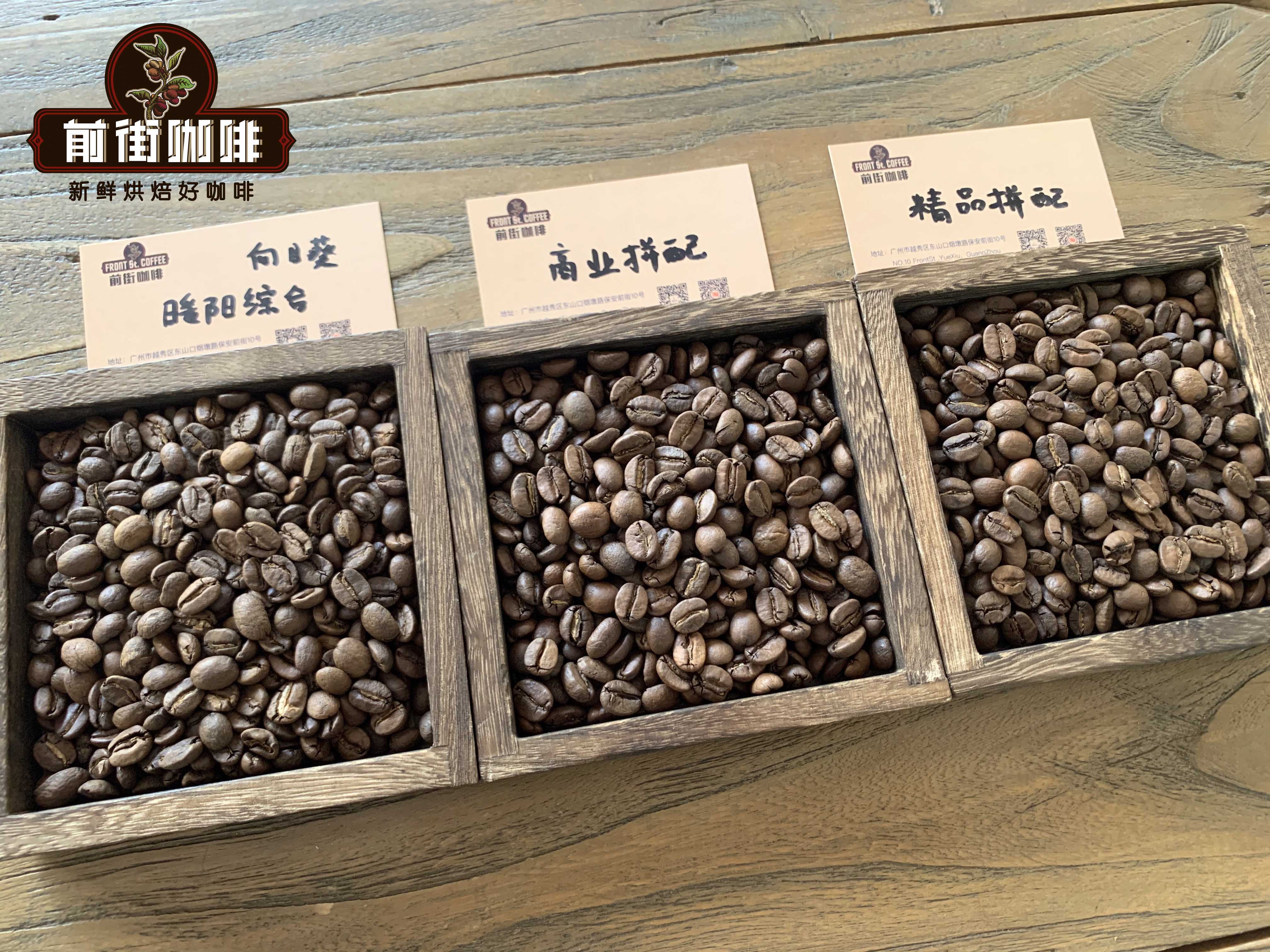
That is precisely why blending exists - to create a product that can be supplied year-round with a consistent flavor. When a particular bean fails to meet quality standards in a new harvest or changes character, a similar replacement can be found to keep the blend stable.
3. Creating Flavors a Single Bean Cannot Achieve
Single-origin beans are like individuals, each with strengths and weaknesses, while a blend is like a team that puts each member's strengths to work and covers for the others.
Blending a high-sweetness bean with a high-acidity one, for instance, can strike a sweet-and-sour balance, and adding some Brazilian beans can build up the overall body. These are all valid reasons to blend.

These purposes set the flavor direction of a blend. If the goal is cost reduction, better beans cannot be used, so the flavor does not need to be explored in depth. FrontStreet Coffee believes that blends built to achieve flavors a single bean cannot, or blends that spare no expense on distinctive high-quality single-origin beans, can easily surpass an SOE when the formula is right. The real focus, then, should be the purpose behind the blend and its price point. After all, it is hardly fair to compare a blend costing 50 yuan per pound with an SOE costing 100 yuan per pound.
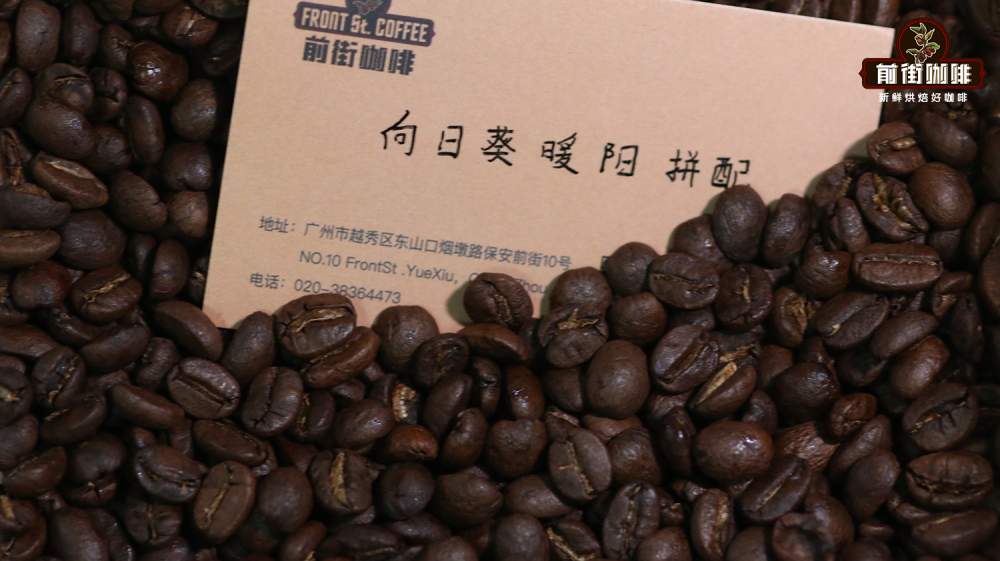
FrontStreet Coffee's current espresso drinks use the Sunflower Warm Sun blend, which pairs Honduras Sherry with Ethiopia Yirgacheffe Red Cherry. After repeated testing by our baristas, the blend settled on a near-perfect 7:3 ratio. The resulting espresso shows distinct fruit acidity, berry notes and a wine-like aroma, with a comfortable sweet finish. FrontStreet Coffee is confident its flavor can comfortably rival an SOE.

Espresso can also be made from a single origin. When a single-origin bean is used, the result is simply called SOE coffee, and it lets you taste the most fundamental flavors of its origin.
To FrontStreet Coffee, the strength of a blend is that it amplifies the best qualities of certain beans while masking their shortcomings, making full use of every bean. Of course, more beans does not automatically mean better flavor. The more beans you add, the harder it becomes to balance every detail, and the cup can turn muddled. In FrontStreet Coffee's view, keeping a blend to two to four varieties is about right.
How to Drink Espresso?
Few drinkers choose to sip these espresso blend beans straight. More often they serve as a base, with milk or water added to make a latte or an Americano.
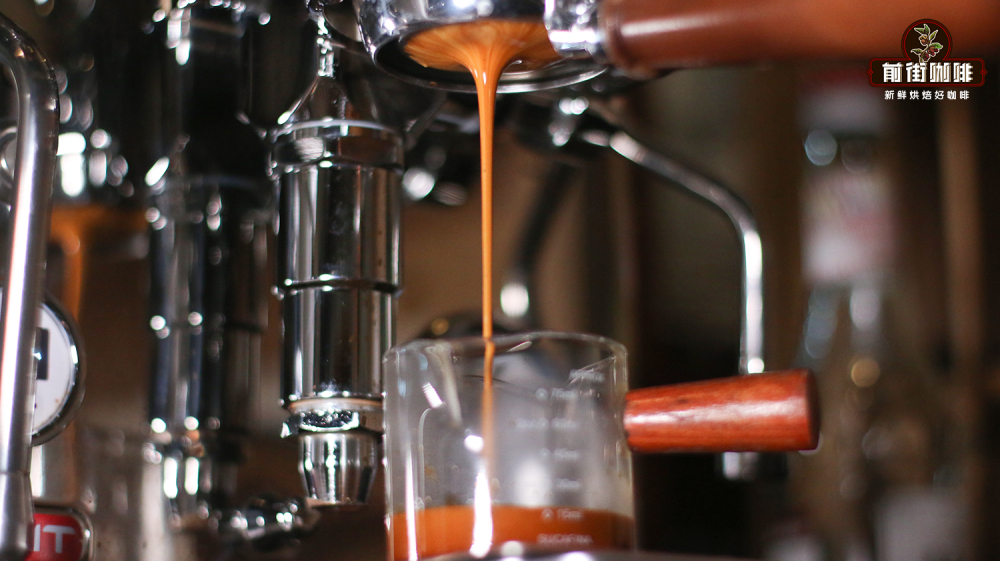
The extraction recipe for espresso uses the Sunflower Warm Sun blend: 20g of coffee grounds extracted for 26 seconds to yield 40g of espresso.
Hot Latte: FrontStreet Coffee uses a ratio of 40g espresso to 240g steamed milk.

Hot Americano: FrontStreet Coffee uses a ratio of 40g espresso to 200g hot water.

FrontStreet Coffee Recommendation
For an Americano built on a blend, FrontStreet Coffee's Classic Blend is a dependable starting point. It combines Indonesian Mandheling, Brazilian Red Bourbon and washed Vietnamese beans in a traditional Italian-style recipe, delivering the low-acid, full-bodied, herbal and woody character of Asian coffee alongside the smooth, creamy balance of the Americas. Expect butter, nuts, spice and dark chocolate in the cup. The Black Cocoa Base Blend is the value-focused choice, pairing Yunnan small-bean coffee with Brazilian Cerrado; it reads as nuts, chocolate and cream with the tartness of ripe plum, and its soft, approachable profile works as well at home as it does behind a cafe bar.
If you want a sweeter, more fruit-forward shot, the Strawberry Candy Espresso blend brings together Colombian, Costa Rican and Ethiopian Arabica and lifts the aroma through washed, natural and honey processing. A medium roast keeps it low in bitterness, with rose, grape, raisin, sweet orange and fruit-candy notes and a distinctive almond finish. Served as an Americano or a latte, it stays clean and layered.
For a single-origin alternative, the Ethiopia Huakui SOE is a naturally processed Sidama Hambela lot with creamy strawberry, guava, dried mango, black tea and citrus; pulled as a shot and diluted with water, it is bright and refreshing with no bitterness and a heady tropical aroma. The Ethiopia Grana Geisha SOE offers a different expression of the origin, with pronounced yellow florals, a bright bergamot lift and a fresh strawberry sweetness on the finish.
Important Notice :
FrontStreet Coffee is a long-established specialty coffee roaster in Guangzhou China, selling freshly roasted beans from its own farm in Yunnan as well as dozens of carefully selected single-origin beans from around the world for both pour-over and espresso. The products deliver consistently excellent quality and great value, with shipping within 24 hours. Guangzhou's FrontStreet Coffee shop is recommended by many coffee lovers, and the beans are now available online at the Tmall 。
FrontStreet Coffee has moved to a new address:
FrontStreet Coffee Address: 315,Donghua East Road,GuangZhou
Tel:020 38364473
 Scan and follow the En Gafei WeChat official account. Please indicate that the reprint comes from "En Gafei".