Siphon Coffee Pot Distillation Coffee Pot How to Use What Coffee is Suitable for Siphon Pot
Introduction to Siphon Coffee
The siphon coffee maker, also known as a syphon pot, originated in Germany. It works by heating the gas in the lower chamber to increase pressure, using siphon action to push water up into the upper chamber to extract coffee. Siphon pots are currently a very popular brewing method in Japan and are gradually gaining popularity elsewhere. Compared with other methods, siphon operation is more complex.
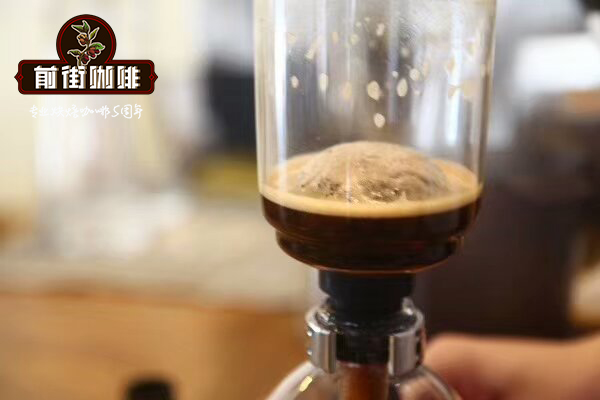
The siphon pot has a gourd-shaped glass design, with upper and lower sections that can be disassembled and are connected by a tube in the middle. During use, the lower chamber is filled with hot water and then heated with an alcohol lamp. Filter paper or cloth is first placed in the upper section, followed by coffee grounds. When the water in the lower chamber begins to boil, the upper chamber can be inserted onto the lower chamber. Generally, alcohol is used to heat the lower chamber of pure glass siphon pots. Some modern siphon pots have steel plates at the bottom of the lower chamber that can be used with induction cookers. When the water in the lower chamber is heated, it converts to steam, increasing the pressure above the water surface. This causes hot water to enter the upper chamber containing the ground coffee through the tube, then return to the lower chamber through the filter paper or cloth, after which the coffee in the lower chamber is poured out for drinking.
Little reminder: The pre-heating time for the pot is quite long, so please pay attention. When putting in the grounds, avoid exposing the coffee to air for too long to maintain freshness. Pay attention to speed and timing when setting the filter. For equipment maintenance, pay special attention to cleaning the utensils.
Operating Steps
- Place the lower chamber on the pot stand and pour in an appropriate amount of water (hot water is recommended).
- Install the filter cloth in the upper chamber, hooking the beaded chain hook onto the outer edge of the protruding glass tube at the bottom of the upper chamber.
- Fit the upper chamber onto the lower chamber opening, making sure the upper chamber does not wobble.
- Pour coffee grounds into the upper chamber brewer.
- Place the alcohol lamp under the lower chamber and light it to heat.
- Wait for the water in the lower chamber to boil, then insert the upper chamber into the lower chamber.
- Once the water has fully risen, begin stirring with a wooden stir spoon for no more than 1 minute.
- Remove the alcohol lamp to cool the air in the lower chamber.
- Pour the coffee into pre-warmed coffee cups.
Coffee Tasting Method
Tasting coffee well means carefully savoring the layered flavors that emerge as the coffee meets your tongue, experiencing the different stages of flavor, and finally smelling the aroma left in the cup to appreciate its fragrance.
- First, sip gently with your lips and tongue tip to experience the coffee's bitterness and acidity.
- Next, take a second sip of about half a mouthful and let the coffee remain in your mouth for 5 seconds to experience further layers. The third sip can be larger, but like the second, keep it in your mouth for 5 seconds before slowly swallowing. The flavor at this moment is the most accurate expression of the coffee.
- Drink the remaining coffee while experiencing the aftertaste, then wait about three minutes, gently shake the empty cup to release the aroma, and finally smell the fragrance left in the cup.
Coffee Ground Addition Methods
The way you add grounds to a siphon pot also deserves careful thought.
Adding grounds before the water rises requires more experience, because extraction begins during the process of water rising from the lower to the upper chamber. That makes the degree of extraction harder to control.
The post-addition method, adding grounds after the water rises, is easier to learn and control.
FrontStreet Coffee's Siphon Pot Recommended Parameters:
Using the post-addition method, remove the pot from the heat source after about one and a half minutes of brewing.
FrontStreet Coffee Recommendation
Siphon brewing rewards coffees with body and a classic balance, which is why the darker, fuller beans shine here. FrontStreet Coffee's Blue Mountain No.1 is an ideal match: authentic Jamaica Blue Mountain from the historic Clifton Estate, roasted medium-dark, showing the traditional bittersweet, rounded character with hazelnut, cream, chocolate, and caramel. Its balance suits the siphon's gentle, full extraction.
If you prefer a heavier, bolder cup, FrontStreet Coffee's PWN Golden Mandheling from Sumatra is deep roasted with low acidity and a thick, lingering body, full of herbs and dark chocolate with a faint earthy note, the choice for drinkers who love bold and low-acid coffee. For an everyday single origin, FrontStreet Coffee's Brazil Queen Estate, a rare Yellow Bourbon from Mogiana, roasted to a low-acid, balanced profile, brings nuts, cocoa, and clear caramel sweetness that stays smooth and rounded through a siphon. And if you want the floral, silky side, FrontStreet Coffee's natural dry-aroma coffees, such as the Ethiopia Huakui with its cream strawberry and mango notes, also work beautifully when brewed slowly in a siphon.
Important Notice :
FrontStreet Coffee is a long-established specialty coffee roaster in Guangzhou China, selling freshly roasted beans from its own farm in Yunnan as well as dozens of carefully selected single-origin beans from around the world for both pour-over and espresso. The products deliver consistently excellent quality and great value, with shipping within 24 hours. Guangzhou's FrontStreet Coffee shop is recommended by many coffee lovers, and the beans are now available online at the Tmall 。
FrontStreet Coffee has moved to a new address:
FrontStreet Coffee Address: 315,Donghua East Road,GuangZhou
Tel:020 38364473
 Scan and follow the En Gafei WeChat official account. Please indicate that the reprint comes from "En Gafei".