What is the Growing Environment of Sumatra Kerinci Volcanic Coffee Beans? How to Brew Kerinci Coffee with Kono
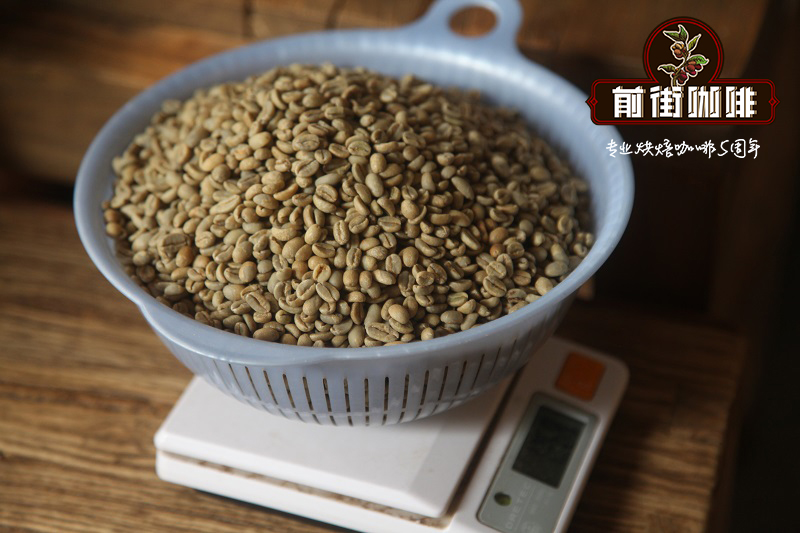
What is the Growing Environment of Sumatra Kerinci Volcanic Coffee Beans? How to Brew Kerinci Coffee Beans with Kono?
The Kerinci region sits on the large Indonesian island of Sumatra. Roughly 300,000 people live in the valleys around the mountain, and Kerinci and its surroundings are protected by large national parks. Geographically the area offers wetlands, mountains, rainforest, rivers and volcanoes, and it is also a UNESCO World Heritage site; Kerinci is the highest peak on Sumatra, and it is in fact a volcano. This part of the island lies in the south and west, quite different from the northern areas of Sumatra. The coffee here is wet-hulled, made up of multiple varieties, and grown around 1,400 meters and above. Sumatran coffee is traditionally wet-hulled, a process capable of producing excellent coffee but also frequently yielding strange, unpleasant cups, whether from the processing itself or from the way the hull is removed and the bean absorbs flavors from its surroundings—mold and mildew can set in early, too, because the coffee changes hands quickly from seller to seller and the bags stay damp.
Kerinci coffee cherries are supplied by 600 farmers from the Kerinci Valley, a fertile volcanic region of more than 300,000 people known as the "rice bowl." Kerinci is a little-known coffee source in the center of Sumatra, Indonesia. The people of the Kerinci Valley, surrounded by the Kerinci Seblat Rainforest, have slowly shifted back to Arabica production with the help of a local conservation NGO called Lembaga Tumbuh Alami. In 2009 there was a chance to visit the region, hoping to find a group engaged in forest conservation and Arabica promotion. Contact was not finally established until 2013, and after several years of domestic supply chain problems, a very beautiful example of their coffee can now be offered.
The NGO's goal in working with the community is twofold: protect the natural resources of the tropical rainforest, and develop sustainable agricultural markets that support families. Arabica coffee offers a route to sustainability, in contrast to the current standards of Robusta and rubber. Giving farmers more sustainable income means less erosion of the rainforest. Updates on this relationship will follow as the work there develops.
This beautiful valley is ringed by Mount Kerinci in the Kerinci highlands and by Sumatra's largest national park, Kerinci Seblat National Park, designated as a UNESCO World Heritage site. The altitude ranges from 1,200 to 1,500 meters. This coffee has a very clean caramel sweetness, cocoa and tea-like floral notes, with a healthy, syrupy body. Its acidity is lower than that of traditional high-grown washed coffees, and it makes a wonderful espresso.
Honey Processing
For honey processing the cherries are selected and classified, then the skin is removed by machine. Inside a coffee cherry are the seeds we call coffee beans, along with pulp and a sticky mucilage that holds high sugar to feed those seeds. This sticky substance is commonly called "pectin." In honey processing the skin is removed but the sticky mucilage is not, unlike in washed coffee. The sticky beans are placed on raised beds to dry, and the mucilage fermentation that takes place over the following days and weeks brings sweetness, body and fruit flavors.
Tasting Notes
This particular coffee is of the Typica variety, grown at 1,200-1,600m, with flavors like "grapefruit, plum, creamy cocoa." The taste is clean, sweet and super citrusy, completely different from any Sumatra coffee. This is a medium-rich coffee with many flavors. It opens with sweet grapefruit candy notes—pink grapefruit, but without the bitterness of the pith, both bright and citrusy yet sweet at the same time. It gradually builds on the lower part of the slope, with a damp note in the cooling cup that serves as a reminder this coffee still comes from Sumatra. The finish melts into more orange juice, with lingering grapefruit and single-origin chocolate notes that are subtle but present. The fruit in the aftertaste lasts a long time, and for some tasters there are also berries—a bit of raspberry, perhaps some blackberry—while orange and grapefruit stay in the foreground.
FrontStreet Coffee Brewing Parameters:
Water-to-coffee ratio: 1:14
Grind size: Fuji Royal 3.5
Water temperature: 86°C
Brewing method:
Bloom with 26g of water for 30s, then slowly pour with a small stream to 118g for segmentation, then slightly increase the flow for a slow pour to 210g.
Total time: 1'45"
BG grind: 4Z
FrontStreet Coffee Recommendation
Sumatra's wet-hulled tradition is what gives the island's coffee its weight and its unmistakable herbal, earthy depth, and FrontStreet Coffee's Mandheling is the clearest introduction to that style. The beans come from the Lintong area near Lake Toba, and the process is the classic Giling Basah: the parchment is stripped while the bean is still semi-dry and the green coffee dries exposed to the air, which is exactly where the grassy, spicy, herbal character comes from. Roasted medium-dark to keep the acidity low, it drinks thick and mellow, with caramel, dark chocolate and toasted bread, and a long sweet finish—a coffee for anyone who prefers depth over brightness.
FrontStreet Coffee's PWN Gold Mandheling takes the same origin and tightens the standard considerably. PWN is an Indonesian trading house that buys only high-grade Mandheling, and its Gold Mandheling is the flagship: beans of 18 screen and above, fewer than three defective beans per 300-gram sample to meet the top G1 standard, then three rounds of hand sorting to remove the rest. The result is uniform, plump, translucent beans with far less of the mud and grassiness that Mandheling can carry. Freshly roasted, it shows sandalwood, herb, spice, toasted hazelnut, caramel and dark chocolate, with a clean finish and a rich, sweet body. If you want Mandheling folded into espresso instead, FrontStreet Coffee's Classic Blend builds on the traditional Mamba recipe, adding a little Robusta and roasting deep so the dark chocolate, nut and caramel notes pour with a thick golden crema.
Important Notice :
FrontStreet Coffee is a long-established specialty coffee roaster in Guangzhou China, selling freshly roasted beans from its own farm in Yunnan as well as dozens of carefully selected single-origin beans from around the world for both pour-over and espresso. The products deliver consistently excellent quality and great value, with shipping within 24 hours. Guangzhou's FrontStreet Coffee shop is recommended by many coffee lovers, and the beans are now available online at the Tmall 。
FrontStreet Coffee has moved to a new address:
FrontStreet Coffee Address: 315,Donghua East Road,GuangZhou
Tel:020 38364473
 Scan and follow the En Gafei WeChat official account. Please indicate that the reprint comes from "En Gafei".