Introduction to Famous Brazilian Coffee Brands Santos and Cerrado: Are Brazilian Beans Soft in Pour-Over Taste?
Mention Brazil and people tend to hold several impressions of this fascinating country at once: the passionate culture expressed through beautifully dressed women dancing on the streets of Rio de Janeiro, and on the other hand the vast Amazon rainforest, far from the noise of the cities. That contrast between movement and stillness is what fills Brazil with charm.
Brazilian coffee reflects the same duality. The rich nutty chocolate notes are like Brazil's passionate side, while the smooth mouthfeel stands for its gentler, calmer nature.
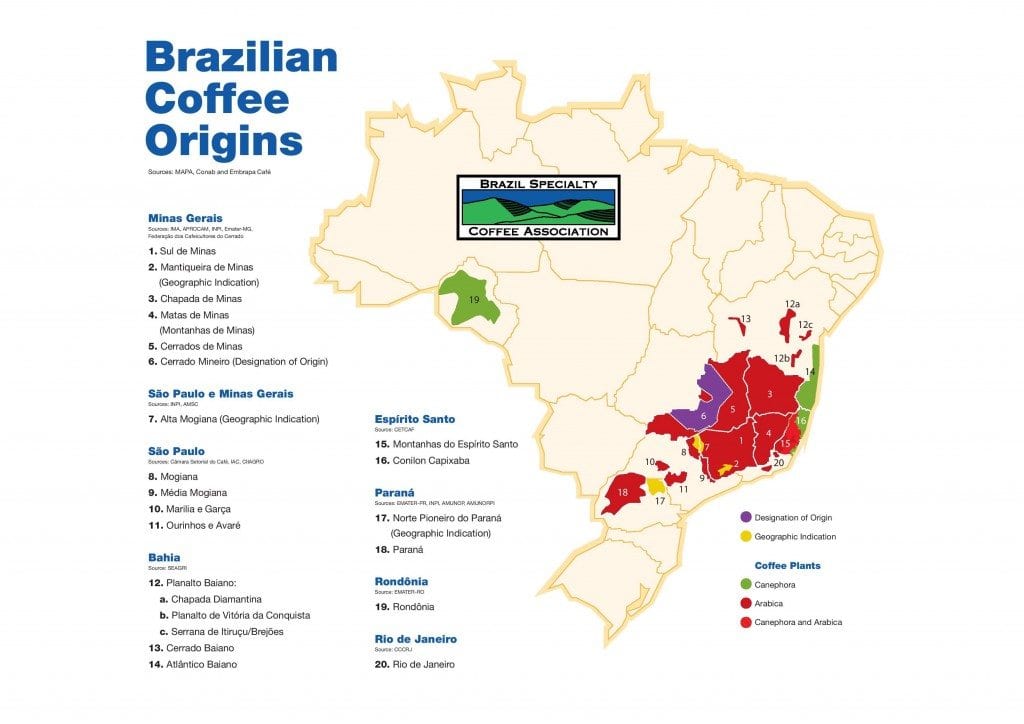
Although Brazil ranks fifth in the world and first in South America by land area, it is the world's largest producer of coffee beans. Brazil has 21 states, 17 of which produce coffee, with the main coffee-producing regions spread across six states: Bahia, Espirito Santo, Minas Gerais, Sao Paulo, Parana and Rondonia.
Minas Gerais
Minas Gerais produces more than half of Brazil's Arabica coffee beans and is also the country's main specialty coffee-producing region. It contains four sub-regions.
Matas de Minas: this region made its name growing high-quality specialty coffee. With high air humidity and a warm climate, coffees from here show caramel and chocolate flavors.

Minas Highlands: a highland region with relatively flat terrain, where mechanized production is common. Coffee from here carries distinct chocolate flavors.
Cerrado: Cerrado was the first coffee region in Brazil to obtain Brazilian origin certification. The name carries real prestige, close to the status of Bordeaux in wine. The Cerrado region is dotted with medium to large-scale coffee plantations, and its distinct seasons and suitable altitude provide ideal conditions for growing and harvesting Brazilian coffee beans.
South Minas: South Minas has higher altitudes and moderate temperatures. Arabica beans from here have typical fruity aromas and rich flavors. Coffee production in the region accounts for about 30% of Brazil's total output.
São Paulo
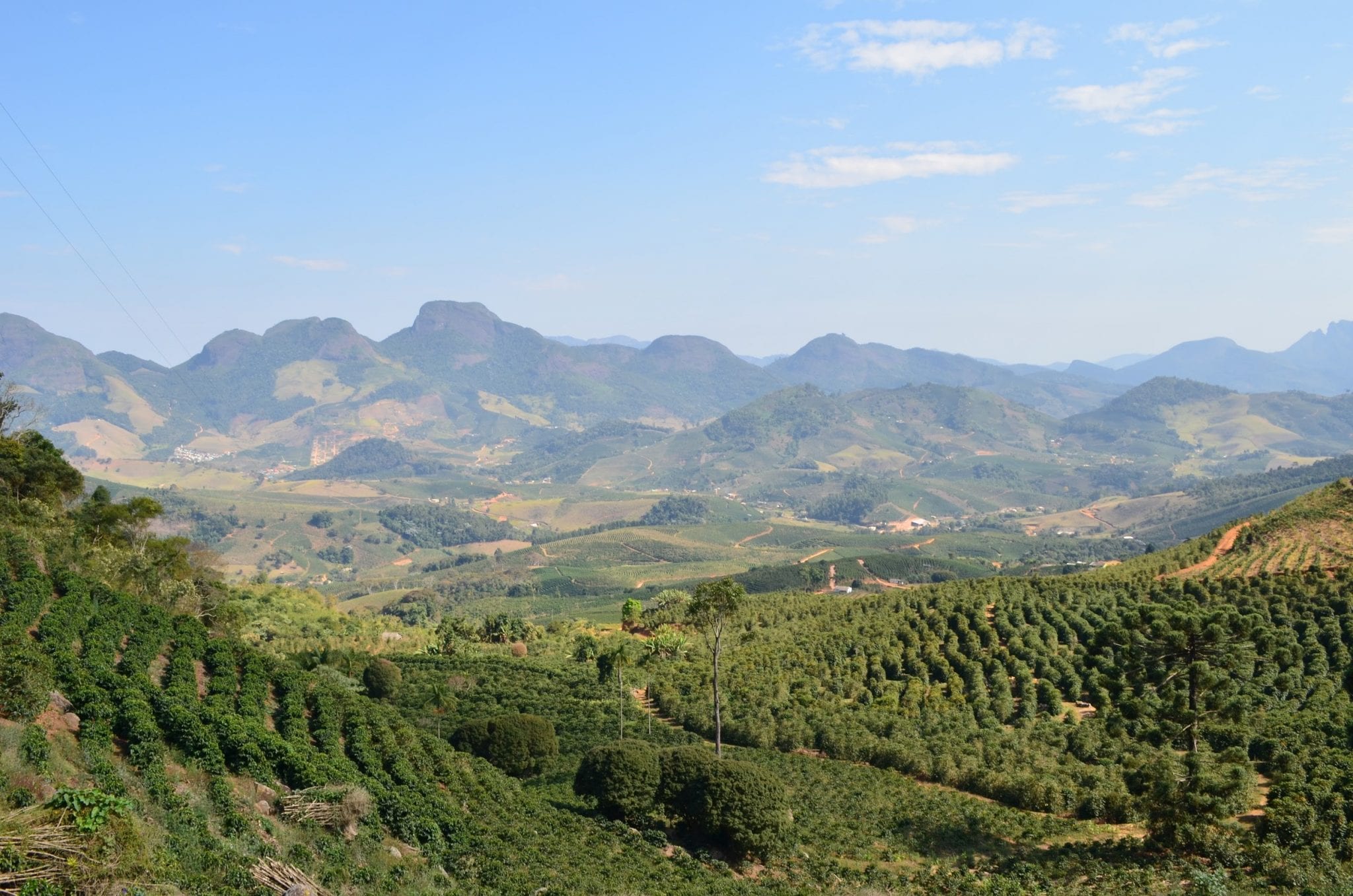
São Paulo is one of Brazil's most important regions, home to Latin America's largest port, Santos Port. Santos Port is Brazil's largest export port for coffee, and São Paulo is also the country's oldest coffee-growing region.
São Paulo has two coffee-producing regions: Centro-Oeste and Mogiana.
The Mogiana region is blessed with rich red volcanic soil, high altitude and a mild climate, which lets it produce high-quality coffee. Among the famous estates here is Fazenda Rainha. FrontStreet Coffee's menu features a coffee bean from Fazenda Rainha, which has won numerous awards since the first Brazil Cup of Excellence (COE) competition in 1999, taking the title 12 times in 7 years. Coffee from Mogiana has low acidity and a full body, with fruit and chocolate flavors.
The Centro-Oeste region features hilly terrain, dominated by small to medium-sized coffee plantations. Coffee from here has a relatively mild flavor.
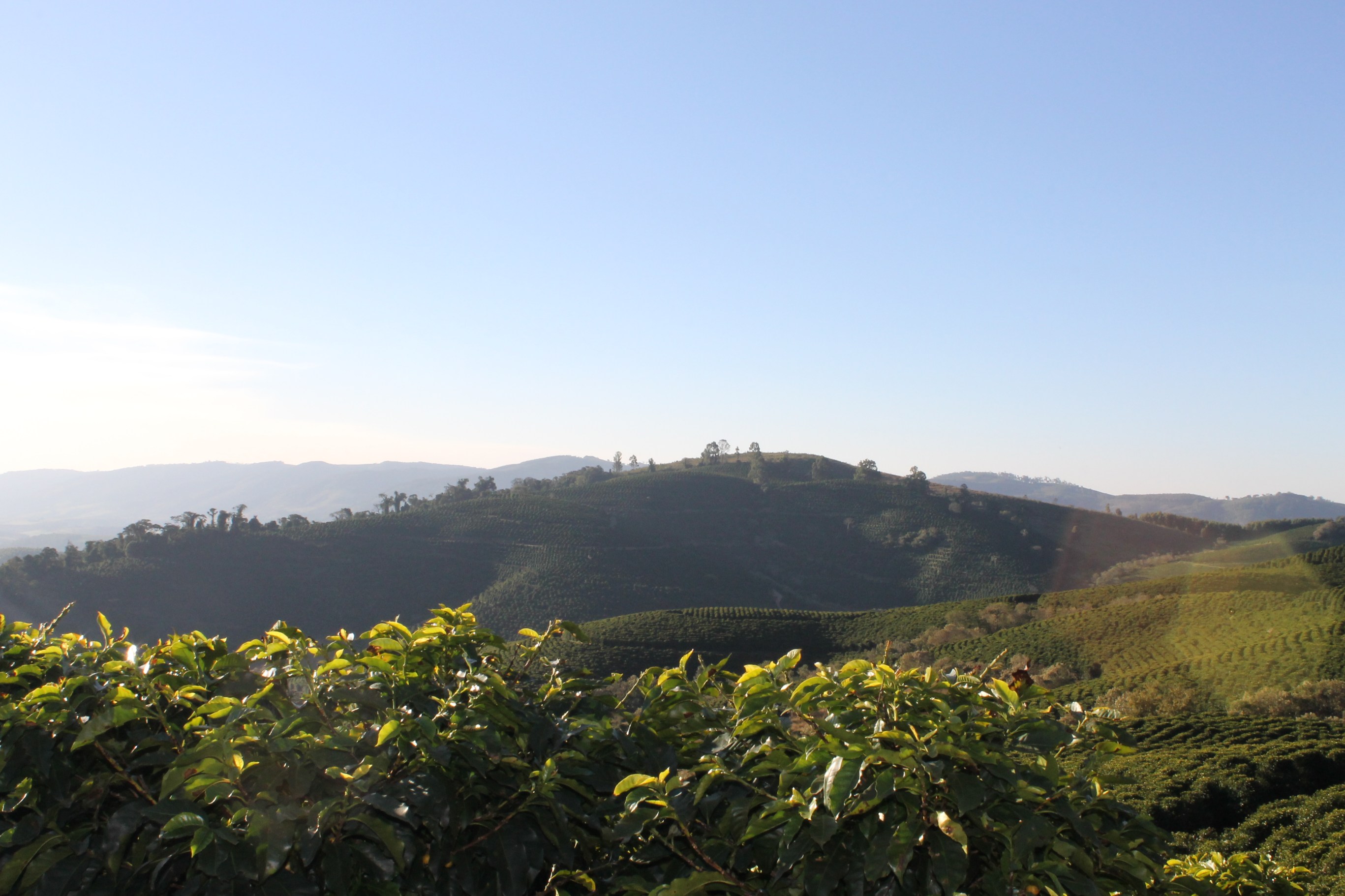
Espírito Santo
Compared with other Brazilian coffee-producing regions, Espírito Santo has a smaller planting area, but its coffee production ranks second in Brazil. Espírito Santo is Brazil's largest producer of Robusta coffee beans. In the southern part of the state, a small number of coffee growers cultivate Arabica.
Espírito Santo has a mild climate and highland terrain, and coffees from the state show distinct acidity and fruity flavors.
Bahia
Bahia only began coffee cultivation in the 1970s, making its coffee-growing history relatively short next to states like Parana. Brief as that history is, advanced agricultural technology has let Bahia produce high-quality specialty coffee with excellent flavors, and it has ranked well in recent Brazil Cup of Excellence (COE) competitions, including a win in the natural process category in 2015. Public attention on the state keeps growing. Its coffee-growing areas sit at high altitudes, with rainy winters and dry summers.
Paraná
Paraná is Brazil's most traditional coffee region, but in 1975 the state suffered severe frost damage, causing significant harm to the coffee plants and a sharp drop in production. Because of the 1975 frost disaster, Arabica coffee futures prices rose to their highest point in history in 1977. Today Paraná remains one of Brazil's most important agricultural areas, with crop production accounting for about 25% of Brazil's total. Because Paraná lacks the high altitudes that Arabica prefers, its maximum altitude only reaching 950 meters, few truly high-quality coffees are produced here.
Rondônia
This state in northeastern Brazil primarily cultivates Robusta coffee beans.
FrontStreet Coffee's menu features two Brazilian coffee beans: the Brazil Red Bourbon from the daily bean series and the Fazenda Rainha Yellow Bourbon from the Mogiana region of São Paulo state.

FrontStreet Coffee: Brazil Red Bourbon Coffee Beans
Region: Cerrado, Minas Gerais, Brazil
Altitude: 1000 meters
Variety: Red Bourbon
Processing Method: Pulped Natural
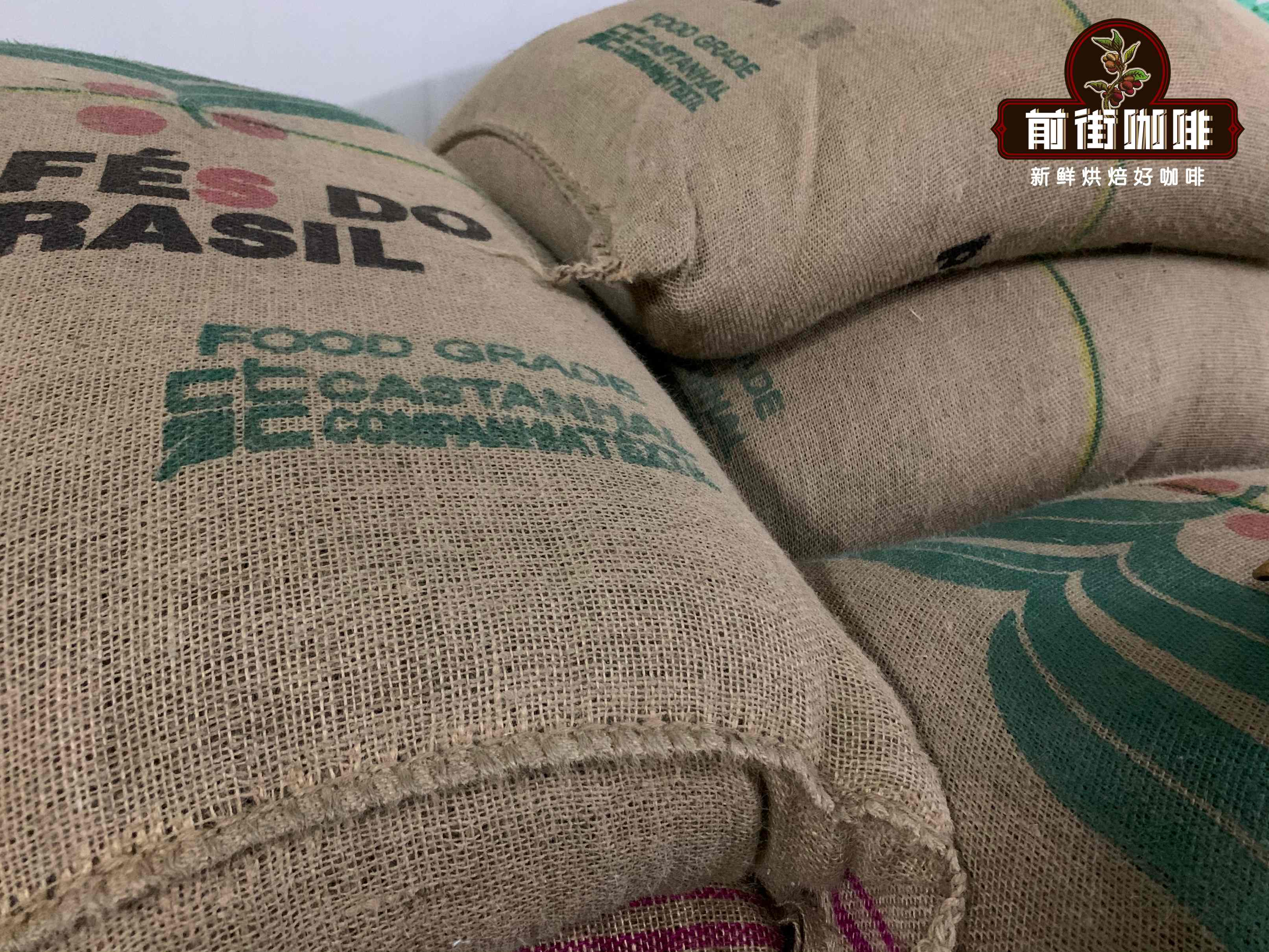
The fact that FrontStreet Coffee classifies Brazil Red Bourbon as part of the daily bean series says enough about its standing. Produced in the Cerrado region, this Red Bourbon uses Brazil's most traditional pulped natural processing method. It represents the characteristic nutty flavor profile and smooth mouthfeel of Brazilian coffee beans perfectly.

Before the 18th century, Brazil primarily cultivated the Typica variety. As coffee became one of Brazil's main cash crops capable of generating immense wealth, and Typica had lower yields, the higher-yielding Bourbon variety was introduced from Réunion Island in the 1860s. Around the 1870s, historical records documented that some Bourbon plants bore yellow fruit, later scientifically verified as a mutant of Red Bourbon, which is Yellow Bourbon.
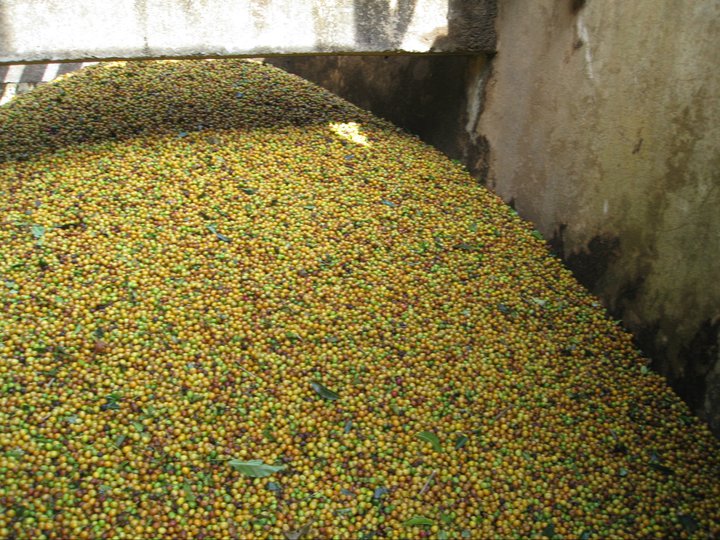
Compared with Red Bourbon, Yellow Bourbon has a richer mucilage layer, which means more sugar content and better sweetness. Through cupping comparisons between Red and Yellow Bourbon, FrontStreet Coffee found that Yellow Bourbon shows subtle lemon aromatics and more pronounced sweetness.

FrontStreet Coffee: Brazil Fazenda Rainha Coffee Beans
Region: Mogiana, Brazil
Estate: Fazenda Rainha
Altitude: 1400-1950 meters
Variety: Yellow Bourbon
Processing Method: Natural
Because natural processing demands significant manual labor, large-scale production can lead to over-fermentation through insufficient turning, producing undesirable fermented flavors. FrontStreet Coffee's Brazil Fazenda Rainha is therefore processed naturally in small, refined batches, with the whole process carried out on African raised beds to avoid earthy and fermented flavors. Its sweetness also sits a step above traditional pulped natural processing.
Seeing is believing, and the same applies to coffee: words are worth less than personal experience. To bring out the aroma and sweetness of Brazilian coffee during roasting, a medium-dark roast was used. FrontStreet Coffee recommends water at 88°C, a coarse grind and a KONO filter when brewing these two beans. To experience richer layering, a three-stage pour is recommended for the extraction.
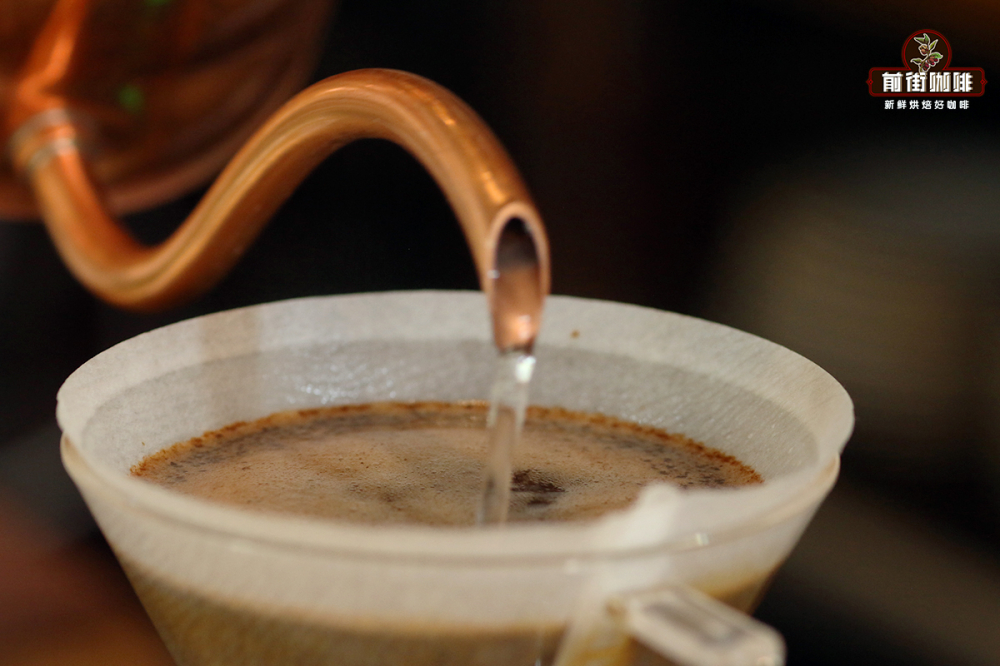
Filter: KONO filter
Water Temperature: 88°C
Coffee Dose: 15g
Coffee-to-Water Ratio: 1:15
Grind Size: 70% through #20 sieve
For the first stage, pour 30ml of water and let it bloom for 30 seconds. For the second stage, pour 100ml of water in a circular motion. When the water level drops to halfway, at approximately 1 minute and 5 seconds, begin the third stage by pouring 95ml of water. Wait until all the coffee has dripped through before removing the filter cup. Total extraction time is 2 minutes.
FrontStreet Coffee Recommendation
Both Brazilian beans named here are worth having on hand and both appear on our own menu. The FrontStreet Cerrado Red Bourbon is the everyday classic: a Red Bourbon from Cerrado given the traditional pulped natural treatment, medium roasted, with a round body and aromas of cream, peanut, toast, caramel and hazelnut, low in acidity with only a light bitterness. It works as a pour-over or in a moka pot, espresso SOE, siphon or French press. The FrontStreet Queen's Estate Yellow Bourbon comes from Mogiana and, being the rarer Yellow Bourbon, tastes cleaner in the fruit, with a sugarcane-like clarity alongside fruit and chocolate notes. Brew either at 88°C with a coarse grind.
Important Notice :
FrontStreet Coffee is a long-established specialty coffee roaster in Guangzhou China, selling freshly roasted beans from its own farm in Yunnan as well as dozens of carefully selected single-origin beans from around the world for both pour-over and espresso. The products deliver consistently excellent quality and great value, with shipping within 24 hours. Guangzhou's FrontStreet Coffee shop is recommended by many coffee lovers, and the beans are now available online at the Tmall 。
FrontStreet Coffee has moved to a new address:
FrontStreet Coffee Address: 315,Donghua East Road,GuangZhou
Tel:020 38364473
 Scan and follow the En Gafei WeChat official account. Please indicate that the reprint comes from "En Gafei".