Recommended Asian Coffee Bean Brands | How Much Does Yunnan Arabica Coffee Cost
Professional Coffee Knowledge & More Coffee Bean Information
The Flavor Characteristics of Asian Coffee: Deep Flavors and Rich Body
Asian coffee beans and island flavors have a higher body than Central and South American and African beans, but with lower acidity. The flavors feature hints of dark wood, herbs, spices, and earthy notes, and the deep, mellow aroma prevails over bright acidity. Island beans are relatively lighter and gentler, with an elegant profile.
When Asian coffee is mentioned, coffee enthusiasts' first impression is often of richness and stability. It is precisely because of Asian coffee's heavy character that it is very suitable as a base for espresso blends. Asian green coffee beans are generally processed using wet or semi-wet methods. The green beans are mostly uniform in size, though semi-wet processed beans appear darker in color. The general characteristics of Asian coffee include rich flavors and strong, rounded sweetness, but with relatively plain aroma and brightness.
Indonesia
Coffee cultivation in Sumatra Mandheling began in the 18th century, with planting areas located in Aceh province near Lake Tawar in the north. Today, most Sumatran coffee regions are located in the southern areas of Lintong, Subulussalam, and Takengon. Because the differences between Sumatra's growing regions are not significant, coffee is not distinguished by production area but rather by picking and processing methods, which have a greater impact on flavor. The famous "Golden Mandheling" is precisely the excellent product resulting from strict control over these procedures.
Mandheling is one of the world's most suitable coffee beans for dark roasting, one famous reason being that its inherent characteristics do not disappear after dark roasting. Mandheling's rich flavor and low acidity, combined with a thick texture reminiscent of traditional herbal medicine, make it very popular across Asia. In fact, high-quality Mandheling is also very suitable for medium-light roasting, which can reveal excellent fruit flavors.
FrontStreet Coffee - Indonesia Sumatra Mandheling (Traditional wet-hulled process, medium-dark roast) -- Toast, nuts, pine, caramel, herbs. Both Lake Toba in North Sumatra and Lake Tawar in Aceh produce Mandheling coffee, creating the famous "Two Lakes, Double Mandheling."
FrontStreet Coffee's PWN Golden Mandheling has a rich, thick aroma with bright, high-quality acidity, high balance, and sometimes nutty notes, leaving an endless aftertaste. In both appearance and quality, Java Supreme coffee is excellent - like a woman's subtle charm, captivating and perfectly balanced, unforgettable.
Papua New Guinea
Papua New Guinea can be considered an exception among Indonesian coffees. Coffee plantations are numerous and vary in size. Small plantations mostly produce washed organic beans with intense flavor but no earthy taste. These small plantations also produce small quantities of natural processed beans, which show more variation and delicacy than washed beans. Large plantation coffee is cleaner and more refined in taste, though some find it lacks personality. Basically, Papua New Guinea coffee has a lighter body than Java beans, somewhat similar to good Central American beans. Most coffee trees in this region come from Jamaica's Arabica Typica variety, mixed with Tanzania's Typica-derived Arusha beans.
FrontStreet Coffee - Papua New Guinea Bird of Paradise (Washed, medium roast) -- Nuts, sugarcane, low acidity, solid body. From Oceania's Papua New Guinea comes the famous Sigri Estate, whose beautiful burlap bags feature the country's national bird, the Bird of Paradise, earning it the reputation of "Little Blue Mountain." This Typica variety offers a balanced, intense mouthfeel that is elegant, clean, and smooth overall, with nuts and fruity aroma.
Yunnan
Arabica coffee is suitable for growing on mountain slopes at altitudes of 800-1800 meters. If the altitude is too high, the coffee tastes sour; if too low, it tastes bitter. Most Arabica is planted in dry, hot valley areas around 1100 meters altitude, resulting in moderate acidity with rich, mellow aroma. Many areas in Yunnan have unique environments suitable for Arabica growth, producing excellent quality small-bean coffee.
The main growing areas are distributed in Lincang, Baoshan, Simao, Xishuangbanna, Dehong, and other prefectures. Baoshan has an average temperature of 21.5 degrees Celsius, reaching up to 40.4 degrees Celsius, with basically no frost year-round, making it recognized as the best Arabica production area. The Arabica cultivated here is famous both domestically and internationally for being rich but not bitter and fragrant but not harsh, with small, uniform beans, rich mellow aroma, and fruity notes.
Flavor Profile: Smooth entry with Asian herbal plant aroma, lively and bright acidity that makes the mouth water, soft acidity in good balance with the body, rich layers, and an aftertaste with obvious dark chocolate, honey, and sugarcane flavors. After cooling completely, brown sugar flavors emerge.
FrontStreet Coffee Asian Coffee Bean Brand Recommendations
FrontStreet Coffee's roasted Asian coffee beans - including its Yunnan Arabica, Yemen Mocha, and Indonesia Mandheling - all carry full guarantees in brand and quality. More importantly, they offer excellent cost performance, making them a dependable choice for anyone who loves deep, mellow, low-acid cups.
FrontStreet Coffee Recommendation
Coffee arrived in Indonesia at the end of the 17th century, when the Dutch planted seedlings on Java; the crop spread to Sumatra, and after coffee leaf rust devastated Java in the early 20th century, production shifted north. Today Sumatra accounts for over 60% of Indonesia's Arabica and Robusta, with the high-altitude provinces of Aceh and North Sumatra growing Arabica - the beans known worldwide as Mandheling. The Gayo mountains near Lake Tawar in Aceh produce Mandheling with delicate aroma and a bright cup, while the traditional Lintong region around Lake Toba delivers the classic profile of dense aroma, thick body, and strong flavor.
Because Indonesia's rainy season overlaps with the coffee harvest, farmers developed the unique Sumatran wet-hulled (giling basah) process: the cherries are depulped and briefly washed, then while still half-dry the parchment is stripped off by machine so the green beans dry quickly in the open air, absorbing wild fungi that give Mandheling its unmatched wild, earthy-herbal character. FrontStreet Coffee's PWN Golden Mandheling is the pinnacle of this style: beans of 18 mesh and larger, fewer than 3 defects per 300g to meet the strictest G1 grade, and three rounds of hand sorting for outstanding cleanliness and sweetness. A medium-dark roast brings rich roast aromas, a clean cup, and full body - ideal for drinkers who avoid acidic coffee.
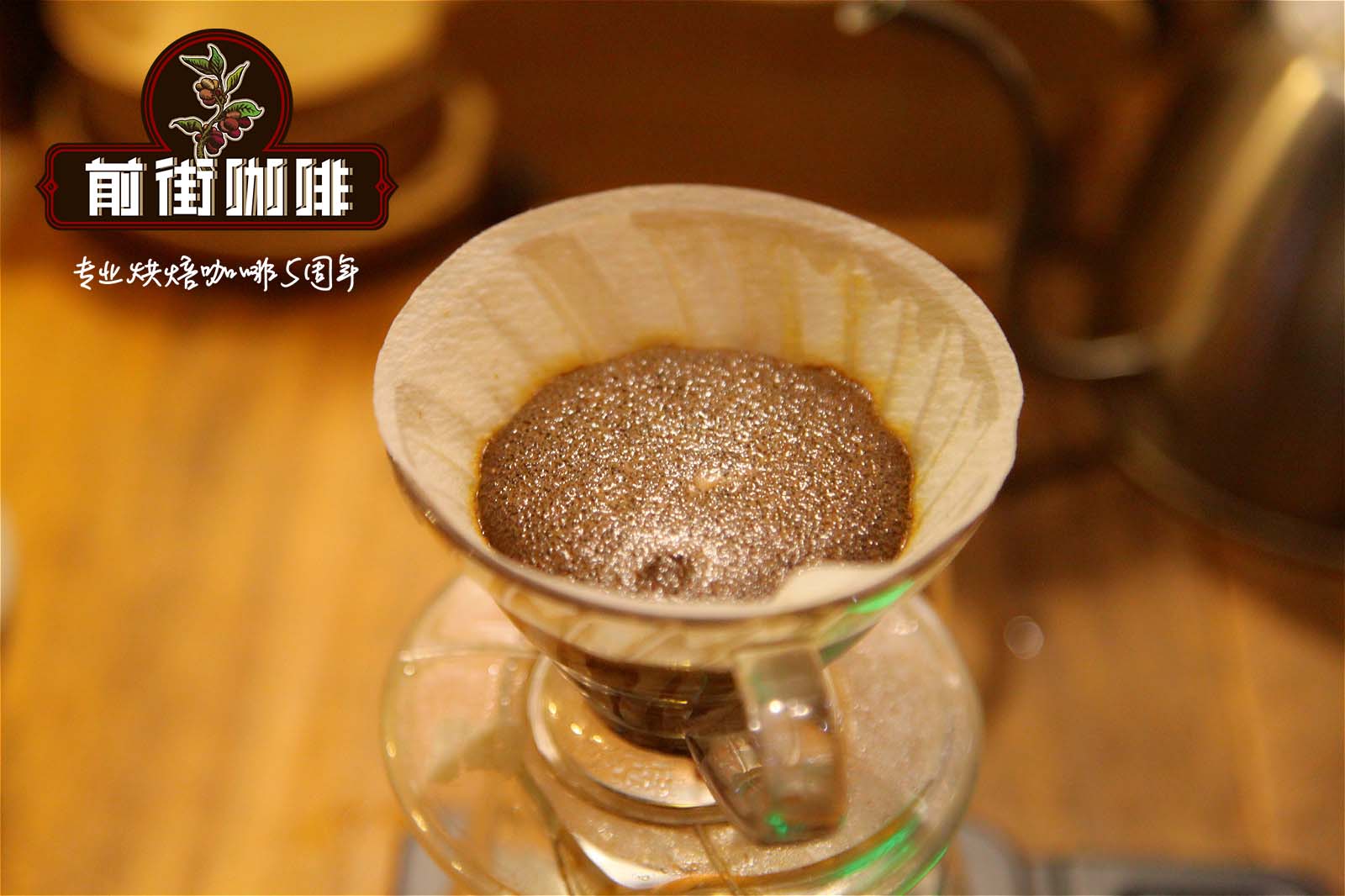
To brew it, FrontStreet Coffee recommends pour-over with 15g of coffee, a 1:15 ratio, a coarse-granulated-sugar grind, water at 87-88 degrees Celsius, and three pours: 30ml to bloom and degas, 100ml to lift the bed and release the golden crema, then a gentle 95ml center pour to boost sweetness, yielding caramel sweetness with chocolate and nut flavors. For espresso, the Classic Blend - Brazil's creamy nut base enriched with medium-dark Mandheling and a touch of Robusta for crema - highlights butter, roasted chestnut, and caramel, working beautifully in lattes and Dirty drinks alike.
Important Notice :
FrontStreet Coffee is a long-established specialty coffee roaster in Guangzhou China, selling freshly roasted beans from its own farm in Yunnan as well as dozens of carefully selected single-origin beans from around the world for both pour-over and espresso. The products deliver consistently excellent quality and great value, with shipping within 24 hours. Guangzhou's FrontStreet Coffee shop is recommended by many coffee lovers, and the beans are now available online at the Tmall 。
FrontStreet Coffee has moved to a new address:
FrontStreet Coffee Address: 315,Donghua East Road,GuangZhou
Tel:020 38364473
 Scan and follow the En Gafei WeChat official account. Please indicate that the reprint comes from "En Gafei".