Daily Brewing | Does the 30-second bloom time start counting from the beginning of water pouring or only after all water has been poured?
Today a visiting enthusiast raised a question for the editor: when exactly does the bloom timing start, from the beginning of the pour or only after the pour is complete?
It is one of those easy-to-overlook questions. I often recommend blooming for about 30 seconds, but I never explained when exactly to start the clock.
So today I will make up for that omission and explain the matter of bloom timing.
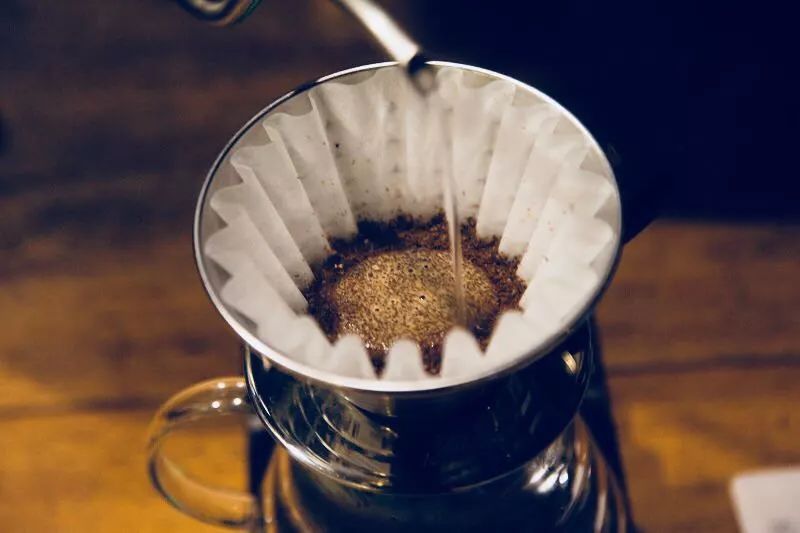
Let me be clear first: in all my videos, brewing demonstrations, and recommended parameters, I start timing only after the pour is complete. In our most common example of 15g of coffee, we typically pour about 30g of water with a bloom time of 25-35 seconds.
For unconventional bloom pouring techniques, which I have not covered much yet, the figure is usually noted as pour time plus bloom time. In any case, the time spent pouring is not counted as bloom time. Pouring and blooming are separate processes with separately calculated times.
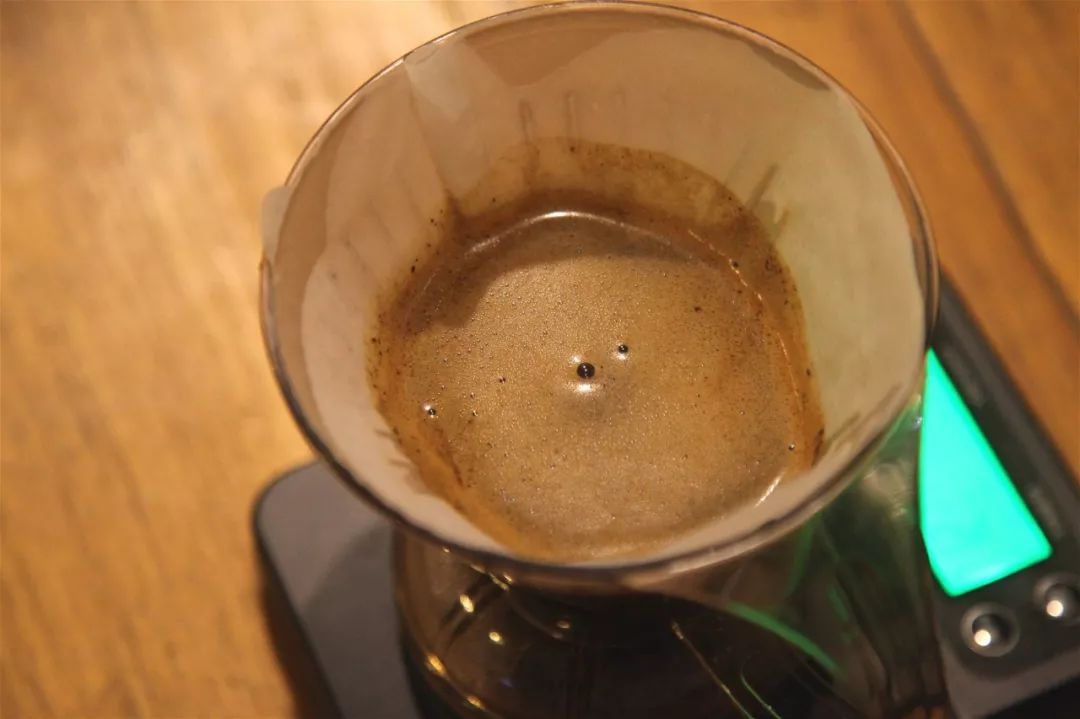
The image above shows the normal pre-bloom pour. I pour 30g of water in about 10 seconds. That means timing starts after the pour is complete: 10 seconds pouring plus 30 seconds blooming equals 40 seconds total. If we started timing from the beginning of the pour, then 10 seconds pouring plus 20 seconds blooming would equal 30 seconds total, 10 seconds short of my standard 30-second bloom recommendation.
The Impact of Bloom Duration on Pour-Over Coffee Extraction
So the question arises: how much does a 10-second difference in bloom time actually affect pour-over extraction?
An Experimental Comparison: 20-Second vs 30-Second Bloom
Experimental variety: Yemen Mocha Mattari. Roast level: medium. Roast date: June 28th, bean resting period: 11 days, essentially at peak flavor development.
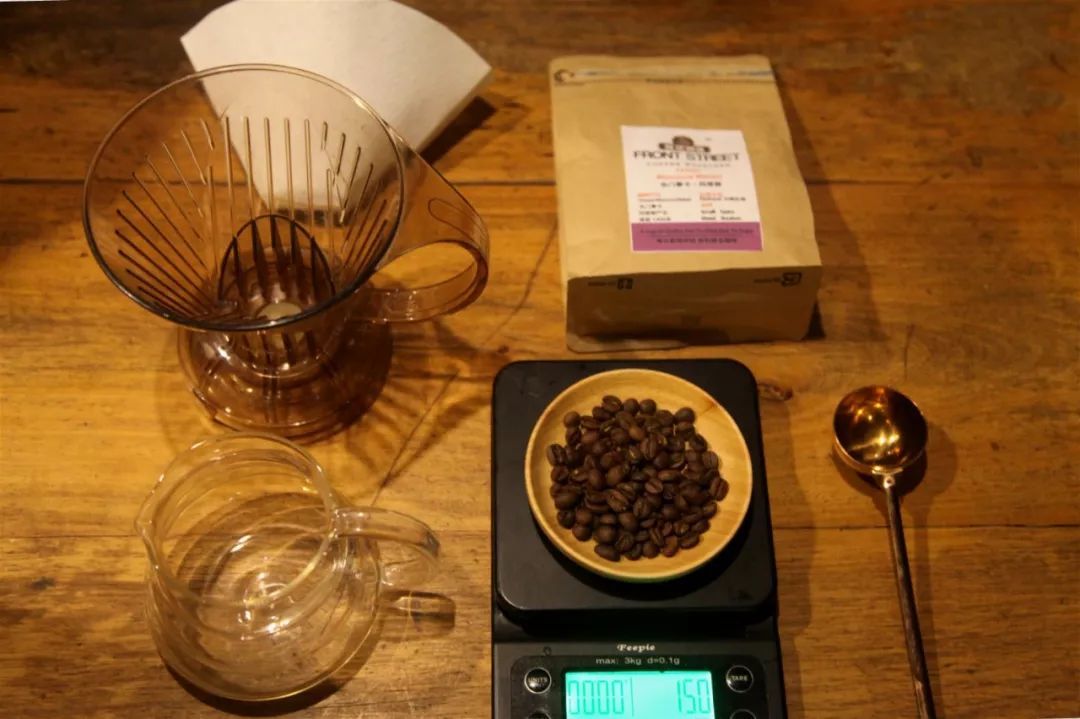
Experimental method: Clever Dripper filter cup, placed on the server during the bloom pour for both upper and lower circulation, simulating a normal filter-cup bloom pour. After the bloom, the server was removed and the plunger closed for immersion extraction, minimizing the impact of subsequent pouring variation on extraction.
Experimental parameters: 15g coffee, total water 225g, water temperature 90°C, immersion extraction for 1 minute 40 seconds then returned to the server for filtering, total extraction time 2 minutes. (All timing starts after the pour is complete.)
Experimental Group 1: 20-Second Bloom
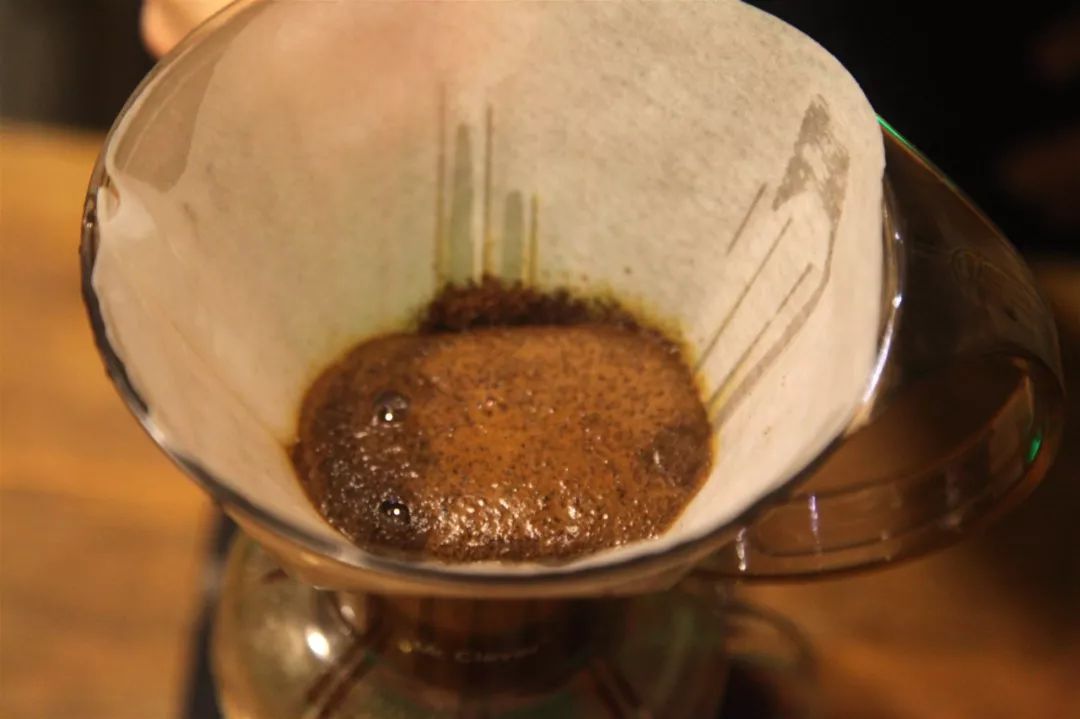
This group simulates timing 30 seconds from the beginning of the pour, with 30g of water poured over 10 seconds plus 20 seconds of bloom. After the bloom, the server was removed and 195g of water added.
Experimental Group 2: 30-Second Bloom
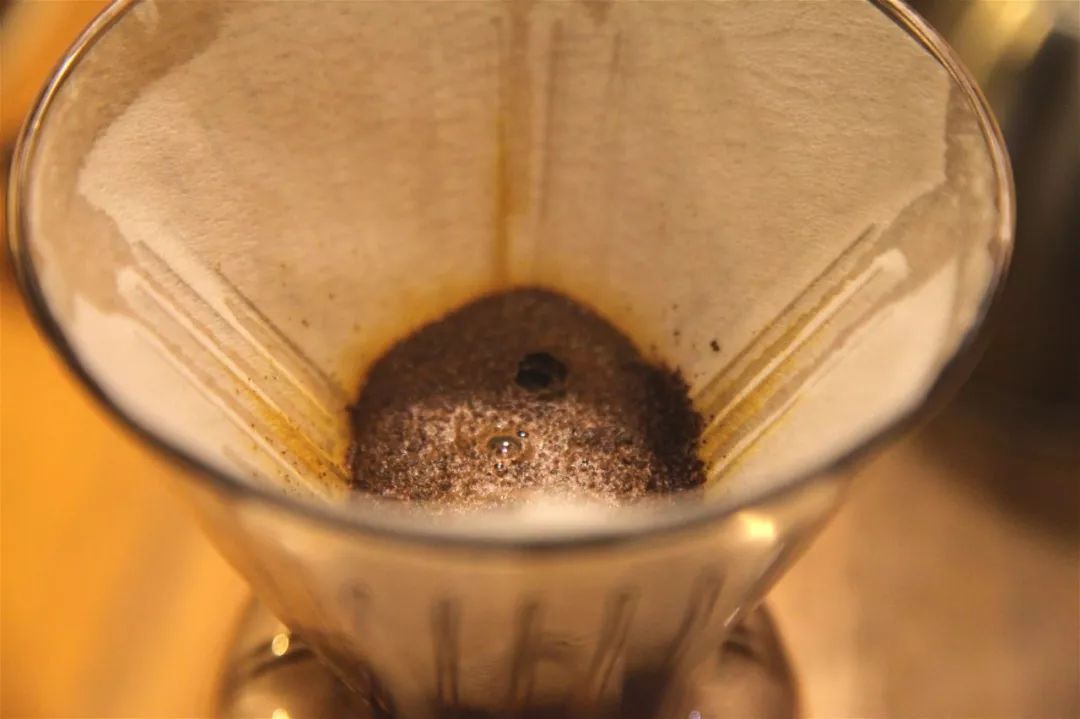
This group simulates timing 30 seconds after the pour is complete, with 30g of water poured over 10 seconds plus 30 seconds of bloom. After the bloom, the server was removed and 195g of water added.
Analysis
1. First, observing the surface during the bloom: at 20 seconds the coffee bed surface still looks relatively glossy and reflective. Only by 30 seconds does it gradually turn matte. From the perspective of bloom mechanics, blooming lets the coffee grounds release gases, promoting even extraction later. When the surface stays glossy, it indicates the bed is still expanding or continuing to release gas. Only when the surface turns matte does it prove that water has begun to seep downward and that the surface layer has reduced its gas emissions, lacking enough support to keep moisture on the surface. At that point the bloom can be considered properly finished.
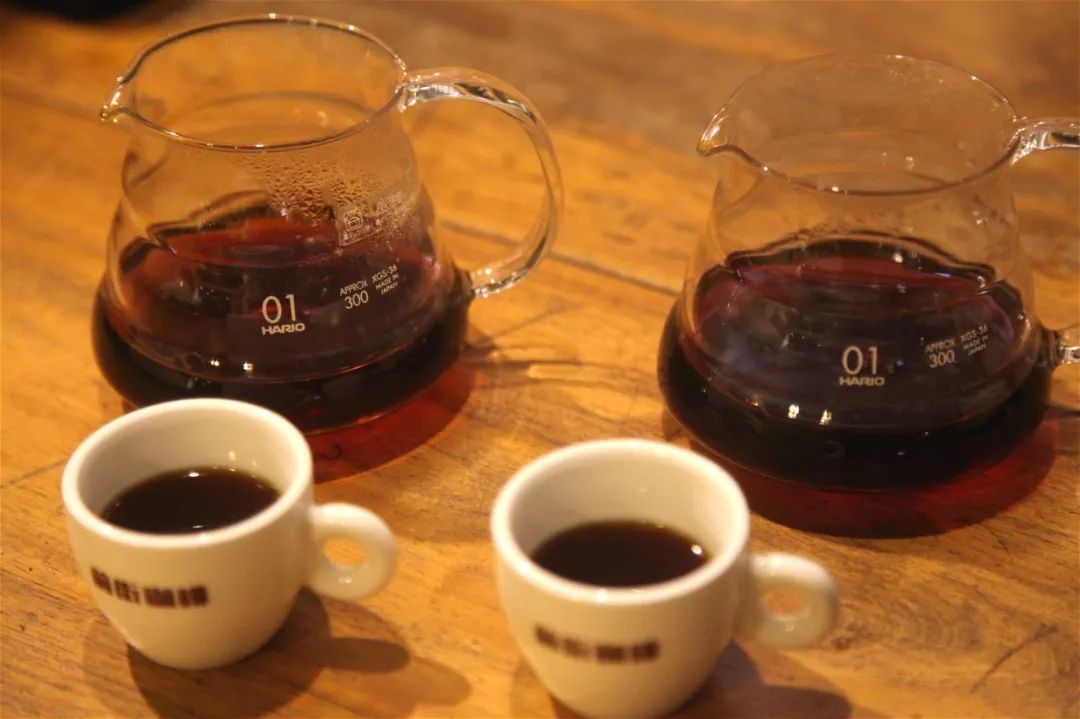
The left side shows experimental group 1 and the right side shows experimental group 2; visually they are basically indistinguishable.
2. Comparative tasting after brewing:
The Yemen Mocha in group 1 showed distinct nutty, chocolate, spice, and red berry flavors, with a slight tea-like finish and medium body.
The Yemen Mocha in group 2 also presented rich nutty, chocolate, spice, and red berry flavors, with a slightly stronger aftertaste than group 1 and a slightly fuller body.
From the tasting comparison above, we can conclude that the difference between a 20-second bloom and a 30-second bloom, that is, timing from the beginning of the pour versus timing after the pour is complete, is not as significant as one might imagine.
Conclusion
Overall, as long as water temperature and grind are correct and the bloom technique is properly executed, slight variations in bloom time within 10 seconds do not affect the overall pour-over result as much as one might think. If the two cups were not tasted side by side, you might not notice the difference at all. The real point of this experiment is not to obsess over 10 seconds of bloom time, but to encourage careful observation of the coffee bed surface during the bloom to judge when it is finished. After all, different roast dates, water temperatures, and grind sizes all affect bloom effectiveness and duration. My recommendation of a 30-second bloom applies to coffee at peak flavor development, with room for a few seconds of variation.
If the beans have rested for a considerable time, for example a month or more, the grounds should be entering the final stages of degassing, meaning they barely expand and collapse quickly after water is added. In that case, don't feel bound by the 30-second recommendation. As soon as you notice the coffee bed surface change from glossy to matte, you can end the bloom and move to the next pouring stage.
After all, there are no absolute standards or definitions for blooming. As we learn pour-over technique, when referring to videos or data, don't forget to observe whether bloom timing is calculated from the beginning of the pour or after it is complete, and adjust to your preferred timing. In my observation, many expert baristas' brewing videos start bloom timing after the pour is complete, so I also recommend using that definition as the standard when sharing technique. Some schools start timing from the beginning of the pour; in that case, simply subtract the pour time to work out the actual bloom duration.
That is all for this installment. If you still have questions about blooming, feel free to leave a message for the editor. If there are any omissions or inaccuracies, everyone is welcome to comment for further discussion.
Looking forward to the next knowledge sharing. Let's work together to improve our professional skills.
Image source: FrontStreet Coffee
FrontStreet Coffee Recommendation
Blooming is one of many variables in pour-over, and the beans shape the result just as much. FrontStreet Coffee's Ethiopia Huakui has become one of the most successful specialty beans in recent years, with a striking tropical-fruit aroma that often recalls strawberry, passion fruit, jackfruit, and lychee, plus obvious sweetness and very little bitterness, giving a smooth, juicy cup that surprises drinkers who expect coffee to be bitter.
FrontStreet Coffee's Yirgacheffe Gutingding is an easy entry point into specialty coffee, with clear citrus, berry, and floral notes and a green-tea-like sweetness; its bright but gentle acidity behaves like the natural sweet-tartness of fruit. For a washed, complex option, FrontStreet Coffee's Kenya Little Tomato from the Thika region at 1,550-1,750 meters uses the classic SL28 and SL34 varieties and a 72-hour double washed fermentation; light-roasted, it delivers ripe cherry tomato and dark plum acidity with pear, black plum, brown sugar, and green tea in the finish.
All of these are comfortable with the approach in this article: a V60 dripper at 90-91°C, 15g of coffee, and a 1:15 ratio. Pour 30g for a 30-second bloom, then add water to about 125g, wait for the bed to fall to about two-thirds, and finish at about 225g, with a total drawdown of roughly 2:00-2:10.
Important Notice :
FrontStreet Coffee is a long-established specialty coffee roaster in Guangzhou China, selling freshly roasted beans from its own farm in Yunnan as well as dozens of carefully selected single-origin beans from around the world for both pour-over and espresso. The products deliver consistently excellent quality and great value, with shipping within 24 hours. Guangzhou's FrontStreet Coffee shop is recommended by many coffee lovers, and the beans are now available online at the Tmall 。
FrontStreet Coffee has moved to a new address:
FrontStreet Coffee Address: 315,Donghua East Road,GuangZhou
Tel:020 38364473
 Scan and follow the En Gafei WeChat official account. Please indicate that the reprint comes from "En Gafei".