What Are the Flavor Notes of Costa Rica CriCita Estate's Pressure Honey Process?
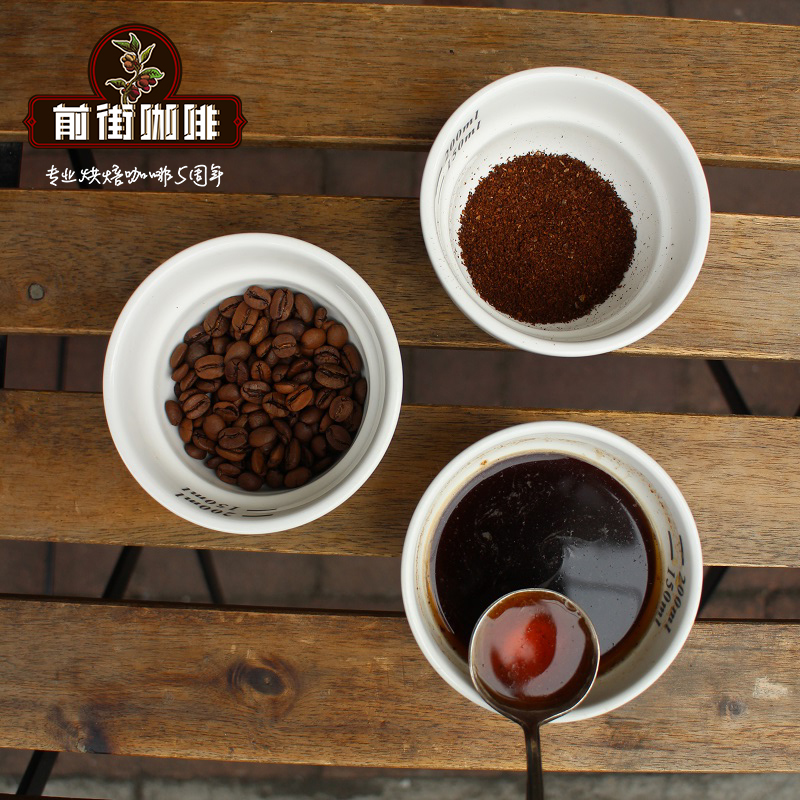
What Are the Flavors of Costa Rica's CriCita Estate Pressure Honey Processing?
Region: Western Valley
Varieties: Caturra, Catuai
Altitude: 1750 meters
Flavor: Green apple, raisin, walnut, brown sugar, raw chocolate, root beer candy
What Is "Pressure Honey Processing"?
100% ripe fruit is harvested by hand and taken to the processing plant, where the pulp is removed and "anaerobic fermentation" begins. Fermentation averages 24 hours, after which the coffee goes to a greenhouse for 4 days to shed the mucilage layer, then onto African beds for 18-20 days of final drying. Finally, the coffee is sealed in barrels.
FrontStreet Coffee's recommended brewing method: Pour-over
Grind size: 3.5 (Japan's small Fuji R440)
V60 dripper, 15g of grounds, water at 90°C, grind size 3.5, coffee-to-water ratio 1:15.
30g of water for the bloom, bloom time 30s.
Segmented brewing: pour to 120g, pause, then slowly pour to 225g.
That is, 30-120-225g.
The Four Key Elements of This Processing Method
1. Shade System
The shade system blocks sunlight effectively, letting the pulp generate more sugars, which gives the coffee more sweetness and a wonderful, bright acidity.
2. Stainless Steel Containers
Beans go into stainless steel containers to ferment immediately after picking, abandoning traditional cement or terracotta vessels. Those older containers absorb coffee flavors rather than holding more of that flavor in the pulp. Stainless steel gives a cleaner cup.
3. Carbon Dioxide
The containers holding the beans are sealed and pressurized with carbon dioxide, ensuring no oxygen remains inside. This guarantees that all the coffee's flavors and aromas stay in the coffee, making its flavor more pronounced.
4. Controlled Temperature
Finally, these containers are placed in a controlled environment, mastering more variables to reproduce consistent bean flavor. Traditional processing is at the mercy of weather, humidity and other factors, which makes it hard to keep each batch consistent.
Pressure honey processing is the anaerobic processing method that is popular now. It is mostly called anaerobic fermentation or pressure honey processing; translated directly from the producing region, it is pressure honey processing. It is similar to winemaking, putting the removed coffee pulp together with mucilage-covered beans into barrels to ferment. The high pressure inside the barrels slows fermentation, and those cinnamon biscuit flavors are products of anaerobic fermentation.
What Steps Does Honey Processing Include?
The honey processing method can be summed up fairly simply.
First, coffee farmers have to select ripe cherries from the trees, then peel off the outer skin while leaving the mucilage layer intact. That mucilage layer holds a high proportion of sugars and acidity, and these sweet and acidic elements are the key to honey processing. The most complex and demanding part of honey processing is drying.
Timing has to be controlled well, and duration is crucial. Dry too briefly and substances from the mucilage layer cannot transfer into the beans. Leave it too long, though, and you risk over-fermentation inside the bean, which produces moldy beans.
So How Do You Achieve Balance?
For the first few days on the drying racks or cement surfaces, the beans must be turned several times every hour until the desired moisture content is reached. This step usually takes 6-10 hours. Over the next 6-8 days they need to be turned at least once daily. Time-consuming, isn't it? Honey processing sun-drying takes that long because the beans absorb moisture from the air every night, which requires more drying time the next day.
Once drying is complete, the coffee can go on to dry milling and roasting, just like any other processing method.
Why Is Honey Processing So Popular Among Coffee Farmers?
Honey processing first drew attention when people saw that it could consistently improve their coffee bean quality. It originated in Costa Rica and is trending now.
Why Did Costa Rican Coffee Farmers First Consider Honey Processing?
When coffee farmers want to improve quality or selling price, they have three choices: change the tree variety, change the growing altitude, or change the processing method. Just as most people brewing coffee reach first for the simpler levers, adjusting grind size and coffee amount before touching water volume, pressure and temperature, most coffee farmers prefer to change the processing method first, ahead of planting new varieties or moving the estate, both of which demand more time and substantial money.
Why Is Honey Processing So Wonderful?
Since honey processing is so hard to do well and takes so long, you might wonder whether it is worth the effort.
Without a doubt, it is.
Honey-processed coffee generally has wonderful sweetness and balanced fruit acidity. The flavor is not as intense as natural processing, but it is fresher and more aromatic. Why not?
The key to these flavor differences comes from the sugars and acidity in the mucilage layer. During drying, the sugars in the mucilage become increasingly concentrated, and they penetrate into the coffee beans.
The steps that follow are not simple either, and they are both time-consuming and demanding on the details.
FrontStreet Coffee Recommendation
Raisin, brown sugar and walnut over a honey-processed Costa Rican lot pair naturally with a mellow, dried-fruit profile, and the FrontStreet Mozart leans exactly that way, with a raisin character that echoes this cup. If you would rather stay in fruit-forward territory, the FrontStreet Strawberry Candy brings a Geisha-like profile, lifting the florals and berry sweetness in a way that makes a fine contrast with the denser, sweeter honey process. Both hold up whether you brew them as a hand-pour or drink them iced.
Important Notice :
FrontStreet Coffee is a long-established specialty coffee roaster in Guangzhou China, selling freshly roasted beans from its own farm in Yunnan as well as dozens of carefully selected single-origin beans from around the world for both pour-over and espresso. The products deliver consistently excellent quality and great value, with shipping within 24 hours. Guangzhou's FrontStreet Coffee shop is recommended by many coffee lovers, and the beans are now available online at the Tmall 。
FrontStreet Coffee has moved to a new address:
FrontStreet Coffee Address: 315,Donghua East Road,GuangZhou
Tel:020 38364473
 Scan and follow the En Gafei WeChat official account. Please indicate that the reprint comes from "En Gafei".