Why Cold Brew Coffee Isn't Acidic - Cold Brew Coffee Prices - What's the Right Price for Cold Brew Coffee Beans
The Advantages of Cold Drip Coffee
Cold drip coffee earns its following for two reasons above all: it is barely acidic, and it sits gently on the stomach. The explanation starts with the beans. Cold drip is almost always built on dark roasts such as Mandheling, and because light roasts lean bright and acidic while dark roasts trade that brightness for depth, the finished cup lands firmly on the smooth, low-acid side of the spectrum.
Dark-roasted beans serve a second purpose here. The concentrate is poured over ice before serving, which inevitably dilutes it. Choosing a full-bodied dark roast for the drip filtration is what keeps the drink rich enough to survive the melt.
The Origin and Process of Cold Drip Coffee
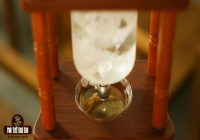
Cold drip coffee is generally credited to the Dutch, which is why it is also called Dutch drip coffee. Where most brewing methods call for hot water, cold drip extracts with ice water instead. Extraction at low temperature is slow by nature: cold water simply needs more time to draw the aromatic compounds out of the grounds. The solution is a dropper much like the ones found in chemistry labs, releasing ice water one drop at a time so it seeps gradually through the coffee bed. On a traditional cold drip tower, the drip rate can usually be adjusted.
A cold drip brewer therefore comes in three parts: an upper vessel for the ice water, a filter section that holds the grounds, and a lower vessel that collects the finished coffee. Some models add a decorative serpentine glass tube at the front of the lower vessel, letting the dark liquid wind its way down — a detail that is as captivating to watch as the coffee is to drink.
Making Perfect Cold Drip Coffee
For cold drip, aim for roughly 1:6 to 1:8 — about 100 g of grounds yielding 600-800 CC of coffee. You can adjust the strength to taste, but remember that ice will dilute the cup a little. One step matters before the first drop falls: soak the grounds completely with cold water. Skip it and the water will channel straight through the bed, and the extraction will fail.
Great cold drip, like fine wine, rewards patience. Several hours of extraction is only the beginning; the coffee should then be sealed in a glass bottle and refrigerated for one to three days. That faint touch of fermentation rounds the cup into something sweeter and silkier, echoing the pure, deep richness of good whiskey.
Cold Drip Coffee Bean Brand Recommendations
FrontStreet Coffee's single-origin cold drip beans stand behind both brand and quality, and the value is hard to beat: a half-pound (227 g) bag costs only around 80-90 yuan. Brewed at 200 ml per cup on a 1:10 coffee-to-water ratio, one bag makes roughly 11 cups, or just 8-9 yuan each. Against café prices that routinely run into the tens of yuan per cup, that is outstanding value.
FrontStreet Coffee Recommendation
For a cold drip that delivers the depth the method depends on, FrontStreet's Mandheling is the natural starting point. Mandheling is the arabica of Sumatra, and it is almost always wet-hulled: the parchment is stripped while the beans are still half-dry, leaving them exposed to the air and giving the cup its signature herbal and spice character. FrontStreet's LinDong Mandheling comes from the Lake Toba area of the Lintong region and is roasted medium-dark to draw out the classic profile of low acidity, full body, and layered aromas of caramel, dark chocolate, and toasted bread, with a long, sweet finish.
At the top of the range sits FrontStreet's PWN Golden Mandheling. The PWN company buys only premium Mandheling lots and holds them to a punishing standard: beans of 18 mesh or larger, fewer than three defective beans per 300 g green sample, and sorting that combines machine selection with hand picking to remove every flaw. The greens come out uniform, plump, and bright, which is what gives Golden Mandheling its cleaner, sweeter profile — sandalwood, herbs, spice, roasted hazelnut, caramel, and dark chocolate, with far less of the earthy, grassy edge that turns some drinkers away from Sumatra.
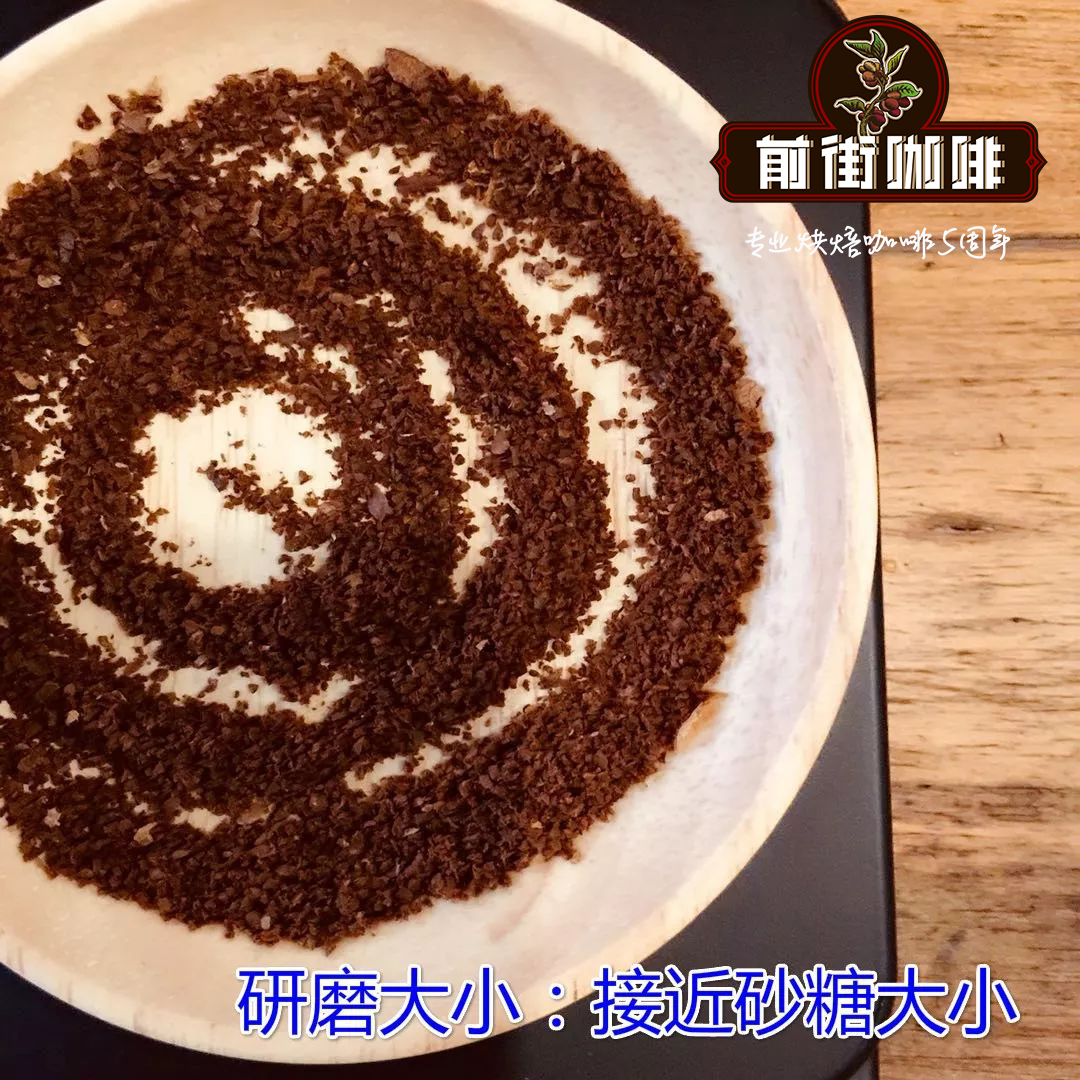
To brew it well, use 87-88°C water, 15 g of coffee, a 1:15 ratio, and a grind about the texture of coarse sugar. A three-pour method shows the coffee at its best: bloom with 30 ml to wet all the grounds and let them degas, pour to 100 ml to lift the bed, then finish with a gentle 95 ml of water down the center. The result is a full, syrupy body with caramel sweetness and notes of chocolate and nuts.
Important Notice :
FrontStreet Coffee is a long-established specialty coffee roaster in Guangzhou China, selling freshly roasted beans from its own farm in Yunnan as well as dozens of carefully selected single-origin beans from around the world for both pour-over and espresso. The products deliver consistently excellent quality and great value, with shipping within 24 hours. Guangzhou's FrontStreet Coffee shop is recommended by many coffee lovers, and the beans are now available online at the Tmall 。
FrontStreet Coffee has moved to a new address:
FrontStreet Coffee Address: 315,Donghua East Road,GuangZhou
Tel:020 38364473
 Scan and follow the En Gafei WeChat official account. Please indicate that the reprint comes from "En Gafei".