Cold Drip Coffee Bean Recommendations: Yirgacheffe, Mandheling, Kenya Cold Drip Coffee Beans Flavor and Taste Characteristics

Pour-over coffee is always delicious, provided you master a few details. But maybe it is time to change things up with a cup of cold drip coffee. FrontStreet Coffee's cold drip has always been popular, especially on a hot summer day, when a glass is just perfect. Even in cooler weather, a cold drip is still wonderfully refreshing.
The Difference Between Hot and Cold Extraction
Cold drip coffee, as the name suggests, is brewed with low-temperature water. The pour-over coffee we usually drink is brewed with high-temperature water, and the two are completely different methods. The advantage of high-temperature extraction is that it quickly pulls flavor compounds from the coffee, causing the tannic acid in coffee to break down rapidly into pyrogallic acid and producing sweet, sour, and bitter tastes - what FrontStreet Coffee often calls the release of coffee flavors. Its disadvantage is that it can easily go too far, after which the woody fiber taste of the beans starts to come through, giving the off-flavors and woody notes we try to avoid.
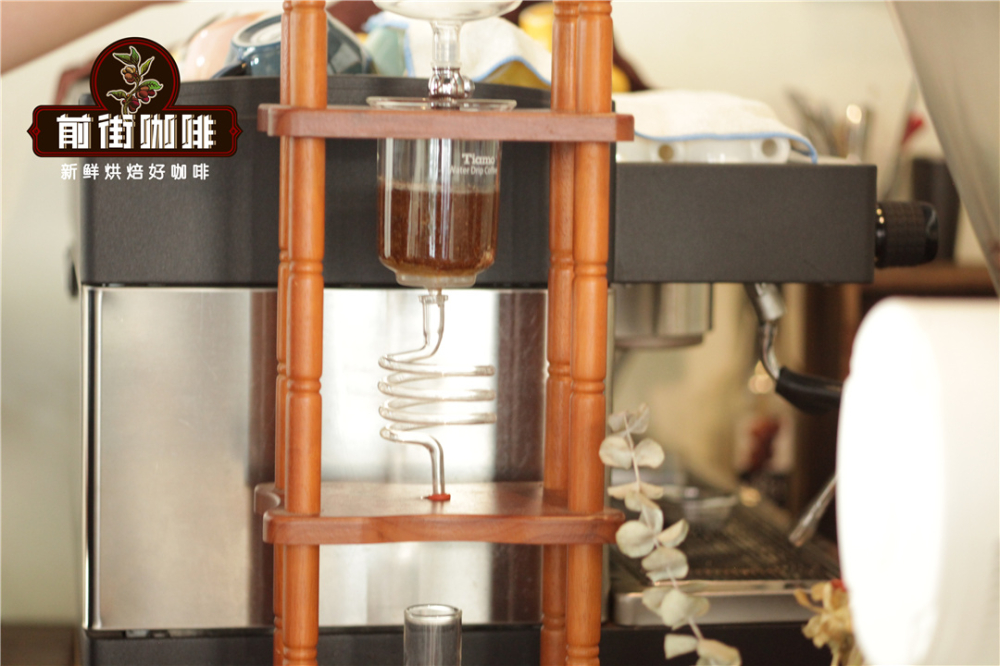
Low-temperature coffee extraction uses near-zero-degree ice water, which reduces the volatilization of coffee aromatics under cold conditions and keeps as much of the aroma as possible in the liquid. When it reaches your mouth, the coffee warms up and the aroma held in the liquid bursts out, letting the drinker experience intense aroma at the back of the tongue. That sudden aromatic explosion brings a great deal of pleasure. The drawback is the longer production time, and the finished cold drip cannot be drunk right away - it must rest in the refrigerator for more than 12 hours so the flavor molecules extracted at low temperature can fully release.
Origin and History of Cold Drip Coffee
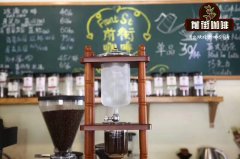
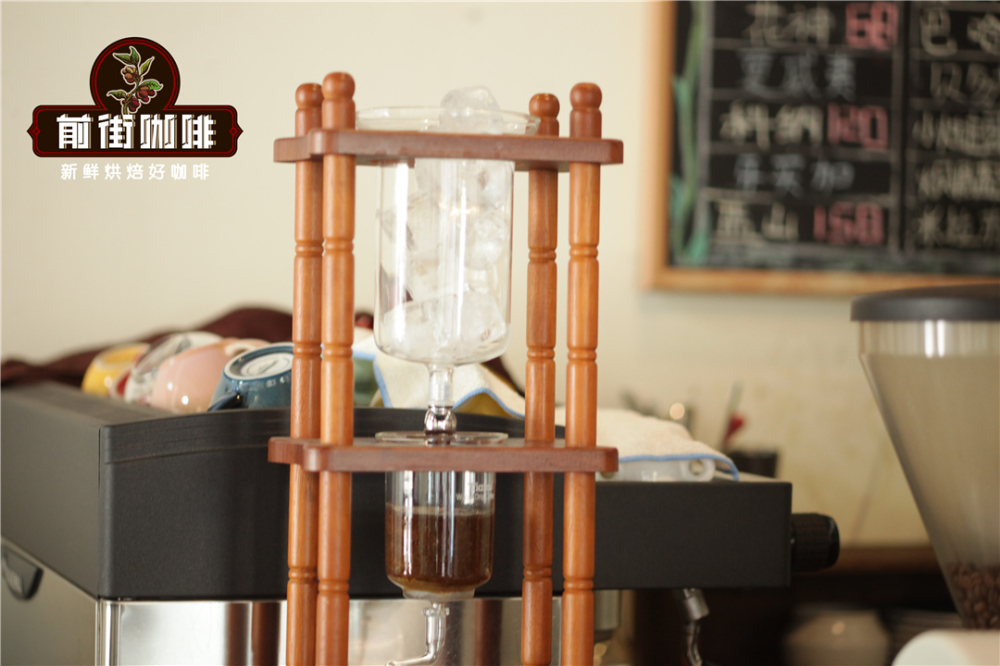
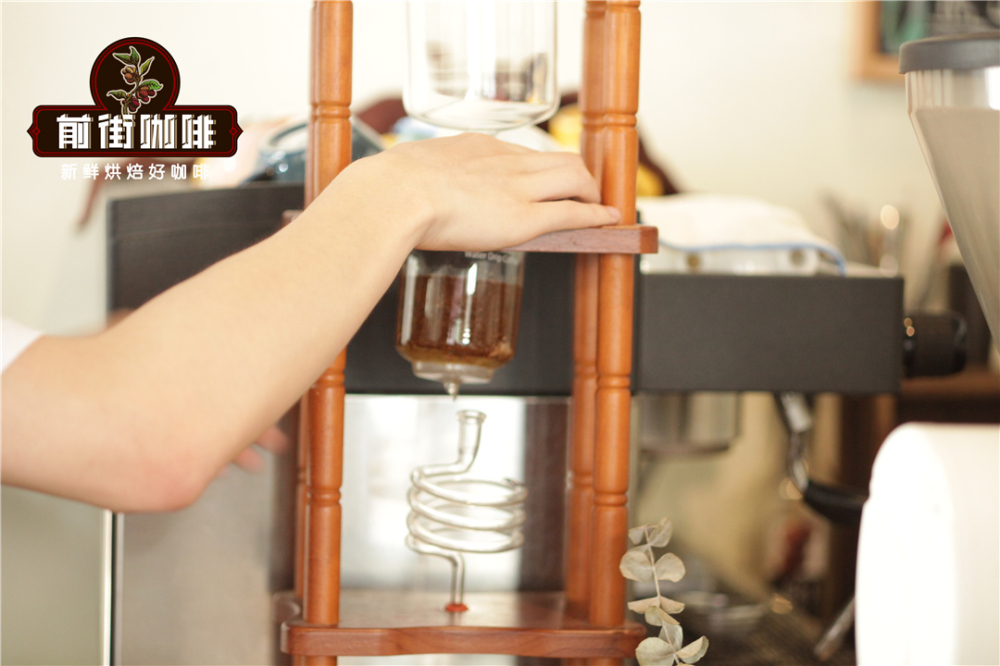
So how did cold drip coffee come about? According to FrontStreet Coffee's understanding, cold drip coffee was invented by the Dutch, which is why it is also called Dutch drip coffee. Unlike other brewing methods that require hot water, cold drip uses ice water to extract the coffee. Low-temperature extraction needs more time to dissolve the aromatic substances from the coffee, so a dropper similar to those used in chemistry lets ice water fall drop by drop, slowly infiltrating and permeating the coffee grounds. Traditional cold drip makers commonly seen allow the dripping speed of the water droplets to be controlled. Cold drip coffee is also known as water drip coffee or ice-brewed coffee, and it is a way of making a coffee beverage. Common cold coffee drippers consist of 3-4 layers of glass containers mounted on a wooden stand.
Extraction Principles of Cold Drip Coffee
Pour-over coffee is brewed using specified high-temperature water, time, and coffee-to-water ratio - simple and quick. Cold drip coffee, by contrast, is a coffee that develops over time. We know that choosing different water temperatures results in different tastes, and at low temperatures the astringent substances in coffee are less likely to dissolve. Using ice water for long extraction and then refrigerating the brew afterward to ferment, the lightly fermented cold drip has a gentle fermented aroma and a more substantial texture. Because it is not extracted at high temperature, fewer impurities come through and the caffeine content is slightly lower. For anyone sensitive to caffeine, FrontStreet Coffee suggests cold drip coffee - it is gentler on the stomach, lower in caffeine, and still offers rich layers of coffee flavor.
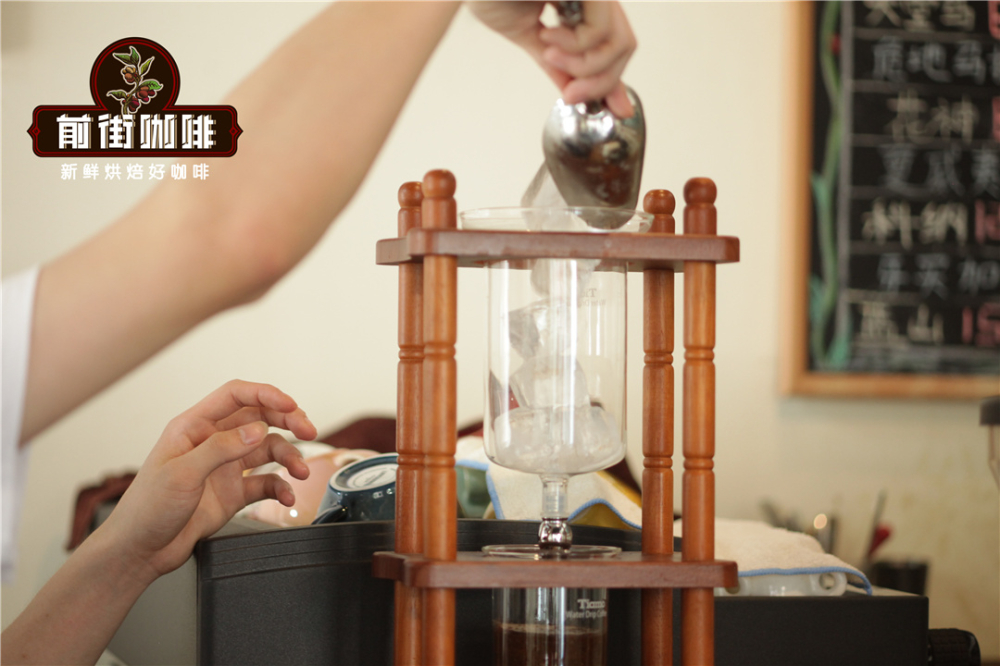
Choosing Coffee Beans for Cold Drip Coffee
What kind of coffee beans suit cold drip? Pour-over coffee has fairly broad requirements for bean selection - almost any coffee bean can be pour-over brewed, though different roast levels call for slightly different methods. Espresso has certain requirements, for example a darker roast than pour-over beans, meaning medium-dark or darker, otherwise the espresso flavor can be hard to accept. Of course, if you like light-roast espresso, that is another story.

What about cold drip? Which beans suit it better? Normally, beans used for pour-over also work for cold drip. In fact, FrontStreet Coffee thinks making cold drip mainly comes down to personal taste. That said, FrontStreet Coffee recommends single-origin beans for cold drip, which effectively cut bitterness and tannic acid and give a rich, smooth texture that is neither acidic nor harsh on the stomach. Sometimes two or more single-origin beans are used together. Compared with cold brew coffee, cold drip has more aroma and a more delicate, subtle taste.
Because cold drip uses a longer cold-water permeation extraction, FrontStreet Coffee suggests choosing beans with stronger flavors, such as FrontStreet Coffee Kenya or FrontStreet Coffee Ethiopia Yirgacheffe and other beans with distinct personalities. Coffee extracted this way has great character.
FrontStreet Coffee's Cold Drip Coffee Recipes
Below, FrontStreet Coffee shares the cold drip recipes it makes most often.
1. Dark Berry Type
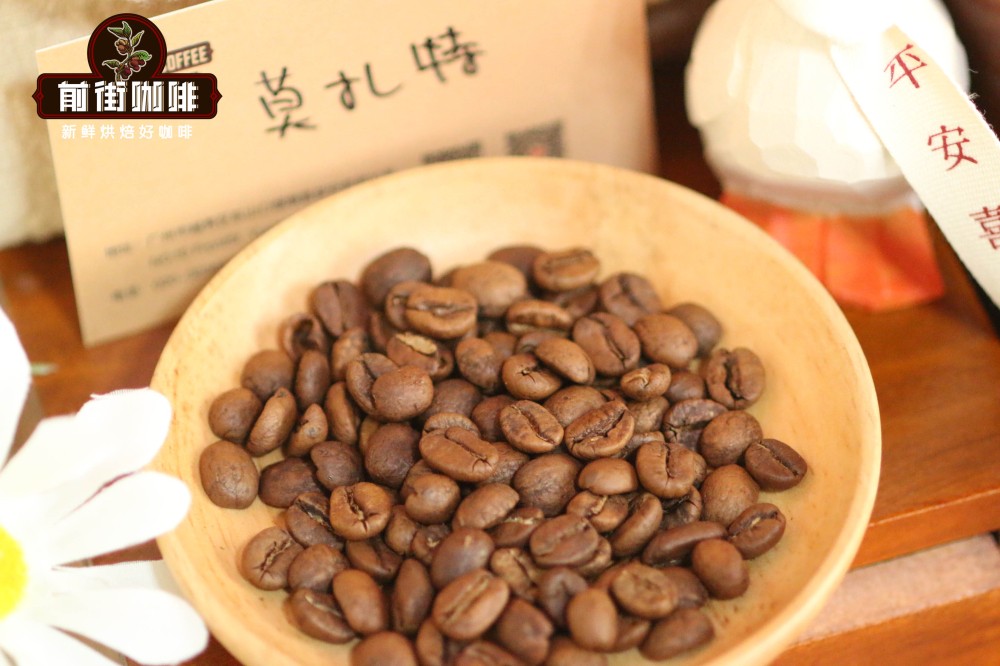
60g of FrontStreet Coffee Costa Rica Mozart. FrontStreet Coffee Mozart beans use anaerobic honey processing and have a very special raisin aroma. In cold drip they show very obvious blueberry, black grape, and wine-like fermented flavors, with a refreshing taste and a lingering aroma.
2. Refreshing and Clean Type
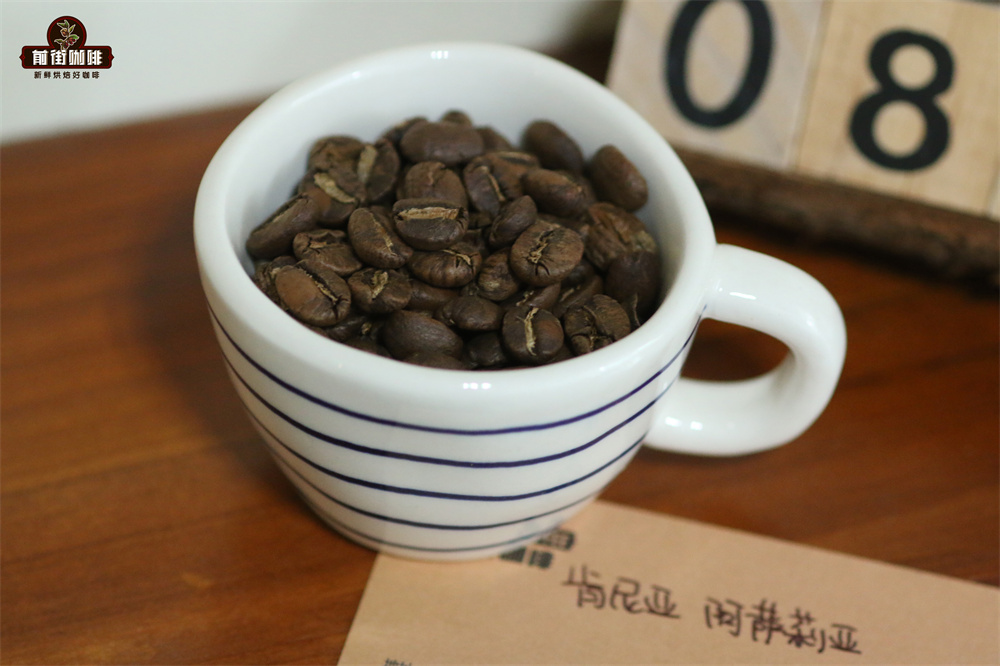
60g of FrontStreet Coffee Kenya Asalia. Asalia's acidity is very lively, overall like a glass of juice. In cold drip it has the fresh aroma of cherry tomatoes and grapefruit, with a refreshing, light acidity that is perfect for summer drinking.
3. Sweet and Delicious Type
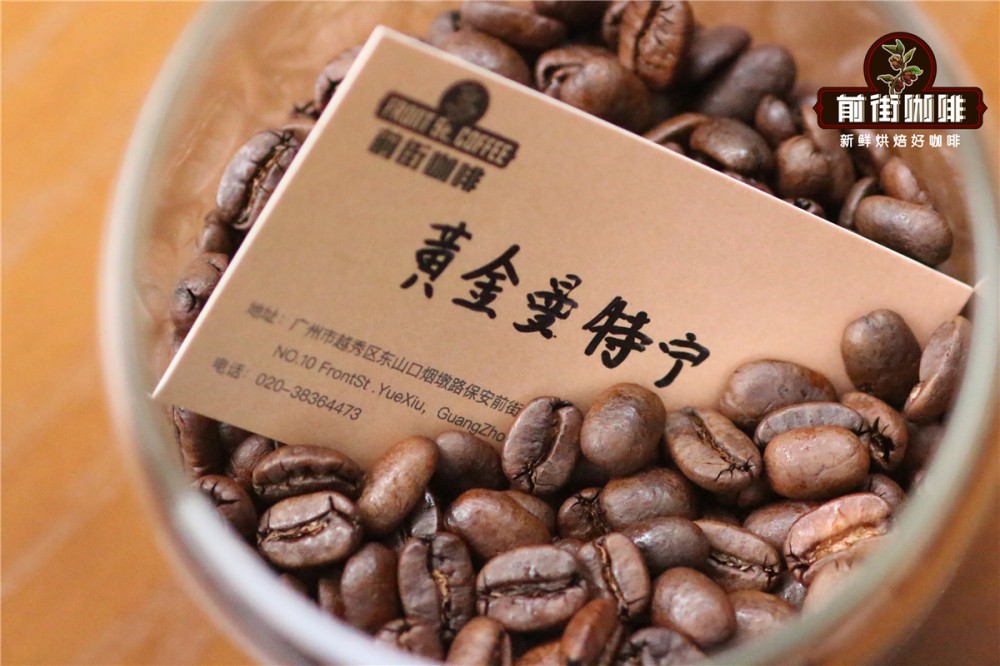
60g of FrontStreet Coffee Indonesia Golden Mandheling. Few shops use dark-roasted coffee for cold drip. If you have not tried it, you might expect a dark roast to turn bitter, but that is not the case. Using FrontStreet Coffee's cold drip method, then resting it in the refrigerator for 24 hours and serving with ice, FrontStreet Coffee Golden Mandheling cold drip comes through with sweetness and a hint of chocolate bitterness, overall very clear, with a rich, comfortable fermented aroma.
FrontStreet Coffee's Blended Bean Cold Drip Coffee Recipe
To make each cold drip coffee more prominent and balanced, baristas usually blend two coffees together. The goal is to highlight certain flavor characteristics of the cup - one bean provides aroma, the other provides flavor.
For example:
20g of FrontStreet Coffee Honduras Lychee Lan + 40g of FrontStreet Coffee Geisha Village Red Label
The barrel-treated FrontStreet Coffee Lychee Lan plus natural-processed FrontStreet Coffee Geisha Village Red Label brings a light brandy aroma and plum-like acidity paired with maple sweetness.
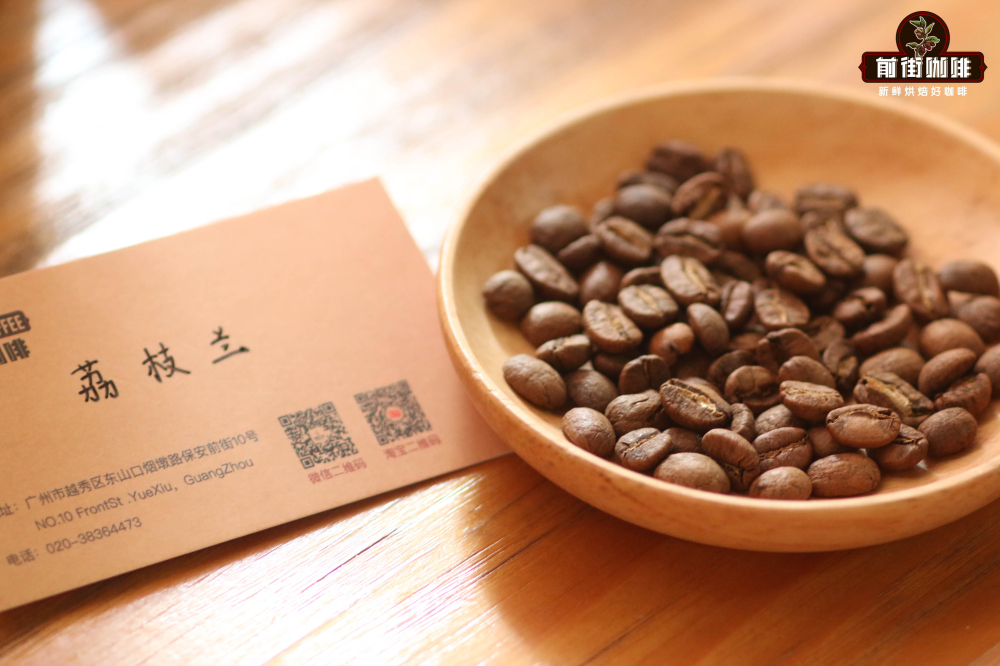
FrontStreet Coffee Lychee Lan, brandy barrel-processed, has a rich brandy aroma, a chocolate aftertaste, and a honey finish.
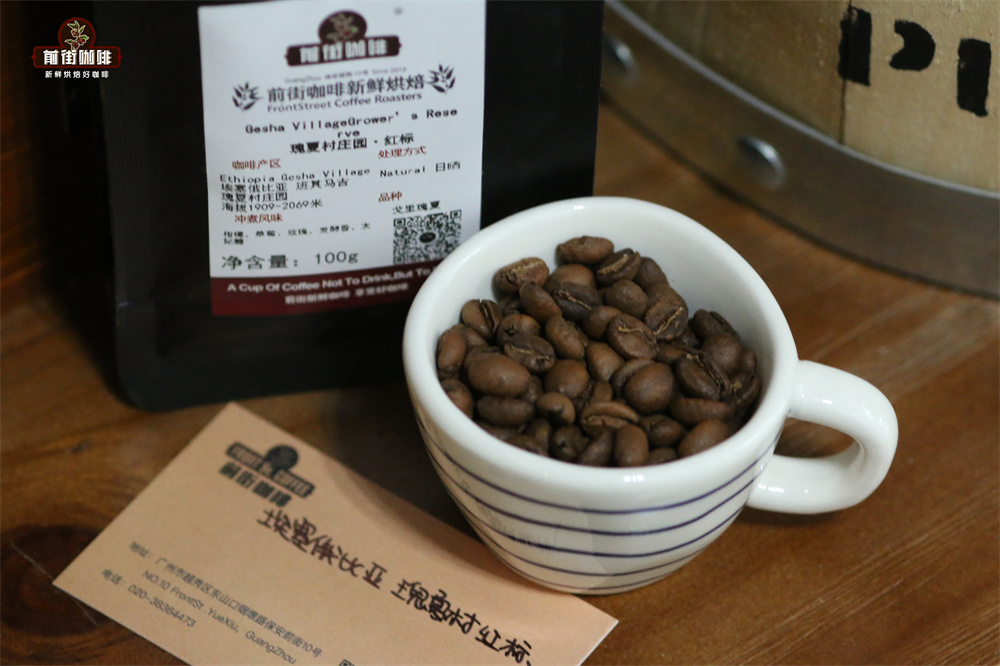
FrontStreet Coffee natural-processed Geisha Village Red Label has plum and citrus fruit acidity, carrying maple sweetness and a creamy, smooth texture.
Made into cold drip, you feel a light brandy aroma and rich fruit acidity leading into honey sweetness and a creamy, smooth texture.
Cold Drip Coffee Making Tutorial
This time, FrontStreet Coffee will use Costa Rica Mirasu Estate's FrontStreet Coffee Geisha blend and Honduras whiskey barrel-fermented FrontStreet Coffee Sherry to demonstrate cold coffee making.
Step 1
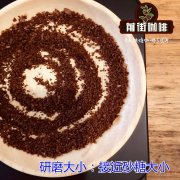
Place a circular filter paper at the bottom of the ground coffee chamber, wet it with water to fit the cup wall, add 60g of ground coffee (FrontStreet Coffee uses a Chinese standard #20 sieve, 75% pass rate, slightly coarser than pour-over grind), then shake the coffee surface level, or use the tamper's own weight to lightly press the powder layer flat.

Step 2
Place a piece of filter paper over the coffee grounds layer. The tension of the filter paper lets water distribute evenly across the coffee surface for extraction; without it, long-term dripping would create a pit in the coffee bed.
Step 3
Use ice water for "pre-infusion," evenly moistening the entire coffee layer with ice water. This step is similar to the bloom in pour-over coffee, improving extraction efficiency and finished-product consistency.
Step 4
Place a 1:1 ice-water mixture in the water container, adjusting the valve to approximately 7 drops every 10 seconds.
Step 5
After completion, pour the coffee liquid into a sealed glass bottle and place it in the refrigerator to oxidize overnight, allowing the flavors to meld for a better, easier-drinking cup.
The Importance of Post-Extraction Resting
Pour-over coffee or espresso can be tasted immediately after being made, but is cold drip the same? The answer is no.
Cold drip coffee must be refrigerated for more than 12 hours after dripping is complete. Why? FrontStreet Coffee believes this is an oxidation process. Just like freshly roasted coffee beans, roughly 2% of the weight is carbon dioxide, and this carbon dioxide is released according to the storage environment, equipment, or method, making the pressure inside the packaging higher than one atmosphere. That pressure helps aromatic substances and oils fuse, bringing all the aromatics inside the beans to a state where they are easily extracted.
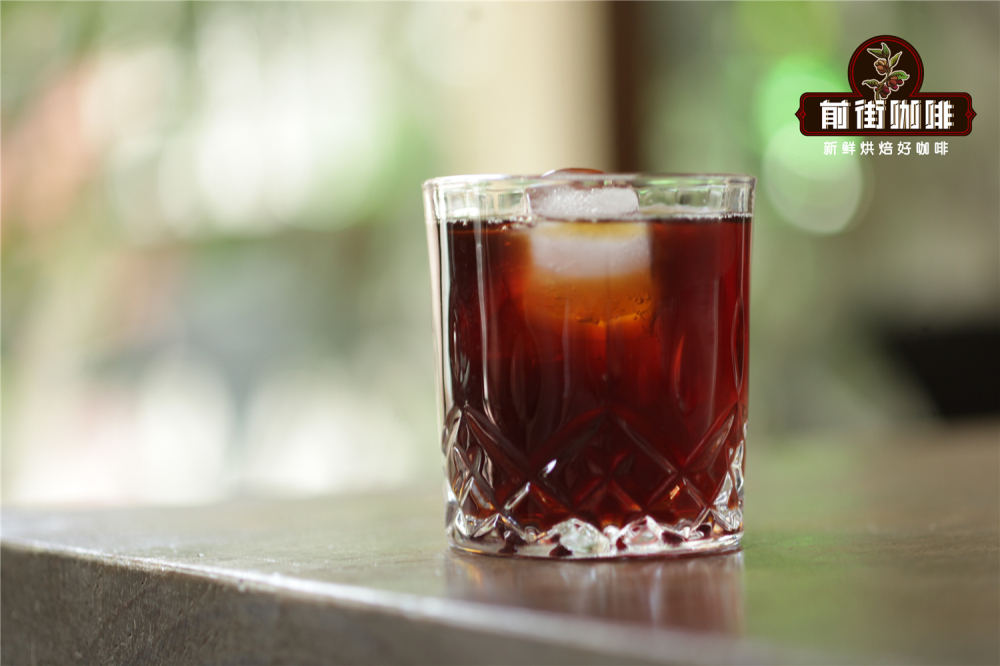
The same applies to cold drip coffee. Because of the long extraction time, many flavor molecules are extracted but not well released. So when extraction is complete, place the coffee in a sealed bottle in the refrigerator to rest for 12-24 hours, allowing carbon dioxide pressure to build inside the bottle and release flavor molecules. This is also why cold drip coffee becomes richer the longer it stays in the refrigerator. That said, it does not keep indefinitely. FrontStreet Coffee does not recommend keeping cold drip for a week - after all, there are bacteria in the air or in the bottle, and the coffee's state after long storage is hard to guarantee. The drinking window for cold drip is best kept within 72 hours; after that, do not feel wasteful about discarding it, because coffee kept this long may not be good for your health.
FrontStreet Coffee Recommendation
Cold drip rewards beans with clear, vivid flavor, and an Ethiopian washed coffee is one of the best places to start. FrontStreet Coffee's washed Yirgacheffe staple is known for white jasmine, bright citrus and lemon acidity, and a tea-like body, and its accessible price made it the first specialty bean for many drinkers - ideal when you want a clean, aromatic cold drip.
If you would rather have fruit and florals in the cup, FrontStreet Coffee's Sun-Dried Red Cherry is dried on raised beds for three to five weeks from fully ripe red cherries, giving the typical Yirgacheffe character together with a tropical fruit aroma, citrus-like acidity, a berry-juice quality, honey sweetness, and a creamy smoothness. Both suit the long, gentle cold-water extraction described above.
Important Notice :
FrontStreet Coffee is a long-established specialty coffee roaster in Guangzhou China, selling freshly roasted beans from its own farm in Yunnan as well as dozens of carefully selected single-origin beans from around the world for both pour-over and espresso. The products deliver consistently excellent quality and great value, with shipping within 24 hours. Guangzhou's FrontStreet Coffee shop is recommended by many coffee lovers, and the beans are now available online at the Tmall 。
FrontStreet Coffee has moved to a new address:
FrontStreet Coffee Address: 315,Donghua East Road,GuangZhou
Tel:020 38364473
 Scan and follow the En Gafei WeChat official account. Please indicate that the reprint comes from "En Gafei".