Famous Guatemala Antigua Region Santa Clara Estate Coffee Beans Flavor Profiles Across Different Roast Levels
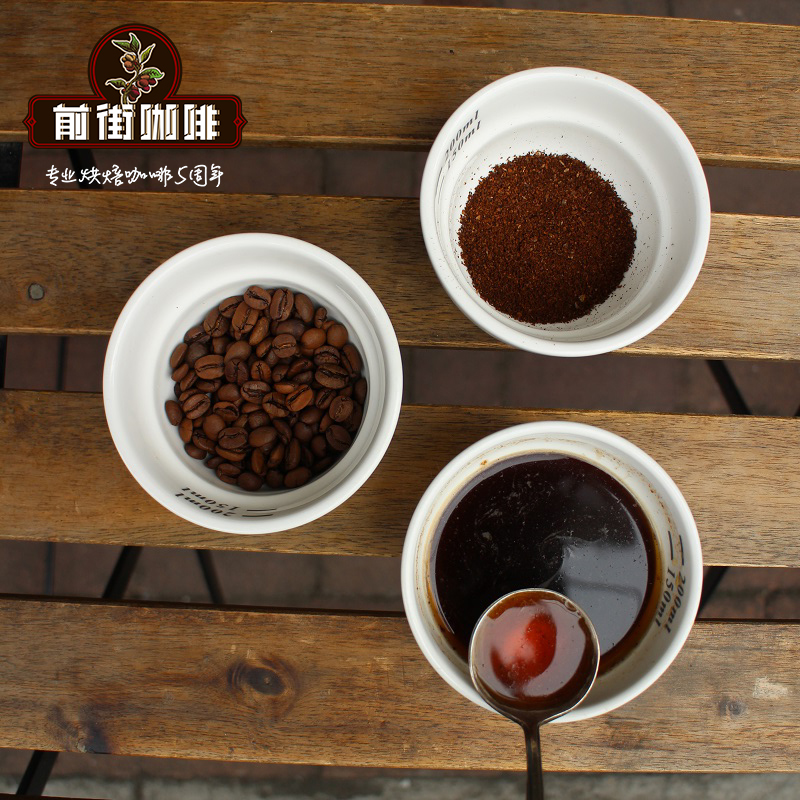
What are the flavor characteristics of the famous Guatemala Antigua region's Santa Clara Estate coffee beans at different roast levels? How do you brew it?
Guatemala coffee was introduced by missionaries in 1750 AD. Later, in 1860 AD, Germans expanded the entire industry. Today, approximately 60,000 family-run farms operate coffee businesses in Guatemala. Coffee is grown in the Sierra Mountains near the Pacific coast. This Sierra range spans the whole country, connecting upward to the Rocky Mountains and downward to the Andes.
Because regional climates vary significantly, and because soil, rainfall, humidity, altitude and temperature differ from place to place, Guatemala has seven distinct regional coffee varieties: Antigua, Fraijanes Plateau, Rainforest Cobán, Highland Huehuetenango, Atitlán, Volcán San Marcos and Oriente. Among these, Guatemala is world-famous for its Antigua coffee.
Most coffee produced in Guatemala is Arabica, processed using the washed method. The growing altitude ranges from 2,300 to 5,600 feet, and harvesting is almost entirely done by hand. Coffee can be harvested year-round, but the main harvest period runs from July to April of the following year.
Guatemala Antigua Coffee - Genuine Antigua Coffee
Region/Grade: Antigua / Screen 17+
The world-renowned Antigua coffee has a fragrance like ripe berries — intense and rich.
Active volcanoes that erupt approximately every 30 years make the already fertile soil even richer in nutrients, giving the coffee a unique and strong tobacco flavor. The smooth bitterness combined with that captivating tobacco taste creates a fuller, more complete experience.
Why Guatemala Antigua Coffee is labeled "Genuine Antigua"
Among Guatemala's producing regions, Antigua is famous for being the finest. Antigua's soil contains rich sulfur components, cultivating aromatic fragrances and exquisitely balanced flavors. Coffee from this regional origin always commands high favor, with people willing to pay premium prices to obtain it. As a result, many fake beans bearing the Antigua name appear on the market. Taking the situation extremely seriously, farm owners within the Antigua region established the Genuine Antigua Producers Association (APCA) to prevent such abuses and maintain the region's quality. Officially recognized excellent farms are listed below, with APCA membership printed on their jute bags during shipment. "GENUINE" means "authentic," so "Genuine Antigua" means "authentic Antigua."
This Central American country has the best coffee-growing environment, with a perfect combination of altitude, fertile soil and climate during the growing period. Coffee produced in the Guatemala-Antigua region is the most famous; when it is mentioned, people think of its distinctive smoky flavor and milk chocolate sweetness. The highest-quality Antigua coffee is the Guatemala Antigua High Mountain Volcanic bean produced by small farms in the volcanic region.
Flavor Characteristics at Different Roast Levels
Light Roast City (Fragrant): Hazelnut flavor with blueberry aroma, grapefruit acidity that is subtle and bright, and a smooth mouthfeel. The sweetness at this roast level is hawthorn fruit-like.
Medium Roast (General B): Hickory nut aroma, acidity becoming very gentle with a slight lift at the end, a lighter mouthfeel, milk chocolate sweetness, and an aftertaste carrying peanut powder notes.
Dark Roast (General C): Chocolate replaces the hazelnut aroma, acidity appears only after cooling, the mouthfeel is moderately viscous and smooth, the sweetness is like malt sugar after baking, and a delicate smoky flavor appears in the aftertaste.
Roasted a little stronger (Full-City+ or dark), the chocolate and cocoa aromas are very attractive while the mouthfeel still maintains refined, clean and subtle characteristics.
Guatemala Antigua Santa Clara Estate
Guatemala Antigua Santa Clara SHB
Guatemala Antigua Volcanic Region
Region: Antigua
Producer: Santa Clara Estate
Altitude: 1,600-1,830 meters
Variety: Bourbon
Processing: Washed
Grade: SHB
Flavor Description: The dry aroma is warm almond, toffee caramel and roasted nuts. On sipping, you experience rich citrus fruits including pomelo, orange juice, lime, grapefruit and navel orange, accompanied by plum aroma and caramel. The finish is sweet hazelnut.
Santa Clara Estate is located in the Antigua region of southern Guatemala, with cultivation concentrated in the Antigua Valley, surrounded by three volcanoes: Acatenango, Agua and Fuego. The volcanic ash these volcanoes emit is rich in minerals, supplying abundant nutrients to the region's soil and providing the excellent drainage coffee cultivation requires. Santa Clara Estate's altitude ranges from approximately 1,600 to 1,830 meters. It is run by the Zelaya family and has passed down to the fourth generation, with over 100 years of cultivation experience. Beyond their commitment to quality, the family places great importance on environmental protection and sustainable operation, so shade trees are planted throughout the estate to keep the coffee trees out of direct sun, maintain soil moisture, prevent erosion and provide good habitat for birds and other wildlife. Santa Clara Estate has achieved excellent results in Guatemala's annual Cup of Excellence competitions and is a well-known star estate in the Antigua region.
FrontStreet Coffee's Brewing Recommendation
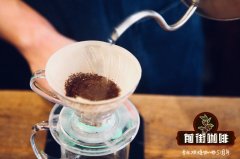
Water-to-coffee ratio 1:15, Fuji grinder setting 3.5, V60 dripper. First pour 30g of water for a 28-30 second bloom.
Depending on the bloom condition and its expansion, decide how long to use a fine water stream. After blooming, the coffee grounds still contain some air.
During the second pour, foam will be produced. The fineness of the foam represents the air content within the coffee grounds. The air content in the grounds determines whether they float on the water surface or settle at the bottom of the filter. With high air content, the grounds float on the surface, so use a fine, gentle water stream to disturb them and release the air from within.
Pour to 110g water, stop at 140g, wait until the water level in the coffee bed drops to half before pouring again. Slowly pour until reaching 225g total, avoiding the last 5g. Total extraction time: 2:00 minutes.
FrontStreet Coffee Recommendation
FrontStreet Yirgacheffe Gedingding Cooperative Coffee — A washed coffee that shares the clean, aromatic character of the best washed Antigua. Because local smallholders produce in small volumes, they send their cherries to a cooperative for centralised processing, and Gedingding is one of the finest processing teams in the Gedeb area, with skilled processing experience and a cup noted for its exceptional refinement and cleanliness. Washed processing lets Gedingding express jasmine florals and a bright citrus acidity to the full, and with a medium-light roast the coffee develops green tea and honey notes. It suits pour-over, cold brew and espresso alike.
FrontStreet Kenya "Little Tomato" Coffee — Another benchmark washed coffee, and a great match for anyone who prizes the bright, structured acidity that washed processing can deliver. Kenya is renowned for its double-washed processing, and FrontStreet's lot repeats the washing step — flotation, rinsing the mucilage off the bean surface, soaking and then drying and hulling the beans. Multiple rinses and soaks push the juice-like quality to its limit. The cup shows cherry tomato, smoked plum, Asian pear, black plum and yellow sugar, sweet-sour and mouthwatering, and it is a favorite of many coffee enthusiasts.
FrontStreet Jamaica Blue Mountain No.1 Coffee — If you love the balance and gentle elegance that washed coffee can achieve, Blue Mountain is the classic expression. Jamaica's island climate and shorter sunshine hours drove the adoption of washed processing, which removes skin, pulp and mucilage before drying, shortening drying time and yielding bright, low-defect beans. Washed processing preserves Blue Mountain's rich aroma, and in the cup it shows hazelnut, cream, chocolate and caramel with a structure in which no single note stands out or falls short.
Important Notice :
FrontStreet Coffee is a long-established specialty coffee roaster in Guangzhou China, selling freshly roasted beans from its own farm in Yunnan as well as dozens of carefully selected single-origin beans from around the world for both pour-over and espresso. The products deliver consistently excellent quality and great value, with shipping within 24 hours. Guangzhou's FrontStreet Coffee shop is recommended by many coffee lovers, and the beans are now available online at the Tmall 。
FrontStreet Coffee has moved to a new address:
FrontStreet Coffee Address: 315,Donghua East Road,GuangZhou
Tel:020 38364473
 Scan and follow the En Gafei WeChat official account. Please indicate that the reprint comes from "En Gafei".