How to Describe the Flavor of Guji Coffee Beans - Introduction to Guji Tumu Coffee - Price of Guji Coffee Beans
Ethiopia's Eight Major Coffee Growing Regions
Ethiopian coffee mainly comes from eight major growing regions: Ekempti, Limu, Illubabor, Djimma, Harrar, Teppi/Bebeka, Sidamo, and Yirgacheffe.
Ethiopian coffee is highly regarded among Chinese coffee enthusiasts, with particular interest and passion for three famous regions: Harrar, Sidamo, and Yirgacheffe. The Sidamo growing region is located in southern Ethiopia. Agriculture dominates the local economy, with coffee growing areas situated around the Great Rift Valley. The largest town in Sidamo province is Hawassa, which serves as an important coffee export hub.
Sidamo's coffee flavors are incredibly diverse due to varying soil compositions, regional microclimates, and countless native coffee varieties, resulting in distinct differences and characteristics in the coffee produced by each town area.
Shakisso: A Unique Growing Region
Shakisso, located in Guji in the Oromia region of the south, borders Sidamo and Gedeo. This area has many mining pits originally used for gold mining, which left numerous holes in the coffee growing areas that make walking through these plantations dangerous. Shakisso stands as a unique growing region within Guji/Sidamo, representing a remote area far from most coffee producing areas, even within Sidamo. Gold mining is another famous local product.
Factors such as miners, land disputes, and ethnic tensions made the region unstable in 2006. Consequently, the biggest challenge facing this area today is the need for manpower to maintain the plantations and harvest the coffee. Local small farmers began growing organic coffee in 2001 and work closely with medium-sized coffee producers who understand how to cultivate forest coffee in highland areas.
Guji Coffee: Excellence in Quality
The Guji coffee growing region within Sidamo has received numerous scores above 92 points on Coffee Review's website, with several instances of high scores of 94-95 points. The renowned Ardi lot comes from the Guji region.
The area features diverse terrain with towering mountains, highlands, plateaus, valleys, and plains. The fertile black soil (Vertisol), significant day-night temperature differences, and other conditions provide all the necessary terroir elements for producing premium specialty coffee. Local coffee production comes almost entirely from individual small farmers who harvest ripe red coffee cherries from nearby trees during the growing season and deliver them to processing stations.
The cherries are placed on well-ventilated African raised beds to control temperature and fermentation levels. After removing the fruit pulp, the moisture content is reduced to between 11.5%-12%. Once post-processing and resting are complete, the coffee is exported through the bidding system of the Ethiopia Commodity Exchange (ECX).
Taste Profile and Aroma Notes
Taste description: Delicate berry aroma, with the sweet and tart notes of blueberry, lemon, and citrus. The middle to aftertaste features cherry chocolate cake and sherry sweetness.
36 coffee aroma notes: Maple flavor, lemon-citrus flavor, honey flavor, cream flavor, coffee flower aroma, caramel flavor.
Guji Coffee Brand Recommendations
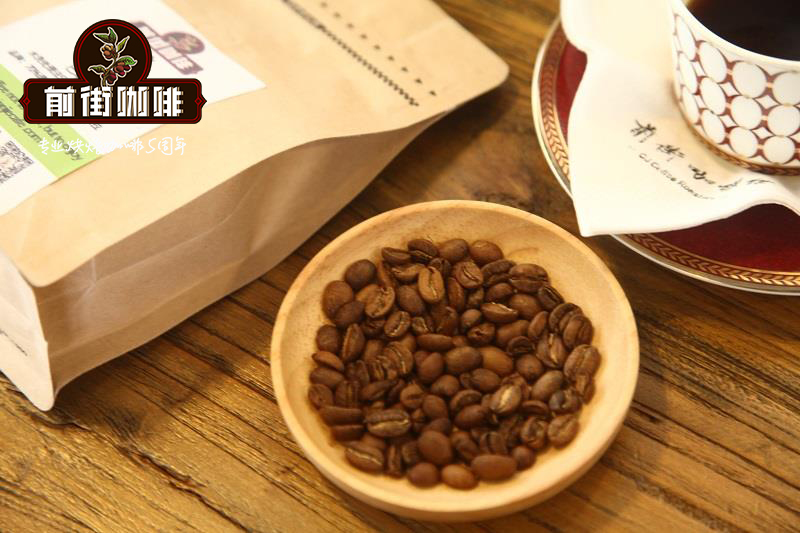
FrontStreet Coffee's roasted Guji coffee beans - such as the Hambela Flower Champion 2.0 - carry excellent guarantees in both brand and quality, along with exceptional value for money, making them a reliable way to taste the blueberry, citrus, and sherry sweetness this region is famous for.
FrontStreet Coffee Recommendation
Guji borders Gedeo - the heartland of Yirgacheffe - so if you love this flavor direction, FrontStreet Coffee's washed Yirgacheffe is the natural companion. Yirgacheffe is a small town in the Sidamo region of southern Ethiopia at roughly 1700-2100 meters, with coffee planted above 1800 meters, making it one of the highest coffee regions in the world. In 2010 its fame grew so great that the Ethiopian Commodity Exchange separated it from Sidamo as its own designation, and its white jasmine florals and bright lemon-citrus acidity have made the name a byword for Ethiopian specialty coffee.
The Worka Cooperative in the southeastern corner of Yirgacheffe, once part of the YCFCU union's Worka cooperative, uses traditional washed processing to produce coffee with no harsh bitterness - just fresh, bright citrus-lemon acidity and jasmine fragrance. For natural-process lovers, the Red Cherry lot is made from fully ripe cherries sun-dried on raised beds for three to five weeks, turned every 2-3 hours at first, yielding classic Yirgacheffe character plus tropical fruit: citrus acidity, berry juiciness, honeyed sweetness, and creamy smoothness.
To brew any of these Ethiopians, FrontStreet Coffee suggests a V60 with 15g of coffee at a 1:15 ratio, a grind passing 80% through a No. 20 sieve (about fine-granulated sugar), and water at 90-91 degrees Celsius: 30g of water for a 30-second bloom, then 95g to reach 125g in about a minute, then the remaining 100g to 225g when the bed has drained to two-thirds, finishing in 2:00-2:10 - a recipe that showcases Guji's delicate berry aromatics beautifully.
Important Notice :
FrontStreet Coffee is a long-established specialty coffee roaster in Guangzhou China, selling freshly roasted beans from its own farm in Yunnan as well as dozens of carefully selected single-origin beans from around the world for both pour-over and espresso. The products deliver consistently excellent quality and great value, with shipping within 24 hours. Guangzhou's FrontStreet Coffee shop is recommended by many coffee lovers, and the beans are now available online at the Tmall 。
FrontStreet Coffee has moved to a new address:
FrontStreet Coffee Address: 315,Donghua East Road,GuangZhou
Tel:020 38364473
 Scan and follow the En Gafei WeChat official account. Please indicate that the reprint comes from "En Gafei".