Guji Coffee Bean Growing Conditions_Is Guji Hero Coffee Bean Delicious_How Much Does Guji Coffee Bean Cost Per Pack
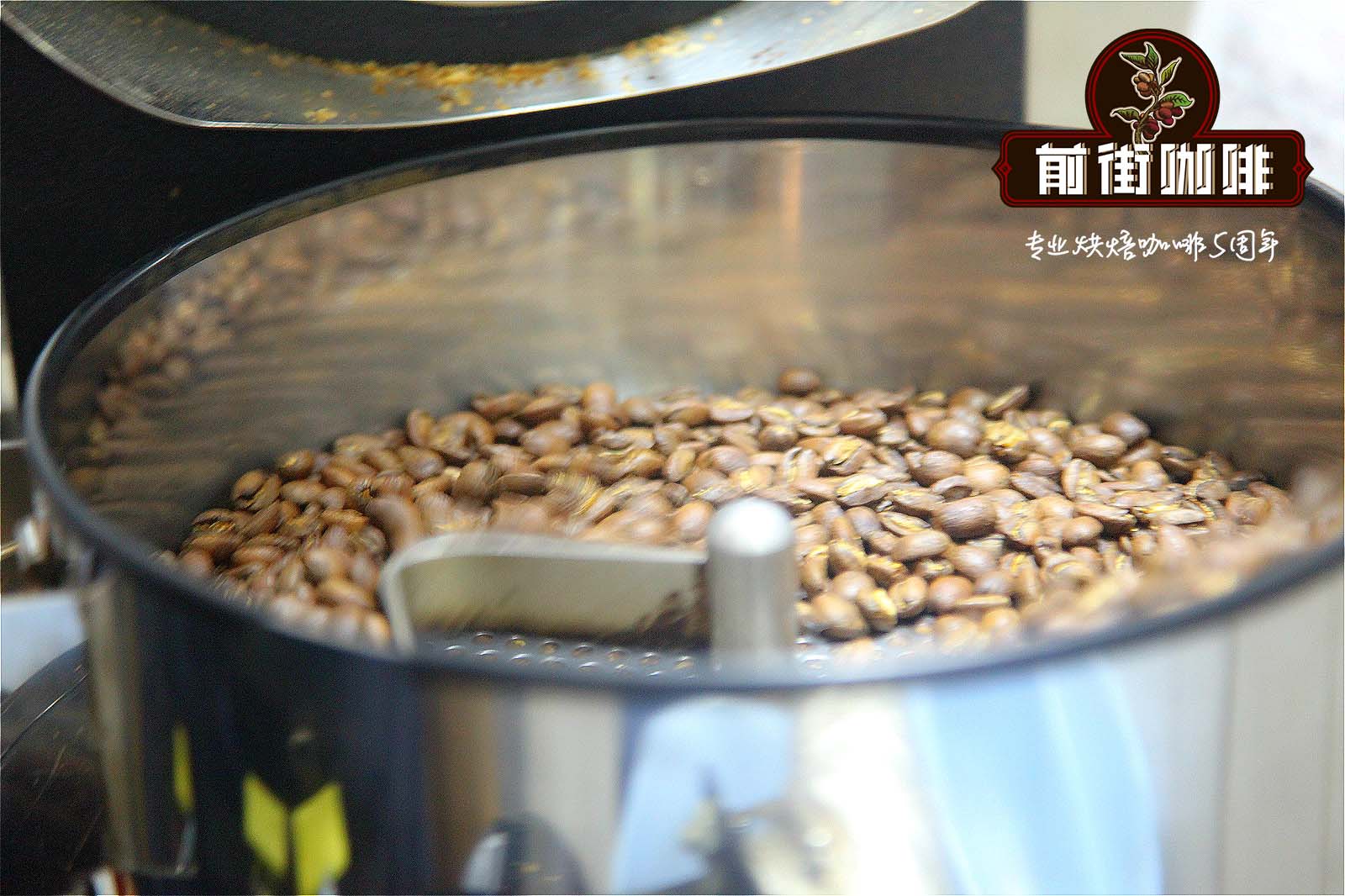
Ethiopia is one of the world's most renowned coffee-producing countries and the birthplace of coffee. It has countless indigenous local varieties and is known as the genetic repository of coffee. This coffee comes from the Guji beans of the Sidamo Zone. Both washed and natural processing are used locally, and most coffee-growing areas easily exceed 2,000 meters in altitude. Local farmers typically own only one to two hectares of land and cultivate their coffee naturally, without chemical fertiliser or pesticide, harvesting fully ripe cherries by hand.
This batch comes from an Ethiopian exporter with a century of history. It was selected from numerous samples in the local ECX trading system, then bought and exported directly to Alpha Coffee & Tea. The exporter gave it a beautiful name — Liya. Its main flavour is a bright lemon and citrus acidity, quite clean, with excellent sweetness.
Sidamo Region
Sidamo lies in southern Ethiopia, with diverse landscapes that produce varied coffee flavours — sometimes fruity and citrusy, sometimes nutty and herbal, always with bright acidity. In the past, Sidamo coffee also covered Yirgacheffe and Guji beans, but the ECX trading system has since separated Yirgacheffe and Guji from Sidamo.
The Guji region of southern Ethiopia borders the Sidamo and Gedeo zones, with towering mountains, highlands, plateaus, valleys and plains — very varied topography. Its geology is fertile, well-drained volcanic soil nearly two meters deep, with surface soil that looks dark brown or brown. The region's greatest advantage is that soil fertility is maintained through natural organic cycles, with fallen leaves and debris from surrounding trees, and plant root residues, acting as natural fertiliser.
In recent years several coffees from the Sidamo and Yirgacheffe regions have been named after their cooperatives or estates. Besides the wish to build international recognition and product loyalty under their own names, the fundamental reason is the farmers' confidence in their coffee. They insist on strict procedures at every step after harvesting, and perform excellently with both washed and natural processing — which is why they have the confidence to promote their products in the international market.
Local farmers in the Guji region hand-select cherries of moderate ripeness for natural processing. During the 15-17 day natural process, the cherries on the drying beds are turned every two hours to ensure even, complete drying, after which the coffee is hulled and packed. Unlike other natural methods in Ethiopia, this coffee is sorted by hand before drying rather than after processing is complete. Raised drying beds are used, which not only increase air circulation but also keep the cherries from absorbing unwanted flavours while they dry.
Guji Coffee Bean Brand Recommendations
FrontStreet Coffee's roasted Guji coffee, Hambella Flower Queen 2.0, offers full guarantees in both brand and quality, and, more importantly, excellent value: each 227-gram package costs only about 98 yuan. At 15 grams of coffee per cup, one package makes 15 cups — only about 6 yuan a cup. Against the dozens of yuan a cup charged in coffee shops, it is a genuinely conscientious recommendation.
FrontStreet Coffee is a roastery in Guangzhou with a small shop but a wide range of bean varieties, where you can find both famous and lesser-known lots. Online store services are also available.
FrontStreet Coffee Recommendation
If Guji's bright, clean fruit is what draws you in, FrontStreet's Yirgacheffe range makes a natural companion. The washed Yirgacheffe is the classic everyday choice, known for white jasmine, bright citrus and lemon acidity and a clean tea-like finish, at a price that has made it many drinkers' first specialty bean. Yirgacheffe is a small town in southern Ethiopia, in Sidama, at roughly 1,700–2,100 metres, with the coffee trees planted above 1,800 metres — among the highest in the world — and its signature white florals and lemon-citrus acidity made it so influential that the Ethiopian Commodity Exchange separated it from Sidama in 2010.
Within the region, the Guodingding cooperative sits at the southeastern edge, in the Worka area, once part of YCFCU's Worka cooperative and now sold as a single origin; it follows the traditional washed method and is prized for its fresh, bright citrus, lemon acidity and jasmine. FrontStreet also roasts a natural red-cherry Yirgacheffe, made only from fully ripe fruit that is dried on raised beds for three to five weeks and turned every two to three hours in the first days, giving the region's character plus tropical fruit, berry-juice texture, honeyed sweetness and a creamy body. For brewing, FrontStreet's guide is a good starting point: a V60, 15g of coffee at 1:15, water at 90–91°C, and a grind like fine sugar (an EK43s setting of 10, 80% through a No. 20 sieve).
Important Notice :
FrontStreet Coffee is a long-established specialty coffee roaster in Guangzhou China, selling freshly roasted beans from its own farm in Yunnan as well as dozens of carefully selected single-origin beans from around the world for both pour-over and espresso. The products deliver consistently excellent quality and great value, with shipping within 24 hours. Guangzhou's FrontStreet Coffee shop is recommended by many coffee lovers, and the beans are now available online at the Tmall 。
FrontStreet Coffee has moved to a new address:
FrontStreet Coffee Address: 315,Donghua East Road,GuangZhou
Tel:020 38364473
 Scan and follow the En Gafei WeChat official account. Please indicate that the reprint comes from "En Gafei".