China Coffee Bean Import Data_China Coffee Bean Market Forecast_Where to Buy Coffee Beans in Guangzhou
China's Coffee Bean Imports Expected to Reach 124,000 Tons by 2020
China's coffee market is experiencing rapid growth.
Imported coffee beans fall mainly into four types: unroasted, non-decaffeinated coffee; unroasted, decaffeinated coffee; roasted, non-decaffeinated coffee; and roasted, decaffeinated coffee. Among these, green beans (unroasted, non-decaffeinated coffee) account for 93.3% of the entire domestic import market, with Vietnam the largest source among emerging coffee-producing nations. According to analysis by the market research firm QYR, China's coffee bean imports are expected to reach 124,000 tons by 2020, with an average annual growth rate of 9.6% in coffee bean import value from 2014 to 2020.
Under relevant Chinese laws and regulations, coffee beans and their peripheral products (except sugar) are treated as free trade goods. Beijing, Shanghai, and Guangzhou are the three largest concentration areas for coffee traders and distribution hubs. Coffee bean importers generally run four kinds of business: coffee bean processing, wholesale, and sales; sales, training, and services for coffee equipment; sales of coffee powder, coffee sugar, and creamers; and comprehensive support for café operators. Today, importers in China mainly adopt these sales models: distribution systems, direct sales, and agency sales. Sales channels take various multi-level forms (generally two levels in the domestic market), including direct sales from importers to cafés and hotels, direct sales from first-level distributors to cafés, and direct sales from second-level distributors to consumers.
Across China's entire coffee bean supply chain, importing green beans (especially Vietnamese green beans) is the more competitive route, and profit margins for sales intermediaries run quite high. Gross margins for regional distributors and wholesalers range between 20% and 30%. If importers sell directly, their gross margins are even higher.
On competitive strategy: in a market where blended coffee dominates the vast majority of end-consumer venues, including Starbucks, most importers pursue a low-end approach, sourcing mainly from Southeast Asia and roasting non-single-origin blends. Some importers, such as Shanghai Dehui Food Co., Ltd., position themselves in the high-end market aimed at expatriates, senior business professionals in hotels, returnees, and coffee enthusiasts.
Recommended Domestic Coffee Bean Brands
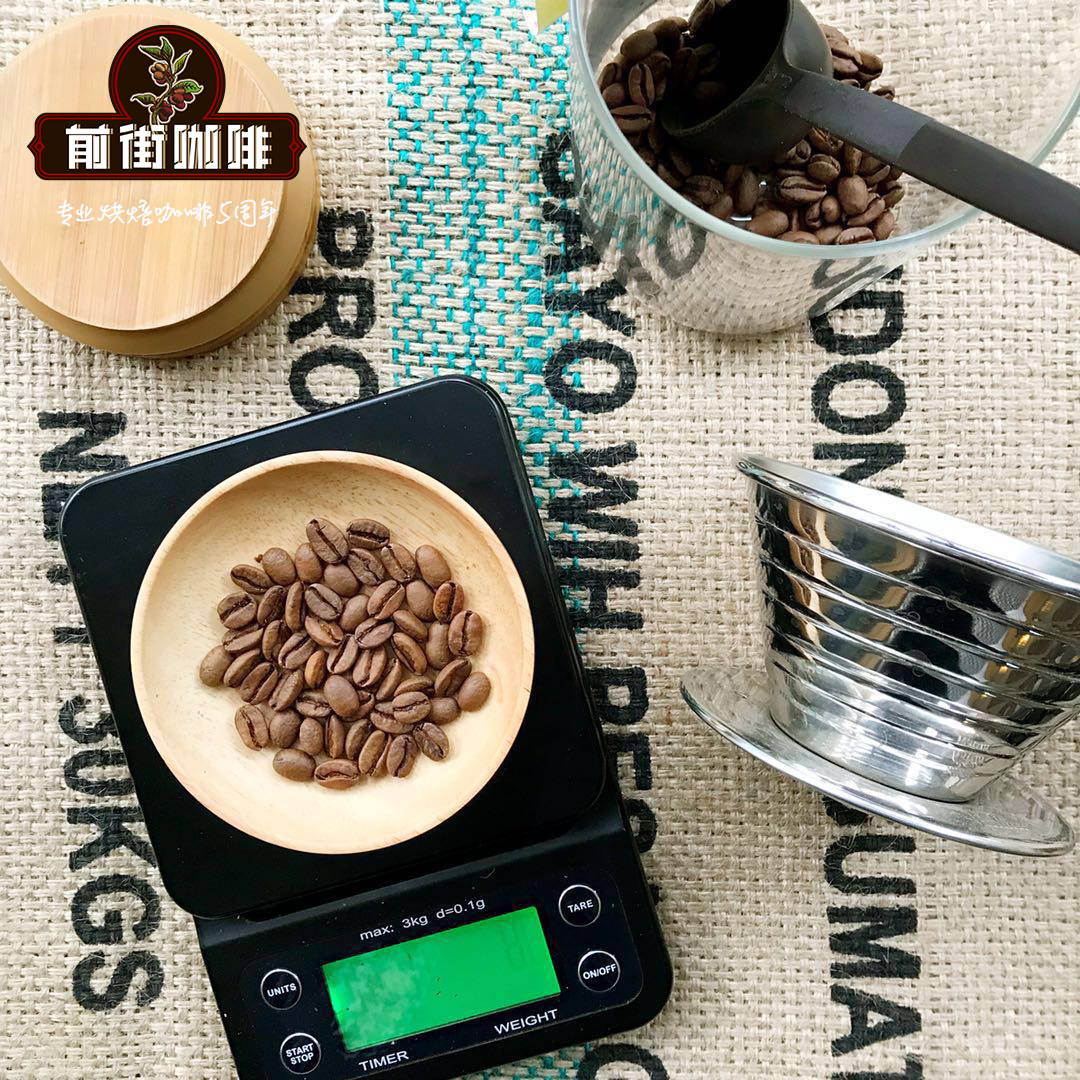
FrontStreet Coffee's roasted domestic beans—Yunnan Typica—are dependable in both brand and quality, and they show what Chinese-grown coffee can do at its best.
FrontStreet Coffee Recommendation
China's coffee market may run largely on imports, but domestic beans are worth a serious look. The FrontStreet Yunnan Small-Lot is a medium roast with nutty, herbal, chocolate, and caramel notes and a faint fruit acidity in the finish; that roast brings out both the caramelized sweetness and some of the bean's natural acidity, keeping the cup soft and smooth with a comfortable sweetness on the aftertaste. It works for pour-over, drip, and cold brew, and it is a simple way to taste what Yunnan is producing right now.
Important Notice :
FrontStreet Coffee is a long-established specialty coffee roaster in Guangzhou China, selling freshly roasted beans from its own farm in Yunnan as well as dozens of carefully selected single-origin beans from around the world for both pour-over and espresso. The products deliver consistently excellent quality and great value, with shipping within 24 hours. Guangzhou's FrontStreet Coffee shop is recommended by many coffee lovers, and the beans are now available online at the Tmall 。
FrontStreet Coffee has moved to a new address:
FrontStreet Coffee Address: 315,Donghua East Road,GuangZhou
Tel:020 38364473
 Scan and follow the En Gafei WeChat official account. Please indicate that the reprint comes from "En Gafei".