The Story of Geisha Coffee: Pour-Over Brewing, Flavor Profile, and the Premium Price of Panama's Hacienda La Esmeralda Geisha
The Rise of Geisha Coffee: Understanding FrontStreet Coffee's Premium Selection
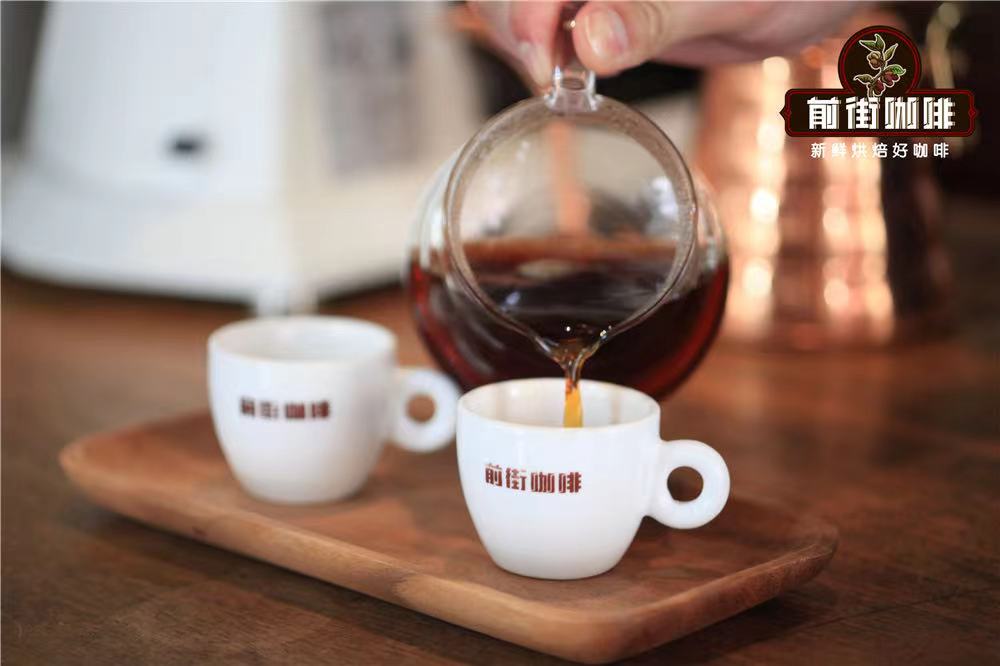
These days, the beans that dominate major coffee competitions are overwhelmingly Geisha varieties. How does this outstanding variety actually perform? And how are Geisha coffees graded? FrontStreet Coffee has deliberately tasted many Geisha coffees, trying to find the patterns among them.
What is Geisha?
Geisha refers to a coffee variety, written "Geisha/Gesha" in English. The name happens to match the Japanese word for a performing artist, so some people also call the variety by that name.
FrontStreet Coffee believes that variety is one of the most important factors shaping a coffee's overall flavor, much as a green apple differs from a Red Delicious. Geisha grown at high altitude tends to show obvious floral aromas and delicate, elegant fruit acidity—elegance that is a big part of why it has conquered the world.
Where Does Geisha Come From?
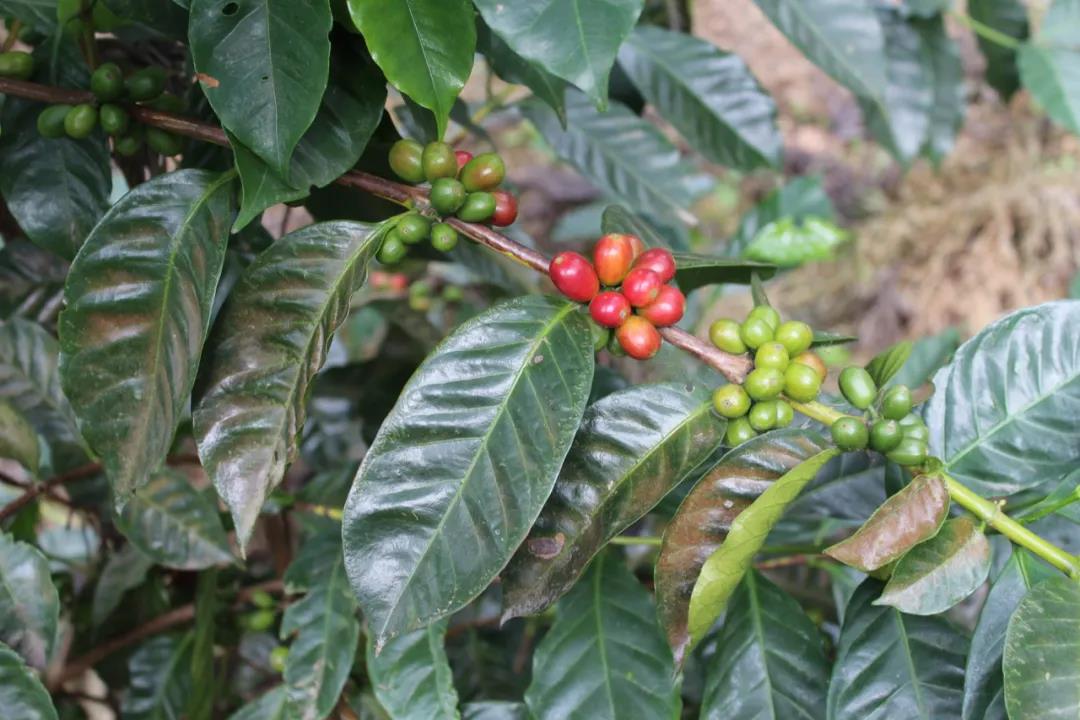
The Geisha variety was discovered in the forests of Geisha, Ethiopia, in 1931. It was then sent to the Coffee Research Institute in Kenya, introduced to Uganda and Tanzania in 1936, to Costa Rica in 1953, and to Panama in 1970. At first few people paid it any attention—until Panama's Hacienda La Esmeralda separated it from its other varieties in 2003 and the lot won the Best of Panama competition in 2004. Only then did Geisha step fully into the spotlight.
La Esmeralda Estate
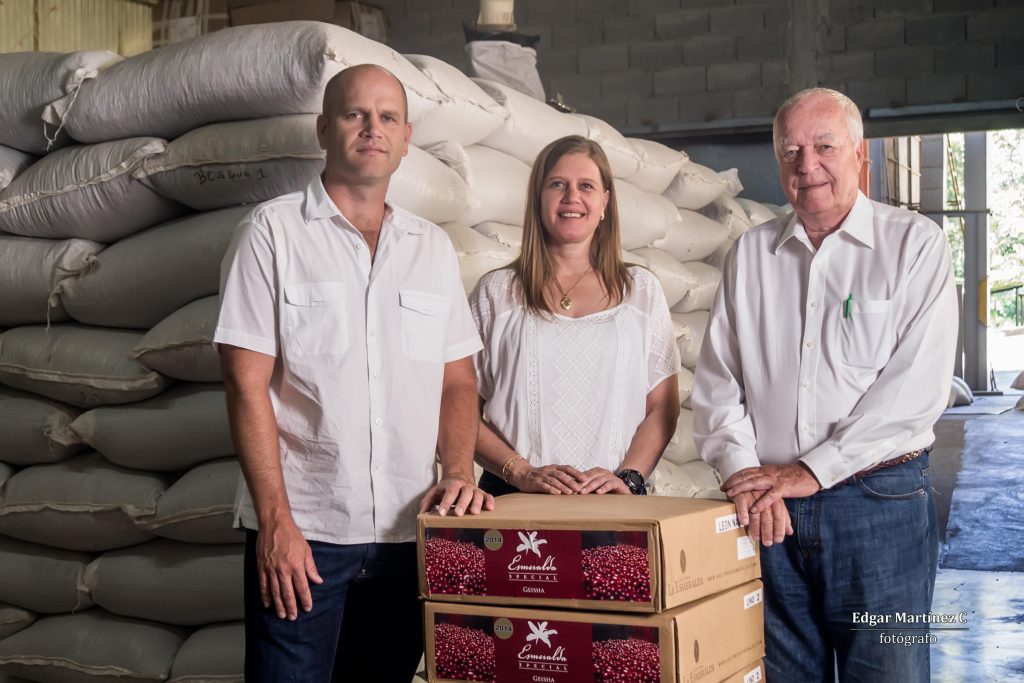
Any discussion of Panamanian Geisha must include the famous La Esmeralda estate. In 1964, American banker Rudolph Peterson retired, moved to Panama, and bought La Esmeralda in Boquete, initially running it as a dairy operation. Later his son Price gave up his medical career to help run the farm, introducing the Caturra and Catuai varieties in 1987 and building a wet mill in 1994, giving the family its own processing facility.
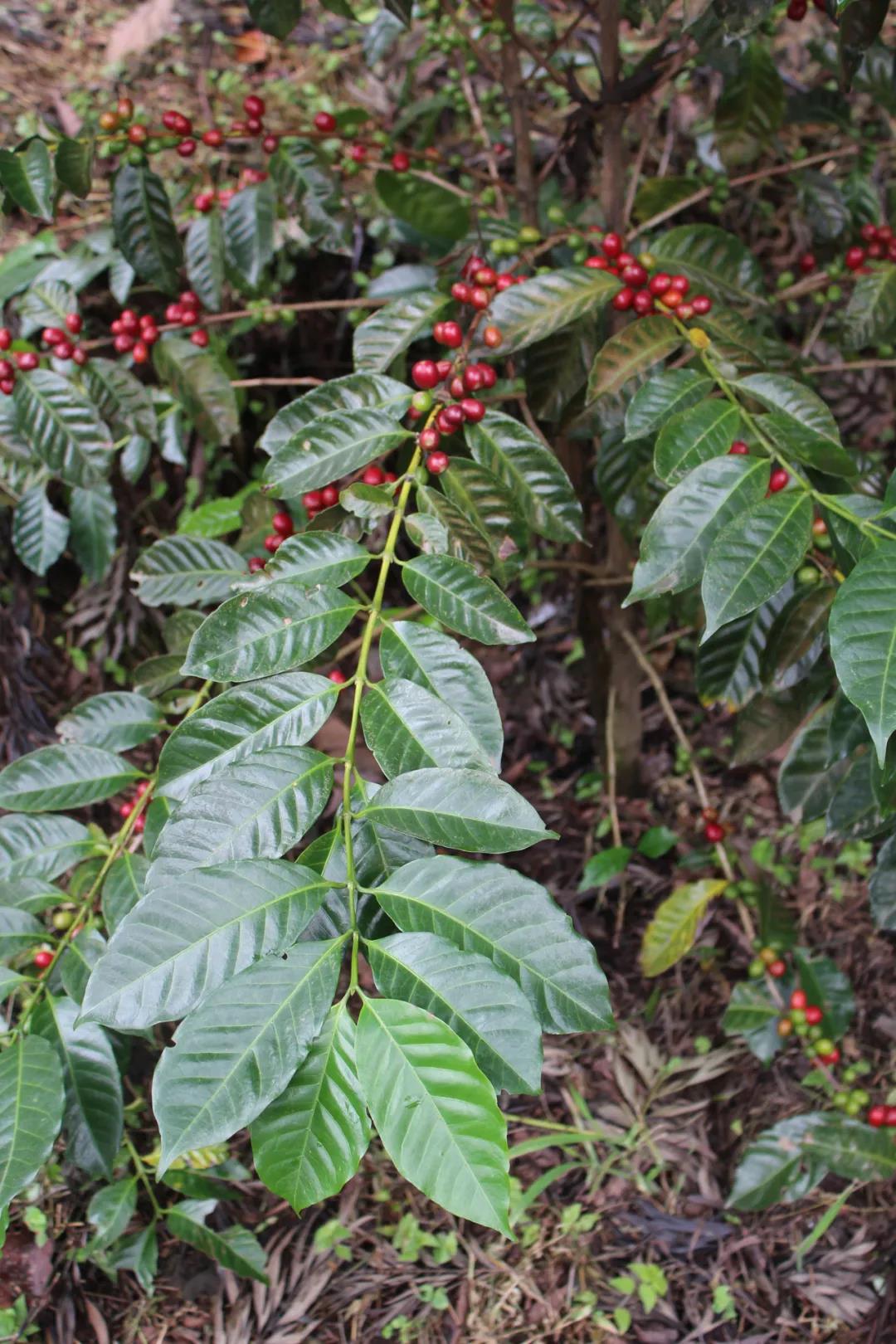
Today La Esmeralda grows Geisha on three estates: El Velo, Cañas Verdes, and Jaramillo. Jaramillo was acquired in 1996 for its excellent geography and good-tasting original coffee varieties; El Velo joined the estate in 2012. FrontStreet Coffee views La Esmeralda's strategy of buying farms with strong production at high altitudes as unique for its time, and it is what secured the estate's standing in the coffee world.
Jaramillo is where the famous Panamanian Geisha was found. Because yields were low, the previous owner had used the trees merely as windbreaks, and the variety's extraordinary flavor only came to light after the acquisition. Here is what FrontStreet finds fascinating about Geisha: the harsher the growing environment, the better the flavor. Even after discovering the flavorful beans, La Esmeralda cupped coffees from different areas of the estate plot by plot and mapped its planting blocks by altitude for precision.

From winning Best of Panama in 2004 onward, the coffee kept astonishing everyone. Expert identification confirmed the winning beans were the Geisha variety from Ethiopia. The Peterson family then poured most of their energy into infrastructure that supported meticulous lot separation and fine processing.
La Esmeralda Geisha Grading: Red Label, Green Label, Blue Label
La Esmeralda's marketing differs from other estates: by cupping performance, cultivated variety, and planting plot, its coffees are divided into five brands. The Geisha varieties take three brands—Esmeralda Special, Private Collection, and Geisha 1500—while the Catuai varieties take two: Diamond Mountain and Palmyra.

Esmeralda Special
The Geisha sold as Esmeralda Special is what we commonly call the Red Label. It selects Geisha grown at 1600-1800 meters with cupping scores above 90 points, produced in the Jaramillo and Cañas Verdes regions. The Red Label that goes to auction comes from Geisha batches chosen from designated plots for the estate's own independent auctions; the market also carries non-auction Red Labels—Geisha from the same plots that simply did not enter the auction. Variety and quality are identical; only the selling price differs.
Geisha at this grade is processed naturally or washed, with flavors built on special, bright floral aromas and citrus notes.
Private Collection
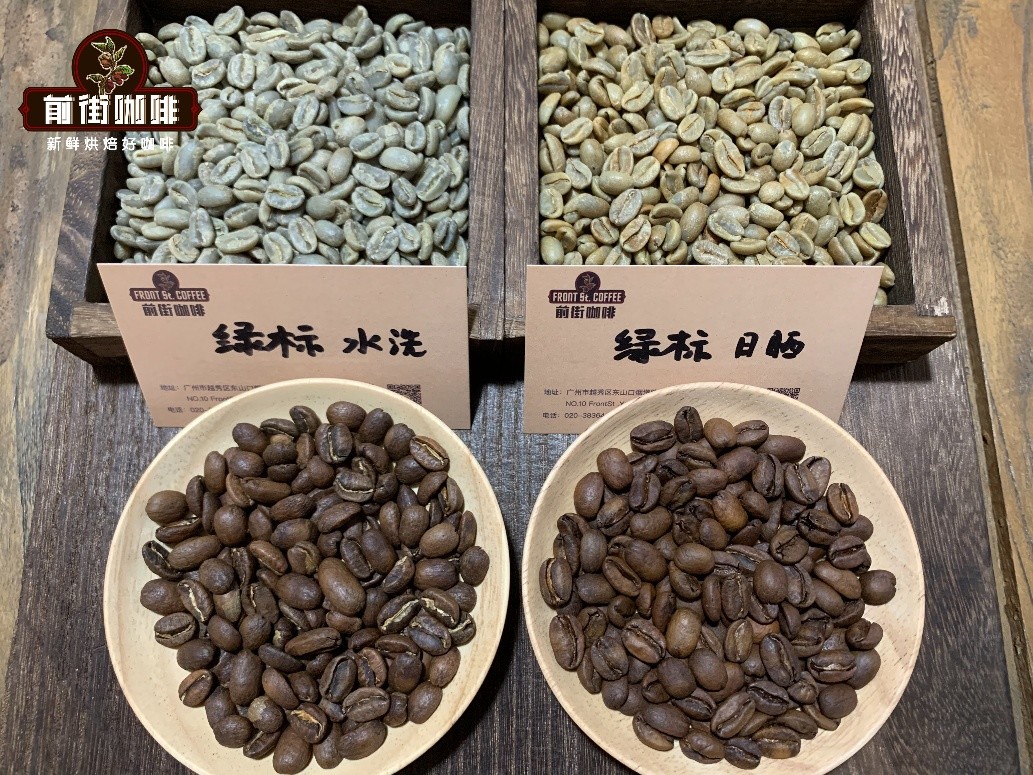
Private Collection, better known as the Green Label, consists of non-independent competition lots—Geisha that skips the auctions but is still of excellent quality. It blends micro-batches grown at 1600-1800 meters from different plots, including Jaramillo and Cañas Verdes among others.
Because the beans are blended without detailed plot specifications, one harvest's Green Label can taste remarkably close to the Red Label while the next may differ. Though it does not quite reach Red Label heights, it still carries Geisha's classic profile—floral, fruity, citrus acidity, and a thick, juicy texture. In recent years, Green Label has been available in both washed and natural processing.

As everyone knows, higher altitude brings richer flavor variation, and Geisha has an interesting quirk: it performs best in more extreme environments. Anyone who knows the variety's history will recall it was discovered growing in windbreaks precisely because of its peculiar flavor. That trait shows up in FrontStreet Coffee's sample cupping: different beans are ground to different settings so that every sample passes 70% through the standard sieve, and to hit that pass rate, Green Label and Red Label—like other high-altitude beans—require a finer grinder setting than lower-grown coffees.
Geisha 1500
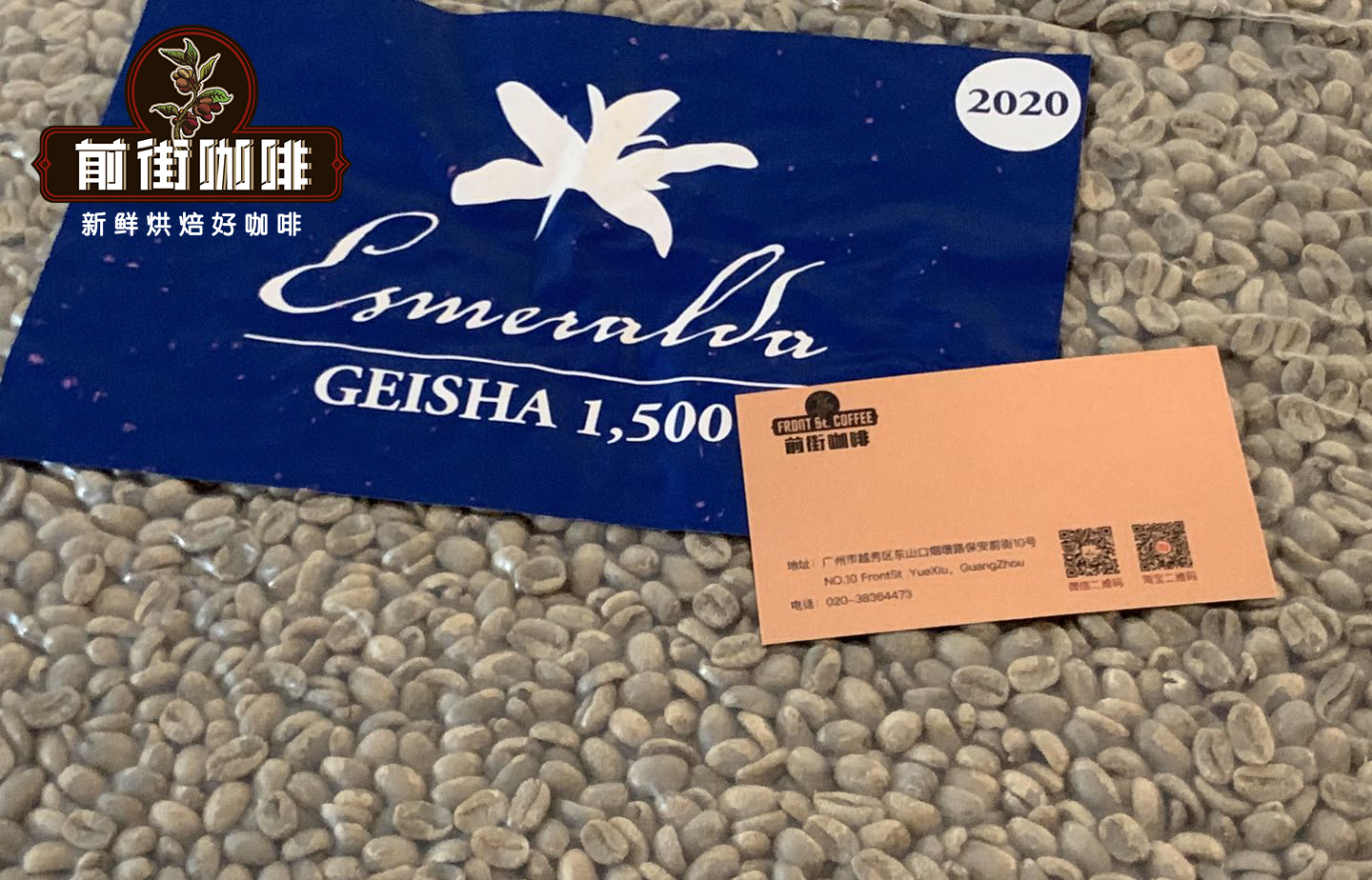
Blue Label Geisha blends beans from three plots—Jaramillo, Cañas Verdes, and El Velo—grown at 1400-1500 meters. The flavor offers light floral notes, fruit acidity, and sweetness, with a somewhat lighter body. Blue Label was originally washed only; a natural version was added in 2020.
Among the La Esmeralda tiers, Red Label and Green Label come from the same altitude band, but Red Label names its plots while Green Label is a mixed harvest, which explains the wide price gap. FrontStreet Coffee's view: Green Label is the better value.
FrontStreet Coffee Roasting Recommendations
FrontStreet roasts all three grades of Panamanian Geisha with the same guiding aim—to highlight Geisha's rich florals and bright, complex fruit acidity—using light roasts. But because each grade grows in a different environment, the roasting details need matching adjustments.
FrontStreet Panama La Esmeralda Red Label Geisha
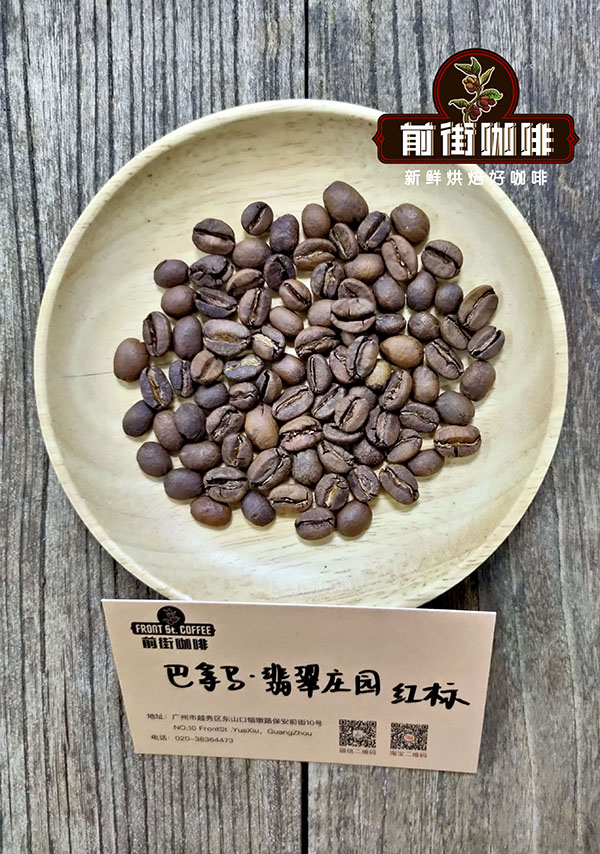
Charge the drum at 150°C, heat at 120, damper open to 3. Turning point at 1'36"; when the drum reaches 140°C, open the damper to 4 with the heat unchanged. At a drum temperature of 147.6°C the bean surface turns yellow, the grassy smell disappears completely, and the beans enter the drying phase. When the drum reaches 150°C, reduce the heat to 100, damper unchanged.
At 7'38" fine wrinkles and dark spots appear on the bean surface and the toast aroma clearly turns to coffee aroma—the prelude to first crack, so listen carefully for it. First crack starts at 8'10"; open the damper to 4. Develop for 1'28" after first crack and discharge at 189.5°C.
FrontStreet Panama La Esmeralda Green Label Geisha
Charge the drum at 160°C, heat at 110, damper open to 3. Turning point at 1'28"; when the drum reaches 140°C, open the damper to 3.5 with the heat unchanged. At a drum temperature of 153.3°C the bean surface turns yellow, the grassy smell disappears completely, and the beans enter the drying phase. When the drum reaches 161°C, reduce the heat to 90, damper unchanged.
At 6'54" fine wrinkles and dark spots appear on the bean surface and the toast aroma clearly turns to coffee aroma—the prelude to first crack, so listen carefully for it. First crack starts at 7'50"; open the damper to 4. Develop for 1'20" after first crack and discharge at 192.5°C.

FrontStreet Coffee Panama La Esmeralda Blue Label Geisha
Charge the drum at 180°C, heat at 130, damper open to 3. Turning point at 1'32"; when the drum reaches 104°C, open the damper to 4 with the heat unchanged. At a drum temperature of 151.6°C the bean surface turns yellow, the grassy smell disappears completely, and the beans enter the drying phase.
At 7'56" fine wrinkles and dark spots appear on the bean surface and the toast aroma clearly turns to coffee aroma—the prelude to first crack, so listen carefully for it. First crack starts at 8'30"; open the damper to 5. Develop for 1'28" after first crack and discharge at 190°C.

FrontStreet Coffee Brewing Recommendations
FrontStreet suggests brewing with freshly roasted beans to get the fullest expression of flavor. Beans shipped by FrontStreet Coffee are roasted no more than 5 days before dispatch, because freshness shapes flavor more than almost anything else. FrontStreet's roasting philosophy is "freshly roasted good coffee," and with a resting window of about 4-7 days, every order arrives at its flavor peak.
The recommended parameters: Hario V60 dripper, 90°C water, 15g dose, 1:15 coffee-to-water ratio, medium-fine grind (80% pass rate through the #20 standard sieve).
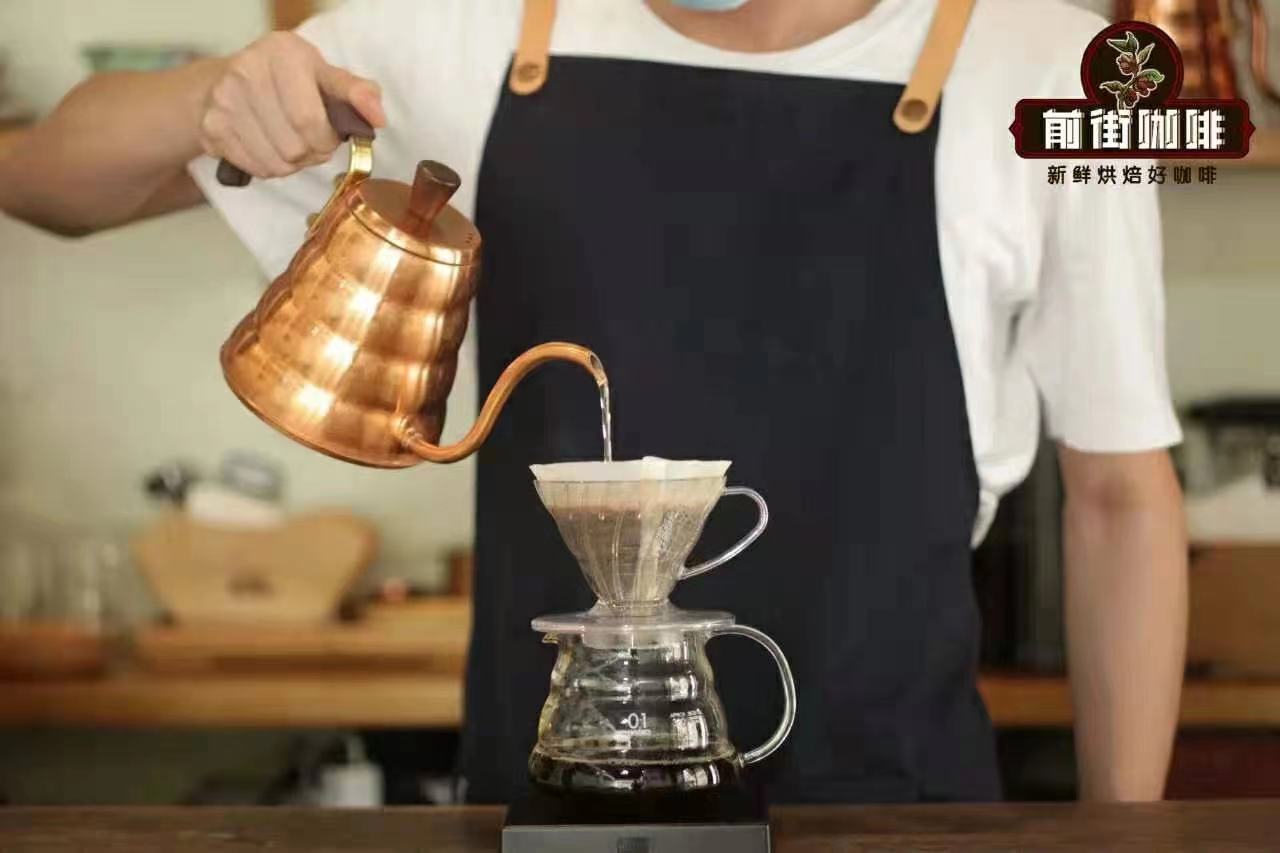
These FrontStreet Panamanian Geisha beans are all lightly roasted. Light-roast coffee dissolves more slowly than dark roast, so to extract Geisha's flavors fully, brew with hotter water and a finer grind.
Brewing Method
FrontStreet uses segmented extraction—three-stage pouring. Bloom with 30g of water for 30 seconds, then continue pouring in small circles up to 125g. When the water level drops and the coffee bed is about to be exposed, pour again up to 225g and stop. Once the bed is about to show through once more, remove the dripper (timing starts from the bloom). Total extraction time is 2'00".

Geisha Coffee Flavor Descriptions
FrontStreet Panama La Esmeralda Red Label Geisha: bright rose and citrus aromas, brown rice, berries, apricots, complex fruits, honey, a thick juice texture, rich flavor layers, and obvious sweetness.
FrontStreet Panama La Esmeralda Green Label Geisha: rich jasmine florals, high sweetness, citrus, berries, juice texture, cream, green tea, orange peel, cantaloupe—layered throughout, with a persistent floral and citrus aftertaste.
FrontStreet Panama La Esmeralda Blue Label Geisha: floral aroma, gentle lemon and grapefruit acidity on entry, honeyed sweetness in the middle, and oolong tea notes with brown sugar sweetness in the finish—clean and bright throughout.
FrontStreet Coffee Recommendation
For a first taste of the legendary Geisha profile without the flagship price, FrontStreet recommends the Boquete Geisha from Panama—an entry-level lot that delivers the classic orange-blossom honeyed character, oolong-tea elegance, fine fruit acidity, and distinct layering of high-grade Panamanian Geisha at a friendly price. Those ready for the top tier can step up to the Esmeralda Red Label and Green Label themselves; the Green Label, blended across plots rather than tied to one, is the estate's best value.
Ethiopia, coffee's birthplace, now offers its own estate Geisha too. A couple built Geisha Village on 475 hectares about 12 miles from the original Geisha forest, selecting by plant morphology, bean shape, and cupping performance the variety closest to Panama's—an heirloom Geisha brought back from the forest itself. The estate grows three varieties—Gori Gesha, Geisha 1931, and Illubabor Forest—and grades them into Gold (RARITIES), Red (GROWERS RESERVE), and Green (SINGLE-TERROIR) tiers plus CHAKA lots. The Gold label comes from Geisha 1931, makes up 10% of the estate's output, and is the top coffee outside auction; the Red label comes from Gori Gesha, 15% of production, scoring 88 or above on the SCA 100-point scale with full traceability for every lot number.
Closer to home for most budgets is FrontStreet's Genlana Estate Geisha from Yirgacheffe. The Genlana processing station, founded in 2014 and run by Israel Degefa, sits amid 700 hectares of mostly uncultivated, shade-covered land where fully ripe cherries are hand-picked and raised-bed sun-dried for 14-20 days depending on the weather. Roasted medium-light, it shows bright citrus acidity, elegant ginger-flower aromatics, the full sweetness of mature fruit, a silky texture, and the refined finish typical of the variety.
Important Notice :
FrontStreet Coffee is a long-established specialty coffee roaster in Guangzhou China, selling freshly roasted beans from its own farm in Yunnan as well as dozens of carefully selected single-origin beans from around the world for both pour-over and espresso. The products deliver consistently excellent quality and great value, with shipping within 24 hours. Guangzhou's FrontStreet Coffee shop is recommended by many coffee lovers, and the beans are now available online at the Tmall 。
FrontStreet Coffee has moved to a new address:
FrontStreet Coffee Address: 315,Donghua East Road,GuangZhou
Tel:020 38364473
 Scan and follow the En Gafei WeChat official account. Please indicate that the reprint comes from "En Gafei".