Does Jamaica Blue Mountain Grow Geisha Coffee? Flavor and Taste Differences Between Authentic Blue Mountain and Geisha Coffee
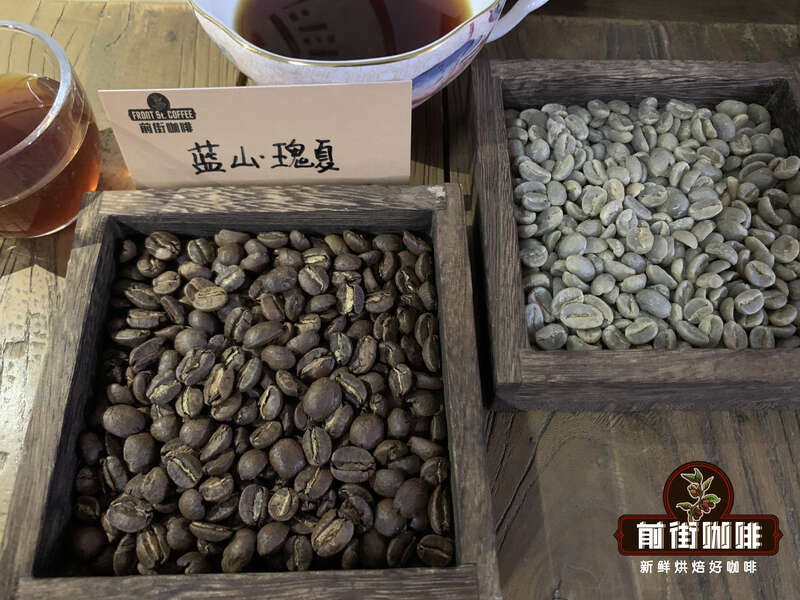
FrontStreet Coffee believes that today's specialty coffee market is flourishing. First came the rise of Ethiopian coffee beans, then Geisha swept across the globe, and now, in the world of post-processing methods, Blue Mountain Coffee still stands tall. Just recently, FrontStreet Coffee obtained Blue Mountain's first-ever micro-batch Geisha coffee, which left FrontStreet Coffee amazed. What kind of spark would be created when Blue Mountain's superior agricultural techniques and exquisite processing craftsmanship are combined with what is currently recognized as the world's best coffee variety?
Jamaica Blue Mountain: Origin and Characteristics
Jamaica is an island in the Caribbean Sea. Jamaica's Blue Mountain is the highest mountain in the western Caribbean, at 2256 meters. The unique flavor of Blue Mountain Coffee is related to the mountain's exceptionally favorable location and climate conditions.
Currently, six seals can represent the origin of Blue Mountain Coffee: Mavis Bank Central Factory (MBCE), M.H.C.C.T., Portland Blue Mountain Coffee Co-operative (P.X.X.S.H.), Coffee Industry Board (Wallenford), Coffee Industry Board (S.J.C.), and J.A.S.
By 1969, the situation had improved, because Japanese loans were used to enhance production quality and thereby secure the market. Today this coffee has reached a status of passionate adoration.
By 1981, Jamaica had cultivated about 1,500 hectares of land for coffee planting, followed by investment in another 6,000 hectares. In fact, today's Blue Mountain region is a small area with only 6,000 hectares of planting area, making it impossible for all coffee labeled "Blue Mountain" to be grown there. Blue Mountain coffee is therefore considered one of the highest-quality coffees.
Blue Mountain No. 1 Coffee
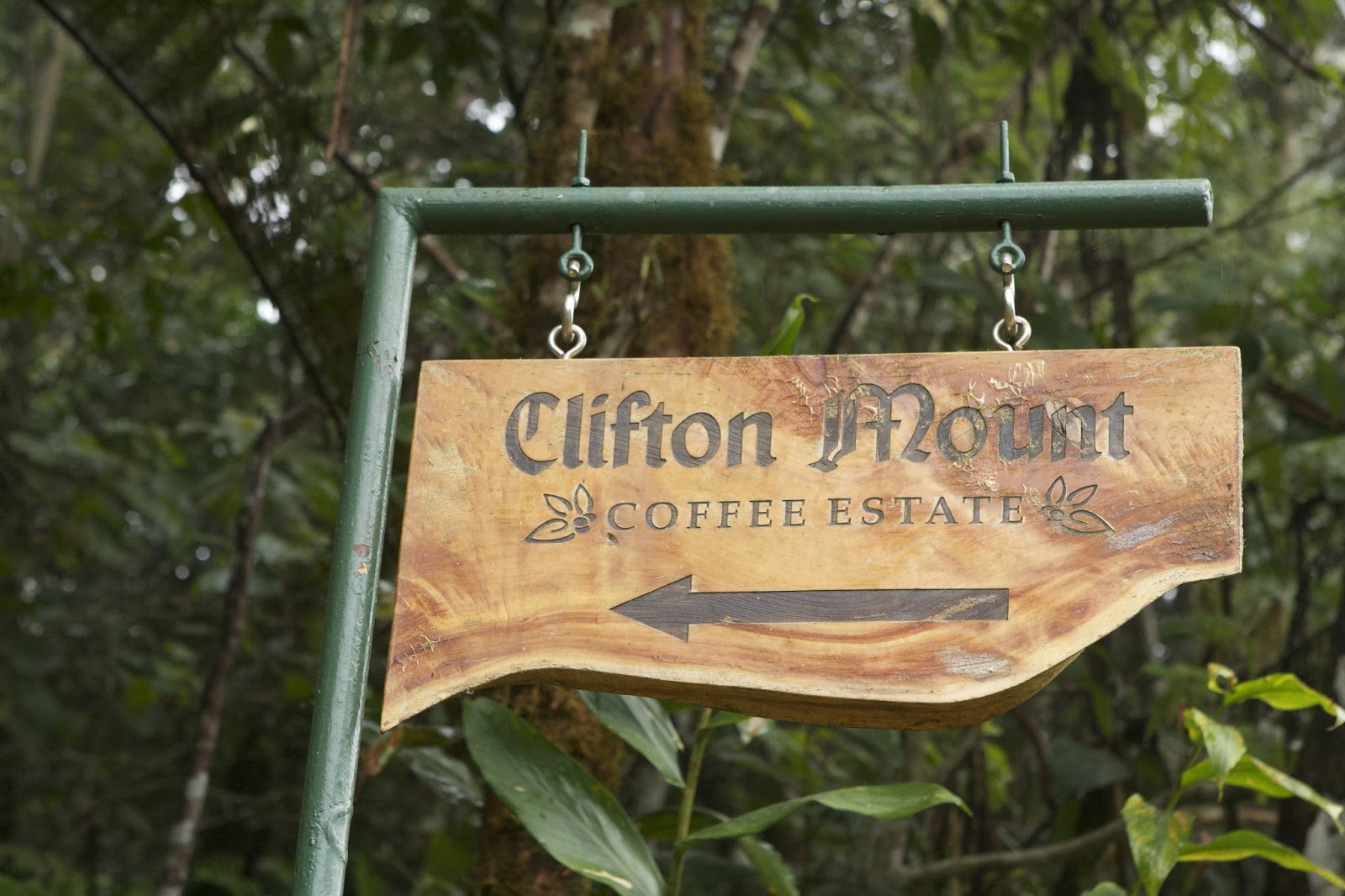
The Blue Mountain No. 1 coffee supplied by FrontStreet Coffee comes from Clifton Mountain Estate. Clifton Mountain Estate is the largest estate in this region, though by international standards it is still considered small-scale cultivation. Many of the estate owners are small landholders whose families have worked this land for two centuries. The area is recognized as an exceptionally high-quality, world-renowned Blue Mountain coffee producing region.
FrontStreet Coffee Jamaica Blue Mountain No. 1
Region: Jamaica Blue Mountain Region
Estate: Clifton Mountain Estate
Altitude: 1310m
Variety: Typica
Processing Method: Washed
Blue Mountain Geisha Coffee
Until 2019, Blue Mountain exported only washed Typica varieties to overseas markets. It is precisely because of this single processing method and coffee variety that Blue Mountain Coffee has maintained its consistently high quality for decades, and its balanced, mellow flavor is appreciated by many friends. In 2020, announced in 2019, Blue Mountain first launched sun-dried processed Blue Mountain No. 1 coffee, and then introduced Blue Mountain Geisha.
FrontStreet Coffee Jamaica Blue Mountain Geisha
Region: Jamaica Blue Mountain Region
Estate: Clifton Mountain Estate
Altitude: 1310m
Variety: Geisha
Processing Method: Washed
The Evolution of Blue Mountain Coffee
As for why Blue Mountain, after decades of focused consistency, began to diverge in its thinking and innovate in recent years: some time ago, news emerged that Jamaica was trial-planting Bourbon varieties. When FrontStreet Coffee's team members heard this, they discussed the reasons behind Jamaica's move. Before lightly roasted acidic coffee became popular, the public's impression of coffee was mellow, aromatic, and rich, like traditional Mandheling and Colombian coffee. In that era, traditional Blue Mountain Coffee existed like the king of all birds, and its clean, mellow, balanced flavor became the benchmark that people subsequently imitated. It was known alongside Hawaii Kona as the "king and queen" of the coffee world.
Times have changed, however. First came the explosively fruity Yirgacheffe, followed by the world-renowned Panama Geisha, sparking a global wave of appreciation for coffee's pleasant acidity. Many people like to compare Blue Mountain Coffee with Geisha Coffee, and FrontStreet Coffee believes it is actually unnecessary to decide which is superior. From the former hegemon, Blue Mountain's rich, bitter balance, to today's rising star, Geisha's fresh floral and fruity sweetness, this undoubtedly reflects the choices of the times. One day, today's Geisha will become yesterday's Blue Mountain, and Geisha's competitor is not other coffee varieties but people's taste preferences.
Facing this situation, traditional-minded Jamaica Blue Mountain coffee farmers felt that Blue Mountain's status was being shaken and began to innovate gradually. The newly added sun-dried processed Blue Mountain and Blue Mountain Geisha this year are excellent proof of that.
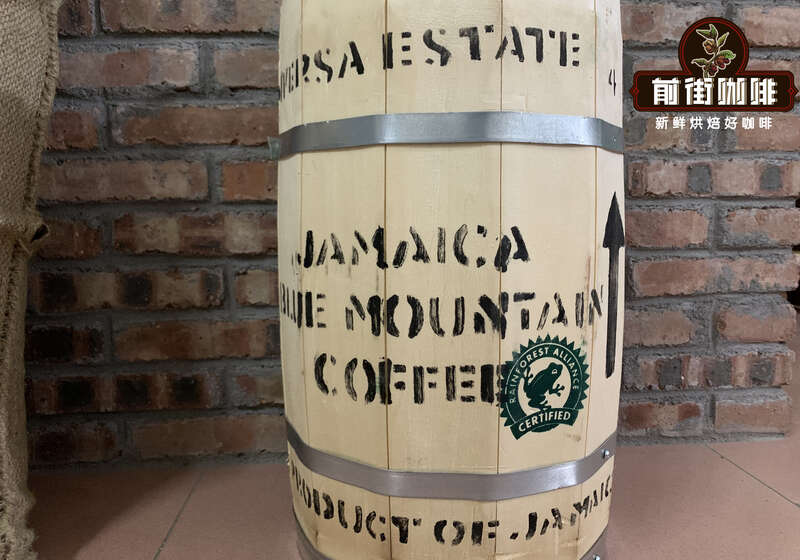
FrontStreet Coffee also obtained a barrel of Blue Mountain Geisha at the first opportunity. Like traditional Blue Mountain No. 1 coffee, exported coffee is packaged in wooden barrels. This batch has limited production and comes from Clifton Mountain Estate. The barrel bears the Rainforest Alliance certification seal; currently, only Clifton Mountain Estate in the Jamaica Blue Mountain region holds this certification.
Cultivation and Processing Challenges
We need to understand that coffee trees are plants, and it is not as simple as transplanting coffee from one region to another. It involves the adaptability and stability of new species to new environments. To produce good flavors, excellent agricultural experience, time for adaptation, suitable growing conditions, and sufficient coffee processing experience are all necessary. Clearly, Blue Mountain started planting other varieties long ago and has undergone years of breeding and flavor adjustment. The Geisha variety was identified in 2004 by Panama's Hacienda La Esmeralda for its excellent floral and fruity flavors. After more than 10 years of dissemination, it has spread throughout coffee-growing regions, with even Yunnan planting Geisha. This year, Jamaica's launch of micro-batch Blue Mountain Geisha shows Blue Mountain's full confidence in this Geisha coffee.
Processing Method
Blue Mountain Geisha still uses Jamaica's specialty washed processing. During processing, the fruit skin and pulp are first removed, allowing fermentation for 12-18 hours. The fermented beans are then placed in pools and moved back and forth, using the friction of the beans and the power of flowing water to wash them until smooth and clean. After washing, the beans are still enclosed in their parchment, with a moisture content of 50%. They must be sun-dried to reduce the moisture content to 12-14%, otherwise they will continue to ferment, mold, and spoil. Afterward, the beans are sorted and then stored in specialized warehouses.
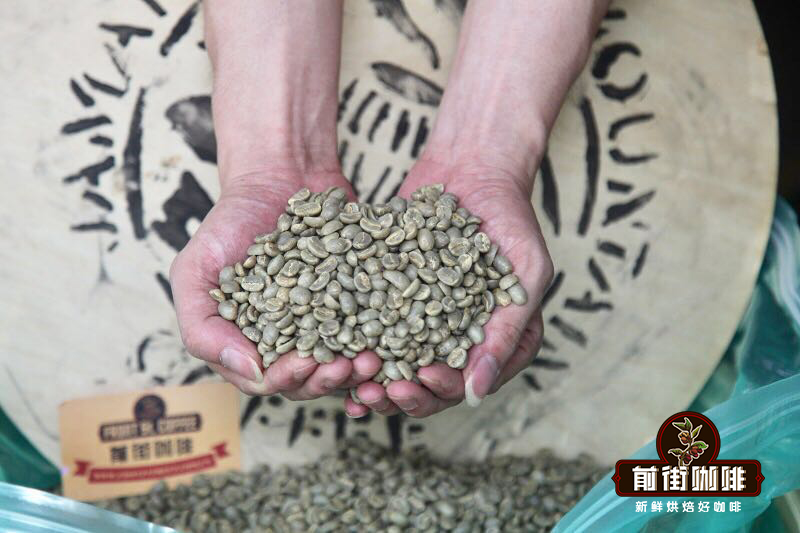
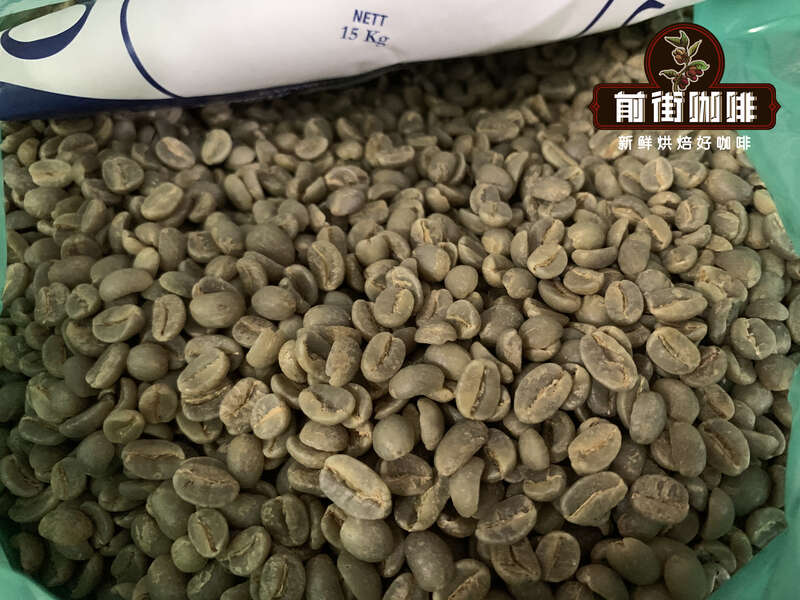
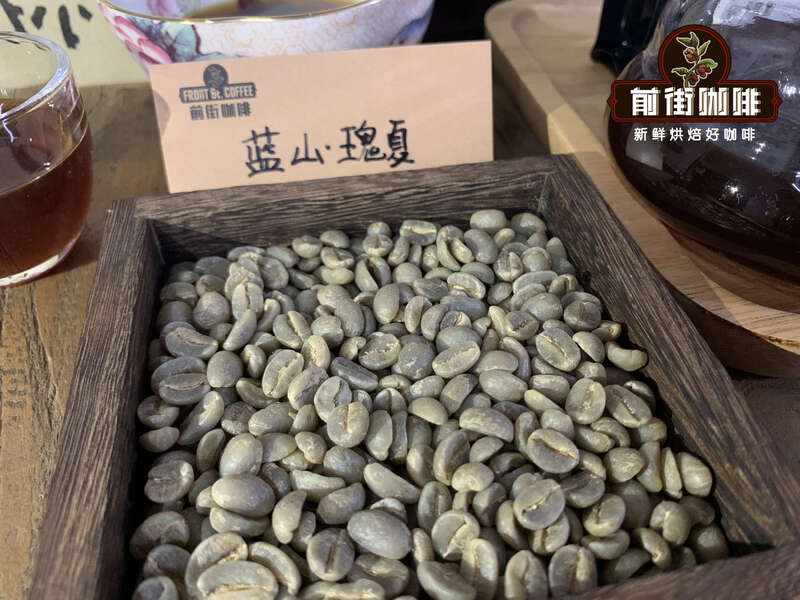
Observing the green beans, they are emerald green in color with a slightly pointed and elongated shape, and an extremely low defect rate, demonstrating the maturity of their processing technology and quality control capabilities.
FrontStreet Coffee Roasting Analysis
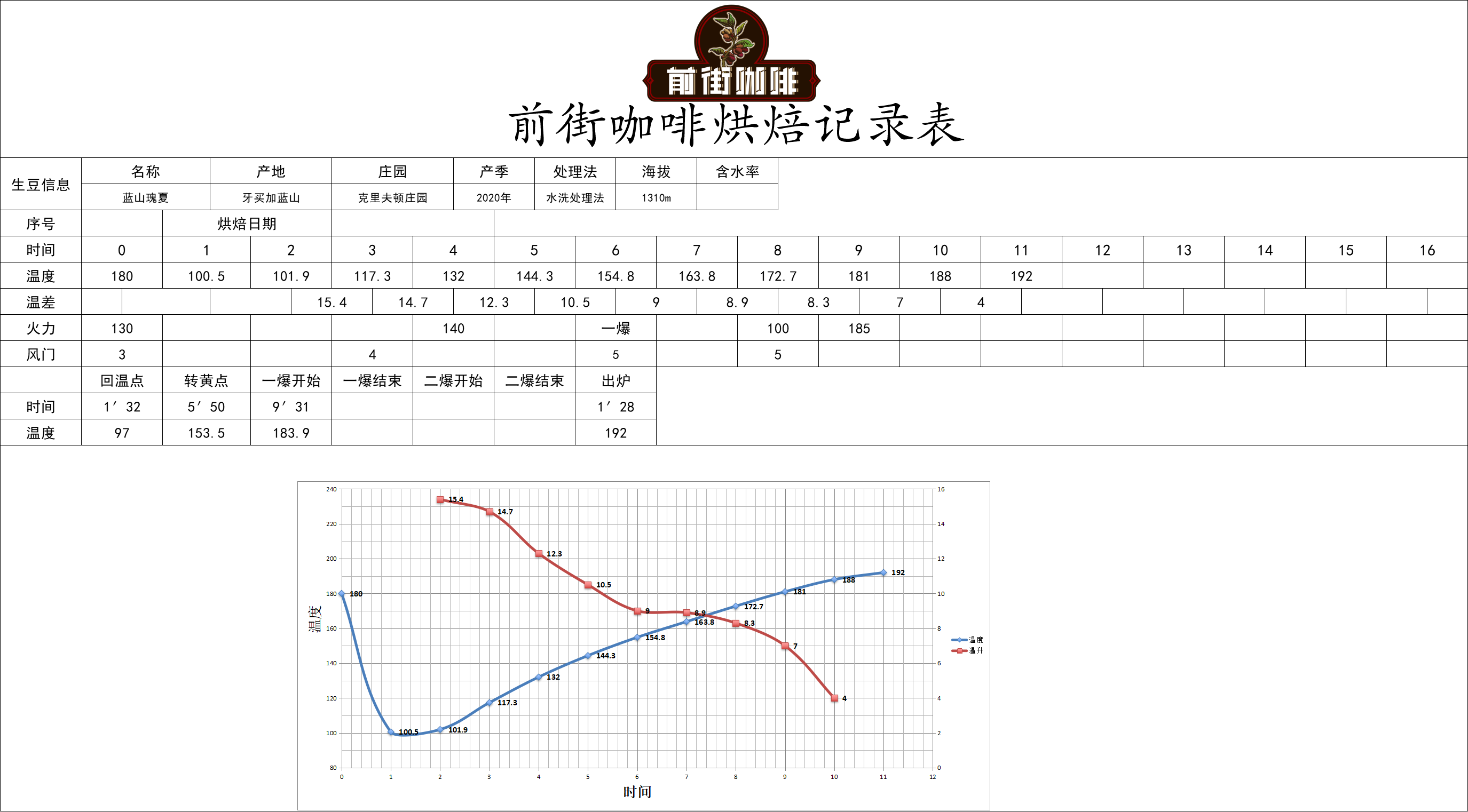
For this batch of Blue Mountain Geisha coffee, FrontStreet Coffee's roasters faced a dilemma: should they highlight the Blue Mountain flavor or the Geisha flavor? If they created a Blue Mountain flavor, what would be the point of using Geisha varieties? If they emphasized the Geisha flavor, would that not betray the Blue Mountain name? Facing this challenge, FrontStreet Coffee's roasters first roasted two versions: one traditional, rich, mellow medium roast, and one light roast with fruity and floral aromas. After several minor adjustments, the roasters decided to use an adjusted light roast curve that emphasizes Geisha's floral aroma and fruit acidity.
Preheat the drum to 180°C, heat at 130, with the damper open at 3; return to the temperature point at 1'32", when the drum temperature reaches 97°C, then maintain heat; at 3 minutes, adjust the damper to 4, and at 4 minutes increase heat to 140. When the drum temperature reaches 153.5°C, the bean surface turns yellow, the grassy aroma completely disappears, and the batch enters the dehydration stage. At 8'36", ugly wrinkles and black spots appear on the bean surface, and the toast aroma clearly transitions to coffee aroma, which can be defined as the prelude to first crack. At that point, listen carefully for the sound of first crack. First crack begins at 9'31", with 1'28" development after first crack, dropping the beans at 192°C.
FrontStreet Coffee Cupping
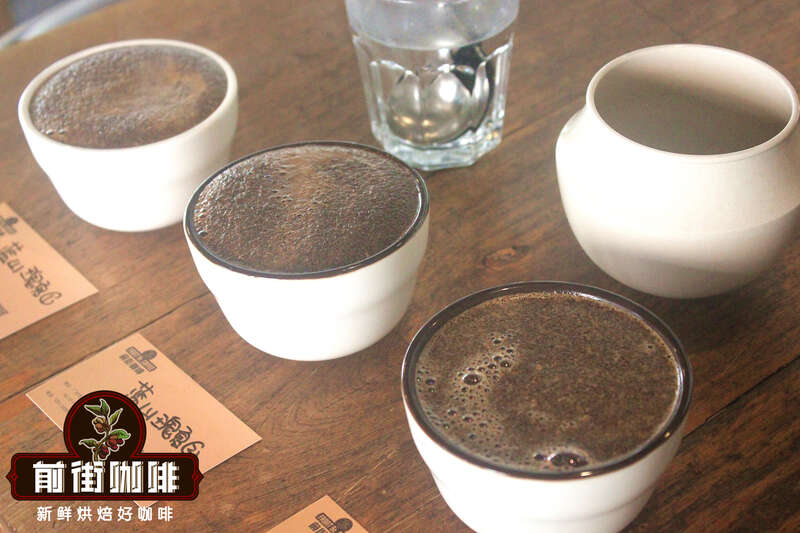
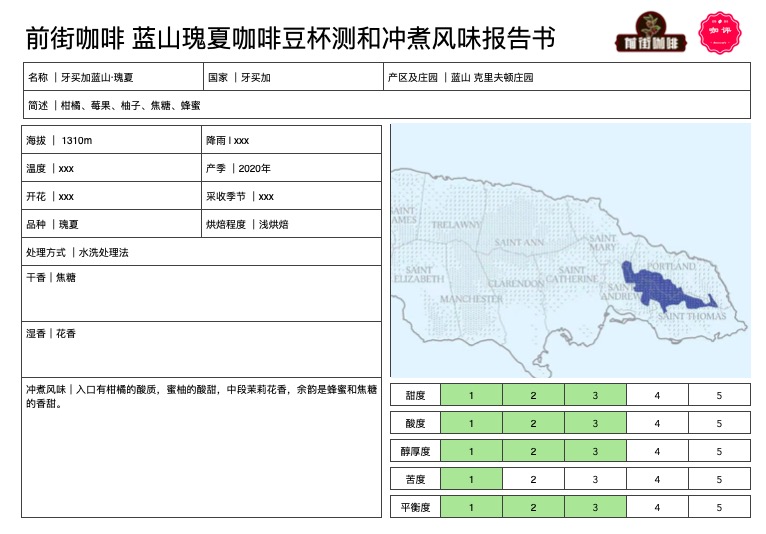
Eight hours after each roast batch, samples are cupped using 200ml standard cupping bowls, with a grind size that achieves 70%-75% retention on a #20 standard sieve, using 11g of coffee. Water TDS is 120ppm, water temperature is 94°C. First, grind and smell the dry aroma, then add water to fill the bowl. Confirm the wet aroma, and after 4 minutes, break the crust and remove the grounds for flavor evaluation.
FrontStreet Coffee Brewing Recommendations
Use 15g of coffee grounds with a 1:15 ratio, water temperature at 91°C, and a medium-fine grind, 75% retention on a #20 standard sieve. Because the Blue Mountain region sits slightly lower than Panama, the bean hardness is lower than Hacienda La Esmeralda's Geisha, so the grind setting should be slightly coarser than for Esmeralda Geisha.
Brewing Process
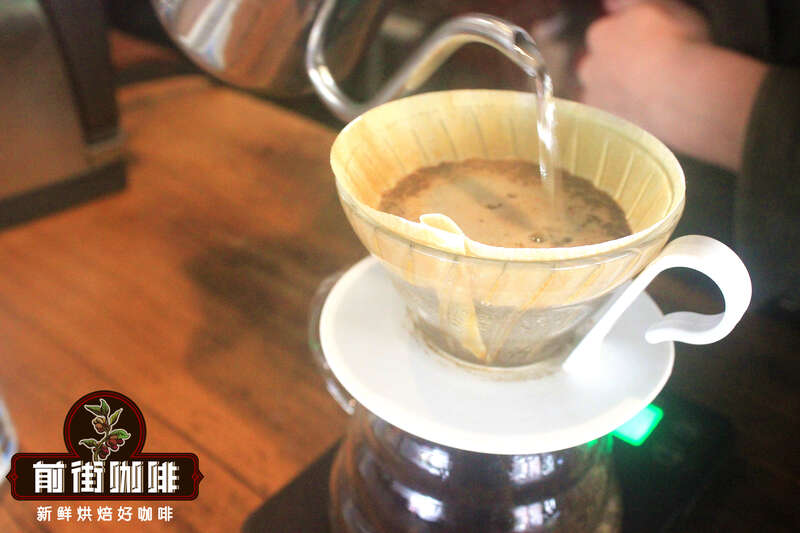
The ground Blue Mountain Geisha will emit a caramel aroma. Add 15g of coffee grounds and gently pour 30g of water in a circular motion to bloom for 30 seconds. Then pour 100g of water in the second stage, using small circular motions to quickly expand the coffee bed and raise the liquid level.
When the coffee bed begins to sink, pour the final 95g of water to reach a total 1:15 coffee-to-water ratio. The final stage also uses concentric circular pouring. It is recommended to pour from a height of 5cm to reduce the impact of the stream on the grounds, avoiding the bitterness that can easily appear in the middle to late stages of extraction. Total extraction time is 1 minute and 50 seconds.
This brewed Blue Mountain Geisha has a delicate floral aroma, with clean, clear citrus and honeydew melon sweet-and-sour fruit notes. The mouthfeel is round and smooth.
FrontStreet Coffee Recommendation
The Geisha variety arrived in Jamaica only recently, but FrontStreet Coffee's Blue Mountain Geisha comes from the same Clifton Mountain Estate as its Blue Mountain No. 1, at an altitude of 1310m with a washed process. Limited in production, it ships in wooden barrels like traditional Blue Mountain No. 1, and the barrel carries the Rainforest Alliance certification seal, which only Clifton Mountain Estate holds in the Jamaica Blue Mountain region.
For brewing, FrontStreet Coffee recommends 15g of coffee at a 1:15 ratio with 91°C water and a medium-fine grind, 75% passing a No. 20 standard sieve. Because Blue Mountain sits slightly lower than Panama, the bean is less hard than Esmeralda Geisha, so the grind should be a little coarser than for Esmeralda.
Genuine Jamaica Blue Mountain also has its own markers. FrontStreet Coffee's Blue Mountain No. 1 is grown at an average of 4,300 feet (1,310.64 meters) on the historic Clifton estate, which has grown and processed coffee since around 1750, and it travels in the traditional 15, 45, and 70 kg wooden barrels; FrontStreet Coffee roasts it fresh within five days, and resting it 4-7 days from the roast date brings out the best flavor.
Important Notice :
FrontStreet Coffee is a long-established specialty coffee roaster in Guangzhou China, selling freshly roasted beans from its own farm in Yunnan as well as dozens of carefully selected single-origin beans from around the world for both pour-over and espresso. The products deliver consistently excellent quality and great value, with shipping within 24 hours. Guangzhou's FrontStreet Coffee shop is recommended by many coffee lovers, and the beans are now available online at the Tmall 。
FrontStreet Coffee has moved to a new address:
FrontStreet Coffee Address: 315,Donghua East Road,GuangZhou
Tel:020 38364473
 Scan and follow the En Gafei WeChat official account. Please indicate that the reprint comes from "En Gafei".