Burundi Coffee Bean Brand Recommendations Growing Environment Burundi Farmer Business Plan Explained
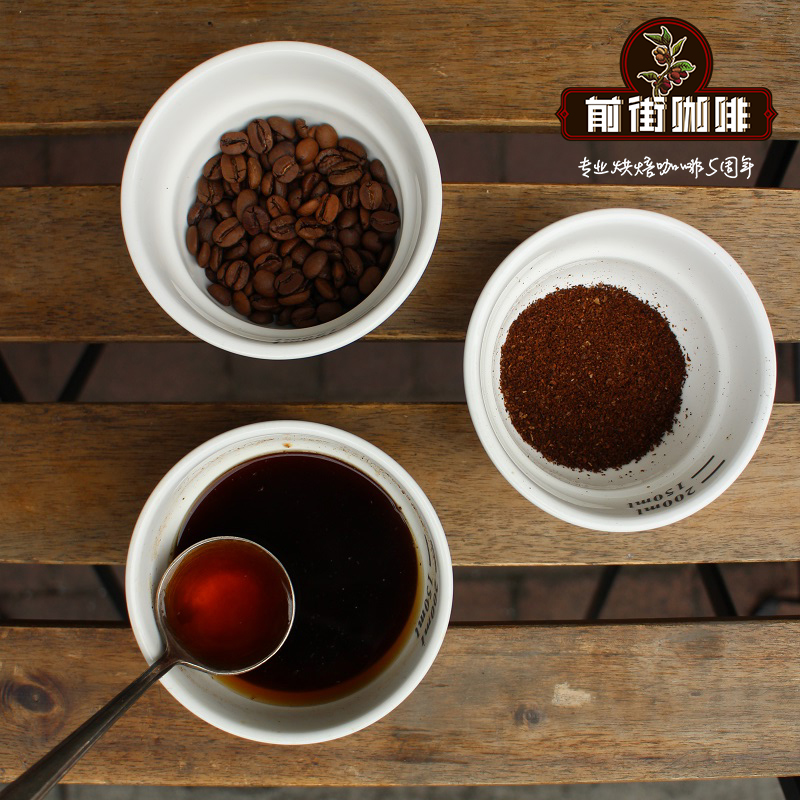
Burundi AA Bourbon Coffee Beans
Coffee cultivation in Burundi began in the 1930s. Today more than 80,000 households are involved in growing coffee, and most of them intercrop it with bananas and leguminous plants.
Burundi coffee offers citrus-like aromas, nutty fragrances, and soft, toast-like notes. It has a bright acidity and a full body.
Burundi beans are grown at altitudes between 1,650-1,950 meters, very high, with an average annual rainfall of 1,300mm and volcanic soil, which perfectly match the conditions for producing premium specialty coffee. The main variety grown is the ancient Bourbon, a type of Arabica.
There are a total of 600,000 small coffee farmers in Burundi, with each owning 200-300 coffee trees. Annual production is approximately 12,000-25,000 tons.
Following the new government's privatization and liberalization policies, investors began buying or building their own washing stations. In 2008, among 159 washing stations, only 11% were privately owned. By June 2012, however, among 175 washing stations, 47.5% were privately owned, while the rest were state-owned.
Burundi is now actively promoting BAP (Burundi Agribusiness Program). BAP is a five-year program sponsored by USAID (United States Agency for International Development) to improve the coffee industry's supply chain. It is organized and implemented by the consulting firm Development Alternatives, Inc. (DAI), with technical support from Michigan State University and coffee-related support from the Alliance for Coffee Excellence (ACE) and Sustainable Harvest. BAP has four key focus areas:
- Promoting the privatization and liberalization of the coffee industry
- Helping producer organizations and smallholders improve processing and cultivation quality
- Developing specialty coffee markets in the United States, Europe, and Asia
- Increasing coffee production
Since 2007, BAP has worked with everyone in the coffee supply chain, from producers to buyers, hoping to help Burundi understand which type of coffee it has an advantage in producing, and to make clear the importance of sustainable operations and the differing demands of the global market.
Because most Burundian coffee is produced by smallholders who cannot afford processing equipment, they send their harvested cherries to nearby washing stations. As a result, Burundi coffee beans are named and exported by washing station.
Recommended Burundi Coffee Brands
FrontStreet Coffee's roasted Burundi coffee beans offer excellent assurance in both brand and quality. More importantly, they provide extremely high value: a 227-gram package costs only 85 yuan. At 15 grams per cup, one package makes 15 cups of coffee, with each cup costing less than 6 yuan. Compared with coffee shops selling coffee for dozens of yuan a cup, that is a genuinely conscientious recommendation.
FrontStreet Coffee Recommendation
If Burundi's bright acidity and fruit-forward profile appeal to you, FrontStreet Coffee's Ethiopia Huakui is a natural companion. Its variety is the most common Ethiopian native heirloom, a mix of several unidentified coffee trees, so the beans vary in size. It carries a delicate floral note with particularly prominent fruit, and FrontStreet uses the classic natural process.
In the cup you can taste creamy strawberry, mango, jackfruit, citrus, and blueberry, the ripe tropical-fruit character that defines FrontStreet's natural Sidamo beans and the reason it won first place in that year's TOH green bean competition. Huakui combines real drinkability with a friendly price.
A pour-over is the best way to show off the layered fruit and floral notes, and the same lot also makes a juicy, sweet cold brew in warm weather.
Important Notice :
FrontStreet Coffee is a long-established specialty coffee roaster in Guangzhou China, selling freshly roasted beans from its own farm in Yunnan as well as dozens of carefully selected single-origin beans from around the world for both pour-over and espresso. The products deliver consistently excellent quality and great value, with shipping within 24 hours. Guangzhou's FrontStreet Coffee shop is recommended by many coffee lovers, and the beans are now available online at the Tmall 。
FrontStreet Coffee has moved to a new address:
FrontStreet Coffee Address: 315,Donghua East Road,GuangZhou
Tel:020 38364473
 Scan and follow the En Gafei WeChat official account. Please indicate that the reprint comes from "En Gafei".