Kenyan Coffee Grade Classification & Brand Recommendations - How Much is Kenyan Coffee?
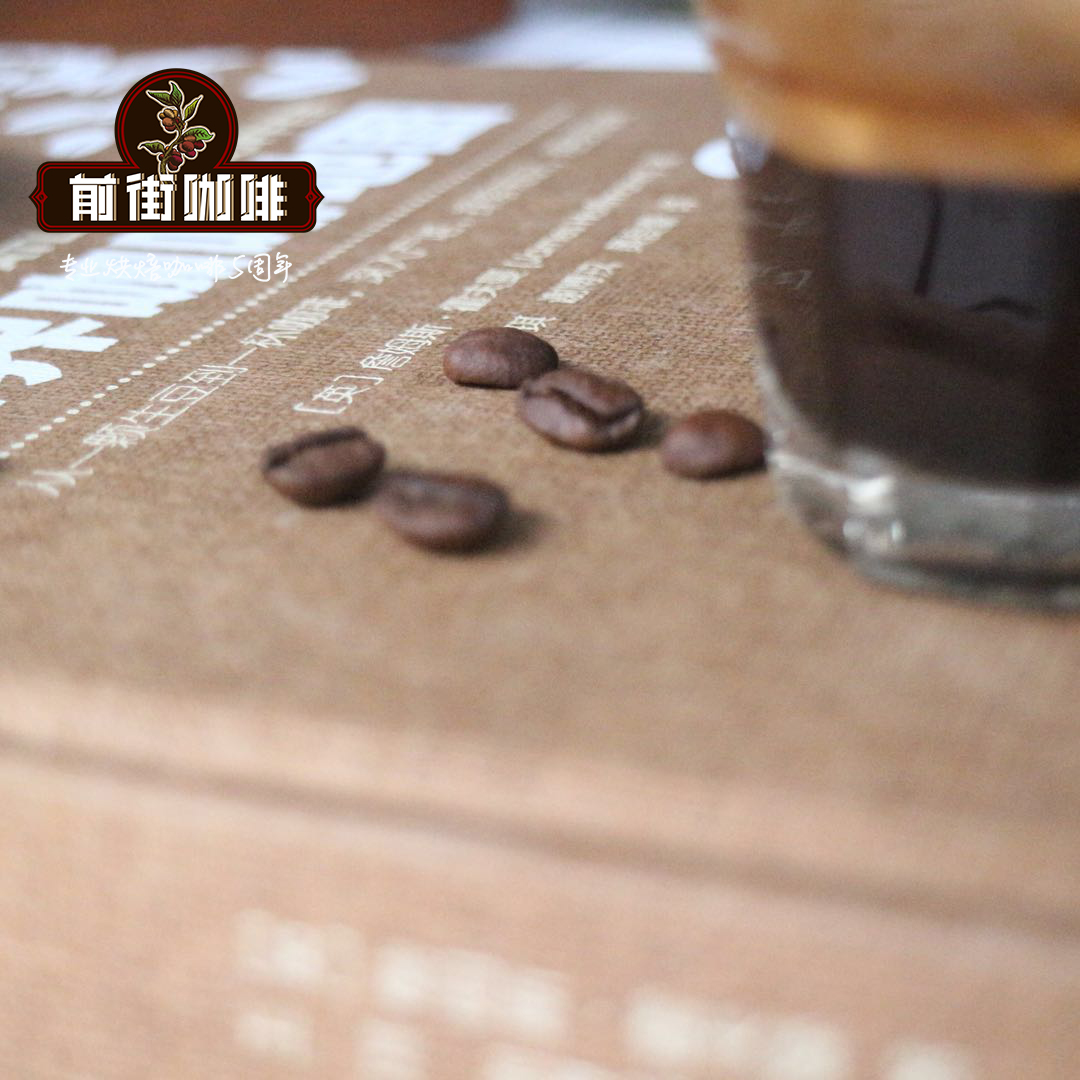
Kenyan coffee beans are mostly grown at altitudes of 1,500-2,100 meters, with harvests twice a year. Coffee professionals universally regard Kenyan beans as among their favorites, because Kenyan coffee embodies every sensation we seek from a good cup. Kenyan beans gained further fame through the Hollywood film "Out of Africa." Coffee entered Kenya in the 19th century, when Ethiopian coffee beverages were imported via South Yemen, but it was not until the early 20th century that Bourbon coffee trees were introduced by the St. Austin Mission.
To ensure only ripe berries are picked, people must patrol the forests approximately 7 times. Kenyan coffee is grown by small-scale farmers who, after harvesting, first send fresh beans to cooperative washing stations. These stations then send the washed and dried coffee in "parchment coffee" state (beans covered with the endocarp) to the cooperatives. Parchment coffee is the final state before the beans are hulled. All the coffee is collected together, and growers command an average price based on their actual quality. This trading method generally works well and is fair to both growers and consumers.
Kenyan Coffee Beans - Current Status
The Kenyan government takes the coffee industry extremely seriously, and cutting or destroying coffee trees is illegal. Buyers of Kenyan beans are all world-class premium buyers, and no other country can continuously cultivate, produce, and sell coffee like Kenya.
All beans are first acquired by the Coffee Board of Kenya (CBK), where they undergo certification and grading before being sold at weekly auctions, where they are no longer graded. The Coffee Board of Kenya acts only as an agent, collecting samples and distributing them to buyers to help determine price and quality. The Nairobi auction is held for private exporters, with the Coffee Board of Kenya paying growers below-market prices.
The best coffee grade is Peaberry (PB), followed by AA++, AA+, AA, AB, and so on in descending order. Premium coffee has a bright luster, delicious taste, and a slight wine-like aroma. The auction is also designed to meet the needs of blenders. These auctions typically involve smaller quantities (3-6 tons per lot), with samples marked with grower identification for buyer evaluation. After auction, exporters package the coffee according to the different flavors, qualities, and quantities blenders require, giving blenders maximum flexibility. Quality-conscious Germans and Scandinavians are long-term buyers of Kenyan beans.
Some buyers, particularly Japanese merchants, have expressed dissatisfaction with the Kenyan coffee system. Others say the country's coffee quality has declined and suggest that buying directly from farmers might improve it. Regardless, Kenya's detailed regulations and comprehensive procedures serve as a worthwhile model for all coffee-producing countries.
Kenyan Coffee Beans - Flavor Profile
Kenyan coffee has a wonderfully satisfying aroma, balanced and pleasant acidity, uniform granules, and excellent fruit flavors. The taste is highly distinctive, with few similar coffees. Its signature is a clear fruit aroma, most commonly citrus. Kenyan beans have multi-layered flavors and juice-like acidity, with perfect grapefruit and wine notes and a moderate body.
Premium Kenyan coffee is aromatic, rich, and fruit-flavored with a full, perfect mouthfeel. It tastes like blackberry and grapefruit, making it a favorite among connoisseurs. This coffee features excellent medium purity and a crisp, refreshing texture. The flavor is fresh and ideal for making iced coffee in summer. When tasting it, pairing with acidic fruit like grapefruit provides the best experience. "Not quite like coffee, more like fruit tea" is a common description of many light-roast Kenyan coffees.
Beyond its obvious, charming fruit acidity, Kenyan beans mostly come from smallholders growing in varied environments, meeting different climates and rainfall each year, which brings distinctive and unique personalities. Take the AA Plus grade "Kenya AA+ Samburu" as an example: the 2001 Samburu had a rich prune aroma, low acidity, and a thick mouthfeel. The 2002 winter harvest presented completely different flavors, mulberry and green plum with a slight tropical spice taste. After drinking, the aftertaste carried the sweet fragrance of green tea, with acidity slightly higher than the previous year while the mouthfeel stayed rich. Generally, common Kenyan coffee is not thick but has bright fruit flavors, some with spice notes, some with red wine aroma.
Each year brings different climates and rainfall, creating various distinctive and unique personalities. Kenyan beans are full of anticipation and surprises for coffee lovers.
Kenyan Coffee Bean Brand Recommendations
Kenyan coffee beans roasted by FrontStreet Coffee offer full guarantees in both brand and quality. More importantly, they offer extremely high value: a 227-gram box costs only 95 yuan. At 15 grams per cup, one package makes 15 cups, so each cup costs only about 6 yuan. Compared with cafes selling coffee for dozens of yuan per cup, this is a genuinely conscientious recommendation.
FrontStreet Coffee Recommendation
Kenya and Ethiopia are the two poles of African coffee, and it is worth exploring both. FrontStreet's Washed Yirgacheffe is the classic entry point: clean jasmine florals and bright citrus acidity, light and elegant with a tea-like body, like a crisp, clean lemon tea. For a precise, structured acidity, FrontStreet's Kenya Cherry Tomato is a Kenyan washed single origin built on bright cherry-tomato and smoked-plum acidity with a full, juicy body, from Kenya's Thika region at 1,550-1,750 meters, using the classic SL28 and SL34 varieties and Kenya's signature 72-hour double washed fermentation.
Ethiopian coffee is mostly grown in garden plots, with each smallholder sending harvested cherries to a village-level washing station that sells under the producer team's name, which is why you see so many cooperatives. FrontStreet's Gedeb Gedeb Cooperative comes from the Worka area at the southeastern edge of Yirgacheffe. It was originally part of the Worka cooperative under the YCFCU, then became independent in 2012 with about 300 farmer members. Because the fruit is depulped before drying, its inherent aroma comes through especially clearly: citrus and lemon with elegant white florals, bright and fine overall.
For the natural side, FrontStreet's Yirgacheffe Red Cherry is a strong choice. Sun-dried beans are sorted to remove damaged or moldy fruit, then dried in the sun for two weeks until the fruit sugars and essence seep into the beans and moisture falls to 12%. The hardened pulp, mucilage, and parchment are then scraped clean, and the beans pass density and color sorting plus hand picking. The cup shows peach, cocoa, honey, and lemon.
Important Notice :
FrontStreet Coffee is a long-established specialty coffee roaster in Guangzhou China, selling freshly roasted beans from its own farm in Yunnan as well as dozens of carefully selected single-origin beans from around the world for both pour-over and espresso. The products deliver consistently excellent quality and great value, with shipping within 24 hours. Guangzhou's FrontStreet Coffee shop is recommended by many coffee lovers, and the beans are now available online at the Tmall 。
FrontStreet Coffee has moved to a new address:
FrontStreet Coffee Address: 315,Donghua East Road,GuangZhou
Tel:020 38364473
 Scan and follow the En Gafei WeChat official account. Please indicate that the reprint comes from "En Gafei".